Find Magnetic Mini GPS Locator for fleet, taxi, and truck tracking
Source 30 verified options for a Magnetic Mini GPS Locator designed for automotive use. Buyers can compare models like M588L and TAG, reviewing features such as U-Blox chipsets, backup batteries, and mobile app integration to find the right solution for fleet or taxi management.
Key considerations
Products List


Mini Gpsmagnetic Mini Car Tracker GPS Real Time Management Car GPS Tracke
$27.59 - $27.60
MOQ: 10 Pieces


4G Mini GPS Vehicle Tracker with Magnetic Mount for Cars and Motorcycles
$9.49 - $12.90
MOQ: 10 Pieces

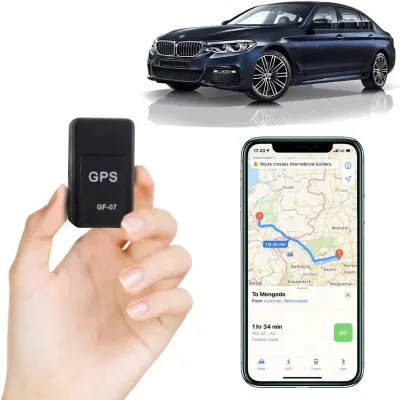


Comprehensive Sourcing Guide
Strategic Sourcing Guide for Magnetic Mini GPS Locators
The global demand for asset visibility has elevated the Magnetic Mini GPS Locator from a niche tracking tool to a critical component in modern fleet management and high-value asset protection. For B2B procurement professionals, sourcing these devices requires a disciplined approach that balances technical performance with regulatory compliance and supply chain reliability. Unlike consumer-grade trackers, industrial and automotive applications demand rigorous verification of signal accuracy, power resilience, and environmental durability. This guide synthesizes observed market data and technical specifications to provide a framework for evaluating suppliers and selecting the right magnetic GPS solutions for enterprise needs.
Technical Architecture and Performance Specifications
The core functionality of a Magnetic Mini GPS Locator relies on the integration of satellite positioning modules with cellular communication networks. Based on observed product attributes, high-performance units often utilize the U-Blox chipset, specifically the U-Blox 7020 model, which is renowned for its sensitivity in challenging environments. The operating principle typically combines a Vehicle Tracking System with a dedicated GPS Tracker, ensuring that the device can maintain connectivity even when the host vehicle is stationary or moving at high speeds.
Signal acquisition is a primary technical differentiator. The devices operate on the L1 frequency at 1575.42 MHz, which is the standard for civilian GPS. However, robust systems often employ a hybrid positioning mode that includes GSM, GPS, GPRS, and LBS (Location Based Services). This multi-mode approach ensures that if satellite signals are obstructed, such as in underground parking or dense urban canyons, the device can still triangulate position using cellular towers. The accuracy of these units is generally observed to be within 5 meters under open-sky conditions, a critical metric for fleet managers who require precise location data for route optimization and security monitoring.
Power management is equally vital. While many units are hardwired to the vehicle's electrical system, a significant segment of magnetic trackers includes a backup battery to support operation during power cuts or theft attempts. The working voltage range for these automotive-grade devices typically spans from 12VDC to 50VDC, accommodating various vehicle electrical architectures. Furthermore, the physical design must be compact to facilitate discreet magnetic attachment. Observed dimensions for these miniaturized units range significantly, with some models measuring as small as 40mm x 30mm x 12.5mm, while others designed for heavy-duty applications may reach 84.6mm x 57.2mm x 27.5mm. Buyers must verify that the form factor aligns with the intended mounting surface without compromising the internal antenna performance.
Regulatory Compliance and Certification Verification
In the B2B sector, regulatory compliance is not merely a formality but a prerequisite for market entry and liability protection. When sourcing magnetic GPS locators, procurement teams must demand evidence of adherence to international safety and electromagnetic compatibility standards. The most frequently observed certifications in the current market include CE, FCC, and RoHS.
The CE marking indicates conformity with health, safety, and environmental protection standards for products sold within the European Economic Area. The FCC certification is mandatory for electronic devices sold in the United States, ensuring that the device does not cause harmful interference to radio communications. RoHS (Restriction of Hazardous Substances) compliance ensures that the manufacturing process avoids the use of specific hazardous materials, which is increasingly important for corporate sustainability goals and waste disposal regulations. Some advanced listings also reference ISO/TSRoHS or specific automotive standards, though buyers should verify the exact scope of these certifications with the supplier.
It is critical to note that certification status can vary by model and production batch. For instance, while one model may carry a comprehensive suite of CE, FCC, and ISO certifications, another model from the same supplier might only list CE and RoHS. Procurement professionals should not assume that a supplier's entire catalog is uniformly certified. Instead, they must request valid test reports and certificates of conformity for the specific model number being purchased. This due diligence protects the buyer from customs seizures, legal liabilities, and the risk of deploying non-compliant equipment in regulated industries.
Cost Drivers and Procurement Economics
The pricing structure for magnetic GPS locators is influenced by several variables, including the complexity of the chipset, the inclusion of cellular network bands, and the volume of the order. Observed market data indicates a wide price range, with unit costs varying from approximately $1.78 to $36.00 USD. This disparity is not arbitrary; it reflects differences in hardware capabilities, such as the support for 4G LTE networks versus older 2G GSM/GPRS standards, and the inclusion of advanced features like cloud storage and real-time reporting.
A significant cost driver is the network technology. Devices supporting 4G LTE-FDD bands (B1, B2, B3, B4, B5, B7, B8, B28, B66) generally command a higher price point than those limited to 2G frequencies. As 2G networks are being phased out in many regions, investing in 4G-capable hardware ensures long-term viability. Additionally, the "Big Discount on Bulk Quantity" is a common market practice, suggesting that economies of scale play a substantial role in the final unit cost.
Minimum Order Quantity (MOQ) requirements also impact procurement strategy. The observed MOQ range spans from 1 to 50 units. This flexibility allows buyers to test the market with small batches before committing to large-scale deployments. However, for large fleet expansions, buyers should negotiate based on tiered pricing structures. It is essential to clarify whether the quoted price includes the SIM card, the cloud platform subscription, and the mobile application access, as these recurring costs can significantly affect the total cost of ownership (TCO).
Typical Applications and Use Cases
Magnetic mini GPS locators are versatile tools deployed across various sectors where asset visibility and security are paramount. The primary application is in the automotive sector, specifically for heavy trucks, container cars, taxis, and general fleet management. The magnetic attachment feature allows for rapid, non-invasive installation, making these devices ideal for temporary tracking, rental fleets, or high-theft-risk vehicles where permanent installation might be too conspicuous or time-consuming.
Beyond standard vehicle tracking, these devices support a wide array of reporting functions. Buyers should verify that the chosen model supports specific report types such as Trip, Parking, Daily, and History Playback. These reports are essential for analyzing driver behavior, optimizing fuel consumption, and investigating security incidents. The integration with a Web Platform like "Oversee" and a Mobile APP such as "Icruise S" further enhances utility, allowing fleet managers to monitor assets in real-time from any location.
The "Heavy Truck Container Car" specification highlights the device's suitability for logistics and supply chain management. In this context, the ability to track container movement and ensure cargo security is critical. The device's long standby time and backup battery support make it resilient against tampering, as the tracker can continue to report its location even if the vehicle's main power is cut. For fleet managers, the ability to view data on a Cloud Cluster Server ensures that information is centralized, secure, and accessible to multiple stakeholders simultaneously.
Supplier Evaluation and Quality Control
Selecting a reliable supplier is as important as selecting the right product. When evaluating potential partners, buyers should look for evidence of a robust manufacturing process and a clear quality control protocol. The product origin is a key indicator; many high-volume suppliers are based in China, with specific manufacturing hubs like Shenzhen known for their electronics supply chain efficiency. However, origin alone does not guarantee quality.
Buyers must assess the supplier's ability to support customization. The market data indicates that customization is available, which is crucial for B2B clients who may require branded packaging, specific firmware configurations, or integration with proprietary fleet management software. The "Neutral Package and Support OEM" attribute suggests that suppliers are willing to work with clients to create white-label solutions, but this requires clear communication regarding design files and branding guidelines.
Quality control should extend to the physical build of the device. The material composition, often plastic for the casing, must be durable enough to withstand vibration, temperature fluctuations, and potential exposure to the elements. The magnetic strength is another critical factor; a weak magnet could result in the device detaching during transit, rendering it useless. Buyers should request specifications on the magnetic grade and test results for vibration resistance. Furthermore, the warranty period is a strong indicator of supplier confidence. While some models offer a 1-year warranty, others provide 2 years. A longer warranty period often correlates with higher build quality and better after-sales support.
Long-Term Procurement Considerations
Sourcing magnetic GPS locators is not a one-time transaction but the beginning of a long-term partnership. Lead times and supply chain stability are critical factors that can disrupt fleet operations. Observed lead times can range from 14 days for orders between 1 and 500 pieces, with larger quantities requiring negotiation. Buyers must account for these timelines when planning fleet expansions or replacements to avoid operational gaps.
The longevity of the device is another consideration. As cellular networks evolve, particularly the shutdown of 2G networks in various countries, buyers must ensure that the hardware they purchase today will remain functional in the future. Prioritizing 4G LTE models with support for a broad range of frequency bands is a strategic move to future-proof the investment. Additionally, the software ecosystem must be considered. The reliance on a specific mobile app or web platform means that the buyer is tied to the supplier's software development roadmap. A stable, regularly updated platform is essential for maintaining data integrity and user experience.
Finally, the total cost of ownership extends beyond the initial hardware purchase. Buyers should evaluate the cost of data plans, cloud storage fees, and any recurring subscription costs for the tracking platform. A device with a low upfront cost but high monthly data fees may be less economical than a slightly more expensive unit with a more favorable data plan structure. By carefully analyzing these long-term factors, procurement professionals can make informed decisions that ensure operational continuity and cost efficiency over the lifecycle of the asset tracking system.
FAQs
What certifications do Magnetic Mini GPS Locator models have?
Most models carry CE, FCC, and RoHS certifications, though some variants only list CE and RoHS. Buyers must verify specific test reports for the exact model number before purchase to ensure compliance with regional regulations.
How accurate is the positioning for these GPS trackers?
The positioning accuracy is generally observed to be within 5 meters under open-sky conditions. This precision relies on the U-Blox chipset and hybrid modes including GSM, GPS, GPRS, and LBS for signal retention.
Which working voltage range supports these automotive devices?
These devices typically operate within a 12VDC to 50VDC voltage range to accommodate various vehicle electrical systems. This wide range ensures compatibility with heavy trucks, taxis, and fleet management vehicles without requiring external converters.
Can buyers customize packaging for bulk orders?
Yes, customization is available with options for neutral packaging or OEM support. Suppliers can accommodate specific branding or packaging requirements, making these units suitable for white-label distribution and enterprise fleet branding.
What is the typical lead time for orders under 500 pieces?
The standard lead time is 14 days for orders ranging from 1 to 500 pieces. Larger quantities exceeding 500 units require negotiation with the supplier to determine the specific delivery schedule and production capacity.
Which warranty periods are offered for these GPS units?
Warranty periods vary by model, with options ranging from 1 year to 2 years. The longer warranty often indicates higher build quality and supplier confidence, so buyers should confirm the specific term for the selected model.
How do these trackers handle power loss in vehicles?
Many models include a backup battery to support operation during power cuts or theft attempts. This feature ensures the device continues reporting location data even if the vehicle's main power supply is disconnected or tampered with.