Source Magnetic Mini Spot Stage Light for Clubs, Bars, and Events
Find and compare 30 Magnetic Mini Spot Stage Light options for professional venues. Review specifications like DMX control, LED sources, and IP ratings to select the right lighting for clubs, bars, and events; compare the available evidence and request quotations based on your requirements.
Key considerations
Products List




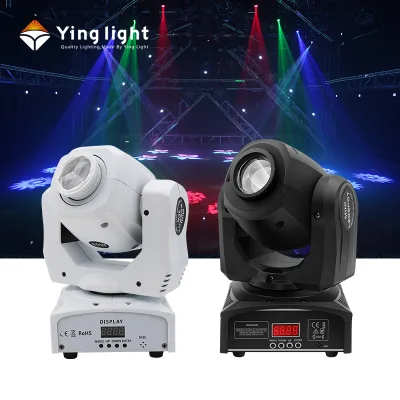




Wholesale Pricing Lightweight Yet Durable Spot Light for Stage Performances
$70.00 - $100.00
MOQ: 2 Pieces


Comprehensive Sourcing Guide
Magnetic Mini Spot Stage Light Sourcing Guide
Sourcing magnetic mini spot stage lights requires a nuanced understanding of the intersection between portable lighting technology and professional stage requirements. These fixtures are designed for rapid deployment in dynamic environments, offering flexibility that traditional truss-mounted units cannot match. Buyers must recognize that "magnetic" refers to the mounting mechanism, which allows for quick attachment to steel surfaces, while "mini spot" defines the optical output and form factor. This combination is particularly valuable for touring productions, corporate events, and broadcast setups where time is critical and space is limited.
The procurement process involves evaluating a diverse range of products that vary significantly in power, control, and build quality. Market listings indicate a wide price spectrum, suggesting that buyers will encounter everything from basic entry-level units to high-performance professional fixtures. It is essential to distinguish between consumer-grade accessories and professional-grade stage equipment. Professional units typically feature robust heat dissipation, precise optical systems, and reliable control interfaces, whereas lower-tier options may compromise on durability or color accuracy. Understanding these distinctions is the first step in defining a successful sourcing strategy.
Product Scope and Observed Listing Signals
The current market landscape for magnetic mini spot lights reveals a broad array of specifications that cater to different operational needs. Observed listings show a significant variation in pricing, ranging from low-cost options to premium professional fixtures, which reflects differences in component quality and feature sets. Buyers should note that the minimum order quantities (MOQ) also vary widely, allowing for both small-scale trial orders and large-volume procurement. This flexibility is crucial for event companies that need to scale their inventory based on project size and budget constraints.
Technical attributes observed in the market include diverse voltage requirements, such as AC100-240V compatibility, which ensures global usability. Control modes range from simple auto-run functions to complex DMX512 signal control, enabling integration into larger lighting networks. Some units feature adjustable strobe speeds and changeable emitting colors, providing creative versatility for stage designers. Additionally, packing standards vary from simple cartons to flight cases, indicating different levels of protection and portability. These signals help buyers assess whether a product aligns with their specific logistical and technical requirements.
Technical Specifications to Verify
When evaluating technical specifications, voltage compatibility is a primary concern for international procurement. Buyers must verify whether the unit operates on standard 220V or requires a wider AC100-240V input range to ensure safe operation across different regions. Power consumption is another critical factor, with observed ratings including 150W models that balance brightness with energy efficiency. Understanding the rated power helps in calculating electrical load requirements for temporary power distributions, preventing circuit overloads during live events.
Optical performance and control capabilities define the functional value of the fixture. Buyers should verify the beam angle, with some units offering zoom capabilities ranging from 20 to 38 degrees for precise targeting. Control channels, such as 16CH configurations, allow for detailed programming of color, intensity, and movement. It is also important to check the light source type, whether LED or gas discharge, as this impacts lifespan and color rendering. Additionally, verifying the IP rating ensures the fixture can withstand environmental conditions, protecting the investment from dust and moisture damage during outdoor or humid indoor use.
Compliance and Safety Documentation
Compliance with international safety standards is non-negotiable for professional stage lighting equipment. Buyers must ensure that suppliers provide valid CE and RoHS certifications, which confirm adherence to European health, safety, and environmental protection standards. These certifications are critical for importing goods into many markets and demonstrate that the product does not contain hazardous substances. Without proper documentation, shipments may be held at customs, leading to significant delays and additional costs for the buyer.
Electromagnetic compatibility (EMC) and low voltage directive (LVD) compliance are equally important for ensuring the fixture does not interfere with other electronic equipment. Buyers should request test reports or certificates that verify these standards, particularly for units with digital control interfaces. ISO9001 certification for the manufacturer indicates a commitment to quality management systems, which can reduce the risk of defects. Verifying these documents early in the sourcing process mitigates legal and operational risks, ensuring that the purchased lights meet all regulatory requirements for their intended market.
Cost Drivers and Commercial Terms
Several factors influence the final cost of magnetic mini spot stage lights, with build quality and feature complexity being primary drivers. Units with advanced optical systems, such as high-efficiency lenses and precise zoom mechanisms, typically command higher prices. Similarly, fixtures with robust construction materials and enhanced heat dissipation systems offer better longevity but come at a premium. Buyers should balance initial cost against total cost of ownership, considering factors like energy efficiency and maintenance requirements over the product's lifecycle.
Commercial terms, including warranty and packaging, significantly impact the overall procurement value. A standard one-year warranty is common, but buyers should clarify the scope of coverage and the process for claims. Packaging options, ranging from simple cartons to protective flight cases, affect shipping costs and product safety during transit. Negotiating bulk discounts based on volume is also a key strategy, as observed MOQ ranges allow for flexible ordering. Understanding these cost drivers helps buyers make informed decisions that align with their budget and operational needs.
Supplier Qualification and Quality Control
Supplier qualification is a critical step in ensuring the reliability of the supply chain. Buyers should prioritize manufacturers with established reputations and verifiable production capabilities, particularly those located in known manufacturing hubs like Guangdong, China. Requesting samples before placing large orders allows for hands-on evaluation of build quality, optical performance, and control responsiveness. This due diligence helps identify potential issues with consistency or durability that may not be apparent from product descriptions alone.
Quality control processes should be clearly defined and agreed upon before production begins. Buyers should inquire about incoming material inspections, in-process quality checks, and final random inspections. Understanding the supplier’s defect rate and return policy is essential for managing risk. Additionally, verifying the supplier’s ability to provide customization options, such as branding or specific packaging, can add value to the procurement. Establishing a strong relationship with a qualified supplier ensures consistent product quality and reliable support throughout the procurement lifecycle.
Long-Term Procurement Checks
Long-term procurement success depends on continuous monitoring of product performance and supplier reliability. Buyers should establish a feedback loop with end-users to gather data on fixture durability, color consistency, and control stability in real-world conditions. This information is invaluable for making informed decisions about future purchases and identifying potential improvements in product design. Regularly reviewing supplier performance metrics, such as on-time delivery and defect rates, helps maintain high standards in the supply chain.
Adapting to technological advancements is also crucial for staying competitive. The lighting industry evolves rapidly, with new LED technologies and control protocols emerging frequently. Buyers should stay informed about industry trends and be open to upgrading their inventory to incorporate newer, more efficient models. Additionally, maintaining a diverse supplier base can mitigate risks associated with single-source dependencies. By focusing on long-term relationships and continuous improvement, buyers can ensure their lighting solutions remain effective and relevant in a dynamic market environment.
FAQs
What certifications do these stage lights have?
These stage lights carry CE and RoHS certifications to ensure safety and environmental compliance. The products also meet EMC, LVD, and ISO9001 standards for quality control. This ensures reliable operation in various professional environments like clubs and stages.
Can I customize the voltage for these lights?
Yes, customization is available for specific voltage requirements. Some models support AC100-240V 50-60Hz, while others operate at 220V. Buyers should verify the specific model needs before ordering to ensure compatibility with their local power supply systems.
Which control modes are supported by these units?
These units support DMX Signal Control and Sould/Auto/Master-Slave modes. The 16-channel control allows for complex lighting effects. This flexibility enables precise management of multiple lights simultaneously during performances or events in large venues.
How is the packaging handled for shipping?
Products are packed in cartons or flight cases depending on the model. Some items use single-piece packing while others utilize standard carton packages. This ensures safe transport and protection against damage during international shipping to various global destinations.
What is the warranty period for these lights?
The warranty period is one year for these stage lights. This covers manufacturing defects and ensures customer satisfaction. Buyers can rely on this support for peace of mind when investing in professional lighting equipment for their venues.
Which applications are these lights suitable for?
These lights are designed for KTV, bars, night clubs, and dancing halls. They are also ideal for stage performances and dance effect lighting. Their lightweight and low-noise features make them perfect for dynamic entertainment environments requiring high-quality illumination.