Source Makita Circular Saw Carbon Brush for Hammer Drill, Drilling Machine, Circular Saw
Find 30 listings for Makita Circular Saw Carbon Brush compatible with hammer drills, drilling machines, and circular saws. Compare specifications, certifications, and pricing from verified manufacturers offering OEM support and custom options.
Key considerations
Products List




1450W 185mm Electric Circular Saw for Woodworking Saw Precision Cutting Circular Saw
$20.50 - $21.50
MOQ: 100 Pieces


OEM Factory 1450W 185mm Motor Adjustable Bevel Power Tools Circular Saw
$20.50 - $21.50
MOQ: 100 Pieces


Comprehensive Sourcing Guide
Makita Circular Saw Carbon Brush Sourcing Guide
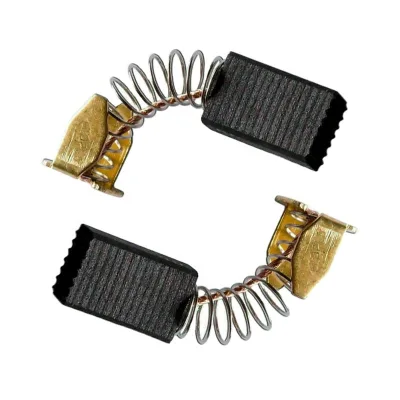
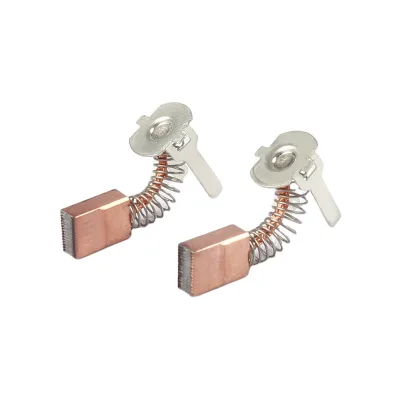
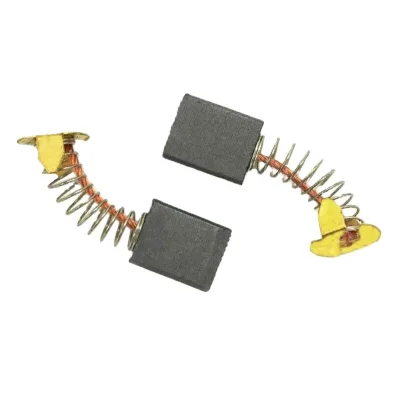
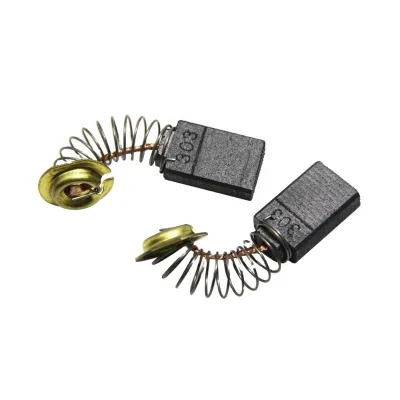
Sourcing replacement carbon brushes for Makita circular saws requires a disciplined approach to part identification and supplier verification. The core keyword "Makita Circular Saw Carbon Brush" points to a specific category of consumable components that are critical for the electrical continuity and performance of brushed DC motors found in many power tools. These brushes are not generic; they are engineered to fit specific motor geometries, ensuring proper contact with the commutator to transfer current efficiently. Buyers must recognize that while the brand name is central to the search, the actual part number is the definitive identifier for compatibility.
The procurement landscape for these components is characterized by a mix of original equipment manufacturer (OEM) parts and high-quality aftermarket alternatives. Suppliers often list these items under various model numbers, such as CB-153 or CB-441, which correspond to specific Makita tool series. Understanding the distinction between these part numbers is essential for preventing operational downtime caused by incorrect replacements. This guide provides a structured framework for evaluating listings, verifying technical specifications, and ensuring that the sourced components meet the rigorous demands of industrial and professional power tool maintenance.
Product Scope and Observed Listing Signals
The observed market signals indicate a wide variance in product attributes, with prices ranging from $0.08 to $6,236 USD and minimum order quantities (MOQs) spanning from 1 to 3,000 units. This broad range suggests that the category includes both individual retail replacements for small workshops and bulk industrial supplies for large-scale maintenance operations. Buyers should note that the presence of a low MOQ, such as 1 pair, often correlates with higher per-unit costs, while bulk orders may offer economies of scale but require significant upfront capital and storage capacity. The flexibility in MOQs allows buyers to align their purchasing strategy with their inventory turnover rates and budget constraints.
Listing descriptions frequently highlight specific compatibility with Makita models, including the 181044-0, CB-152, CB-153, and 191976-3. These identifiers are crucial for narrowing down the search to the correct brush geometry and electrical properties. Some listings also reference compatibility with other brands like DeWalt, indicating that certain brush dimensions may be interchangeable across different manufacturers. However, buyers must exercise caution when relying on cross-reference claims, as subtle differences in spring tension, material composition, or physical dimensions can lead to premature wear or motor damage. The primary focus should remain on the exact part number specified by the tool manufacturer.
Technical Specifications to Verify
Technical verification begins with confirming the physical dimensions and material composition of the carbon brush. Standard specifications for these components often include precise measurements, such as 7x11x18mm, which must match the slot dimensions in the tool’s motor housing. The material is typically electrographite, a composite of carbon and graphite that offers a balance of conductivity and wear resistance. Buyers should verify that the supplier provides detailed dimensional data and material grades, as deviations from these specifications can result in poor electrical contact or excessive sparking. The presence of "customized" standards in some listings suggests that manufacturers may offer tailored solutions, but these require rigorous validation before adoption.
In addition to physical attributes, buyers must assess the electrical and mechanical performance characteristics of the brushes. Key factors include the brush spring pressure, which ensures consistent contact with the commutator, and the current-carrying capacity, which determines the brush’s ability to handle the motor’s load. Some suppliers claim production capabilities of up to 100,000 sets per week, indicating a high-volume manufacturing environment that may offer consistency in quality. However, buyers should request sample units to test fit and performance in actual tools. The observation that samples are available "free of charge and freight collect" provides an opportunity to validate these technical claims before committing to a larger order.
Compliance and Safety Documentation
Compliance with international standards is a critical aspect of sourcing carbon brushes, particularly for tools used in regulated industries. The supplied facts indicate that many suppliers hold certifications such as CE, RoHS, IATF16949, and ISO9001:2015. These certifications demonstrate that the manufacturer adheres to specific quality management and environmental standards. CE marking, for instance, confirms that the product meets EU health, safety, and environmental protection requirements, while RoHS compliance ensures that the brushes are free from hazardous substances like lead and mercury. Buyers should request copies of these certificates to verify their validity and scope.
IATF16949 and ISO9001 certifications are particularly relevant for automotive and industrial applications, where quality consistency is paramount. IATF16949 is a technical specification for quality management systems in the automotive industry, while ISO9001:2015 outlines general quality management principles. The presence of these certifications suggests that the supplier has robust processes in place for quality control and continuous improvement. However, buyers should not assume that certification alone guarantees product suitability for their specific application. It is essential to cross-reference these certifications with the specific product models being purchased to ensure that the compliance covers the exact items in the order.
Cost Drivers and Commercial Terms
The cost of carbon brushes is influenced by several factors, including material quality, production volume, and packaging requirements. The observed price range of $0.08 to $6,236 USD reflects the diversity of products available, from basic single-pair replacements to bulk industrial orders. Buyers should analyze the cost per unit in the context of the total order value, considering factors such as shipping, tariffs, and handling fees. The mention of "freight collect" for samples indicates that buyers are responsible for shipping costs, which can add to the initial expense of evaluating potential suppliers. Understanding these cost drivers helps buyers make informed decisions about their sourcing strategy.
Commercial terms, such as lead times and payment conditions, also play a significant role in the procurement process. Suppliers typically offer bulk production times of 15-20 working days after order confirmation, with sample times of 3-5 working days. These timelines should be factored into production planning to avoid delays. The loading port is often specified as Shanghai or Ningbo, which are major shipping hubs in China. Buyers should consider the impact of shipping routes and transit times on their overall supply chain efficiency. Additionally, the availability of OEM and ODM support suggests that suppliers may offer customization options, which could affect pricing and lead times.
Supplier Qualification and Quality Control
Supplier qualification is a critical step in ensuring the reliability of the sourced carbon brushes. Buyers should verify the business type of the supplier, with many listings indicating a "Manufacturer" status. This suggests that the supplier has direct control over the production process, which can lead to better quality consistency and cost efficiency. However, buyers should also assess the supplier’s production capability, with some claiming capacities of 80,000 to 100,000 pieces per week. High production volumes can indicate a mature manufacturing operation, but they also require robust quality control systems to maintain consistency.
Quality control measures, such as "100% Tested" claims, are essential for ensuring that each brush meets the required specifications. Buyers should inquire about the specific testing procedures used by the supplier, including electrical testing, dimensional inspection, and material analysis. The availability of free samples allows buyers to conduct their own quality assessments, including fitment and performance tests in actual tools. Additionally, buyers should consider the supplier’s warranty policies, with some offering a 1-year warranty on their products. A comprehensive warranty indicates confidence in the product’s durability and performance, providing an additional layer of protection for the buyer.
Long-Term Procurement Checks
Long-term procurement success depends on establishing a sustainable relationship with reliable suppliers and maintaining consistent quality standards. Buyers should regularly review supplier performance metrics, including on-time delivery rates, product defect rates, and responsiveness to issues. The ability of suppliers to provide customized solutions, as indicated by the "Customization: Available" attribute, can be valuable for adapting to changing tool models or specific operational requirements. However, any changes to the product design or material composition should be thoroughly validated to ensure continued compatibility and performance.
Continuous monitoring of market trends and technological advancements is also important for staying ahead of potential obsolescence or supply chain disruptions. Buyers should stay informed about new brush technologies, such as advanced carbon composites or improved spring designs, that may offer better performance or longer service life. Additionally, maintaining a diversified supplier base can mitigate the risk of supply shortages and provide leverage in negotiations. By focusing on long-term partnerships and continuous improvement, buyers can ensure a stable and cost-effective supply of carbon brushes for their Makita circular saws and other power tools.
FAQs
What certifications do Makita carbon brushes have?
These carbon brushes carry CE, RoHS, IATF16949, and ISO9001 certifications. The products are manufactured by a supplier in Jiangsu Province, China, ensuring compliance with international safety and quality standards for power tool accessories.
Which models are compatible with these carbon brushes?
They fit Makita models like CB-153, CB-152, and 191976-3, as well as DeWalt DWE305. These brushes are specifically designed for use in hammer drills, circular saws, and angle grinders to ensure optimal motor performance.
Can I get samples before placing a bulk order?
Yes, free samples are available upon request with freight collect. The sample time is typically within 3 to 5 working days after the order is confirmed, allowing buyers to verify quality before committing to larger quantities.
What is the minimum order quantity for these brushes?
The minimum order quantity varies, with some listings requiring 5000 pairs per type while others accept just one pair. Buyers should check specific supplier requirements as the range observed spans from 1 to 3000 units depending on the vendor.
How long does production take for bulk orders?
Bulk production is completed within 15 to 20 working days after the order is confirmed. The supplier has a production capability of up to 80,000 pieces per week, ensuring timely delivery for large volume requests.
Are these brushes available with custom specifications?
Customization is available for these carbon brushes to meet specific buyer needs. The supplier offers OEM and ODM support, allowing for tailored dimensions and materials like electrographite or domestic and imported grade carbon.
Where are these products manufactured and shipped from?
The products originate from Jiangsu Province, China Mainland. They are shipped via sea or air from ports in Shanghai or Ningbo, with loading ports available upon buyer demand to facilitate international logistics.