Source Makeup Remover for Facial Cleansing, Anti-Aging, and Sun Care
Compare 30 Makeup Remover options featuring diverse functions like anti-aging, whitening, and acne control. Buyers can evaluate specifications such as alcohol-free formulas, biodegradable materials, and customizable sizes from verified Chinese manufacturers.
Key considerations
Products List


Custom Makeup Remover Private Label Small Towel Makeup Remover of Makeup Removal Cloth
$0.25 - $0.50
MOQ: 500 Pieces



Comprehensive Sourcing Guide
Strategic Sourcing Guide for Makeup Remover Products
Understanding Product Variations and Technical Specifications
The Makeup Remover market encompasses a diverse range of product formats, each defined by specific technical attributes that dictate their application and supply chain requirements. Buyers must first distinguish between the physical form of the product, as this directly influences packaging, shipping volume, and end-user experience. Current market observations indicate a split between "Without Pressing" and "Side Pressing" formulations. These distinctions are not merely cosmetic but relate to the mechanical design of the dispenser or the structural integrity of the wipe itself.
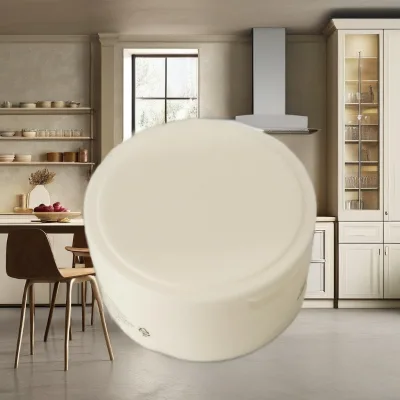
Material composition is another critical technical variable. While some products are marketed as "Disposable," others carry the "Biodegradable" designation, a feature that aligns with evolving environmental regulations and corporate sustainability goals. The physical dimensions of the product vary significantly based on the intended application. For instance, specific models are standardized at dimensions such as 15x20 cm or 20x20 cm, while others adhere to a circular standard of 58 mm in diameter. These measurements are not arbitrary; they determine the surface area coverage for makeup removal and the number of units that can fit within a standard shipping carton.
Weight is a precise metric that impacts logistics costs. Observed data points to weights ranging from 0.6g to 0.8g per unit, with a tolerance of +/-0.03g. This tight tolerance suggests a need for high-precision manufacturing equipment. The formula composition also varies, with a notable segment of products being "Alcohol Free," specifically designed for gentle makeup removal and facial cleaning. This attribute is particularly relevant for buyers targeting sensitive skin demographics or those requiring compliance with strict chemical safety standards.
Compliance, Certification, and Regulatory Standards
Navigating the regulatory landscape is paramount for B2B buyers importing Makeup Remover products. The supply chain for these items is heavily regulated due to their direct contact with human skin and their classification as cosmetic or personal care items. Buyers must verify that suppliers possess valid certifications that align with international trade standards. Observed compliance data highlights the presence of GMPC (Good Manufacturing Practice for Cosmetics), ISO9001 (Quality Management Systems), and MSDS (Material Safety Data Sheet) documentation. These certifications are not optional; they serve as proof of a supplier's adherence to safety protocols and quality control measures.
Standardization of product dimensions and materials is equally critical. While some products are offered with customized standards, others adhere to fixed specifications such as 9x7 cm or 15x20 cm. When a supplier claims a product is "customized," the buyer must verify the specific technical parameters of that customization to ensure it meets the target market's regulatory requirements. For example, a product labeled as "Alcohol Free" must be substantiated by the supplier's formula sheet and safety data.
The origin of the product also plays a role in compliance. Production facilities located in regions like Ningbo and Zhejiang, China, are common hubs for this industry. However, the location of the factory does not automatically guarantee compliance. Buyers must independently verify that the specific manufacturing site holds the necessary local and international certifications. The shelf life of the product, observed to range from 2 to 3 years, must be clearly stated on the packaging and supported by stability testing data. This duration is a key factor in inventory management and supply chain planning, as it dictates the maximum time a product can remain in transit and storage before reaching the consumer.
Cost Drivers and Pricing Dynamics
The pricing structure for Makeup Remover products is influenced by a complex interplay of factors, including volume, customization, and material costs. The observed price range in the market spans from $0.02 to $5.62 per unit. This wide variance indicates that the final price is highly dependent on the specific configuration of the order. Lower prices typically correlate with standard, non-customized products ordered in high volumes, while higher prices reflect specialized features, custom branding, or smaller order quantities.
Volume is the most significant driver of cost reduction. Suppliers frequently indicate that prices become more competitive as the quantity increases. This is a standard economic principle in B2B manufacturing, where economies of scale reduce the per-unit cost of raw materials, labor, and packaging. Buyers should anticipate a tiered pricing model where the cost per unit drops as the order quantity moves from the minimum order quantity (MOQ) to larger batches. The observed MOQ range is extensive, spanning from 1 unit to 100,000 units. This flexibility allows buyers to test the market with small orders or commit to large-scale production runs.
Packaging costs also contribute to the overall price. Products may be sold in individual polybags, bulk bags containing 30 to 96 pieces, or fully cartonized units. The complexity of the packaging, such as the need for specific carton sizes like 47x35x21.5 cm, affects the shipping efficiency and, consequently, the landed cost. Furthermore, the cost of samples, which may be free but require the buyer to cover express shipping fees, should be factored into the initial budget. This policy is common in the industry to discourage frivolous sampling while allowing serious buyers to evaluate product quality before committing to a large order.
Typical Applications and Target Demographics
Makeup Remover products serve a variety of applications, ranging from general daily cleansing to specialized treatments for specific skin concerns. The functional attributes of these products are diverse, often including Anti-Aging, Whitening, Moisturizing, Acne/Blemish Control, and Sun Care capabilities. This multifunctionality allows buyers to target specific market segments based on consumer needs. For instance, a product focused on "Acne/Blemish Control" would be marketed differently than one emphasizing "Whitening" or "Moisturizing."
The target demographic is equally varied. While some products are designed for "Adults" and labeled as "Unisex," others are specifically targeted at "Female" consumers. The application area is consistently the "Face," but the specific needs of the user can dictate the choice of product. For example, "Gentle Make-up Remover Wipes" with an alcohol-free formula are ideal for sensitive skin types, such as "Combination" skin, which is prone to both dryness and oiliness.
The design of the product can also be customized to meet specific branding requirements, allowing buyers to create a unique market presence. This customization extends to the product's function, enabling the creation of niche products that address specific consumer pain points. The ability to customize the design and function is a significant advantage for buyers looking to differentiate their offerings in a competitive market.
Supplier Evaluation and Quality Control
Evaluating potential suppliers requires a rigorous approach to ensure product quality and reliability. Buyers should prioritize suppliers who demonstrate transparency in their manufacturing processes and provide clear documentation of their certifications. The presence of GMPC, ISO9001, and MSDS certifications is a strong indicator of a supplier's commitment to quality. However, buyers should not rely solely on these claims; they must request evidence of these certifications and verify their validity with the issuing bodies.
Quality control measures should be integrated into the procurement process. This includes verifying the weight tolerance of the product, which is observed to be +/-0.03g, and ensuring that the dimensions match the specified standards. Buyers should also inspect the packaging to ensure that the quantity per bag and per carton matches the agreed-upon specifications, such as 80 pieces per bag or 48 bags per carton. Any deviation from these standards could indicate a lack of quality control in the manufacturing process.
The lead time is another critical factor in supplier evaluation. A standard lead time of 30 days is observed, but this can vary based on the complexity of the order and the supplier's current workload. Buyers should confirm the lead time in writing and include penalties for delays in their contracts. Additionally, the availability of samples is a crucial step in the evaluation process. Buyers should request samples to test the product's performance, packaging integrity, and overall quality before placing a large order.
Long-Term Procurement Considerations
Sourcing Makeup Remover products is not a one-time transaction but a long-term strategic partnership. Buyers should consider the scalability of the supplier's production capabilities to ensure they can meet future demand. The ability to handle orders ranging from 1 to 100,000 units suggests that many suppliers have the capacity to scale, but buyers must verify this capacity during the evaluation phase.
Sustainability is becoming an increasingly important factor in long-term procurement. The availability of "Biodegradable" products indicates a growing trend in the industry. Buyers should consider the environmental impact of their product choices and seek suppliers who offer eco-friendly options. This not only aligns with consumer preferences but also helps in meeting corporate sustainability goals.
Payment terms and financial stability are also critical considerations. A common payment structure involves a 30% advance payment, which is standard in the industry. Buyers should ensure that their payment terms are clear and that the supplier has a stable financial position to fulfill orders consistently. Finally, buyers should maintain open communication with their suppliers to stay informed about market trends, regulatory changes, and new product developments. This proactive approach ensures that the supply chain remains resilient and responsive to changing market conditions.
Comparative Analysis of Product Attributes
To facilitate decision-making, buyers can utilize the following comparison table to evaluate key product attributes observed in the market. This table highlights the variations in form, weight, dimensions, and packaging that are critical for procurement planning.
| Attribute | Product A (WLCP013) | Product B (WLCP002) | Product C (Facial Cleansing) | Product D (Makeup Remover) |
|---|---|---|---|---|
| Form | Without Pressing | Side Pressing | N/A | N/A |
| Weight | 0.6g (+/-0.03g) | 0.8g (+/-0.03g) | N/A | N/A |
| Standard Size | 58mm Diameter | 9x7cm | 15x20cm | 20x15cm / Custom |
| Packing | 80PCS/Bag, 96bags/CTN | 50PCS/Bag, 48bags/CTN | Each in Polybag | 30 PCS/Bag |
| Carton Size | 47x35x21.5cm | 47x35x20.5cm | N/A | N/A |
| Key Features | Disposable | Disposable | Alcohol Free | Biodegradable |
| Target Skin | Combination | N/A | Combination | N/A |
| Shelf Life | 3 Years | 2 Years | 2 Years | N/A |
| Origin | China | China | Ningbo | Zhejiang, China |
This comparison underscores the importance of matching product specifications to specific buyer requirements. The variations in weight, size, and packaging directly impact logistics costs and shelf life, making it essential for buyers to select the product that best aligns with their operational and market needs. By carefully analyzing these attributes, buyers can make informed decisions that optimize their supply chain and maximize product performance.
FAQs
How long is the shelf life of these Makeup Remover wipes?
The shelf life ranges from 2 to 3 years depending on the specific product model. Buyers must verify the exact duration on the packaging as it varies between the standard 2-year and 3-year options available in the catalog.
What certifications do the manufacturers hold for safety?
Suppliers typically hold GMPC, ISO9001, and MSDS certifications to ensure product safety. These documents verify adherence to quality management systems and material safety standards required for cosmetic products contacting human skin.
Can I customize the design and dimensions of the wipes?
Yes, customization is available for design and standard dimensions like 15x20 cm or 20x15 cm. Buyers should note that customized orders may require specific technical parameters to meet target market regulatory requirements.
What is the minimum order quantity for bulk purchases?
The minimum order quantity ranges from 1 to 100,000 units depending on the supplier. Lower prices are often available for larger quantities, so buyers should consider their volume needs before placing an order.
How much does a sample cost and how is it shipped?
Sample costs are often free, but the buyer must pay for the express shipping fee. This policy is common to encourage serious buyers to evaluate product quality before committing to a large-scale production run.
Which skin types are these alcohol-free wipes suitable for?
These wipes are suitable for combination skin and other types due to their alcohol-free formula. The gentle Makeup Remover is designed for facial cleaning and can address concerns like acne, blemishes, and moisturizing needs.
What is the typical lead time for production and delivery?
The standard lead time is 30 days for most orders. Buyers should confirm this timeline in writing as it may vary based on order complexity and the supplier's current workload or customization requirements.