Source Makeup Stool for Hotel, Home, and Beauty Salons
Find 30 Makeup Stool options from verified suppliers. Compare prices, dimensions, and materials like fabric, metal, wood, and plastic to select the right unit for hotel, home, or salon use.
Key considerations
Products List


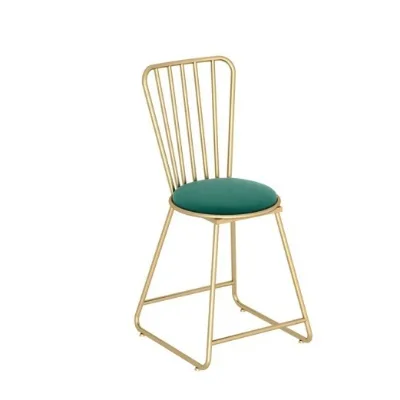
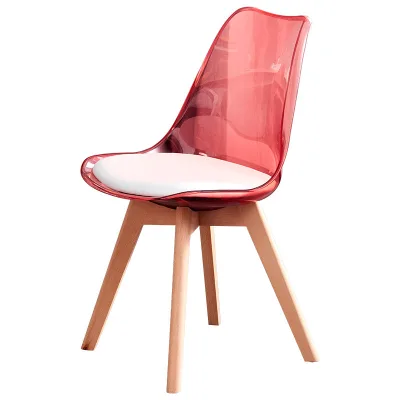


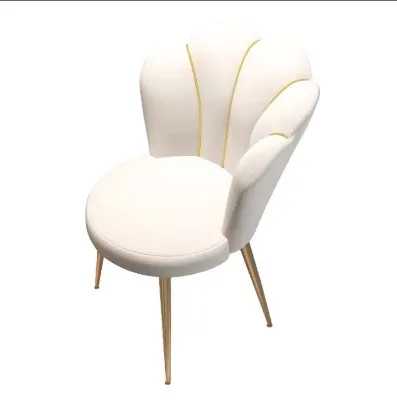
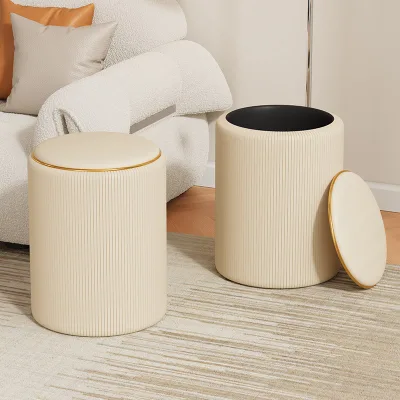
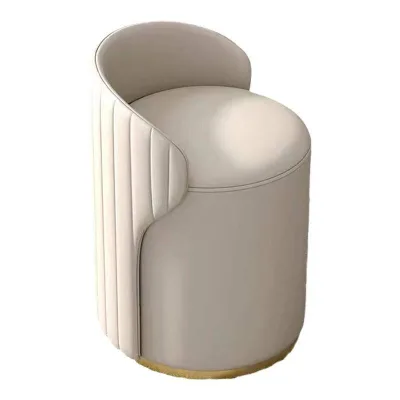
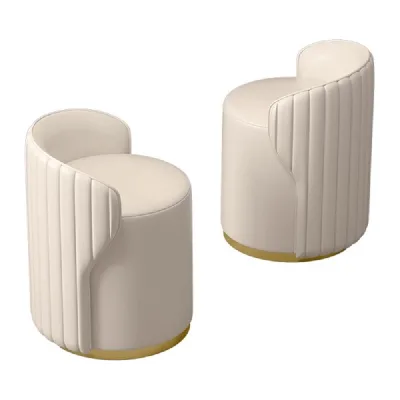


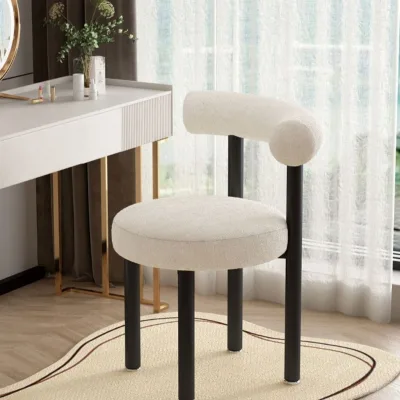
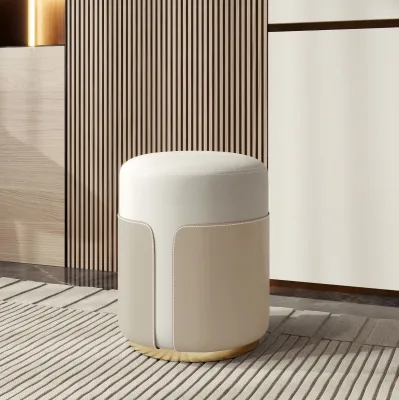

Comprehensive Sourcing Guide
Strategic Sourcing Guide for Makeup Stools in the B2B Market
Navigating the global supply chain for specialized furniture like makeup stools requires a disciplined approach that balances aesthetic requirements with rigorous technical verification. For procurement professionals, the Makeup Stool represents a niche yet critical segment of the vanity and hospitality furniture market. Unlike standard seating, these units often demand specific dimensions, material durability, and design flexibility to accommodate the unique ergonomics of grooming and the spatial constraints of hotels, salons, and residential vanity areas. This guide synthesizes available market data to provide a framework for evaluating suppliers, verifying product specifications, and managing the procurement lifecycle without relying on unverified claims or speculative market data.
Technical Specifications and Dimensional Variability
The primary technical differentiator for makeup stools lies in their dimensional consistency and structural configuration. Buyers must recognize that product attributes are often observed as specific instances rather than universal standards across a category. In the current market, observed specifications reveal a significant variance in volume and footprint, which directly impacts shipping logistics and floor space utilization.
Data indicates that volume measurements for these units can range from 0.06 cubic meters to 0.16 cubic meters. For instance, specific models such as SZD063 are recorded with a volume of 0.06, while others like SZD053 reach 0.16. These discrepancies are not merely cosmetic but reflect fundamental differences in frame construction and storage integration. The frame material is a critical technical variable; observations confirm the existence of both metal and wood frame constructions. Metal frames, often associated with a modern style and fixed rotary mechanisms, offer a distinct durability profile compared to wooden alternatives.
Furthermore, the physical configuration of the stool is a key specification. Many units are observed as "Undisassembly" products, meaning they are shipped in a single, rigid unit. This impacts the packaging strategy, which is frequently listed as "Carton" or a combination of "Foam, Carton" to prevent damage during transit. The shape of the stool also varies, with "Round" configurations appearing alongside other geometries. Buyers must verify the exact standard dimensions for each model, as observed standards include specific measurements such as L52W52H46, L59W59H47, and L57W38H38. These numbers are not generic; they represent the precise footprint of the product and must be cross-referenced with the intended installation environment.
Compliance, Certification, and Material Integrity
In the B2B sector, compliance is the bedrock of supplier evaluation. While the market is diverse, specific certification data provides a baseline for quality assurance. The CE certification is a documented attribute for a significant portion of the supply, indicating that the products meet European health, safety, and environmental protection standards. However, buyers should not assume that every listed product carries this certification without explicit verification on the purchase order or product datasheet.
Material composition is another area requiring strict adherence to observed facts. The market data highlights "Fabric" and "Plastic" as primary materials used in the construction of these stools. Fabric options are often paired with metal frames, creating a specific aesthetic profile, while plastic variants may offer different durability characteristics. The color palette is also a defined specification, with "Brown," "Green," and "Grey" being the most frequently observed hues. When sourcing, procurement teams must ensure that the color and material specifications match the visual identity of the client's brand or the interior design requirements of the target market.
It is crucial to treat material and certification claims as observations of specific SKUs rather than guarantees for the entire category. A supplier may offer a plastic stool with a CE mark, while a wooden counterpart might lack specific certification documentation. Therefore, the verification process must be item-specific, ensuring that the material composition and certification status align with the regulatory requirements of the destination market.
Cost Drivers and Pricing Dynamics
Understanding the cost structure of makeup stools is essential for budgeting and margin analysis. The observed price range in the market spans from 5 USD to 62.5 USD. This wide disparity is driven by several factors, including material costs, frame complexity, and customization levels. A stool with a metal frame and fabric upholstery will typically command a higher price point than a basic plastic unit. Additionally, the inclusion of specific features, such as a fixed rotary mechanism or a specific volume capacity, influences the final cost.
The Minimum Order Quantity (MOQ) is a significant cost driver in the procurement process. Data shows an MOQ range from 1 unit to 500 units, with specific instances of 100 PCS and even 10,000 units for certain models. High-volume orders, such as those requiring 10,000 units, often correlate with specific pricing tiers and may involve different lead times. Buyers must calculate the total landed cost, which includes the unit price, shipping, and any potential tariffs, rather than focusing solely on the ex-factory price. The packaging method, whether it is 1PC/CTN or 4PCS/CTN, also affects the volumetric weight and, consequently, the shipping costs.
Typical Applications and Usage Scenarios
The versatility of makeup stools allows them to serve multiple sectors, from hospitality to residential use. Observed usage data explicitly lists "Hotel" and "Home" as primary application areas. In a hotel setting, the stool must balance aesthetic appeal with durability to withstand high traffic and frequent cleaning. The "Modern" style observed in many models aligns well with contemporary hotel interior design trends.
For residential applications, the focus often shifts to space efficiency and aesthetic integration. The "Folded" attribute, observed as "Unfolded" in many listings, suggests that some models are designed for permanent placement, while others may offer folding capabilities to save space. The volume constraints, ranging from 0.06 to 0.16 cubic meters, are particularly relevant for home buyers who need to fit the stool into smaller vanity areas. The "Without Armrest" configuration is also a common observation, indicating a design choice that prioritizes ease of movement and access to the vanity surface.
Supplier Evaluation and Customization Capabilities
When evaluating potential suppliers, the ability to customize is a critical differentiator. The market data confirms that customization is "Available" for many products, with specific instances of "Customized" and "Non-Customized" options. This flexibility allows buyers to tailor the product to specific brand requirements, such as altering the color, material, or dimensions. The "OEM: Yes" attribute further supports the capability of suppliers to produce goods under the buyer's brand name.
However, buyers must exercise caution when assessing customization claims. The "Customized" attribute may apply to specific models like SZD056 or AR-C107, while other models might be strictly non-customized. The lead time for customized orders can vary significantly, with observed delivery times ranging from 15 days to 30 days. This variance underscores the need for clear communication regarding production timelines and the impact of customization on the supply chain.
Quality Control and Long-Term Procurement Considerations
Quality control in the Makeup Stool sector requires a focus on structural integrity and finish durability. The "Condition: New" attribute is a standard expectation, but buyers must verify the physical condition upon receipt, especially for items with complex frames or fabric upholstery. The "Undisassembly" nature of many units means that any damage incurred during manufacturing or shipping is difficult to repair, making pre-shipment inspections vital.
Long-term procurement considerations involve managing the relationship with suppliers to ensure consistent quality and supply stability. The "Delivery Time" of 15 to 30 days indicates a moderate lead time, which buyers must factor into their inventory planning. For high-volume orders, such as those with an MOQ of 10,000 units, the lead time may extend, requiring advanced planning. Additionally, the "Packing" specifications, such as "Carton" or "Foam, Carton," play a crucial role in protecting the product during transit. Buyers should request detailed packing diagrams to ensure that the packaging is robust enough to withstand international shipping conditions.
Comparative Analysis of Key Product Attributes
To facilitate decision-making, the following table summarizes the key observed attributes across different product models. This comparison highlights the diversity in specifications and helps buyers identify the most suitable options for their specific needs.
| Attribute | Observation Range / Specific Values | Relevance to Procurement |
|---|---|---|
| Material | Fabric, Plastic, Wood | Determines durability, maintenance, and aesthetic fit. |
| Frame | Metal, Wood | Influences structural strength and weight. |
| Volume | 0.06 to 0.16 Cubic Meters | Critical for shipping cost calculation and space planning. |
| Dimensions | L52W52H46 to L59W59H47 | Essential for fitting into specific vanity setups. |
| Certification | CE | Indicates compliance with safety standards in target markets. |
| Customization | Available, Customized, Non-Customized | Affects lead time and unit cost. |
| MOQ | 1 to 10,000 Units | Impacts initial investment and inventory risk. |
| Lead Time | 15 to 30 Days | Crucial for supply chain planning and stock management. |
| Packing | 1PC/CTN, 4PCS/CTN, Foam+Carton | Affects shipping volume and protection levels. |
| Style | Modern | Aligns with current interior design trends. |
| Color | Brown, Green, Grey | Must match client branding or interior design schemes. |
Conclusion
Sourcing makeup stools requires a meticulous approach that prioritizes verified data over general assumptions. By focusing on the specific technical specifications, certification requirements, and cost drivers observed in the market, procurement professionals can make informed decisions that align with their strategic goals. The diversity in materials, dimensions, and customization options offers significant flexibility, but it also demands rigorous supplier evaluation and quality control measures. As the market continues to evolve, maintaining a disciplined focus on evidence-based procurement practices will ensure the acquisition of high-quality products that meet the needs of hotels, homes, and commercial spaces alike.
FAQs
What certifications do makeup stools typically have?
Many makeup stools carry CE certification, indicating compliance with European safety standards. However, this is an observed attribute for specific models and not guaranteed for every unit. Buyers must verify the certification status on the product datasheet before ordering to ensure regulatory compliance in their target market.
How much do makeup stools cost per unit?
The observed price range for makeup stools spans from 5 to 62.5 USD. This variance depends on factors like material, frame type, and customization levels. Buyers should calculate total landed costs including shipping, as unit prices alone do not reflect the final procurement expense.
Can I customize the dimensions of a Makeup Stool?
Customization is available for many models, allowing adjustments to dimensions and materials. Specific models like SZD056 support customized options, while others may be non-customized. Lead times for customized orders typically range from 15 to 30 days, requiring advanced planning.
What is the minimum order quantity for these stools?
Minimum order quantities vary significantly, ranging from 1 unit to 500 units, with some models requiring 10,000 units. Specific instances show MOQs of 100 PCS for certain SKUs. Buyers must check the MOQ for the specific model to determine initial investment requirements.
Which materials are used for Makeup Stool frames?
Frames are constructed from either metal or wood, depending on the specific model. Metal frames are often paired with fabric and modern styles, while wood frames offer alternative durability profiles. The choice of frame material significantly impacts the structural strength and weight of the stool.
How long does delivery take for makeup stools?
Delivery times typically range from 15 to 30 days depending on the order specifics. Standard models may ship within 15 days, while customized or high-volume orders might take up to 30 days. This lead time must be factored into inventory planning and supply chain schedules.