Source Mannheim Process Fertilizer Machine for Agriculture, Organic, Compost
Find 30 listings for the Mannheim Process Fertilizer Making Machine designed for agriculture, organic fertilizer, and compost production. Buyers can compare specifications, capacities, and supplier details for potassium sulfate equipment.
Key considerations
Products List


Mannheimm Process Sop Potassium Sulfate Fertilizer Making Equipments
$60000.00 - $80000.00
MOQ: 1 Sets

20000tpy Potassium Sulfate Fertilizer Making Machine with Mannheim Furnace
$20000.00 - $500000.00
MOQ: 1 Sets


Mannheim Furnace Process Sulphate Machinery for Potassium Sulfate Fertilizer
$80000.00 - $880000.00
MOQ: 1 Sets
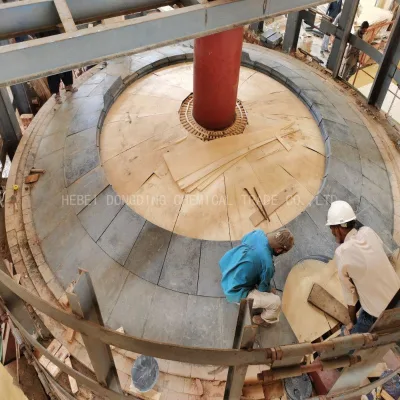
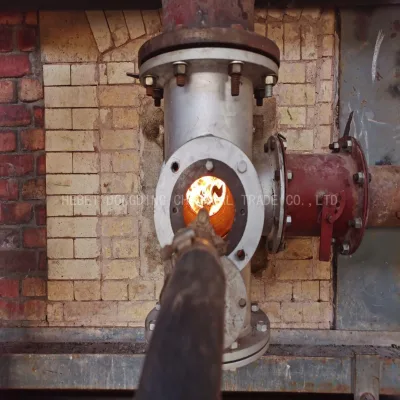


Lane Equipment for Making Potassium Sulfate Mannheim Process Sulphate Sop Fertilizer Plant
$19400.00 - $25400.00
MOQ: 1 Pieces


Ammonium sulfate irregular shape granules press fertilizer making machine
$11111.00 - $1111111.00
MOQ: 1 Pieces


Advanced Mannheim Process Machinery for Potassium Sulfate Fertilizer Production
$80000.00 - $1000000.00
MOQ: 1 Sets

Mannheim Process 10, 000 Tons Potassium Sulfate Fertilizer Equipment
$5000.00 - $300000.00
MOQ: 1 Sets

Advanced Fertilizer Production Line with Efficient Mannheim Furnace Technology
$43990.00 - $49990.00
MOQ: 1 Pieces

Advanced Mannheim Process Potassium Sulfate Production Equipment for Fertilizer
$5000.00 - $300000.00
MOQ: 1 Sets

Mannheim Process Potassium Sulphate Hydrocholoric Acid Production Equipment Line
$26000.00 - $30000.00
MOQ: 1 Pieces

Reliable Mannheim Process Machinery for Affordable K2so4 Fertilizer
$80000.00 - $880000.00
MOQ: 1 Sets

Advanced Efficient Mannheim Process Potassium Sulphate Fertilizer Production Line
$19000.00 - $20000.00
MOQ: 1 Sets

Fertilizer Production Machinery Chemical Fertilizer Granule Making Equipment
$20000.00 - $160000.00
MOQ: 1 Sets


Comprehensive Sourcing Guide
Strategic Sourcing Guide for Mannheim Process Fertilizer Making Machines
Understanding the Mannheim Process Technology
The Mannheim process represents a specialized chemical pathway for producing potassium sulfate (K2SO4) fertilizer, a high-value product widely used in agriculture for chloride-sensitive crops. Unlike standard granulation methods, this process relies on a specific furnace configuration where potassium chloride and sulfuric acid react to form potassium sulfate and hydrochloric acid gas. Sourcing equipment for this specific application requires a deep understanding of the thermal and chemical dynamics involved. The core machinery typically includes a Mannheim furnace, a reaction chamber, and a subsequent granulation system. In the context of modern procurement, the equipment is often categorized under "Fertilizer Granulator Machine" or "Potassium Sulfate Making Machine," with the specific process designation being the "Mannheim furnace process."
Buyers must recognize that the machinery is not a generic unit but a complex system designed for high-temperature reactions and gas handling. The process involves the conversion of raw materials into granules, which is a critical step for the final product's appearance and application. The observed market data indicates that these machines are designed to handle capacities ranging significantly, from 10,000 metric tons per year (MTPY) up to 500,000 MTPY. This wide range suggests that the equipment is highly scalable and often customized to fit the specific production goals of the buyer. The core components driving this process include the PLC (Programmable Logic Controller) and the engine or motor systems, which ensure precise control over the reaction conditions. The burning system, which provides the necessary thermal energy, is versatile and can be powered by natural gas, oil, or coal, depending on local fuel availability and cost structures.
Technical Specifications and Operational Parameters
When evaluating potential suppliers, the technical specifications of the Mannheim process equipment must be scrutinized against the buyer's production requirements. The voltage requirements for these machines vary, with some units designed for standard 220V operation while others offer customized voltage configurations to match local grid standards. This flexibility is crucial for international buyers who may face different electrical infrastructure challenges. The control system is another vital technical aspect, often incorporating a combination of MCC (Motor Control Center), PLC, and DCS (Distributed Control System) to manage the complex chemical reactions and safety protocols.
The physical characteristics of the machine are equally important. The equipment is generally heavy, with a single gross weight observed around 68,000 kg for certain configurations, although other data points suggest a weight of 20,000 kg for specific units. This variance highlights the need for buyers to verify the exact weight and dimensions of the unit they intend to purchase. The single package size can be substantial, with dimensions reaching 200x200x200 cm, necessitating careful logistics planning. The machinery is typically designed to produce fertilizer in a granular appearance, which is the standard form for agricultural application. The production capacity is a defining specification, with models available for annual outputs ranging from 10,000 to 500,000 tons. Buyers should ensure that the selected model number aligns precisely with their desired throughput, as the model number often dictates the scale of the furnace and the granulation system.
Compliance, Certification, and Safety Standards
Navigating the regulatory landscape is a critical component of sourcing industrial machinery. For the Mannheim Process Fertilizer Making Machine, compliance with international standards is a primary concern. The observed product attributes indicate that the equipment often carries ISO and CE certifications. The ISO certification typically relates to quality management systems, ensuring that the manufacturing process of the machine itself adheres to rigorous standards. The CE marking signifies that the product meets the health, safety, and environmental protection standards for products sold within the European Economic Area. While some background information mentions ISO9001:2000 or ISO9001:2008, buyers should verify the current validity of these standards, as they may have been superseded by newer versions.
Safety is paramount in the Mannheim process due to the high temperatures and the handling of corrosive chemicals like sulfuric acid. The machinery is designed with specific safety features, and the provision of a machinery test report is a standard expectation. This report serves as evidence that the equipment has undergone rigorous testing to ensure it operates safely and efficiently. Buyers should request these test reports before finalizing any purchase. Additionally, the standard for the product is often listed as "customized," which implies that the equipment may need to be tailored to meet specific local safety regulations or environmental standards. The packing of the machine is designed to be suitable for sea or road transport, ensuring that the equipment arrives in good condition. However, the standard for the product itself, in terms of the fertilizer output, is often linked to the capacity, ranging from 10,000 to 500,000 TPY, which must be verified against the buyer's regulatory requirements for fertilizer production.
Cost Drivers and Pricing Dynamics
The pricing of Mannheim process fertilizer making machines is influenced by a complex array of factors, making it difficult to provide a single fixed price. The observed price range in the market spans from $5,000 to over $1,100,000, reflecting the vast difference between small-scale units and large industrial complexes. The primary cost drivers include the production capacity, the level of automation, the quality of core components, and the customization required. A machine designed for 10,000 tons per year will naturally be less expensive than one capable of 500,000 tons per year. The choice of the burning system also impacts the cost; units designed for natural gas may have different pricing structures compared to those designed for coal or oil, depending on the complexity of the fuel handling systems.
The customization of the machine is another significant cost factor. Since the standard is often "customized," buyers should expect that the final price will be negotiated based on specific requirements such as voltage, control systems, and capacity. The brand name, such as OPCT, may also influence the price, as established brands often command a premium for their reputation and after-sales support. The warranty period, typically observed as one year, is a standard inclusion, but the cost of extended warranties or additional service packages should be factored into the total cost of ownership. The minimum order quantity (MOQ) is generally low, often allowing for the purchase of a single item, which provides flexibility for buyers who are starting a new project or expanding an existing facility.
Supplier Evaluation and Verification
Selecting the right supplier is as critical as selecting the right machine. The sourcing guide emphasizes the importance of verifying the supplier's capabilities and reputation. The product origin is consistently listed as China, with specific locations such as Hebei province mentioned. While this provides a geographical context, buyers should not rely solely on the country of origin but must evaluate the specific supplier's track record. The availability of after-sales service is a key differentiator. Suppliers offering field maintenance and repair services, along with online support, provide a higher level of security for the buyer. The warranty period is a standard metric, but the responsiveness of the supplier during the warranty period is equally important.
Buyers should also look for evidence of the supplier's ability to handle the customization required for the Mannheim process. The "Customization: Available" attribute suggests that the supplier has the engineering capacity to tailor the machine to specific needs. However, buyers must verify this claim by reviewing past projects and customer testimonials. The key selling points of the machine, such as "Long Service Life" and "Simple Operation, Low Failure," should be substantiated by the supplier with concrete data or case studies. The presence of a WhatsApp contact number, such as +86 15713185759, indicates a direct line of communication, but buyers should exercise caution and verify the legitimacy of the contact before sharing sensitive information. The supplier's ability to provide a machinery test report and adhere to the stated standards is a non-negotiable requirement for a successful procurement.
Quality Control and Long-Term Procurement Considerations
Ensuring the quality of the Mannheim Process Fertilizer Making Machine requires a robust quality control strategy. The provision of a machinery test report is a fundamental step, but buyers should also consider conducting third-party inspections before shipment. The core components, such as the PLC, engine, and motor, are critical to the machine's performance. Buyers should verify the specifications of these components to ensure they meet the required standards for durability and efficiency. The appearance of the final product, which should be granules, is a direct result of the machine's performance, and any deviation from this standard could indicate a quality issue.
Long-term procurement considerations extend beyond the initial purchase. The "After-sales Service Provided" attribute highlights the importance of ongoing support. Buyers should negotiate clear terms for maintenance, repair, and spare parts availability. The warranty period is typically one year, but the cost of extending this coverage or the availability of extended service contracts should be discussed. The "Key Selling Points" of the machine, such as its long service life, should be backed by the supplier's commitment to quality. The capacity of the machine, ranging from 10,000 to 500,000 MTPY, should be aligned with the buyer's long-term growth plans. The flexibility of the machine to adapt to different fuel sources, such as coal, gas, or oil, ensures that the buyer is not locked into a single energy source, providing resilience against market fluctuations.
Application Scope and Market Fit
The Mannheim Process Fertilizer Making Machine is primarily designed for the production of potassium sulfate fertilizer, a product with specific applications in agriculture. The "Applicable Industries" listed include Agriculture, Organic Fertilizer, and Compost Fertilizer, indicating the versatility of the equipment. The machine is used to make fertilizer that is suitable for a wide range of agricultural uses, particularly for crops that require potassium sulfate rather than other forms of potassium. The "Usage" attribute confirms that the machine is intended for making fertilizer, and the "Product" attribute specifies that the output is K2SO4 fertilizer.
The market fit for this equipment is broad, catering to both small-scale operations and large industrial complexes. The capacity range of 10,000 to 500,000 MTPY allows buyers to select a machine that matches their production volume. The "Advantage" of simple operation and low failure rate makes the machine attractive for buyers who want to minimize downtime and maintenance costs. The "Core Components" of PLC and Engine ensure that the machine is reliable and efficient. The "Process" of Mannheim furnace process is a proven method for producing high-quality potassium sulfate, and the equipment is designed to optimize this process. The "Burning System" of natural gas, oil, or coal provides flexibility in fuel selection, which is crucial for buyers in regions with varying fuel availability.
Comparative Analysis of Machine Capabilities
To assist buyers in making informed decisions, the following table compares key attributes of the Mannheim process fertilizer making machines based on the observed data. This comparison highlights the variability in specifications and helps buyers understand the range of options available in the market.
| Attribute | Standard Observation | Customization Option | Notes for Verification |
|---|---|---|---|
| Process Type | Mannheim furnace process | Available | Verify specific furnace design and reaction chamber size. |
| Capacity | 10,000 - 500,000 MTPY | Customized | Ensure model number matches desired annual output. |
| Voltage | 220V | Customized | Confirm compatibility with local power grid standards. |
| Control System | PLC, MCC, DCS | Available | Check for integration with existing plant control systems. |
| Burning System | Natural Gas, Oil, Coal | Customized | Assess fuel availability and cost in the buyer's region. |
| Certification | ISO, CE | Customized | Verify current validity of ISO and CE marks. |
| Warranty | 1 Year | Available | Negotiate terms for extended warranty or service packages. |
| After-Sales | Field maintenance, Online support | Available | Confirm response time and availability of spare parts. |
| Product Output | K2SO4 Fertilizer (Granules) | Standard | Verify granule size and quality specifications. |
| Origin | China (Hebei) | N/A | Assess logistics and shipping costs from the origin. |
This table serves as a reference for buyers to compare different offerings and identify the specific features that are most critical for their operation. By focusing on these key attributes, buyers can ensure that they select a machine that not only meets their immediate production needs but also aligns with their long-term strategic goals. The flexibility of the Mannheim process equipment, combined with the availability of customization and robust after-sales support, makes it a viable option for a wide range of agricultural and industrial applications.
FAQs
What is the production capacity range for this machine?
The machine supports annual capacities ranging from 10,000 to 500,000 metric tons per year. This wide range allows customization to fit specific production goals, with model numbers often reflecting the intended throughput scale.
Which certifications does the equipment typically hold?
The equipment typically holds ISO and CE certifications to ensure quality and safety standards. These certifications verify that the manufacturing process meets rigorous international requirements for industrial machinery used in fertilizer production.
Can the machine be customized for specific voltage requirements?
Yes, customization is available for voltage requirements, including options for 220V or other customized configurations. This flexibility ensures the machine can operate safely within the electrical infrastructure of different international locations.
What fuel sources can the burning system utilize?
The burning system can utilize natural gas, oil, or coal depending on local fuel availability. This versatility allows buyers to select the most cost-effective energy source for their specific operational environment without changing the core machinery.
How is the machinery packed for international shipping?
The machinery is packed using standard export packaging suitable for sea or road transport. The packing dimensions can reach 200x200x200 cm, ensuring the heavy equipment arrives safely at the destination while meeting customer requirements.
What after-sales services are provided with the machine?
Providers offer field maintenance, repair services, and online support for the equipment. A standard one-year warranty is included, ensuring buyers have access to technical assistance and troubleshooting throughout the initial operational period.