Source Manicure Nail Practice Hand for Training, Display, and Design
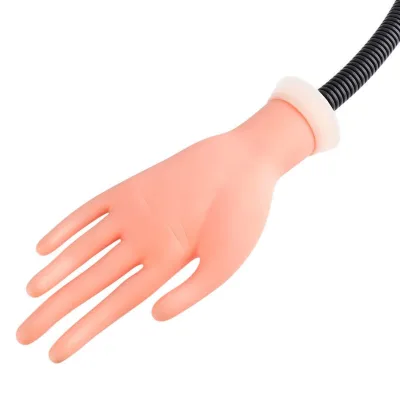
Compare 30 Manicure Nail Practice Hand options from verified Chinese suppliers. Buyers can evaluate materials like ABS plastic and silicone, check MOQs ranging from 3 to 100 pieces, and review specifications for training and display purposes; compare the available evidence and request quotations based on your requirements.
Key considerations
Products List
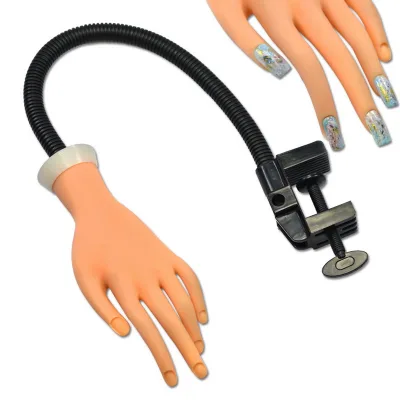
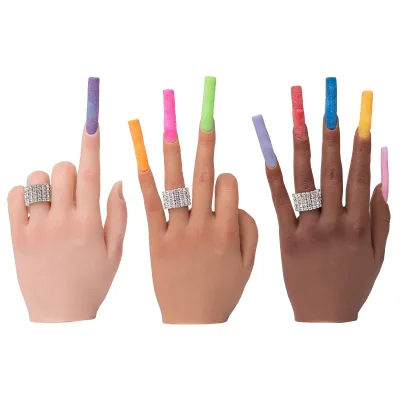
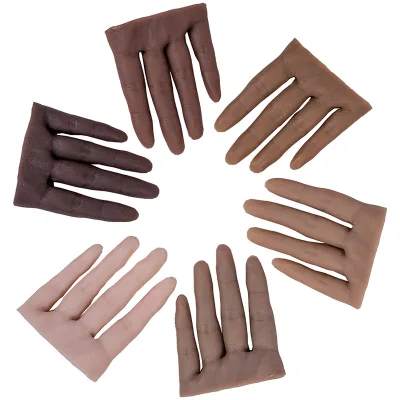
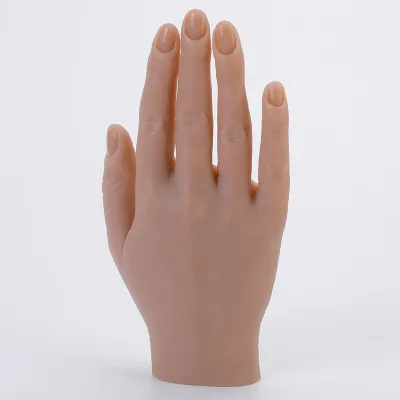
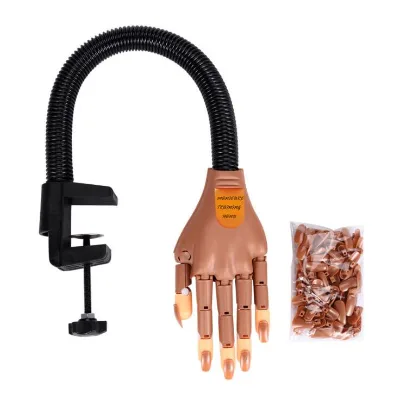
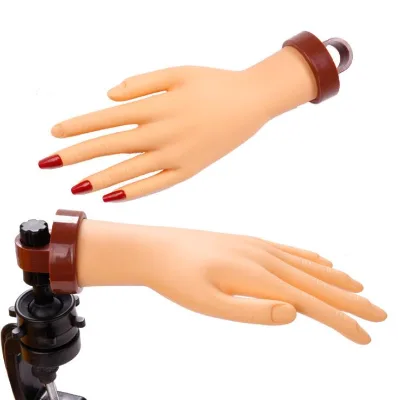


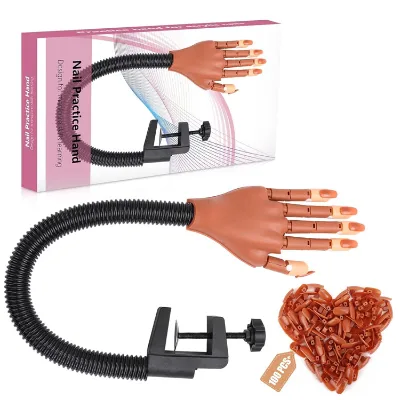
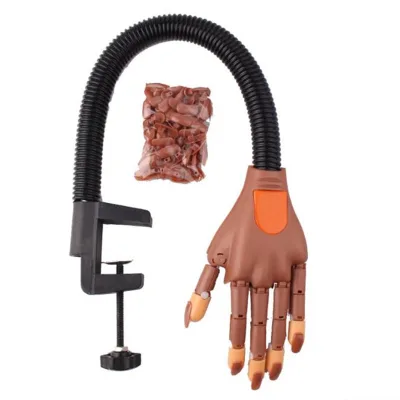
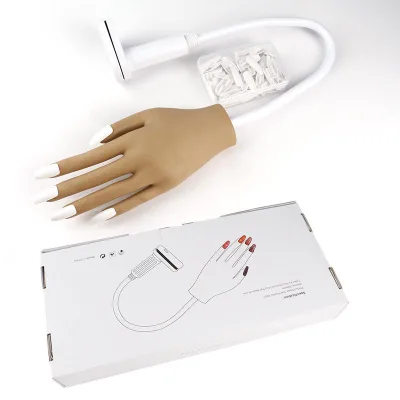
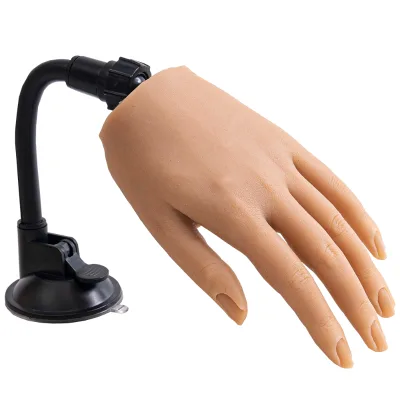
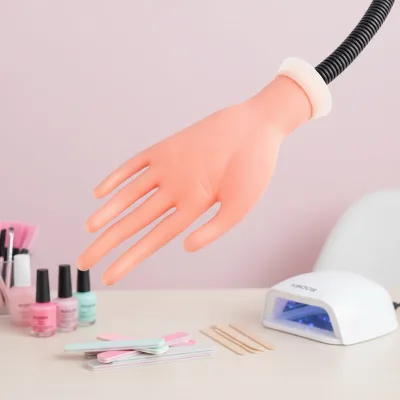
Manicure Training Hand with Support Silicone Finger Nails False Hand for Nails
$15.00 - $16.00
MOQ: 100 Pieces

Nail Art Practice Hand for Acrylic Nails Silicone Hand Painted Model Hand
$15.00 - $16.00
MOQ: 100 Pieces


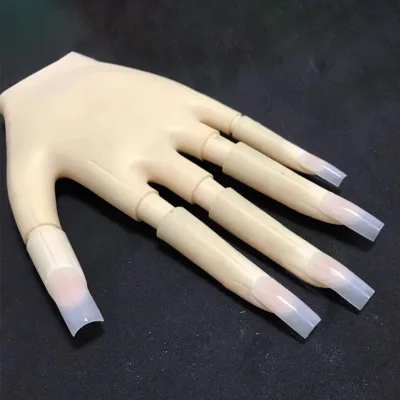

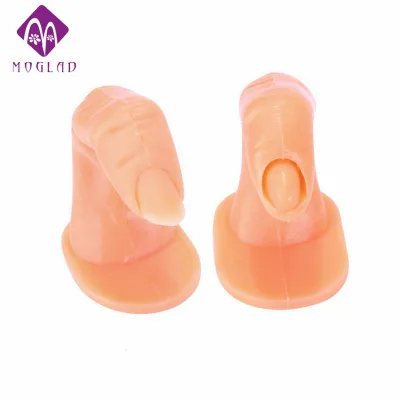
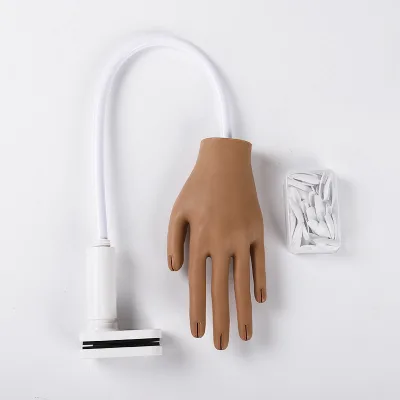
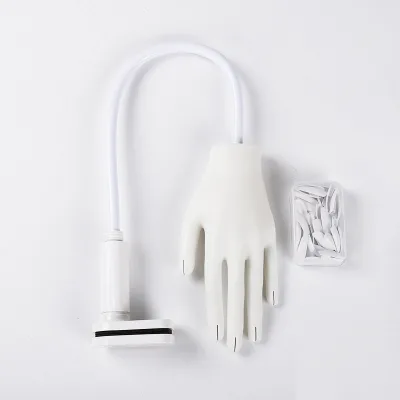
Manicure Nail Art Reusable Practice Finger Training Display Model Hand Fingers Tool
$0.07 - $0.20
MOQ: 100 Pieces
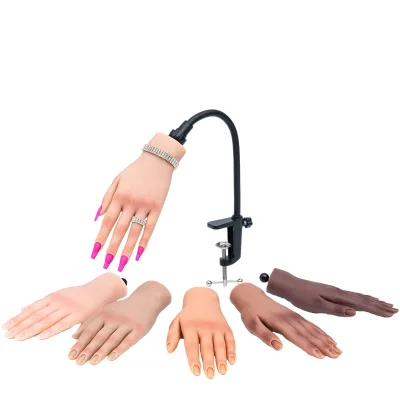


Comprehensive Sourcing Guide
Manicure Nail Practice Hand Sourcing Guide
The market for manicure nail practice hands reveals a diverse range of options tailored for both beginners and professional salon artists. Listings indicate that these tools are primarily designed for training and display purposes, with some models featuring replaceable trainer hands to extend their utility. Buyers should note that the observed product count suggests a competitive landscape where specific features like reusability and portability are common selling points.
Procurement decisions must account for the variation in materials observed, ranging from ABS plastic to liquid silicone and general silicone formulations. These material differences directly influence the tactile experience and durability of the practice hand. Sourcing strategies should prioritize suppliers who clearly distinguish between these material types, as the choice affects the realism of the training environment and the longevity of the tool for repeated use.
Product Scope and Observed Listing Signals
Buyers must carefully evaluate the specific model numbers and dimensions provided in listings to ensure they match their training requirements. The observed data includes models with dimensions such as 189 cm and 10.57.5 cm, alongside single package sizes that vary significantly. This variation implies that a single supplier may offer multiple SKUs, requiring precise verification of the physical footprint before placing an order to avoid logistical mismatches.
Commercial signals such as the availability of samples and optional custom packaging are critical indicators of supplier flexibility. Many listings confirm that samples are available, which allows buyers to physically inspect the quality of the silicone or plastic before committing to bulk orders. Additionally, the option for custom branding and packaging suggests that these products are suitable for businesses looking to white-label or create branded training kits for their students.
Technical Specifications to Verify
Verification of the model number and specific dimensions is essential to ensure the practice hand fits the intended workspace and training curriculum. Listings show distinct model identifiers like NH016, FLS-FNPH-011, and JJPH-10505, each associated with unique size specifications and gross weights. Buyers should cross-reference these technical details against their internal standards to confirm that the product's scale and weight are appropriate for the specific nail art techniques being taught.
Material composition and structural features require close scrutiny to determine suitability for long-term use. While some products are explicitly described as made of liquid silicone or ABS plastic, others simply list "silicone" or "color" without further detail. It is vital to confirm whether the hand is a single solid unit or features a replaceable component, as this impacts maintenance costs and the ability to simulate different nail conditions during practice sessions.
Compliance and Safety Documentation
Safety documentation for nail practice hands often focuses on material safety rather than electrical or mechanical hazards, given the passive nature of the tools. Buyers should request material safety data sheets or declarations of compliance to verify that the silicone or plastic used is non-toxic and safe for skin contact during extended training periods. Although specific certification names are not universally listed in the provided data, confirming the absence of harmful chemicals is a standard requirement for professional beauty tools.
Packaging and labeling compliance must be verified to ensure the product meets the destination market's regulatory standards. The observed listings mention unit packaging in boxes with optional custom branding, which implies that the supplier can adjust labeling to meet specific regional requirements. Procurement teams should explicitly confirm that the final packaging includes necessary safety warnings, material composition labels, and origin information as required by local import regulations.
Cost Drivers and Commercial Terms
The cost of these practice hands is influenced by the material type, with liquid silicone often commanding a different price point than standard ABS plastic or general silicone. The observed price range of 0.06 to 36.76 USD reflects this variability, driven by factors such as the complexity of the mold, the realism of the hand, and the inclusion of replaceable parts. Buyers should analyze the unit price relative to the material quality to determine the true value proposition of each listing.
Minimum Order Quantities (MOQ) and lead times are significant commercial terms that affect inventory planning and cash flow. The data shows MOQs ranging from 3 to 100 pieces, with some suppliers offering as low as 5 or 10 pieces, while others require 20. Additionally, the supply ability of 30,000 pieces per month indicates that most suppliers can handle bulk orders, but buyers must confirm specific lead times to ensure timely delivery for their training schedules.
Supplier Qualification and Quality Control
Supplier qualification should begin with verifying the place of origin and the consistency of their manufacturing output. The observed listings indicate production in Guangdong, Zhejiang, and Foshan, all of which are established manufacturing hubs for beauty tools. Buyers should assess whether the supplier has a consistent track record in these regions and can provide references or past performance data to validate their ability to maintain quality across large production runs.
Quality control processes must be explicitly defined to ensure that every unit meets the expected standards for texture and durability. Since the products are described as reusable and designed for training, the supplier must demonstrate rigorous testing for material integrity and structural stability. Buyers should request a quality control plan that includes inspection criteria for surface defects, color consistency, and the functionality of any replaceable components before shipment.
Long-Term Procurement Checks
Establishing a long-term relationship requires monitoring the supplier's ability to maintain consistent product specifications over time. As the market evolves, buyers should verify that the model numbers and material compositions remain stable to avoid disruptions in their training programs. Regular audits of the supplier's production lines can help ensure that the practice hands continue to meet the original design intent and performance expectations.
Supply chain resilience is another critical factor for long-term procurement success. Buyers should evaluate the supplier's port of dispatch options, such as Guangzhou, Shenzhen, or Hong Kong, to ensure flexibility in logistics and shipping routes. Additionally, confirming the availability of spare parts or replacement hands for models with replaceable features will help maintain the longevity of the training equipment and reduce the need for frequent reordering.
FAQs
What materials are used for nail practice hands?
Nail practice hands are typically made from ABS plastic or liquid silicone. ABS plastic offers durability for beginners, while liquid silicone provides a realistic skin feel for advanced training. Some models use standard silicone for cost-effective practice. The material choice impacts the realism of the training experience and the longevity of the hand during repeated use.
Can I customize the packaging for bulk orders?
Yes, custom packaging is optional for bulk orders. Standard unit packaging usually involves box packaging, with quantities like 20 pieces per master carton. Buyers can request specific branding or design elements on the outer cartons. This flexibility supports private labeling strategies for salon brands or distributors seeking unique market positioning.
What is the typical MOQ for these products?
The minimum order quantity varies by supplier, ranging from 3 to 100 pieces. Some vendors accept orders as low as 5 or 10 pieces for sampling or small batches. Higher volumes may unlock better pricing tiers. Buyers should verify the specific MOQ with the manufacturer before placing orders to ensure alignment with their inventory needs.
Are these practice hands reusable for training?
Yes, these practice hands are designed to be reusable. They allow for repeated filing, drilling, and polishing exercises without significant wear. This reusability makes them cost-effective for nail art beginners and salon artists. The durable construction ensures they maintain their shape and functionality over many training sessions, providing long-term value.
Where are these products manufactured?
These products are primarily manufactured in China, with origins in regions like Guangdong and Zhejiang. Specific cities include Foshan and Guangzhou. The manufacturing hubs offer established supply chains for plastic and silicone components. Buyers can often choose dispatch ports like Shenzhen or Hong Kong for efficient logistics and export handling.
What sizes are available for nail practice hands?
Available sizes vary by model, with common dimensions around 18x9 cm or 10.5x7.5 cm. Single package sizes may be approximately 20x20x4 cm or 13x9x4 cm. These dimensions are designed to fit standard workspaces and storage solutions. Buyers should check specific model numbers to ensure the size meets their training space requirements.