Source Manual Electric Sheet Press Brake for Steel Folding
Find 30 Manual Electric Sheet Press Brake units suitable for bending stainless steel, carbon steel, and aluminum. Buyers can compare specifications like bending force, max thickness, and automation levels to select the right machinery for metal folding applications.
Key considerations
Products List


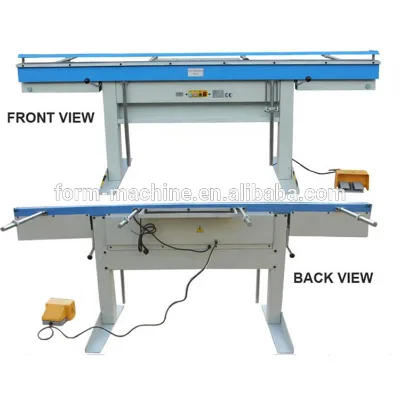


Industrial Electric Small Hydraulic Press Brake for Sheet Metal Bending
$100.00 - $1000.00
MOQ: 10 Pieces


Eco Friendly Electric Press Brake for Energy Efficient Metal Forming
$25000.00 - $33500.00
MOQ: 1 Pieces


Energy Saving Full Electric Press Brake for Eco Friendly Production
$10000.00 - $65000.00
MOQ: 1 Pieces


Comprehensive Sourcing Guide
Manual Electric Sheet Press Brake Sourcing Guide
Navigating the market for manual electric sheet press brakes requires a clear understanding of how automation levels intersect with specific bending requirements. While the term "electric" often implies full automation, the observed product landscape includes machines categorized as both automatic and manual, necessitating a precise definition of the desired operational workflow. Buyers must distinguish between fully automated systems that handle material feeding and positioning versus manual variants where the operator controls the bending cycle, often utilizing electric power for the hydraulic or mechanical actuation while retaining manual control over the workpiece. This distinction is critical because the "manual" designation in listings can refer to the control interface rather than the power source, and selecting the wrong configuration can lead to significant inefficiencies in high-volume production environments.
The procurement strategy for these machines must account for the diverse range of materials they are designed to process, as observed in the available listings. The data indicates that these press brakes are suitable for a wide array of metals, including stainless steel, carbon steel, alloy, aluminum, and copper, which dictates the necessary tonnage and tooling specifications. A buyer focusing on thin-gauge aluminum may require a different setup than one processing thick carbon steel plates, and the "manual" aspect of the machine often allows for greater flexibility in handling non-standard or custom-shaped pieces that automated feeders might struggle with. Understanding this material versatility is the first step in narrowing down the search to machines that can handle the specific alloy mixtures and thicknesses required for your production line.
Product Scope and Observed Listing Signals
When evaluating product listings, buyers should look for specific signals that define the machine's capability and condition, as the market presents a mix of new units with varying feature sets. The observed data confirms that available units are consistently listed as "New," ensuring that the machinery has not undergone prior industrial use, which is a primary concern for longevity and maintenance costs. Furthermore, the listings reveal a range of automation levels, with some products explicitly marked as "Automatic" while others are designated as "Manual," indicating that the term "manual electric" in a search query may yield results that are either fully automated or semi-automated depending on the specific model configuration.
The scope of these machines extends beyond simple bending to include specific applications in machinery, hardware, and textiles, as evidenced by the application tags found in the product data. This suggests that the press brakes are versatile enough to serve multiple industries, from fabricating metal components for machinery to producing hardware fittings or textile-related metal structures. Buyers should verify the "Type" field in listings, which often specifies whether the unit is a standard press brake, a fold-bending machine, or a cutting machine, as these functional differences directly impact the machine's utility for specific tasks. Additionally, the presence of customization options in the listings indicates that many suppliers are willing to tailor the power supply and other specifications to meet unique site requirements, a crucial factor for facilities with non-standard electrical infrastructure.
Technical Specifications to Verify
The most critical technical parameters to verify are the maximum bending capacity and the physical dimensions of the machine, as these determine whether the unit can handle your specific workpieces. The observed listings provide concrete examples of specifications, such as a maximum thickness of 2.0mm and a maximum width of 2540mm for certain models, while others offer a bending force of 600kN and a maximum bending length of 2050mm. Buyers must cross-reference these figures against their own production needs, ensuring that the machine's throat depth, column spacing, and slider stroke are sufficient for the largest and most complex parts they intend to fabricate. Ignoring these dimensional constraints can result in purchasing a machine that is physically incapable of processing the required sheet sizes.
Power supply and motor specifications are equally vital, as the observed data shows that power requirements can be customized to the buyer's request, yet specific models list substantial power ratings like 2*28kw for the main motor. It is essential to confirm the voltage and phase requirements of the machine to ensure compatibility with your facility's electrical grid, as mismatched power specifications can lead to operational failures or the need for expensive electrical upgrades. Additionally, the machine's weight and overall size, such as the observed dimensions of 268cm by 161cm by 256cm, must be evaluated against your factory floor space and lifting capabilities. These physical attributes dictate not only the installation process but also the long-term mobility and maintenance accessibility of the equipment.
Compliance and Safety Documentation
Safety and compliance documentation are non-negotiable elements of the procurement process, with the observed listings frequently citing CE and ISO 9001 certifications as standard for these machines. The presence of these certifications indicates that the manufacturer adheres to specific European safety standards and quality management systems, which is a strong indicator of the machine's reliability and adherence to international safety protocols. Buyers should request the full certification documents to verify that the specific model they are purchasing carries the valid CE mark and ISO 9001 status, as these documents are often required for customs clearance and regulatory compliance in many jurisdictions.
Beyond general certifications, specific safety features such as waterproof ratings and warranty terms provide additional layers of protection and assurance for the buyer. The data shows a range of waterproof ratings from IPX-1 to IPX-8, meaning that the level of protection against dust and water ingress varies significantly between models, and buyers must select a rating that matches the environmental conditions of their workshop. A higher IP rating is essential for facilities where cleaning with water or exposure to humidity is common, while a lower rating may suffice for dry, controlled environments. Furthermore, the warranty period, observed as either 1-year or 2-year in the listings, serves as a critical commercial safeguard, and buyers should ensure that the warranty covers both parts and labor to mitigate the risk of unexpected downtime.
Cost Drivers and Commercial Terms
The cost of a Manual Electric Sheet Press Brake is influenced by a complex interplay of factors, including the machine's tonnage, automation level, and the extent of customization required. While the observed price range spans from $100 to $99,999, this wide variance reflects the difference between small, manual units and large, high-tonnage industrial machines with advanced features. Buyers should not assume that a lower price point equates to a better value; instead, they must evaluate the total cost of ownership, which includes the initial purchase price, shipping costs, and the potential expenses associated with customizing the power supply or tooling to fit specific production needs.
Commercial terms such as Minimum Order Quantity (MOQ) and packaging requirements also play a significant role in the final cost and logistics of the procurement. The observed MOQ range of 1 to 10 units suggests that suppliers are flexible, allowing for the purchase of single units for pilot projects or small workshops, which is advantageous for buyers testing new equipment. However, the packaging method, ranging from nude packing on steel pallets to veneer cases and iron pallets, can significantly impact shipping costs and the risk of damage during transit. Buyers should negotiate packaging terms that ensure the machine arrives in pristine condition, as improper packaging can lead to costly repairs or delays in the installation process.
Supplier Qualification and Quality Control
Verifying the supplier's origin and production standards is a fundamental step in ensuring the quality and reliability of the press brake. The observed data indicates that many of these machines originate from Nantong, Jiangsu, China, a region known for its manufacturing capabilities, but buyers must go beyond the location to assess the supplier's specific quality control processes. The presence of ISO 9001 certification is a positive signal, but it should be accompanied by evidence of rigorous testing and quality assurance protocols that the supplier implements before shipping the machine. Buyers should request detailed quality control reports and, if possible, arrange for third-party inspections to verify that the machine meets the advertised specifications and performance standards.
The condition of the machine upon arrival is another critical aspect of supplier qualification, as the listings consistently describe the products as "New." However, the term "New" can sometimes be ambiguous, and buyers must ensure that the machine has not been refurbished or used in a way that compromises its structural integrity. Suppliers should provide clear documentation regarding the machine's condition, including any test results or performance data that confirm the machine is in factory-new condition. Additionally, the availability of customization services, as noted in the listings, indicates a supplier's willingness to adapt the machine to specific needs, which is a strong indicator of a responsive and capable partner.
Long-Term Procurement Checks
Establishing a long-term relationship with a supplier requires a focus on after-sales support and the availability of spare parts, which are essential for maintaining machine uptime. The observed warranty periods of 1 or 2 years provide a baseline for support, but buyers should inquire about the availability of technical support, training, and spare parts beyond the warranty period to ensure the machine remains operational for years to come. A supplier that offers comprehensive after-sales services, including remote troubleshooting and on-site maintenance, is more likely to provide a better long-term value than one that only offers a basic warranty.
Finally, buyers should consider the scalability and adaptability of the machine for future production needs, as the market for metal bending is constantly evolving. The observed customization options, such as adjustable power supplies and various packing methods, suggest that these machines can be adapted to changing requirements, but buyers should verify the ease of upgrading the machine with new tooling or software in the future. Ensuring that the machine can grow with your business is a key factor in making a sound long-term investment, and buyers should discuss potential upgrade paths with the supplier before finalizing the purchase. By focusing on these long-term checks, buyers can secure a reliable asset that will serve their production needs for years.
FAQs
What certifications do manual electric sheet press brakes typically have?
These machines commonly hold CE and ISO 9001 certifications to ensure safety and quality management standards. The listed products indicate a new condition and compliance with international manufacturing norms. Buyers should verify specific certification documents provided by the supplier to confirm regulatory adherence for their local market requirements.
Which materials can a Manual Electric Sheet Press Brake process?
These machines are suitable for processing stainless steel, carbon steel, alloy, aluminum, and copper. The versatility allows for various metal bending and folding applications in machinery and hardware sectors. Users must select appropriate tooling and adjust bending force settings based on the specific material thickness and type being worked.
Can I customize the power supply for these press brakes?
Yes, customization of the power supply is available to meet specific regional electrical standards. Manufacturers offer tailored solutions to accommodate different voltage and frequency requirements. This flexibility ensures the machine operates safely and efficiently in various global locations without requiring external electrical adapters or converters.
What is the typical warranty period for these machines?
The warranty period typically ranges from one to two years depending on the specific model and supplier terms. This coverage generally includes parts and labor for manufacturing defects. Buyers should review the warranty details carefully to understand what components are covered and the procedures for claiming service support during the warranty period.
How are these machines packaged for shipping?
Packaging methods include nude packing on steel pallets, veneer cases, iron pallets, and standard export packaging. The choice depends on the machine size and shipping requirements to ensure safe transit. Proper packaging protects the equipment from damage and moisture during long-distance transportation from the origin to the destination port.