Source Manual Electrostatic Coating Powerclean Module for Home, Factory, and Repair Shops
Find 30 Manual Electrostatic Coating Powerclean Module options for machinery repair shops, manufacturing plants, and home use. Buyers can compare specifications like voltage, powder output capacity, and coating technology across suppliers in China.
Key considerations
Products List

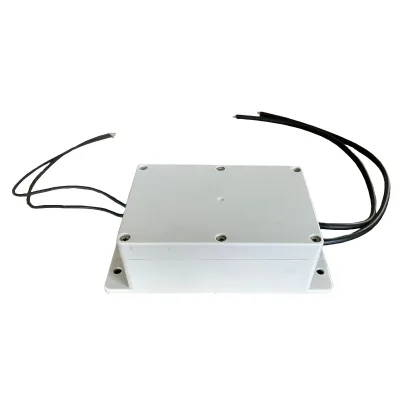
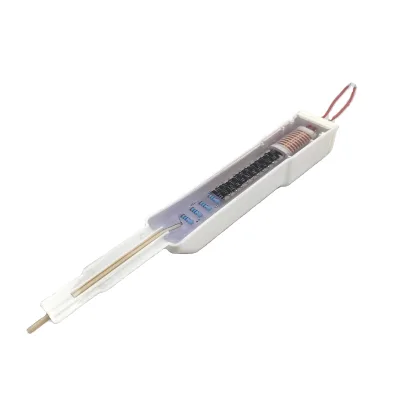
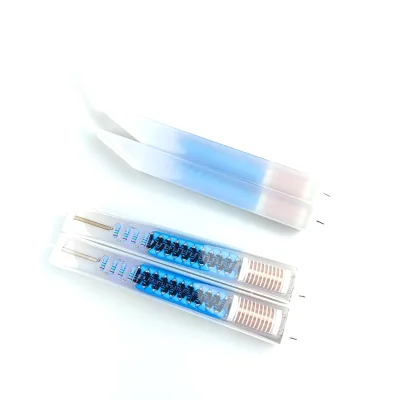
Durable Spray Coating Powerclean Module 1009 528 for Manual Powder Guns
$120.00 - $140.00
MOQ: 1 Pieces


Plasma Spray Power Module of Electric Car, Thermal Spray Equipment for Alumina Coating
$52780.00 - $55000.00
MOQ: 1 Sets





Comprehensive Sourcing Guide
Strategic Sourcing Guide for Manual Electrostatic Coating PowerClean Modules
The global demand for high-efficiency surface finishing solutions has elevated the importance of manual electrostatic coating systems, particularly those utilizing advanced modules like the PowerClean series. For procurement professionals and industrial buyers, navigating the market for a "Manual Electrostatic Coating Powerclean Module" requires a disciplined approach that balances technical performance, regulatory compliance, and supply chain reliability. This guide synthesizes observed market data and technical attributes to provide a robust framework for sourcing these critical industrial assets. The focus remains on evidence-based evaluation, ensuring that buyers make informed decisions without relying on unverified marketing claims or speculative data.
Technical Specifications and Operational Parameters
When evaluating a Manual Electrostatic Coating Powerclean Module, the primary objective is to verify that the hardware meets the specific operational demands of the intended production line. Based on observed product attributes, the core technology relies on manual electrostatic coating processes, which utilize high-voltage fields to attract powder particles to grounded substrates. The observed specifications indicate a diverse range of capabilities, suggesting that buyers must carefully match the module to their specific substrate and throughput requirements.
Key technical parameters to verify include input voltage, air pressure, and powder output capacity. Market observations show that units often support a broad voltage range, such as AC 110V to 240V or 100V to 240V, ensuring compatibility with various regional power grids. Frequency requirements typically align with standard industrial frequencies of 50-60 Hz. However, the input air pressure is a critical variable; observed data points to ranges such as 0-5 bar or 6-7 bar. Buyers must confirm that their compressed air supply systems can consistently maintain the specific pressure required by the selected module to ensure optimal atomization and transfer efficiency.
Powder output capacity is another decisive factor. Observed listings indicate capacities ranging from 360g/Min to 420g/Min. This variance directly impacts production speed and material utilization. A module with a higher output capacity may be suitable for large-scale manufacturing plants, while lower capacity units might be preferred for machinery repair shops or home applications where precision and lower throughput are prioritized. Additionally, the physical dimensions of the equipment vary significantly. Observed standard sizes include configurations like 18018050mm for compact units and larger industrial footprints such as 4806801110mm. Buyers should measure their available floor space and ensure the selected model fits within the designated workstation without compromising safety or workflow.
Compliance, Certification, and Regulatory Standards
In the B2B industrial sector, compliance is not merely a formality but a prerequisite for market access and operational safety. When sourcing a Manual Electrostatic Coating Powerclean Module, buyers must rigorously verify the certification status of the equipment. The observed market data confirms that many units carry the CE (Conformité Européenne) mark, indicating compliance with European health, safety, and environmental protection standards. Furthermore, some listings explicitly mention RoHS (Restriction of Hazardous Substances) and ISO certifications, which are critical for manufacturers operating in regulated environments or exporting to regions with strict environmental mandates.
It is essential to treat these certifications as observations rather than universal guarantees for every listed product. A buyer must request current, valid certification documents from the supplier before finalizing a purchase. The presence of a CE mark alone does not guarantee that the specific batch of equipment meets the latest safety directives; the documentation must be up-to-date and specific to the model number, such as the GEMA PowerClean module 1009 528 or the DH209/DH210 series.
Regarding standards, observed product attributes list specific physical dimensions as "prod_standard," such as 4806801110mm or 18018050mm. These should be interpreted as dimensional specifications rather than industry-wide safety standards. Buyers should verify if the equipment adheres to relevant international safety standards for electrical machinery and electrostatic applications, such as IEC standards, which are not explicitly listed in the provided data but are industry norms. The absence of a specific standard number in a listing should prompt a direct inquiry to the supplier regarding the safety protocols and testing procedures employed during manufacturing.
Cost Drivers and Economic Considerations
The pricing landscape for manual electrostatic coating powerclean modules is characterized by significant variance, with observed listed prices ranging from $30 to $55,000 USD. This wide spectrum reflects differences in build quality, technological sophistication, brand reputation, and included features. The lower end of the price range likely corresponds to basic units or components, while the higher end encompasses fully integrated systems with advanced features like PLC control, life-long service warranties, and specialized coatings.
Several factors drive these cost variations. First, the material composition plays a role; observed attributes mention substrates of both Aluminum and Steel, which may influence the cost of the gun housing and internal components. Second, the coating technology employed, specifically "Manual Electrostatic Coating," is a standard process, but the efficiency and durability of the coating materials, such as those designed for metal fences, can affect the price. Third, the complexity of the core components, such as the inclusion of a PLC (Programmable Logic Controller) or high-performance spraying guns, adds to the manufacturing cost.
Buyers should also consider the total cost of ownership (TCO). While the initial purchase price is a primary concern, the "Key Selling Points" of "Long Service Life" and "After-Sales Service" like "Life-Long Service" suggest that higher-priced units may offer better long-term value through reduced downtime and maintenance costs. The "Marketing Type" listed as "Ordinary Product" for some items indicates that not all listings are premium solutions; buyers must distinguish between standard off-the-shelf units and specialized, high-performance modules to avoid overpaying for features they do not need or underestimating the cost of a robust industrial solution.
Typical Applications and Substrate Compatibility
Understanding the intended application is crucial for selecting the right Manual Electrostatic Coating Powerclean Module. The observed "Applicable Industries" include Machinery Repair Shops, Manufacturing Plants, and Home use, indicating a versatility that spans from small-scale workshops to large industrial facilities. The specific "Coating Material" observed is listed as "Metal Fence," which suggests a strong suitability for outdoor infrastructure and architectural metalwork. However, the "Substrate" attributes also list both Aluminum and Steel, confirming that these modules are designed to handle a variety of metallic surfaces.
The "Coating Color" availability, described as "a Kinds of Colors" or specific shades like "Gray," implies that the system supports a wide range of aesthetic and functional finishes. The "Feature" attributes highlight critical performance characteristics such as "Wear Resistance," "Heat Resistance," "Oxidation Resistant," "Conductive and Resistance," and "Corrosion Resistant." These features are particularly relevant for applications where the coated items are exposed to harsh environmental conditions, such as outdoor fencing, automotive parts, or heavy machinery components.
For buyers in the "Machinery Repair Shops" sector, the "Convenient" advantage of manual operation is likely a primary driver, allowing for flexibility in handling irregular or custom-shaped parts. In contrast, "Manufacturing Plant" buyers may prioritize the "Powder Output Capacity" and the ability to maintain consistent coating thickness across high-volume runs. The "Video Outgoing-Inspection" provided by some suppliers is a valuable asset for remote buyers, allowing them to visually verify the condition and functionality of the equipment before shipment, which is particularly useful for complex machinery like electrostatic coating guns.
Supplier Evaluation and Verification Protocols
Selecting a reliable supplier is as important as selecting the right equipment. The observed "Place of Origin" and "Prod Origin" are consistently listed as "Shandong, China" or simply "China," indicating a concentration of manufacturing in this region. While this provides a pool of potential suppliers, it necessitates a rigorous vetting process to ensure quality and reliability. Buyers should verify the "Showroom Location," which includes countries like Turkey, the United States, France, Viet Nam, and Saudi Arabia. The presence of showrooms in these regions can be a positive indicator of a supplier's international reach and commitment to after-sales support.
When evaluating suppliers, buyers should look for evidence of "Video Outgoing-Inspection" services, which demonstrate transparency and confidence in their product quality. The "After-Sales Service" attribute, specifically "Life-Long Service," is a significant claim that requires verification. Buyers should request detailed service agreements, response time guarantees, and the availability of spare parts to ensure that the "Long Service Life" of the equipment can be realized.
The "prod_packing" methods observed include "Paper Box," "Standard Export Packaging," and "Wood Cases." The choice of packaging should align with the fragility of the equipment and the shipping distance. For international shipments, "Wood Cases" or "Standard Export Packaging" are typically preferred to protect the sensitive electronic components and mechanical parts of the electrostatic coating module from damage during transit. Buyers should confirm that the packaging meets international shipping standards to prevent delays or loss.
Quality Control and Procurement Best Practices
To mitigate risks associated with sourcing industrial equipment, a structured quality control (QC) process is essential. The "Condition" of the products is listed as "New," but this should be verified through the "Video Outgoing-Inspection" or by requesting third-party inspection reports. For critical components like the "Spraying Gun" and "PLC," buyers should request detailed specifications and test results to ensure they meet the required performance standards.
The "Input Voltage" and "Input Air Pressure" specifications must be cross-referenced with the buyer's facility capabilities. Mismatches in these parameters can lead to equipment failure or suboptimal performance. For instance, a unit requiring 6-7 bar air pressure will not function correctly in a facility with only 4 bar available. Similarly, the "Power" rating of 40W observed in some listings should be checked against the electrical capacity of the installation site to prevent overloading circuits.
Buyers should also consider the "Method Type," which is listed as "Automatic" in some contexts, even for manual modules. This may refer to automated control features within a manual system, such as automatic voltage regulation or powder flow control. Understanding the level of automation helps in training operators and integrating the system into existing workflows. The "Weight" of the equipment, observed at 650kg for some units, is a critical logistical factor that impacts installation requirements, floor loading capacity, and transportation logistics.
Long-Term Procurement and Lifecycle Management
Sourcing a Manual Electrostatic Coating Powerclean Module is an investment that extends beyond the initial purchase. The "Key Selling Points" of "Long Service Life" and "After-Sales Service" underscore the importance of lifecycle management. Buyers should plan for regular maintenance, including the cleaning of the "Powder Output" nozzles and the inspection of high-voltage components to ensure continued safety and efficiency.
The "Coating Technology" of "Manual Electrostatic Coating" requires skilled operators. Procurement strategies should include provisions for operator training and the availability of technical documentation. The "Feature" set, including "Wear Resistance" and "Corrosion Resistant," suggests that the equipment is built for durability, but the actual lifespan will depend on usage intensity and maintenance practices.
Finally, buyers should consider the scalability of their procurement strategy. As production needs grow, the ability to upgrade or expand the coating system becomes important. The "Standard" dimensions and "Model" numbers (e.g., BP-120, DH209) provide a framework for future compatibility. By maintaining a clear record of the specific models and specifications purchased, buyers can ensure that replacement parts and upgrades are readily available, minimizing downtime and maximizing the return on investment over the long term.
FAQs
What certifications do manual electrostatic coating powerclean modules have?
Many units carry CE, RoHS, and ISO certifications. Buyers must verify current documents for specific models like the GEMA PowerClean module 1009 528 before purchase to ensure compliance with regional safety directives.
Which voltage ranges are supported by these coating modules?
Units typically support input voltages ranging from AC 110V to 240V or 100V to 240V. This broad range ensures compatibility with various regional power grids, including 50-60 Hz frequencies.
How much powder can these modules output per minute?
Observed powder output capacities range from 360g/Min to 420g/Min. Higher capacity units suit large manufacturing plants, while lower capacities are better for machinery repair shops or home applications.
Can these modules handle aluminum and steel substrates?
Yes, the modules are designed to handle both aluminum and steel substrates. They are also suitable for coating materials like metal fences with features such as wear and corrosion resistance.
What are the standard dimensions for these equipment units?
Standard sizes vary, with observed configurations including 180*180*50mm for compact units and 480*680*1110mm for larger industrial footprints. Buyers should measure available floor space before selecting a model.
Where are the manufacturers of these modules located?
The place of origin is consistently listed as Shandong, China. Some suppliers maintain showroom locations in Turkey, the United States, France, Viet Nam, and Saudi Arabia to support international buyers.