Source Manual Mini Vegetable Chopper for Salads, Sauces, and Meal Prep
Find and compare 30 Manual Mini Vegetable Chopper options from verified Chinese manufacturers. Evaluate features like blade count, housing material, and customization availability to select the right tool for your kitchen appliance needs.
Key considerations
Products List


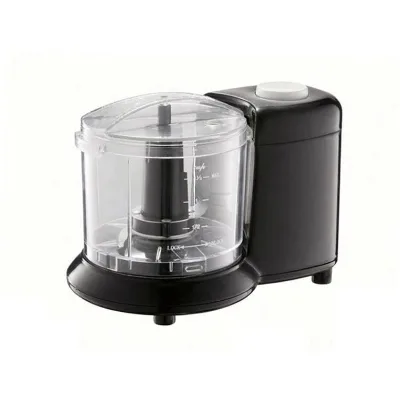
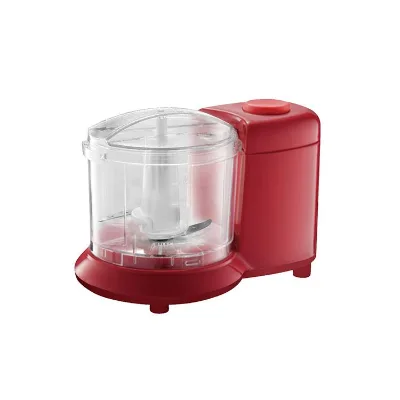
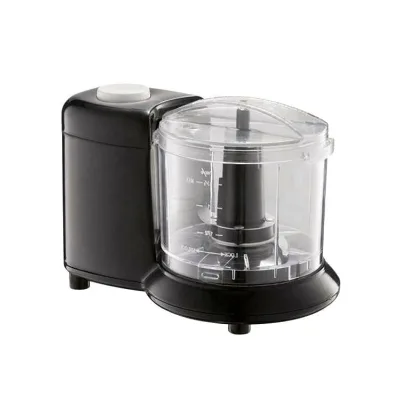
Competitive Price 2 Speeds Setting Traditional Electric Mini Food Chopper
$4.65 - $4.95
MOQ: 2000 pieces

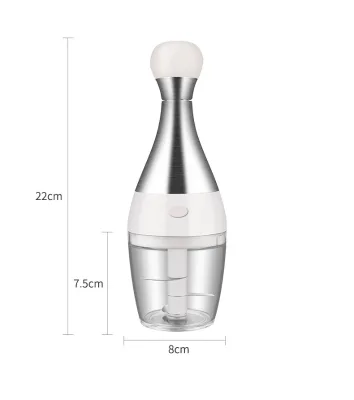

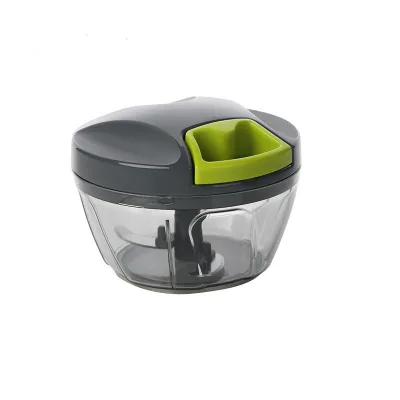






Comprehensive Sourcing Guide
Manual Mini Vegetable Chopper Sourcing Guide
Sourcing manual mini vegetable choppers requires a careful balance between ergonomic design, material durability, and cost efficiency. These compact kitchen tools are designed to simplify food preparation by reducing the time and effort needed to chop, slice, or dice vegetables and fruits. For B2B buyers, the primary challenge lies in identifying suppliers who can deliver consistent quality while adhering to strict safety and material standards. The market offers a wide variety of options, ranging from simple handheld devices to more complex multi-blade units, each with distinct operational characteristics and target use cases.
This guide provides a structured approach to evaluating potential suppliers and products. It focuses on verifying technical specifications, ensuring compliance with international safety standards, and understanding the commercial terms that impact total landed cost. By following the steps outlined below, procurement teams can mitigate risks associated with product failure, regulatory non-compliance, and supply chain disruptions. The goal is to equip buyers with the knowledge to make informed decisions that align with their brand’s quality expectations and market positioning.
Product Scope and Observed Listing Signals
The current market landscape for manual mini vegetable choppers includes a diverse range of models, each tailored to specific consumer needs. Observed listings indicate a price range of $0.49 to $1000 USD, reflecting significant variation in complexity, material quality, and included features. This wide spectrum suggests that buyers must clearly define their target segment, whether it is budget-friendly single-use tools or premium multi-functional devices. The presence of both basic and advanced models highlights the importance of aligning product selection with the intended retail channel and customer demographics.
Key attributes observed in the market include customizable options, various housing materials, and specific blade configurations. For instance, some models feature plastic housings with stainless steel blades, while others may incorporate additional materials like ABS or TPR for enhanced grip and durability. Customization is widely available, allowing buyers to tailor products to their brand identity through color, packaging, and minor design adjustments. Understanding these variations is crucial for selecting a product that meets both functional requirements and aesthetic preferences.
Technical Specifications to Verify
When evaluating technical specifications, buyers should prioritize the operational mode and power requirements of the chopper. Most manual mini vegetable choppers operate without electricity, relying on user force to activate the blades. However, some models may feature DC motors with voltage inputs such as 3.7V, 7.4V, or 5V USB charging, blurring the line between manual and electric tools. It is essential to verify the exact operation mode to ensure the product aligns with the intended use case. For purely manual devices, the focus should be on ergonomic design and blade sharpness, while motorized options require attention to battery life and charging safety.
Blade configuration and material are critical factors influencing performance and longevity. Stainless steel blades are commonly used due to their corrosion resistance and sharpness retention. Buyers should verify the number of blades, with some models featuring four blades for efficient chopping. Additionally, the housing material, often plastic or a combination of ABS and stainless steel, should be assessed for durability and ease of cleaning. Specifications such as capacity, weight, and dimensions also play a role in user experience, with typical capacities around 350ml and weights near 190g being common in compact designs.
Compliance and Safety Documentation
Compliance with international safety and material standards is non-negotiable for kitchen appliances. Buyers must ensure that suppliers provide valid certifications such as CE, EMC, RoHS, LFGB, CB, and ETL. These certifications indicate that the product meets specific safety, electromagnetic compatibility, and material health requirements. LFGB, in particular, is crucial for food-contact materials, ensuring that the plastics and metals used do not leach harmful substances into food. Verifying these documents is a primary step in mitigating legal and reputational risks in target markets.
In addition to certifications, buyers should request detailed material safety data sheets and test reports. These documents provide evidence that the product components, including blades and housings, are free from hazardous substances like lead, phthalates, and BPA. For products marketed as eco-friendly, buyers should verify the sustainability claims through third-party audits or material certifications. Ensuring that all documentation is up-to-date and applicable to the destination country is essential for smooth customs clearance and market entry.
Cost Drivers and Commercial Terms
Understanding the cost drivers and commercial terms is vital for accurate budgeting and profit margin calculation. The observed price range of $0.49 to $1000 USD suggests that factors such as material quality, customization level, and order volume significantly impact pricing. Buyers should request detailed quotations that break down costs for materials, labor, tooling, and packaging. Customization options, such as branded packaging or unique color schemes, may incur additional setup fees, which should be factored into the total cost.
Commercial terms, including minimum order quantities (MOQ) and lead times, also influence procurement strategy. MOQs can range from 1 to 3000 units, allowing flexibility for small businesses and large enterprises alike. Lead times, typically around 40 days after receiving the deposit, should be planned for in advance to avoid stockouts. Buyers should negotiate clear payment terms and delivery schedules to ensure alignment with their sales cycles. Understanding these terms helps in managing cash flow and inventory levels effectively.
Supplier Qualification and Quality Control
Supplier qualification is a critical step in ensuring consistent product quality and reliable supply. Buyers should conduct thorough due diligence on potential suppliers, verifying their business licenses, production capabilities, and quality management systems. Suppliers located in regions like Zhejiang and Guangdong, China, are known for their manufacturing expertise in kitchen appliances. However, geographic location alone is not a guarantee of quality, so on-site audits or third-party inspections are recommended to assess production standards and working conditions.
Quality control measures should be established before production begins. This includes defining clear quality standards, conducting pre-production samples, and implementing in-process inspections. Buyers should specify acceptable defect rates and request regular quality reports from the supplier. For products with customizable features, ensuring that the final output matches the approved samples is crucial. Establishing a robust quality control process helps in maintaining brand reputation and reducing the risk of product recalls.
Long-Term Procurement Checks
Long-term procurement success depends on continuous monitoring and relationship management with suppliers. Buyers should establish regular communication channels to discuss performance, address issues, and explore new product opportunities. Regular audits and performance reviews help in identifying areas for improvement and ensuring that suppliers adhere to agreed-upon standards. Building a strong partnership with suppliers can lead to better pricing, priority production, and access to innovative designs.
Additionally, buyers should stay informed about market trends and regulatory changes that may impact product requirements. This includes monitoring updates to safety standards, material restrictions, and consumer preferences. By proactively adapting to these changes, buyers can maintain a competitive edge and ensure that their product offerings remain relevant and compliant. Long-term procurement checks also involve evaluating the supplier’s ability to scale production and manage supply chain disruptions, ensuring business continuity in the face of unforeseen challenges.
FAQs
What is the typical voltage for these manual mini vegetable choppers?
The typical voltage is DC 3.7V or 7.4V, with some models supporting 5V USB charging. This power specification allows for versatile operation in various kitchen environments without requiring a direct wall outlet connection for all units.
Can I request custom colors for the vegetable chopper housing?
Yes, custom colors are available for the housing material, which is typically plastic or ABS. Buyers can specify their preferred color to match branding or aesthetic requirements, as customization is explicitly offered for this product category.
What is the standard delivery time after receiving the deposit?
The standard delivery time is 40 days after receiving the deposit. This lead time applies to the manufacturing and shipping process for orders placed with suppliers offering these specific kitchen appliance models.
Which certifications are commonly available for these kitchen appliances?
Common certifications include CE, EMC, RoHS, LFGB, CB, and ETL. These documents verify that the products meet specific safety and environmental standards required for international markets and regulatory compliance in various regions.
What is the capacity of the Manual Mini Vegetable Chopper?
The capacity is typically 350ml for the standard models available. This volume is suitable for preparing small to medium portions of vegetables or fruits for individual servings or small family meals in a kitchen setting.
How many blades are included in the standard vegetable chopper unit?
The standard unit includes four blades for efficient chopping. This configuration ensures effective processing of various vegetables and fruits, providing a consistent cut size for culinary preparation tasks in the kitchen.
What is the minimum order quantity for these choppers?
The minimum order quantity ranges from 1 to 3000 units depending on the supplier. Buyers can negotiate specific MOQs based on their purchasing volume and the customization requirements for the plastic housing or packaging.
Where are these manual mini vegetable choppers manufactured?
These products are manufactured in China, specifically in regions like Zhejiang and Guangdong. The origin location indicates the supply chain base for these kitchen appliance tools and vegetable choppers available for B2B sourcing.