Source Marine Fittings for Yachts, Boats, and Oil Systems
Compare 30 Marine Fittings including brass drain plugs, stainless steel deck hardware, and flexible couplings. Buyers can review specifications, materials, and customization options for yacht, boat, and industrial applications.
Key considerations
Products List


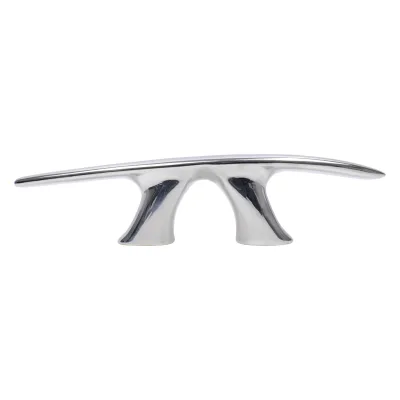
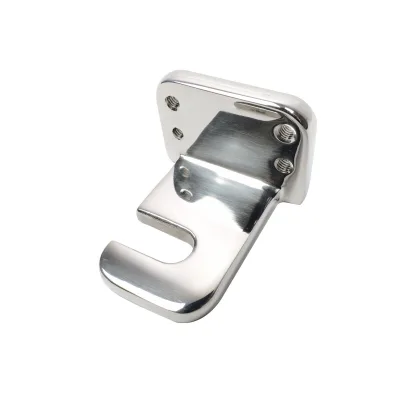
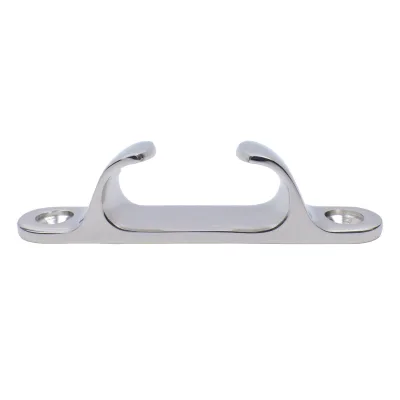


Comprehensive Sourcing Guide
Strategic Sourcing Guide for Marine Fittings
Understanding Product Variability and Core Specifications
When sourcing Marine Fittings, buyers must first recognize that the term encompasses a diverse array of hardware components designed for specific vessel environments. The market does not offer a monolithic product; rather, it presents a spectrum of materials, surface treatments, and structural designs. Based on current market observations, the material composition is a primary differentiator. Buyers will encounter products manufactured from copper, steel, and stainless steel. Each material serves distinct functional requirements regarding corrosion resistance, structural strength, and compatibility with other vessel systems. For instance, copper is often utilized for its antimicrobial properties and specific galvanic characteristics, while stainless steel is frequently selected for high-strength applications requiring superior resistance to saltwater corrosion.
Surface treatment is equally critical in defining the longevity of marine hardware. The observed market data indicates a range of finishes, including galvanized, polished, and high mirror polished treatments. Galvanization provides a robust sacrificial layer against corrosion, making it suitable for harsh marine environments. Conversely, polished and high mirror polished finishes are often aesthetic choices that also offer a degree of protection, though they may require more rigorous maintenance schedules. The choice between a black or silver finish is not merely cosmetic; it often correlates with the underlying material and the intended application environment, such as the difference between a yacht's interior hardware and the exposed deck fittings of a commercial vessel.
Structural specifications further dictate the suitability of a fitting for a specific use case. Buyers should verify the connection type, noting that options range from press connections to more traditional mechanical fastening methods. The structural design can vary from rigid to flexible configurations, with specific designs like "Jaw / Spider" structures available for specialized load-bearing applications. Furthermore, the standardization of these components is a key consideration. While some products adhere to established international standards such as ISO, ANSI, DIN, GB, and ASTM, others are classified as nonstandard or custom-made. This distinction is vital for procurement teams, as nonstandard items often require custom tooling and longer lead times but offer tailored solutions for unique vessel designs.
Compliance, Certification, and Regulatory Alignment
Navigating the regulatory landscape for Marine Fittings requires a rigorous verification of certifications and standards. In the maritime industry, compliance is not optional; it is a prerequisite for safety and insurance validity. Buyers must scrutinize the certification status of potential suppliers. Observed market data highlights certifications such as CE, ISO9001, and SGS, which indicate a supplier's adherence to quality management systems and specific product safety standards. However, the presence of a certification label on a product listing does not guarantee that every unit in a batch meets the same criteria. Buyers must request valid, up-to-date certificates that are specific to the product model being purchased.
The standardization of Marine Fittings is complex. While some products explicitly state compliance with standards like ISO 9001 or specific marine hardware standards, others may be labeled as "Customized" or "Nonstandard." In cases where a product is nonstandard, the buyer assumes greater responsibility for verifying that the design meets the vessel's classification society requirements. It is essential to distinguish between general quality certifications and specific marine performance standards. For example, while a product may carry a CE mark, it must also be evaluated against the specific environmental conditions of the intended vessel, such as the pressure, temperature, and chemical exposure it will face.
Patent status is another layer of compliance that buyers should investigate. Some products in the market are noted as having a "Patent for Utility Model," which can indicate a unique design or a proprietary manufacturing process. While this can be a marker of innovation, it also implies that the buyer must ensure they are not infringing on intellectual property rights when sourcing or modifying the component. Additionally, the origin of the product plays a role in regulatory alignment. Products originating from regions like Shandong, Zhejiang, or generally "Made in China" are common, but the specific manufacturing location can influence the consistency of quality control and the ease of verifying compliance with international standards.
Cost Drivers and Pricing Dynamics
The pricing of Marine Fittings is influenced by a complex interplay of material costs, manufacturing processes, and order volume. The observed price range in the market is vast, spanning from $0.10 to $50,000 USD. This extreme variance reflects the difference between small, off-the-shelf components and large, custom-engineered systems. For instance, a simple stainless steel fitting with a polished finish may fall at the lower end of the spectrum, while a complex, custom-made assembly with high-grade materials and specialized surface treatments will command a significantly higher price.
Material composition is a primary driver of cost. Stainless steel and copper generally command higher prices than standard carbon steel due to their superior corrosion resistance and durability. The surface treatment process also adds to the cost; high mirror polishing requires more labor and time than standard galvanization. Furthermore, the level of customization significantly impacts pricing. Products labeled as "Customized" or those with specific OEM requirements often involve additional engineering, tooling, and setup costs that are passed on to the buyer.
Order volume, defined by the Minimum Order Quantity (MOQ), is another critical factor. The market data shows an MOQ range from 1 piece to 500 pieces. Suppliers with a low MOQ of 1 piece or 2 pieces may charge a premium per unit to cover the fixed costs of production setup and handling. Conversely, larger orders often benefit from economies of scale, reducing the unit cost. However, buyers must balance cost savings with inventory management. Ordering large quantities of specialized fittings can lead to excess inventory if the vessel's design changes or if the fittings are not immediately needed.
Packaging and logistics also contribute to the final cost. The observed packaging methods include carton boxes, wooden pallets, wooden frames, and specialized cartons with protective materials (PA). For heavy or fragile items, wooden frame packaging is often necessary to prevent damage during transit, which adds to the shipping cost. Additionally, freight terms vary; some suppliers offer "Contact The Supplier About Freight" options, indicating that shipping costs are variable and dependent on the destination, weight, and volume of the shipment. Buyers should request detailed Incoterms to understand the full landed cost, including duties and insurance.
Typical Applications and Operational Context
Marine Fittings are deployed across a wide range of applications, from recreational yachts to commercial vessels and industrial maritime infrastructure. The specific application dictates the required specifications. For yachts and boats, the focus is often on aesthetics combined with durability. Products with a black or silver finish, polished surfaces, and compact designs are common in these applications. The "Deck Fittings and Hardware" category is particularly relevant here, where components must withstand constant exposure to saltwater, UV radiation, and physical stress from crew and passengers.
In industrial and commercial settings, the requirements shift towards robustness and reliability. Fittings used in oil, chemical, water supply, and mining operations must meet stringent performance criteria. These applications often involve flexible connections or rigid structures designed to handle high pressures and corrosive fluids. The "Jaw / Spider" structure and press connection types are examples of designs suited for these demanding environments. The material choice here is critical; stainless steel and specialized alloys are preferred to prevent failure in harsh chemical environments.
The origin of the product can also influence its suitability for specific applications. Products from regions like Shandong and Zhejiang in China are known for their manufacturing capabilities in marine hardware. However, buyers must ensure that the specific product model, such as the "boat brass drain plug" or "HY" series, aligns with the operational demands of their vessel. The weight of the component, ranging from 0.13kg to 1kg for smaller items, is a factor in installation and balance, particularly for deck fittings where weight distribution is crucial.
Supplier Evaluation and Verification Protocols
Evaluating a supplier for Marine Fittings requires a multi-faceted approach that goes beyond price comparison. Buyers should verify the supplier's ability to meet the specific technical and compliance requirements of the project. The presence of OEM support and customization capabilities is a strong indicator of a supplier's flexibility and technical competence. Suppliers that offer logo lasering and custom packaging demonstrate a commitment to branding and logistics, which can be beneficial for large-scale procurement.
The warranty period is another key metric for supplier evaluation. A standard warranty of 1 year is observed in the market, but buyers should negotiate terms that reflect the expected lifespan of the product and the criticality of the application. A supplier willing to offer extended warranties or specific performance guarantees is likely more confident in the quality of their manufacturing process. Additionally, the supplier's location and logistics capabilities should be assessed. Suppliers based in China, particularly in Shandong and Zhejiang, have established supply chains, but buyers must verify their ability to handle international freight and provide timely delivery.
Quality control processes are essential to ensure that the supplied fittings meet the required standards. Buyers should request detailed quality control reports, including material test certificates and inspection records. The presence of certifications like CE, ISO9001, and SGS is a positive sign, but these should be verified against the specific product batch. Suppliers that are transparent about their quality control procedures and willing to undergo third-party inspections are preferable.
Quality Control and Long-Term Procurement Considerations
Ensuring the quality of Marine Fittings is an ongoing process that begins before the order is placed and continues through installation and maintenance. Buyers should implement a robust quality control plan that includes pre-shipment inspections, material verification, and performance testing. The variability in product attributes, such as the difference between galvanized and polished finishes, necessitates clear specifications in the purchase order to avoid receiving substandard goods.
Long-term procurement considerations involve building a sustainable relationship with suppliers who can provide consistent quality and support. This includes evaluating the supplier's ability to handle repeat orders, manage inventory, and provide technical support for installation and maintenance. The availability of spare parts and the ease of replacement are crucial for minimizing downtime in maritime operations. Buyers should also consider the environmental impact of the materials and packaging used, as sustainability is becoming an increasingly important factor in the maritime industry.
In conclusion, sourcing Marine Fittings requires a careful balance of technical knowledge, regulatory compliance, and strategic supplier management. By understanding the diverse range of materials, surface treatments, and standards available, buyers can make informed decisions that ensure the safety, reliability, and longevity of their marine assets. The vast price range and MOQ flexibility offer opportunities for cost optimization, but these must be weighed against the critical need for quality and compliance in the demanding marine environment.
FAQs
What materials are commonly used for Marine Fittings?
Marine Fittings are commonly manufactured from copper, steel, and stainless steel. Each material offers distinct properties, with stainless steel providing superior corrosion resistance for saltwater environments and copper offering antimicrobial characteristics.
Which surface treatments are available for these fittings?
Available surface treatments include galvanized, polished, and high mirror polished finishes. Galvanization provides a sacrificial layer against corrosion, while polished finishes offer aesthetic appeal and varying degrees of protection requiring specific maintenance.
Can I request custom designs for marine hardware?
Yes, customization is available for many Marine Fittings, including custom dimensions and logos. Buyers should note that nonstandard or customized items often require specific tooling and may involve longer lead times compared to standard models.
What certifications do Marine Fittings typically hold?
Many Marine Fittings carry certifications such as CE, ISO9001, and SGS. These indicate adherence to quality management systems and safety standards, though buyers must verify that certificates apply to the specific product batch being purchased.
What is the minimum order quantity for these products?
The minimum order quantity ranges from 1 piece to 500 pieces depending on the supplier and product type. Lower MOQs like 1 or 2 pieces may incur higher per-unit costs to cover production setup expenses.
Where are these Marine Fittings manufactured?
Products originate from locations such as Shandong, Zhejiang, and other regions in Mainland China. The manufacturing location can influence quality control consistency and the ease of verifying compliance with international standards.
How are Marine Fittings packaged for shipping?
Packaging options include carton boxes, wooden pallets, wooden frames, and cartons with protective materials. Heavy or fragile items often require wooden frame packaging to prevent damage during transit, which affects shipping costs.