Source Marine Hardware Seawater Strainer for Ships, Yachts, Boats
Find 30 Marine Hardware Seawater Strainer options for ships, yachts, and boats. Compare specifications like material, pressure rating, and certifications from verified suppliers to select the right filtration solution; compare the available evidence and request quotations based on your requirements.
Key considerations
Products List


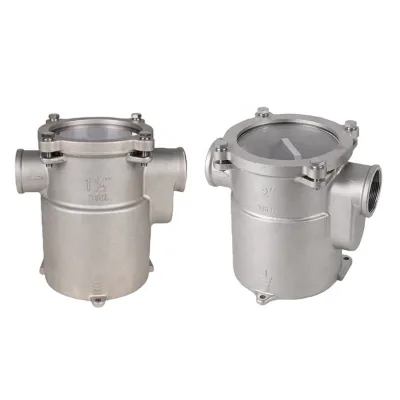


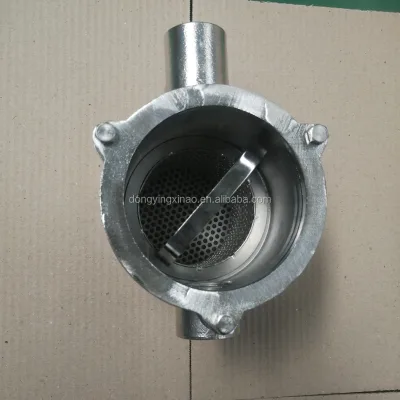


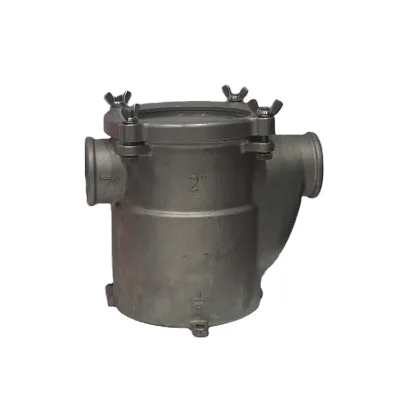


Comprehensive Sourcing Guide
Marine Hardware Seawater Strainer Sourcing Guide
Procuring marine hardware seawater strainers requires a disciplined approach to aligning technical performance with vessel operational demands. These components serve as the first line of defense for onboard piping systems, protecting sensitive pumps and heat exchangers from debris, marine growth, and particulate matter. Buyers must recognize that the strainer’s effectiveness directly influences the longevity of downstream equipment and the overall reliability of the vessel’s cooling and ballast systems.
The market offers a variety of configurations, ranging from simple basket types to more complex sewage treatment integrations. Understanding the specific medium, whether fresh or seawater, is critical for material selection. Stainless steel remains a prevalent choice due to its corrosion resistance, while cast iron or steel variants may be specified for high-pressure or heavy-duty applications. Each material choice carries distinct implications for maintenance intervals and total cost of ownership.
Product Scope and Observed Listing Signals
Current market listings indicate a broad spectrum of product names, including marine basket type suction water strainers and supply marine a type sea water suction filters. The observed nominal diameter range spans from 50mm to 500mm, with some listings specifying DN40 to DN500, suggesting flexibility in sizing for diverse vessel scales. Buyers should note that while many products are labeled as water filters, their primary function in this context is mechanical straining to prevent clogging of critical intake lines.
Listing signals also reveal variations in end types and working pressures. Most observed units feature flanged connections, which are standard for secure and leak-proof installation in marine environments. The working pressure is frequently cited around 0.2MPa, a baseline that buyers must verify against their specific system requirements. Additionally, some listings mention capacities up to 100 tons per day for sewage treatment plants, indicating that strainer technology is often integrated into broader water management systems rather than sold as isolated components.
Technical Specifications to Verify
Material composition is a primary technical verification point, with stainless steel, cast iron, and steel being commonly observed options. The surface treatment is often described as polished, which aids in cleaning and reduces biofouling accumulation. Buyers must confirm that the selected material grade is compatible with the specific seawater chemistry and temperature profiles of the intended application to prevent premature corrosion or structural failure.
Dimensional accuracy and connection standards require rigorous validation. The nominal diameter range of 50-500mm must be cross-referenced with the vessel’s piping schematics to ensure proper fit. Flange standards such as GB, DIN, or JIS may be referenced, but buyers should explicitly verify compatibility with existing shipboard infrastructure. Customization is widely available, allowing for tailored dimensions and end types, but this introduces additional lead times and requires precise engineering drawings to avoid installation errors.
Compliance and Safety Documentation
Marine hardware is subject to stringent classification society requirements, and certification is non-negotiable for most commercial and recreational vessels. Commonly observed certifications include CCS, ABS, DNV, LR, BV, GL, NK, and RINA. Buyers must ensure that the strainer holds the specific class approval required by the vessel’s flag state and operating region. Documentation should clearly state the scope of the certification to avoid discrepancies during port state control inspections.
Beyond classification, safety and quality standards play a crucial role in procurement. Products are often described as meeting client requirements or custom standards, which implies that buyers must define their own quality benchmarks if standard class approvals are insufficient. The condition of new equipment should be verified through visual inspection and documentation of manufacturing processes. Ensuring that the supplier provides a certificate of conformity and material test reports is essential for maintaining compliance and facilitating future maintenance audits.
Cost Drivers and Commercial Terms
Pricing for marine hardware seawater strainers varies significantly based on material, size, and certification level. Observed price ranges span from approximately $3.39 to $10,000, reflecting the diversity from small components to large-scale treatment plant integrations. Buyers should analyze cost drivers such as the grade of stainless steel, the complexity of the basket design, and the inclusion of additional features like pressure gauges or cleaning ports.
Minimum order quantities (MOQ) typically range from 1 to 50 units, offering flexibility for both single-vessel repairs and fleet-wide upgrades. Packaging is often specified as wooden cases or export-standard packages, which adds to the logistical cost but ensures protection during transit. Buyers should negotiate clear terms regarding packaging standards and shipping responsibilities to avoid unexpected freight charges or damage-related disputes upon delivery.
Supplier Qualification and Quality Control
Supplier qualification begins with verifying the origin and manufacturing capabilities. Many suppliers are located in Jiangsu, China, a hub for marine hardware production. Buyers should assess the supplier’s ability to provide customized solutions, as many listings indicate that standards and dimensions can be tailored to specific client requirements. A robust quality control process should include material verification, dimensional checks, and pressure testing before shipment.
Quality assurance also involves evaluating the supplier’s responsiveness to customization requests. Attributes such as excellent quality and marine-grade functionality are frequently claimed, but buyers must seek evidence through sample inspections or third-party audits. The ability to provide detailed technical drawings and material certificates is a strong indicator of a reliable supplier. Establishing a clear communication channel for technical queries ensures that any deviations from specifications are identified and resolved before production begins.
Long-Term Procurement Checks
Long-term procurement success depends on establishing a reliable supply chain for replacement parts and maintenance. Buyers should verify the availability of spare baskets and seals, as these are consumable items that require regular replacement. The customization options available at the time of initial purchase should be documented to ensure that future orders match the original specifications, preventing compatibility issues during maintenance cycles.
Regular review of supplier performance is essential for maintaining operational continuity. Buyers should track delivery times, product consistency, and after-sales support quality. Since marine environments are harsh, the longevity of the strainer is a key performance indicator. Establishing a preventive maintenance schedule based on the strainer’s design and observed performance helps in planning procurement cycles and budgeting for replacements, ensuring uninterrupted vessel operations.
FAQs
What materials are used for marine basket type suction water strainers?
Marine basket type suction water strainers are primarily constructed from stainless steel to ensure durability in harsh marine environments. Some models may also utilize cast iron or steel for specific valve applications. These materials provide excellent resistance to corrosion from both sea water and fresh water, ensuring long-term reliability for shipboard water purification systems.
Can marine water strainers be customized for specific ship requirements?
Yes, customization is available for marine water strainers to meet specific vessel needs. Manufacturers offer custom nominal diameters ranging from 50mm to 500mm and can adjust dimensions according to client requirements. The standard type can be tailored with specific end types like flanges, and packaging can be arranged in wooden cases or export standard packages for safe shipping.
Which certifications are accepted for marine seawater suction filters?
Marine seawater suction filters typically hold certifications from major classification societies including CCS, ABS, DNV, LR, BV, GL, NK, and RINA. These certifications ensure the products meet international marine standards for safety and performance. Buyers should verify specific certification requirements with suppliers to ensure compliance with their vessel's flag state and classification society rules.
What is the working pressure rating for these marine strainers?
The working pressure for these marine basket type suction water strainers is rated at 0.2MPa. This pressure rating is suitable for standard suction applications in marine environments. It ensures safe operation when filtering sea water or fresh water for shipboard systems, providing reliable performance without compromising the integrity of the filtration unit under normal operating conditions.
How are marine water filters packaged for international shipping?
Marine water filters are packaged in wooden cases or export standard packages to protect them during transit. This packaging method ensures the stainless steel or cast iron components remain undamaged and polished. The export standard packaging is designed to withstand long-distance shipping, making it suitable for global distribution to various shipyards and marine service centers worldwide.
What is the nominal diameter range for marine suction water strainers?
The nominal diameter range for marine suction water strainers typically spans from 50mm to 500mm. Some specific models may offer diameters from DN40 to DN500 or 50mm to 400mm. This wide range allows for flexibility in selecting the appropriate size for different shipboard water intake systems, ensuring compatibility with various pipe sizes and flow requirements.