Source Marine Driver Seat for Yacht, Boat, and Ferry Applications
Find and compare 30 Marine Driver Seat options featuring adjustable backrests, pneumatic lifting, and suspension systems. Evaluate specifications for PU and cloth materials, weight capacities, and OEM customization to select the right seating for your vessel.
Key considerations
Products List
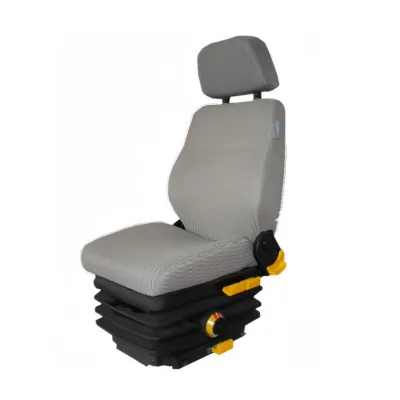
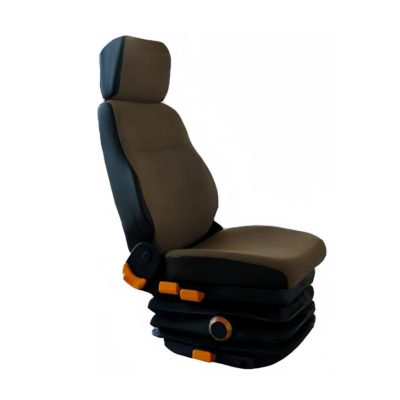
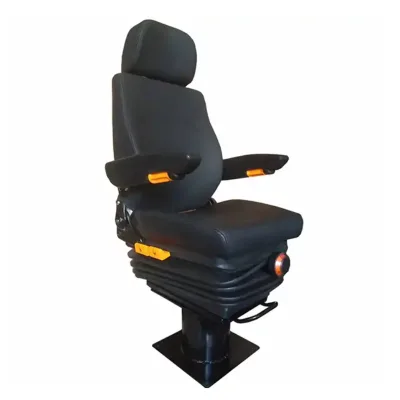
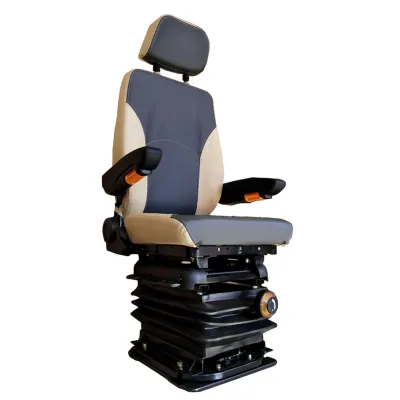
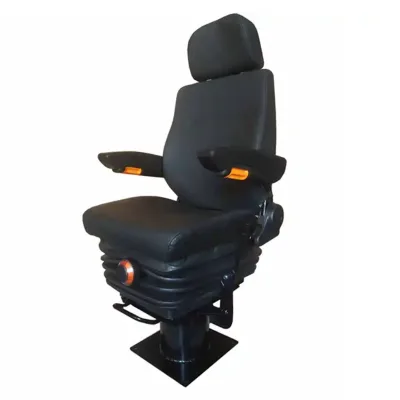


Comfortable Marine Aluminium and Leather Driving Chair Captain Seats for Boat
$1000.00 - $3000.00
MOQ: 1 Pieces


Marine Boat Seat Captain Driving Chair Yacht Seat Boat Seat Manufacturer
$126.00 - $175.00
MOQ: 2 Pieces

Comprehensive Sourcing Guide
Marine Driver Seat Sourcing Guide
Sourcing a Marine Driver Seat requires balancing ergonomic comfort with the rigorous demands of a saltwater environment. Unlike automotive seating, marine seats must withstand constant vibration, humidity, and potential exposure to corrosive elements while providing the operator with stability and control. The procurement process begins with defining the specific operational context, whether for a yacht, a commercial boat, or a ferry, as these applications dictate the necessary structural integrity and feature sets. Buyers must prioritize seats that offer adjustable backrests and suspension systems to mitigate fatigue during long hours of operation.
The market offers a variety of configurations, from basic general-purpose seats to specialized units with advanced mechanical suspension and pneumatic lifting systems. Observing the current listing signals reveals a wide range of options, including models with PU upholstery, cloth finishes, and aluminum alloy components. These material choices directly impact durability, maintenance requirements, and overall cost. Understanding the interplay between material selection, mechanical features, and commercial terms is essential for making an informed procurement decision that aligns with both budget constraints and operational safety standards.
Product Scope and Observed Listing Signals
The current market landscape for marine driver seats includes a diverse array of products, with observed price points ranging from $1 to $3,000 USD. This broad range reflects variations in material quality, mechanical complexity, and brand positioning. Minimum Order Quantities (MOQs) also vary significantly, starting from single units for replacement or small fleet needs up to 500 units for large-scale commercial outfitting. Buyers should note that while some listings welcome OEM customization, others offer standardized models with fixed specifications. It is crucial to verify whether the listed price includes shipping, taxes, and any necessary installation hardware, as these factors can substantially affect the total cost of ownership.
Observed product attributes highlight key differentiators such as universal fitment, which simplifies installation across various vessel types, and optional accessories like handrests and headrests. Specific models, such as the SLM series, demonstrate distinct design philosophies, with variations in size, weight, and package dimensions. For instance, some units feature a single gross weight of 70 kg, while others weigh up to 80 kg, indicating differences in internal frame construction and material density. The presence of features like rotating mechanisms and adjustable backrests suggests a focus on operator ergonomics, allowing for fine-tuning of the seating position to suit individual preferences and operational requirements.
Technical Specifications to Verify
When evaluating technical specifications, buyers must scrutinize the mechanical suspension and weight adjustment functions to ensure they meet the vessel’s operational demands. A stroke of ±30 mm in the mechanical suspension function is a notable feature that helps absorb shock and vibration from the water surface, enhancing comfort and reducing operator fatigue. Additionally, weight adjustment ranges, such as 40~130 kg, indicate the seat’s capacity to support different operators safely. It is essential to verify that the lifting system, whether pneumatic or mechanical, operates smoothly and maintains its position under load, as failure in this area can compromise safety and control.
Material composition and dimensional accuracy are equally critical for long-term performance. The seat back material, often a combination of steel inner frames and PU or cloth upholstery, must resist corrosion and wear. Lifting columns made from aluminum alloy and stainless steel offer superior durability compared to standard steel components, particularly in saltwater environments. Buyers should also check the backrest adjustment range, which may extend from 80°+41° to 85°-150°, allowing for significant recline options. Furthermore, the seat inclination angle, potentially adjustable by ±12°, provides additional customization for optimal posture. Verifying these specifications against the vessel’s specific requirements ensures that the selected seat will perform reliably over time.
Compliance and Safety Documentation
Safety and compliance are paramount in marine seating, where failure can lead to serious injury or vessel instability. Buyers should request documentation that confirms the seat meets relevant maritime safety standards, such as ISO certifications, which indicate adherence to international quality and safety benchmarks. While specific test results may not be publicly listed, suppliers should be able to provide evidence of fireproof properties, a critical feature for marine environments where fire hazards are a significant concern. This documentation serves as proof that the materials and construction methods have been rigorously tested to withstand extreme conditions.
In addition to safety certifications, buyers must ensure that the seat’s design complies with local maritime regulations regarding operator visibility and control access. The seat’s dimensions and adjustability should not obstruct the operator’s view of the dashboard or the surrounding water. It is also important to verify that the seat’s mounting hardware and installation instructions align with the vessel’s structural specifications. Proper installation is crucial for maintaining the seat’s integrity and ensuring that all safety features, such as the mechanical suspension and locking mechanisms, function as intended. Buyers should work closely with suppliers to confirm that all compliance requirements are met before finalizing the purchase.
Cost Drivers and Commercial Terms
Several factors influence the final cost of a Marine Driver Seat, including material quality, mechanical complexity, and customization options. Seats with advanced features like pneumatic lifting systems, rotating mechanisms, and high-grade stainless steel components typically command higher prices. Additionally, the choice of upholstery material, such as premium PU or specialized marine-grade cloth, can impact the cost. Buyers should also consider the cost of optional accessories, such as handrests and headrests, which may be sold separately or included in bundled packages. Understanding these cost drivers helps in budgeting accurately and avoiding unexpected expenses during the procurement process.
Commercial terms, including MOQs, lead times, and payment conditions, play a significant role in the overall procurement strategy. While some suppliers offer low MOQs for small orders, others may require larger quantities to achieve competitive pricing. Lead times can vary based on the level of customization and the supplier’s production capacity. Buyers should negotiate clear terms regarding shipping, insurance, and warranty coverage to mitigate risks associated with delays or damage during transit. It is also advisable to clarify any additional costs for installation support or technical assistance, ensuring that the total cost of ownership is transparent and manageable.
Supplier Qualification and Quality Control
Selecting a reliable supplier is critical for ensuring the quality and longevity of marine driver seats. Buyers should verify the supplier’s manufacturing capabilities, including their experience in producing marine-grade seating and their adherence to quality control processes. Suppliers located in regions known for marine equipment manufacturing, such as Shaanxi, China, may offer competitive pricing and specialized expertise. However, it is essential to conduct due diligence to confirm the supplier’s reputation, production standards, and ability to meet specific customization requests. Requesting samples or visiting the facility can provide valuable insights into the supplier’s quality control practices.
Quality control measures should include rigorous testing of materials, mechanical components, and finished products. Buyers should inquire about the supplier’s testing protocols for durability, corrosion resistance, and fireproof properties. Additionally, it is important to verify that the supplier provides comprehensive documentation, including material safety data sheets and installation guides. Establishing a clear communication channel with the supplier ensures that any issues or concerns can be addressed promptly. Building a strong relationship with a qualified supplier can lead to better pricing, improved service, and consistent quality in future orders.
Long-Term Procurement Checks
Long-term procurement success depends on establishing a robust framework for ongoing supplier evaluation and product performance monitoring. Buyers should implement a system for tracking seat performance in real-world conditions, noting any issues related to material degradation, mechanical failure, or comfort. Regular feedback from operators can provide valuable insights into the seat’s usability and durability, helping to inform future purchasing decisions. Additionally, maintaining open lines of communication with the supplier allows for timely updates on product improvements, new features, and changes in compliance requirements.
It is also important to review and update procurement policies periodically to reflect changes in market conditions, technological advancements, and regulatory requirements. Buyers should stay informed about emerging trends in marine seating technology, such as new materials or enhanced suspension systems, to ensure that their fleet remains equipped with the best available options. By maintaining a proactive approach to supplier management and product evaluation, buyers can optimize their procurement strategy, reduce costs, and enhance the safety and comfort of their marine operations.
FAQs
What is the adjustable range for the seat weight?
The weight adjustment function covers a range from 40 to 130 kg. This allows the seat to accommodate various driver sizes while maintaining stability during operation on water.
How does the backrest adjust on this marine seat?
The backrest offers an adjustable range of 80 degrees plus an additional 41 degrees. This feature ensures ergonomic comfort for the driver during extended periods of use.
Can I customize the Marine Driver Seat for my boat?
Yes, customization is available for this product. Buyers can request specific modifications to meet unique vessel requirements while maintaining the core structural integrity of the seat.
What materials are used for the seat construction?
The seat features a steel inner structure with a PU outer covering. Additional components include aluminum alloy and stainless steel for the lifting column and steel for the footrest.
What is the stroke range for the mechanical suspension?
The mechanical suspension function provides a stroke of plus or minus 30 mm. This suspension system helps absorb vibrations and shocks encountered while operating the vessel.
Which certifications does the product meet?
The product meets the ISO standard. This certification indicates that the manufacturing process and final product quality adhere to recognized international safety and quality benchmarks.
What is the minimum order quantity for this seat?
The minimum order quantity is 2 sets or 2 pieces depending on the specific model configuration. Buyers should verify the exact MOQ for their selected model number before placing an order.
Where is this Marine Driver Seat manufactured?
The product originates from Shaanxi, China. This location is the primary place of origin for the manufacturing and initial supply of these marine seating units.