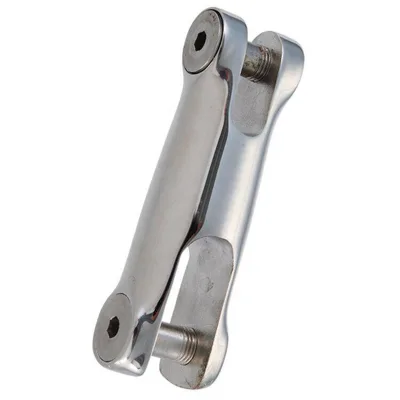
Source Marine Hardware Bimini Swivel Joint for Boat, Yacht, and Dock
Compare 30 Marine Hardware Bimini Swivel Joint options from verified Chinese suppliers. Review specifications like SS316 material, mirror polishing, and dimensions to find the right fit for boat, yacht, and dock applications.
Key considerations
Products List
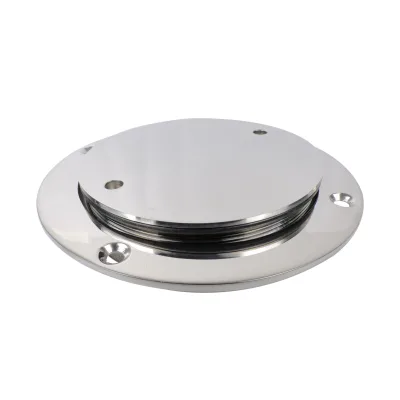
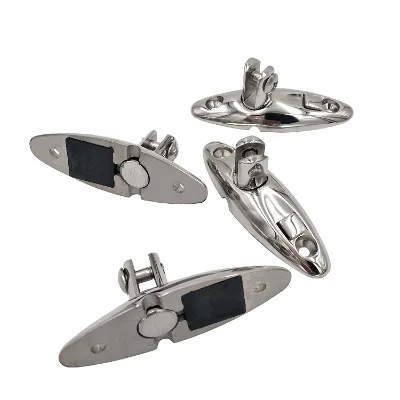
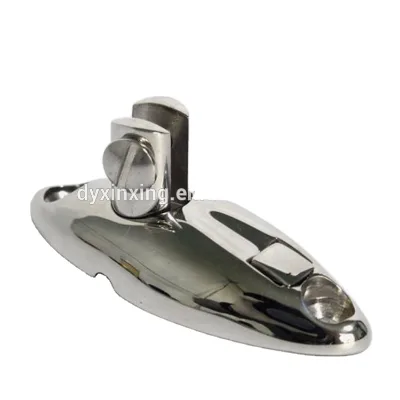
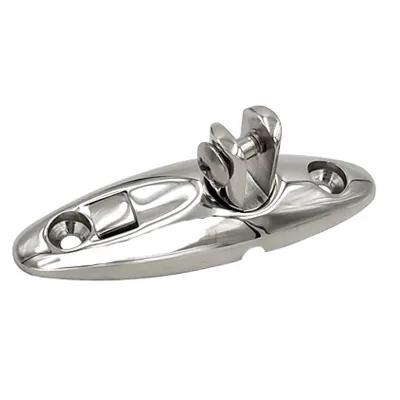
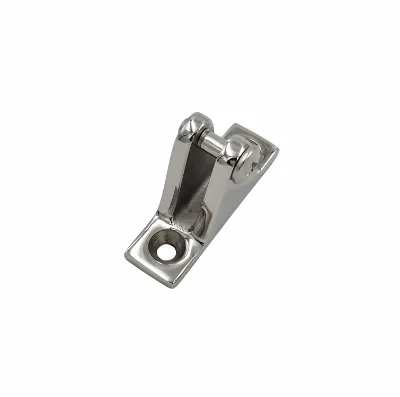
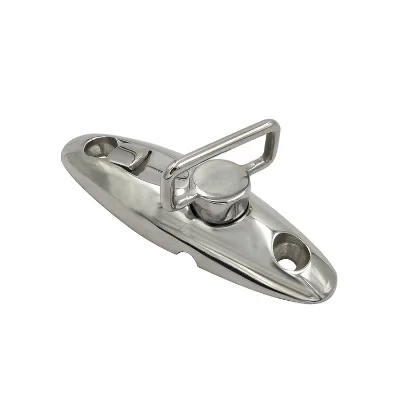
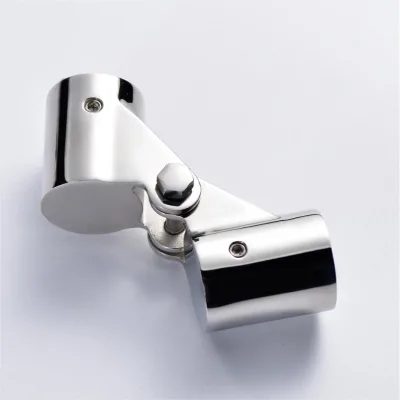
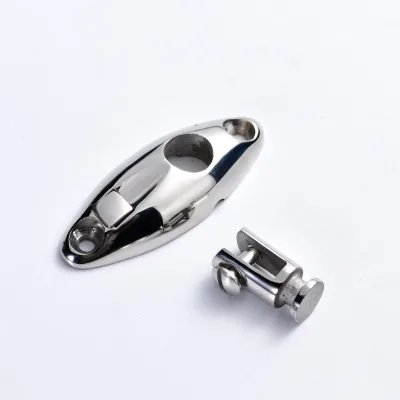
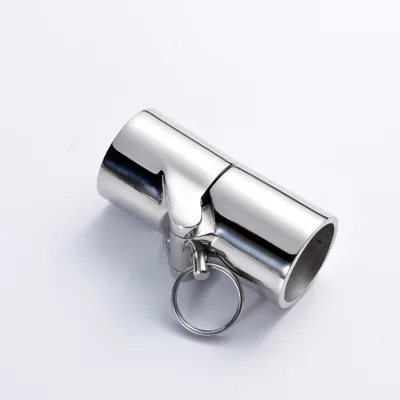
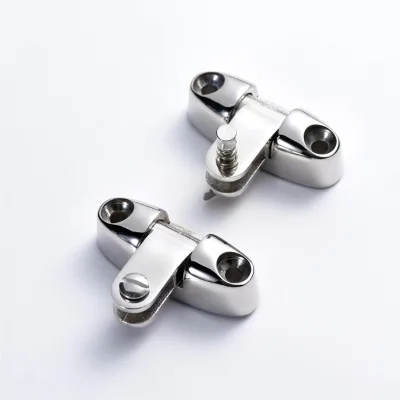
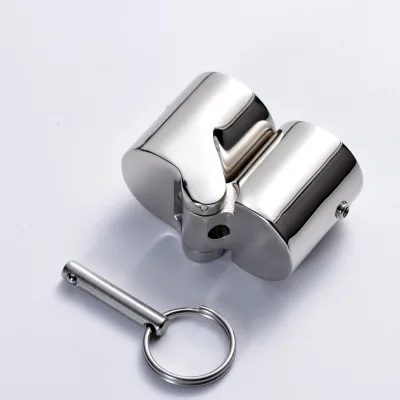
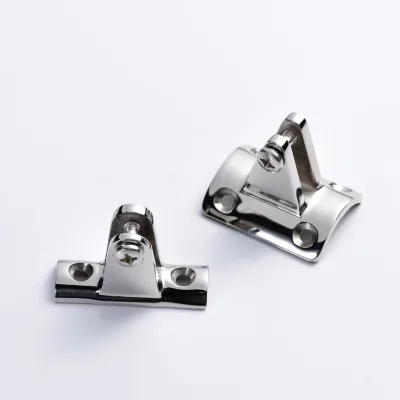


Marine Stainless Steel Bimini Top Tubing Swivel Joint Hinge Folding for Pipe
$3.94 - $4.15
MOQ: 50 Pieces


Bimini Curved Base Marine Hardware Pipe Railing Fitting Curved Deck Hinge with Pin
$2.50 - $2.70
MOQ: 100 Pieces


Marine Hardware Stainless Steel Bimini Top Swivel Deck Hinge for Boat Rail Fitting
$2.00 - $4.00
MOQ: 100 Pieces


Comprehensive Sourcing Guide
Strategic Sourcing Guide for Marine Hardware Bimini Swivel Joints
Understanding Product Variants and Technical Specifications
When sourcing marine hardware bimini swivel joints, buyers must first navigate a diverse landscape of product variants that share a common functional purpose but differ significantly in dimensional and material specifications. The core requirement for a bimini swivel joint is to facilitate the rotation of a boat's canvas top while withstanding the corrosive marine environment. Based on available market data, these components are frequently categorized under specific product names such as "Swivel Joint," "Deck Swivel Hinge Mount," or "Bimini top fittings." A critical observation in the current supply base is the variation in physical dimensions. For instance, specific models are listed with a length of 86mm (3 inches) and a size profile of 8638.130.5mm, while other variants, such as the XHL08 model, present a size of 52.417.4637.6mm. Another observed specification indicates a size of 90.6*30mm. These discrepancies highlight that a single "standard" size does not exist; instead, buyers must match the joint's dimensions precisely to the existing mounting holes and the structural requirements of the bimini frame.
Material composition is equally pivotal in determining the longevity and performance of the hardware. The supply chain features products constructed from SS316 stainless steel, a grade renowned for its superior resistance to saltwater corrosion compared to standard 304 stainless steel. However, the market also includes items listed simply as "Steel" or "Stainless Steel" without a specific grade designation. This ambiguity necessitates rigorous verification by the procurement team. The finish of the product is another technical differentiator. High-end listings often specify "Mirror polishing" or "High Mirror Polish" as the surface treatment, which not only enhances aesthetics but also reduces surface roughness where salt and debris might accumulate. Conversely, some entries note a "Smooth" surface or "precision casting" as the primary process. The choice between a mirror-polished finish and a standard smooth finish should be dictated by the vessel's exposure to harsh marine conditions and the owner's aesthetic preferences.
Compliance, Certification, and Origin Verification
In the realm of marine hardware, compliance with international quality standards is not merely a formality but a prerequisite for ensuring safety and durability. A high-confidence fact observed in the current product listings is the presence of ISO9001:2015 certification. This standard indicates that the manufacturer has a documented quality management system in place, which is essential for consistent production of marine fittings. However, the presence of this certification on a listing does not guarantee that every unit in a bulk order will meet the same rigorous standards; it reflects the factory's systemic approach. Buyers must verify that the specific batch they are purchasing is covered under this certification scope.
Geographic origin plays a significant role in the supply chain dynamics of these components. The majority of the observed products originate from China, with specific mentions of Shandong province and the city of Dongying. This region is a known hub for metalworking and marine hardware manufacturing. While the "Place of Origin" is listed as China in general terms, specific factory locations like "Shandong Dongying" provide a more granular view of the supply base. It is important for buyers to understand that while the origin is consistent, the specific manufacturing capabilities can vary between facilities within the same region. Furthermore, the condition of the products is uniformly listed as "New," which is a standard expectation for B2B procurement but should be explicitly confirmed in the purchase agreement to avoid receiving refurbished or overstock items.
Cost Drivers and Economic Parameters
The economic landscape for sourcing marine bimini swivel joints is influenced by several distinct cost drivers, primarily material grade, surface finishing, and order volume. The price range observed in the market spans from $1.8 to $165.4 USD. This wide variance is not arbitrary; it correlates directly with the complexity of the manufacturing process and the quality of the raw materials. A unit priced at the lower end of the spectrum may utilize standard steel or a less refined surface finish, whereas a unit at the higher end likely incorporates SS316 material with a high-mirror polish and precise engineering tolerances.
Minimum Order Quantity (MOQ) is another critical economic factor that affects the total cost of ownership. The market data reveals a flexible MOQ range, starting as low as 1 piece for sample orders or small-scale replacements, and extending up to 100 pieces for bulk commercial procurement. Some specific listings indicate an MOQ of 100 pieces for certain models, which can be a barrier for small boat owners or repair shops requiring only a few units. Conversely, the ability to order single items allows for immediate replacement needs without the financial burden of overstocking. Buyers must balance the unit price against the MOQ to optimize their inventory costs. Additionally, the single gross weight of the products, ranging from approximately 0.111 kg to 0.596 kg depending on the model, directly impacts shipping costs. Heavier units with larger package dimensions, such as those with a single package size of 15X15X5 cm, will incur higher freight charges compared to compact items like those measuring 9.06X3.35X3 cm.
Typical Applications and Functional Requirements
The primary application for these components is clearly defined as "Marine Hardware," specifically designed for the installation and operation of bimini tops on various watercraft. The functional requirement is to provide a secure yet rotatable connection point that allows the canvas top to be adjusted for sun protection or stowed away. The product listings explicitly mention usage scenarios such as "retrofit/upgrade" and "replace/repair," indicating that these parts are essential for maintaining existing vessels as well as outfitting new ones. The "Deck Swivel Hinge Mount" designation suggests that these joints are mounted directly onto the boat's deck, requiring robust structural integrity to handle the dynamic loads imposed by wind and wave action.
The versatility of these fittings is further evidenced by the variety of model numbers and sizes available. For example, the XH0063B 4" model and the XHL08 model serve different mounting configurations. The "quick release hinge" feature noted in some keywords suggests a design that allows for rapid disassembly, which is beneficial for cleaning the bimini top or securing it during high-wind conditions. The "Brand Name" variations, such as "XinXing," "XinXing Mairne," and "xinghui," indicate that multiple manufacturers are competing in this space, each potentially offering slight variations in design or mounting compatibility. Buyers should ensure that the chosen joint is compatible with the specific mounting hardware of their vessel, as the "Size" and "Model Number" are not always interchangeable across different brands.
Supplier Evaluation and Quality Assurance
Evaluating a supplier for marine hardware requires a multi-faceted approach that goes beyond price comparison. The presence of a "Sample time" of 7 days is a positive indicator of a supplier's responsiveness and ability to fulfill small orders quickly. This lead time is crucial for buyers who need to verify the quality of the product before committing to a larger order. The "Sample: Yes" attribute confirms that most suppliers are willing to provide physical units for inspection, which is a best practice in B2B procurement.
Quality control should be a central component of the supplier evaluation process. Buyers should verify the manufacturing process details, such as "precision casting" and "mirror polishing," to ensure that the supplier possesses the necessary technical capabilities. The "Single gross weight" and "Single package size" data points can be used to cross-check the physical attributes of the received goods against the supplier's specifications. Discrepancies in weight or dimensions can indicate issues with material density or manufacturing tolerances. Furthermore, the "Certificate: ISO9001:2015" should be validated through direct communication with the supplier to ensure it is current and applicable to the specific product line being purchased.
Long-Term Procurement and Inventory Management
For long-term procurement strategies, buyers must consider the durability and lifecycle of the bimini swivel joints. The choice of material, specifically SS316, is a key determinant of the product's lifespan in a saltwater environment. While standard stainless steel may suffice for freshwater use, saltwater applications demand the higher corrosion resistance of 316 grade. Buyers should also consider the "Surface" finish; a "High Mirror Polish" not only looks better but also minimizes the accumulation of salt and grime, reducing maintenance requirements over time.
Inventory management is another critical aspect. Given the wide range of MOQs, from 1 to 100 pieces, buyers can adopt a hybrid strategy. They can maintain a small stock of single units for emergency repairs while bulk ordering for larger projects or fleet maintenance. The "Packing: Carton" specification suggests that the products are well-protected for shipping, but buyers should verify the packaging integrity upon receipt to prevent damage during transit. Additionally, the "Condition: New" status should be monitored to ensure that the supply chain does not inadvertently introduce refurbished or aged stock. By maintaining a clear understanding of the product specifications, certifications, and supplier capabilities, buyers can build a resilient supply chain that ensures the continued operation and safety of their marine vessels.
Comparative Analysis of Key Product Attributes
To facilitate a clearer decision-making process, the following table summarizes the key attributes observed across the different product listings. This comparison highlights the variability in specifications that buyers must navigate.
| Attribute | Variant A (Standard) | Variant B (Premium/Specific) | Variant C (Compact) |
|---|---|---|---|
| Product Name | Swivel Joint | Deck Swivel Hinge Mount 316 Stainless | Bimini top fittings |
| Material | SS316 | SS316 | Stainless Steel / Steel |
| Size | 8638.130.5mm | 90.6*30mm | 52.417.4637.6mm |
| Surface Finish | Mirror polishing | High Mirror Polish | Smooth |
| MOQ | 1 pcs | 100 pcs | 1 pcs |
| Single Weight | 0.596 kg | 0.111 kg | 0.115 kg |
| Origin | Shandong, China | Shangdong Dongying, China | China |
| Certification | ISO9001:2015 | ISO9001:2015 | Not explicitly listed |
| Brand | XinXing | XinXing Mairne | xinghui |
This table illustrates that while the core function remains the same, the specific attributes vary significantly. Buyers must carefully align these attributes with their specific vessel requirements and budget constraints. The variation in weight and size also underscores the importance of checking the "Single package size" for shipping logistics, as larger packages may require different freight arrangements. By systematically evaluating these factors, buyers can make informed decisions that balance cost, quality, and performance for their marine hardware needs.
FAQs
What material is used for Marine Hardware Bimini Swivel Joint?
The primary material used is SS316 stainless steel, which offers superior corrosion resistance in saltwater environments. Some listings also mention standard stainless steel or steel without a specific grade, requiring verification before purchase.
Which certification is available for Marine Hardware Bimini Swivel Joint?
Many products carry ISO9001:2015 certification, indicating a documented quality management system at the factory level. Buyers should verify that the specific batch is covered under this certification scope before placing an order.
How can I find Marine Hardware Bimini Swivel Joint with low MOQ?
You can source units with a Minimum Order Quantity as low as 1 piece for sample orders or small replacements. Some specific models may require an MOQ of 100 pieces, so check the listing details carefully.
What is the typical lead time for samples of Marine Hardware Bimini Swivel Joint?
The sample time is typically 7 days for most suppliers offering these marine hardware components. This allows buyers to verify product quality and specifications before committing to larger bulk orders.
Where are Marine Hardware Bimini Swivel Joint products manufactured?
Most products originate from China, specifically from the Shandong province and the city of Dongying. This region is a known hub for metalworking and marine hardware manufacturing.
Can I get Marine Hardware Bimini Swivel Joint with mirror polishing?
Yes, many listings specify mirror polishing or high mirror polish as the surface treatment for these fittings. This finish reduces surface roughness where salt and debris might accumulate, enhancing durability.