Source Marine Excavator Fan Idler Pulley for construction, marine, and industrial use
Compare 30 listings for Marine Excavator Fan Idler Pulley components from verified suppliers. Evaluate specifications, materials, and pricing to find the right part for construction, marine, and industrial machinery applications.
Key considerations
Products List
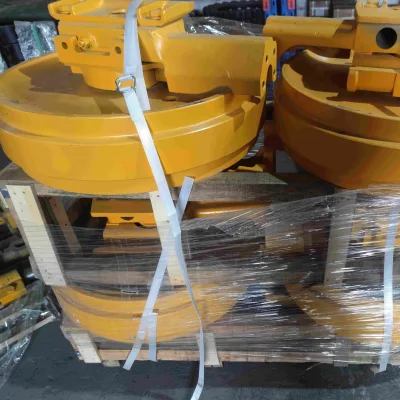

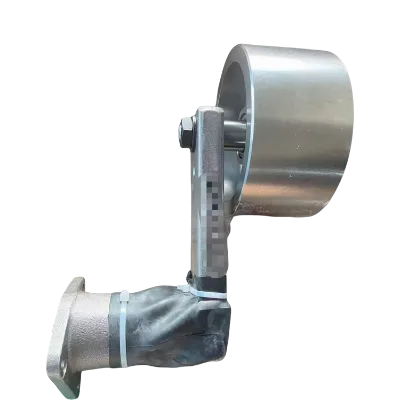
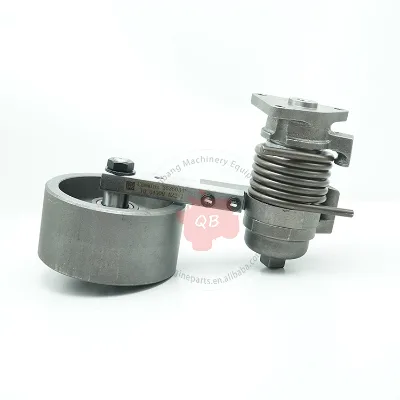
3635034 Diesel K38 Diesel Engine Fan Idler Pulley Assembly 3016344 3635034
$250.00 - $270.00
MOQ: 1 pieces


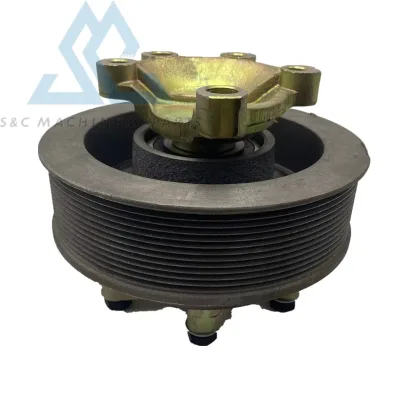


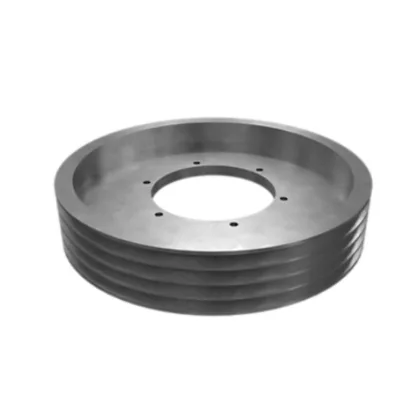


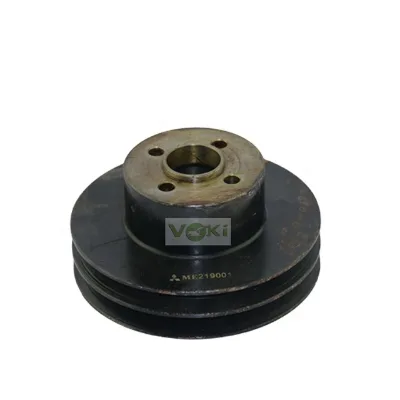


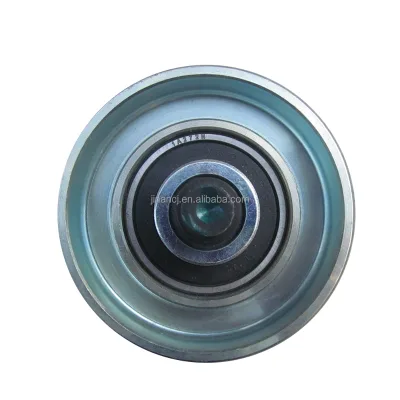


Hydraulic Fan Customized Excavator Engine Fan Radiator Fan Blade Jcb220
$20.00 - $300.00
MOQ: 10 Pieces

Comprehensive Sourcing Guide
Strategic Sourcing Guide for Marine Excavator Fan Idler Pulleys
Understanding Component Specifications and Material Integrity
When sourcing a Marine Excavator Fan Idler Pulley, the primary objective is to identify components that can withstand the dual stresses of heavy-duty construction operations and the corrosive marine environment. The core keyword "Marine Excavator Fan Idler Pulley" implies a specific subset of undercarriage or engine cooling system parts designed for durability. Based on available product data, the material composition is a critical differentiator. High-performance variants are frequently manufactured from alloy steels such as 50Mn, 40MnB, or 35MnB. These manganese-based alloys offer a balance of tensile strength and toughness required for idler rollers that guide tracks or support heavy belts. In contrast, other listings indicate the use of casting iron, particularly for engine-specific components like the NT855 diesel engine idler fan pulley. The selection between steel and cast iron depends heavily on the specific application: whether the part serves as a track idler for the undercarriage or a fan pulley for the cooling system.
The physical dimensions and hardness are equally vital. For track idler applications, the hardness depth is a measurable quality indicator, with observed specifications ranging from 8 to 12mm. This depth ensures that the surface resists abrasion from track links while maintaining a tough core to prevent catastrophic fracture under load. For engine fan pulleys, the focus shifts to dimensional precision and balance. The model numbers and part numbers serve as the primary identifiers for compatibility. Specific examples include the model number 5650069 for NT855 engines and part numbers 3016344 and 3635034 for K38 engines. Buyers must verify that the "Standard" size or specific model number matches the original equipment manufacturer (OEM) requirements exactly, as deviations can lead to misalignment, premature wear, or engine overheating. The condition of the part is consistently listed as "New," and the purpose is defined as replacement or repair, necessitating that the incoming goods match the original specifications without modification unless explicitly customized.
Compliance, Certification, and Quality Verification Protocols
In the industrial machinery sector, compliance is not merely a formality but a prerequisite for operational safety and liability management. The supply chain for marine excavator components often cites ISO9001-9002 as a relevant certification framework. While the specific scope of these certifications may vary by supplier, their presence indicates a structured approach to quality management systems. Buyers should verify that the supplier's quality management system covers the specific manufacturing processes involved, such as CNC machining or casting, rather than accepting the certification as a generic label. The "Quality: High Guarantee" and "Quality: Original Product" attributes found in product listings suggest a commitment to authenticity, but these are claims that require independent verification through documentation.
The verification process should include a review of the "100% Professional Test" claims. For critical rotating components like fan pulleys and idler rollers, this implies rigorous testing for balance, runout, and material integrity. The "Video outgoing-inspection: Provided" attribute is a significant operational advantage for remote procurement. It allows buyers to visually confirm the physical condition of the goods before shipment, checking for surface defects, packaging integrity, and correct labeling. This visual evidence serves as a primary layer of quality control, reducing the risk of receiving damaged or non-conforming goods. Furthermore, the "Condition: New" and "Quality: Original Product" assertions must be cross-referenced with the supplier's ability to provide traceability for the raw materials used, such as the specific grade of 50Mn steel or the quality of the casting iron.
Cost Drivers and Pricing Structure Analysis
The pricing landscape for marine excavator fan idler pulleys is highly variable, reflecting differences in material costs, manufacturing complexity, and brand positioning. The observed listed price range spans from 1 USD to 31,800 USD. This wide disparity is not indicative of a single product type but rather a reflection of the diverse nature of the components available. A low-cost item might be a standard, off-the-shelf idler roller with minimal customization, while the high-end figures likely correspond to specialized, heavy-duty units, large-volume orders, or complete assembly kits that include multiple components. Buyers must be cautious not to equate a low unit price with a low-quality product, nor assume that a high price guarantees superior performance without validating the specific technical specifications.
Several factors drive the final cost. Material selection is a primary driver; alloy steels like 50Mn are generally more expensive than standard casting iron due to the processing required to achieve the desired hardness and toughness. The manufacturing process also plays a role; CNC machining, as noted in the product attributes, typically incurs higher costs than casting alone due to the precision and time involved. Additionally, the "Customization: Available" attribute suggests that bespoke orders will carry a premium. Customization may involve specific dimensions, unique hardness depths, or specialized coatings for marine environments. The "Selling Units: Single item" indicates that pricing is often calculated per unit, but the Minimum Order Quantity (MOQ) can significantly impact the per-unit cost. The observed MOQ range of 1 to 200 pieces allows for flexibility, but buyers should negotiate based on volume to optimize the cost per unit, especially for standard parts where economies of scale apply.
Typical Applications and Compatibility Matrix
The versatility of the Marine Excavator Fan Idler Pulley is evident in its broad application across various machinery types and brands. The "Application" field lists a comprehensive array of equipment, including excavators, bulldozers, loaders, and undercarriage parts. For marine contexts, the durability of these components is paramount due to exposure to saltwater and high humidity. The "Compatible Brand" list is extensive, covering major global manufacturers such as Caterpillar, Komatsu, Hitachi, Volvo, and John Deere, as well as specialized brands like Herrenknecht, Sandvik, and Metso. This compatibility suggests that the supply chain is robust, but it also places the burden of verification on the buyer to ensure the specific part number matches the exact machine model.
The following table illustrates the relationship between specific engine models, part numbers, and their typical applications based on the observed data:
| Engine Model | Part Number(s) | Component Type | Typical Application |
|---|---|---|---|
| NT855 | 5650069 | Idler Fan Pulley | Diesel Engine Cooling |
| K38 | 3016344, 3635034 | Diesel Fan Pulley | Pickup, Bus, Marine Engine |
| General | Various | Idler Roller | Excavator, Bulldozer, Loader |
For marine engines, the "Application" field explicitly mentions "Marine engine," highlighting the critical need for corrosion resistance. While the standard color options are listed as black or yellow, marine environments often require additional protective coatings or specific material treatments not always detailed in standard listings. The "Purpose: for Replace/Repair" confirms that these parts are designed for maintenance cycles, meaning they must be interchangeable with original parts without requiring modification to the host machinery. Buyers should prioritize parts that are explicitly marked as compatible with their specific machine model to avoid fitment issues that could lead to operational downtime.
Supplier Evaluation and Geographic Considerations
Evaluating suppliers for marine excavator components requires a nuanced understanding of the supply chain geography and logistical capabilities. The "Place of Origin" data reveals a concentration of manufacturing in China, specifically in regions like Guangdong and Shandong. These regions are known for their robust industrial bases and expertise in heavy machinery manufacturing. The "Brand Name" often appears as "DONGJUN/OEM" or "CCEC/OEM," indicating that many suppliers operate as Original Equipment Manufacturers or provide OEM services for established brands. The "Brand Name: Genuine" attribute suggests that some suppliers offer authentic parts, while others may provide high-quality aftermarket alternatives.
Logistics and lead times are critical factors in supplier evaluation. The "Delivery" time is typically listed as 15-30 days, which is standard for international shipping of heavy machinery parts. However, specific listings show a "Delivery time: 1 day," which likely refers to the processing time for in-stock items rather than the total shipping duration. Buyers must clarify whether the lead time includes international freight or if it is limited to the manufacturing and packaging phase. The "prod_packing" attribute, described as "Standard Specifications or Customized," indicates that packaging can be tailored to protect the goods during transit, which is essential for heavy items like idler rollers and fan pulleys. The "Single gross weight" of 15.000 kg to 20.000 kg underscores the need for secure, industrial-grade packaging to prevent damage during shipping.
Quality Control and Long-Term Procurement Strategy
Implementing a robust quality control strategy is essential for maintaining the reliability of marine excavator operations. The "Warranty" terms vary significantly, with some products offering a 2-year warranty and others providing only 6 months. This discrepancy highlights the need for buyers to scrutinize the warranty terms carefully, ensuring they cover the specific failure modes relevant to their application. A 2-year warranty suggests a higher confidence in the product's longevity, which is particularly important for marine environments where corrosion and wear are accelerated. The "Quality: High Guarantee" and "Quality: Original Product" claims should be backed by tangible evidence, such as test reports or certification documents.
For long-term procurement, buyers should establish a relationship with suppliers who offer "Customization: Available" and "Standard Specifications or Customized" packaging. This flexibility allows for the adaptation of parts to specific operational needs, such as enhanced corrosion protection for marine use. The "Payment" options, including TT, Money Gram, Western Union, and Paypal, offer various levels of security and convenience. Buyers should prioritize payment methods that offer buyer protection, such as letters of credit or escrow services, especially for large orders. The "MOQ" range of 1 to 200 pieces allows for both small-scale repairs and large-scale fleet replenishment. By maintaining a diverse supplier base and leveraging the "Video outgoing-inspection" feature, buyers can mitigate risks and ensure a steady supply of high-quality marine excavator fan idler pulleys. Ultimately, the success of the procurement strategy relies on a meticulous verification of technical specifications, a clear understanding of the total cost of ownership, and a commitment to rigorous quality assurance protocols.
FAQs
What materials are used for marine excavator fan idler pulleys?
Materials include alloy steels like 50Mn, 40MnB, and 35MnB, or casting iron for specific engine models. Alloy steels provide high tensile strength and toughness for undercarriage rollers, while casting iron is used for fan pulleys like those for NT855 engines.
Which certifications should I verify for these components?
Look for ISO9001-9002 certification to ensure a structured quality management system. This certification indicates the supplier follows standardized processes for manufacturing and inspection, which is critical for maintaining safety and reliability in marine environments.
Can I get video inspection before shipment?
Yes, video outgoing-inspection is provided for many listings. This allows you to visually confirm the physical condition, packaging integrity, and correct labeling of the goods before they are shipped, reducing the risk of receiving damaged or non-conforming items.
What is the typical delivery time for these parts?
Standard delivery time ranges from 15 to 30 days for international orders. Some specific listings may show a 1-day processing time, but this usually refers to the manufacturing phase rather than the total shipping duration including freight.
Which brands are compatible with these idler pulleys?
Compatible brands include Caterpillar, Komatsu, Hitachi, Volvo, John Deere, and many others like Sany and Hyundai. You must verify that the specific part number matches your machine model to ensure proper fitment and avoid operational downtime.
How does the hardness depth affect performance?
Hardness depth typically ranges from 8 to 12mm for track idler applications. This depth ensures the surface resists abrasion from track links while maintaining a tough core to prevent fracture under heavy loads in construction and marine operations.
What warranty options are available for these parts?
Warranty terms vary, with some products offering 2 years and others providing 6 months. A longer warranty suggests higher confidence in product longevity, which is particularly important for marine environments where corrosion and wear are accelerated.