Source Marine IP68 Electrical Distribution Panel for Ships, Ports, and Offshore
Compare 30 verified Marine IP68 Electrical Distribution Panel options from Chinese manufacturers. These units feature rated voltages up to 480V, short-time withstand currents of 10KA, and IP68 protection for reliable operation in harsh environments.
Key considerations
Products List
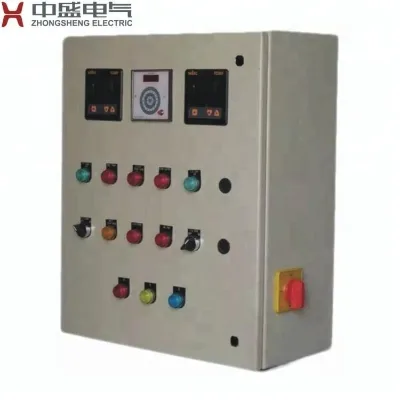


Distribution Board IP55/IP 66 Electrical Box Enclosure/Metal Electrical Box
$10.00 - $500.00
MOQ: 10 Pieces


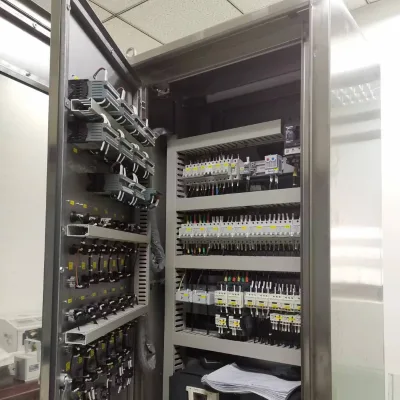
Maritime Low-Voltage Electrical Power Distribution Panel and Distribution Box
$5000.00 - $50000.00
MOQ: 1 Pieces







Comprehensive Sourcing Guide
Strategic Sourcing Guide for Marine IP68 Electrical Distribution Panels
Understanding the Technical Landscape of Marine Distribution Systems
When sourcing electrical distribution panels for marine environments, the primary challenge lies in reconciling the harsh operational conditions of maritime vessels with the stringent safety requirements of electrical infrastructure. The core keyword, "Marine IP68 Electrical Distribution Panel," implies a device capable of withstanding total immersion in water while maintaining electrical integrity. However, the available market data reveals a complex landscape where product attributes vary significantly based on the specific application, ranging from standard low-voltage distribution to specialized energy storage integration.
Buyers must first distinguish between general industrial distribution panels and those specifically engineered for marine use. The supplied product facts indicate a wide range of rated voltages, from 220V to 480V, and rated currents spanning 10A to 400A. While some entries list a rated short-time withstand current of 10KA, others focus on high-power applications with AC rated powers of 500kW or 935kW. This variance suggests that a single "marine" panel may not exist as a monolithic product but rather as a configuration of components. For marine applications, the operating voltage is typically low voltage, yet the specific working voltage ranges observed, such as 600V876V or 1040V1518V, point toward specialized energy storage systems rather than traditional power distribution.
The physical construction is equally critical. Marine environments demand robust protection against salt spray, humidity, and mechanical shock. The observed shell materials include stainless steel and steel plate, with thicknesses ranging from 1.2mm to 2.0mm. The paint finish, often an epoxy polyester coating in colors like Ral7035 or Ral7032, serves as the first line of defense against corrosion. Furthermore, the structural design varies from "All-packaged Type" to "Fixed Board" configurations. Buyers must verify that the specific model selected, such as the XL-21 or BJS1, aligns with the vessel's space constraints and the specific protection requirements of the installation site.
Navigating Certification and Compliance Standards
Compliance is the cornerstone of marine electrical procurement. Unlike general industrial settings, marine applications are subject to rigorous international and regional standards that ensure safety and reliability under extreme conditions. The product facts list a diverse array of certifications, including CE, IEC, RoHS, TUV, SGS, IP68, IP66, CCC, VDE, and ISO9001. It is imperative for buyers to understand that the presence of these certifications on a product listing does not guarantee that every listed unit meets marine-specific classification society requirements.
The IP68 rating, which denotes protection against dust ingress and continuous immersion in water, is a critical specification for marine environments. While the data confirms that IP68 is a standard offering alongside IP66, buyers must verify the specific test conditions under which this rating was achieved. Does the panel meet the immersion depth and duration requirements specified by the vessel's classification society, such as DNV, ABS, or Lloyd's Register? The listed standards also include IEC and CE, which are foundational but may not be sufficient on their own for marine certification.
Additionally, the "Standard" field in the product data often references "See below specifications" or "As per request," indicating a high degree of customization. This flexibility is beneficial but requires careful management. Buyers should not assume that a panel certified for general industrial use (IP66) automatically qualifies for marine immersion (IP68) without specific validation. The presence of ISO9001 indicates a quality management system, but it is a process standard, not a product performance guarantee. Procurement teams must request specific test reports that validate the IP68 rating under the exact environmental conditions expected on the vessel, including salt spray resistance and thermal cycling.
Decoding Cost Drivers and Pricing Variables
The pricing for electrical distribution panels in the marine sector is highly variable, influenced by a complex interplay of technical specifications, material costs, and customization levels. The observed price range in the market spans from $2 to $50,000 USD, a disparity that reflects the difference between small metering boxes and large, fully integrated energy storage distribution units.
Several key factors drive these costs. First, the rated current and voltage capabilities significantly impact the price. A panel rated for 10A at 220V will naturally cost less than a unit rated for 400A at 480V with a 10KA short-time withstand capability. Second, the shell material plays a substantial role. Stainless steel shells, which offer superior corrosion resistance compared to standard steel plates, command a premium. The thickness of the material, ranging from 1.2mm to 2.0mm, also contributes to the final cost, as thicker gauges require more raw material and processing time.
Customization is another major cost driver. The data indicates that customization is available for model numbers, dimensions, and packing methods. A standard "Carton Package" or "Wooden Box" will be less expensive than a bespoke packing solution designed for specific shipping requirements. Furthermore, the inclusion of advanced features such as liquid cooling systems, active early warning fire protection, and specific locking mechanisms adds to the overall price. The "OEM" (Original Equipment Manufacturer) offering suggests that branding and specific engineering requirements can further influence the cost structure.
Buyers should be wary of the lowest price points, which may correspond to basic models with limited marine-grade features. Conversely, the highest price points likely reflect fully integrated systems with high power ratings and specialized energy storage capabilities. Understanding the specific needs of the vessel is essential to avoid over-specifying or under-specifying the equipment.
Evaluating Supplier Capabilities and Origin Factors
The geographic origin of the manufacturer is a significant indicator of supply chain reliability and technical capability. The product data highlights origins in Hubei, Shandong, and Zhejiang Wenzhou, all of which are major industrial hubs in China. Zhejiang Wenzhou, in particular, is renowned for its electrical equipment manufacturing sector, often producing a wide variety of distribution boards and metering boxes.
When evaluating suppliers, buyers should look beyond the country of origin and focus on the specific capabilities of the facility. The "Customization: Available" attribute suggests that many suppliers are willing to adapt their products to specific client needs. However, the ability to customize does not equate to the ability to engineer complex marine solutions. Buyers must assess whether the supplier has a dedicated R&D team capable of designing panels that meet the unique vibration, humidity, and corrosion challenges of marine environments.
The "Place of Origin" listed as "China" or specific provinces indicates the manufacturing base, but it does not guarantee the quality of the final product. Buyers should verify the supplier's track record in the marine industry. Do they have experience supplying to shipyards or marine equipment distributors? The presence of certifications like CCC, VDE, and ISO9001 is a positive sign, but it is essential to confirm that these certifications are current and applicable to the specific product line being purchased.
Furthermore, the "OEM: Offered" attribute indicates that suppliers are open to branding and private labeling. This is crucial for buyers who require the panels to be integrated into a larger system or branded as part of a specific vessel's equipment. However, buyers must ensure that the OEM process does not compromise the integrity of the product's certifications or performance standards.
Quality Control and Inspection Protocols
Ensuring the quality of marine electrical distribution panels requires a robust quality control (QC) framework that extends beyond the factory floor. Given the critical nature of these components, buyers should implement a multi-stage inspection process. The first stage involves verifying the incoming materials. The shell material, whether stainless steel or steel plate, must meet the specified thickness and coating standards. The epoxy polyester coating should be inspected for uniformity and adhesion to ensure it will withstand the corrosive marine environment.
The second stage focuses on the internal components. The rated current, voltage, and frequency specifications must be validated through testing. For panels with energy storage capabilities, the number of cycles (≥10000) and operating temperature range (-30℃~55℃) must be verified. The fire protection system, described as "Perfluoro+ Active Early Warning," requires specific testing to ensure it functions correctly in the event of a thermal event.
The third stage involves final assembly and functional testing. The IP68 rating must be confirmed through rigorous immersion testing. The locking mechanisms, if specified, should be tested for durability and ease of use. The "Fixed Board" or "All-packaged Type" structure should be inspected for mechanical stability and proper alignment of internal components.
Buyers should also consider third-party inspection services to provide an independent verification of the product quality. This is particularly important for large orders or when the supplier is new to the buyer's network. The inspection should cover all aspects of the product, from material verification to final performance testing, ensuring that the delivered panels meet the agreed-upon specifications and standards.
Long-Term Procurement and Lifecycle Management
Procuring marine electrical distribution panels is not a one-time transaction but part of a long-term lifecycle management strategy. The durability and reliability of these panels are critical for the safety and operational efficiency of the vessel. Buyers should consider the long-term implications of their procurement decisions, including maintenance requirements, spare parts availability, and end-of-life disposal.
The "Working Voltage" and "Rated Frequency" of the panels must align with the vessel's power system to ensure compatibility and reduce the risk of failure. The "Cooling Type," such as liquid cooling, requires regular maintenance to prevent overheating and ensure optimal performance. The "Fire Protection System" also requires periodic checks to ensure it remains functional and compliant with safety regulations.
Spare parts availability is another crucial consideration. Buyers should ensure that the supplier can provide replacement components, such as circuit breakers, fuses, and control modules, for the lifespan of the vessel. The "Customised Size" and "OEM" options can complicate this, as non-standard parts may be harder to source in the future. Buyers should request a comprehensive spare parts list and a clear timeline for availability from the supplier.
Finally, buyers should consider the environmental impact of the panels. The "Shell Material" and "Paint Finish" should be selected with sustainability in mind, ensuring that the materials are recyclable and the coatings are environmentally friendly. The "Number of Cycles" for energy storage panels indicates the expected lifespan, which should be factored into the total cost of ownership.
Conclusion
Sourcing marine IP68 electrical distribution panels requires a meticulous approach that balances technical specifications, compliance requirements, and long-term operational needs. The available product data reveals a diverse market with varying capabilities, from standard low-voltage distribution to advanced energy storage systems. Buyers must carefully evaluate the technical attributes, such as rated current, voltage, and protection ratings, to ensure they meet the specific demands of their marine applications.
Compliance with international standards and certifications is non-negotiable. While the data lists numerous certifications, buyers must verify that these apply to the specific product and meet the rigorous requirements of marine classification societies. Cost drivers, including material quality, customization, and power ratings, must be understood to make informed procurement decisions.
Supplier evaluation should focus on technical capabilities, origin, and track record in the marine industry. Quality control protocols must be robust, covering material verification, component testing, and final performance validation. Finally, long-term procurement strategies should account for maintenance, spare parts availability, and environmental considerations. By adhering to these principles, buyers can secure high-quality, reliable electrical distribution panels that ensure the safety and efficiency of their marine operations.
FAQs
What certifications are available for marine electrical distribution panels?
Available certifications include CE, IEC, RoHS, TUV, SGS, IP68, and IP66. Buyers must verify that specific test reports validate the IP68 rating under exact immersion conditions required by classification societies.
Which shell materials are used for these distribution panels?
Shell materials include stainless steel and steel plate with thicknesses ranging from 1.2mm to 2.0mm. Stainless steel offers superior corrosion resistance compared to standard steel plates for harsh marine environments.
Can these panels be customized for specific vessel requirements?
Customization is available for model numbers, dimensions, and packing methods. Buyers should confirm that custom engineering does not compromise the integrity of product certifications or performance standards.
What is the rated voltage range for these electrical panels?
Rated voltages span from 220V to 480V, with some specialized units operating between 600V and 1518V. The specific working voltage must align with the vessel's power system to ensure compatibility.
How do suppliers handle packaging for these distribution units?
Packaging options include wooden boxes, carton packages, or custom requests. Standard carton or wooden box solutions are less expensive than bespoke packing designed for specific shipping requirements.