Source Marine Outfitting Sailboat Mast Bracket for Yachts, Ships, and Boats
Find 30 verified listings for Marine Outfitting Sailboat Mast Bracket options from Shandong suppliers. Compare stainless steel 316 models, sizes, and prices to select the right hardware for your vessel.
Key considerations
Products List
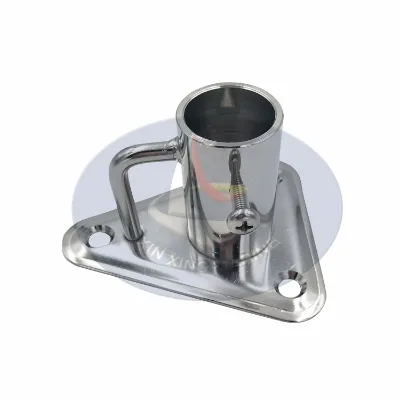
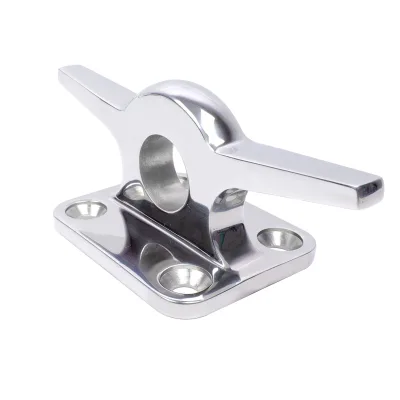
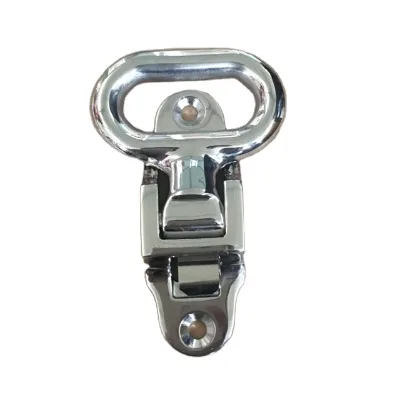
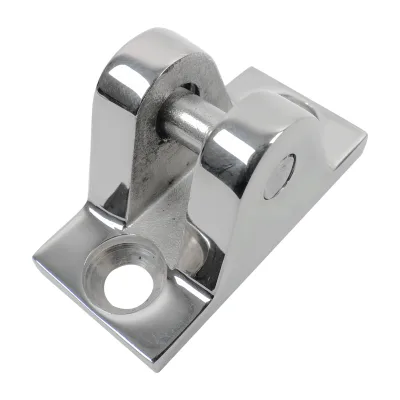
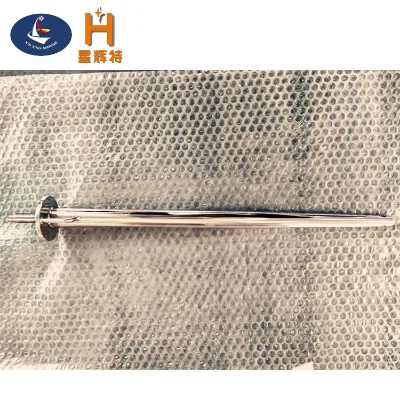
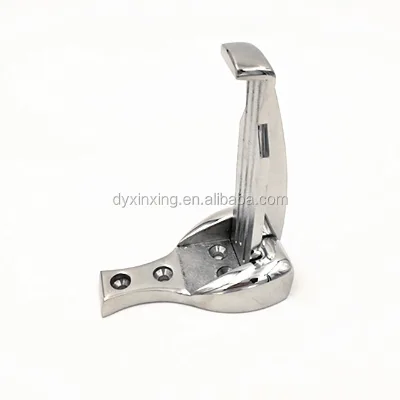


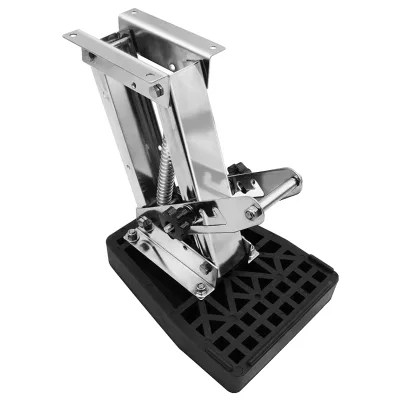
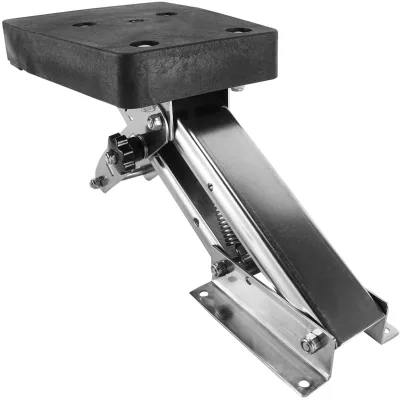
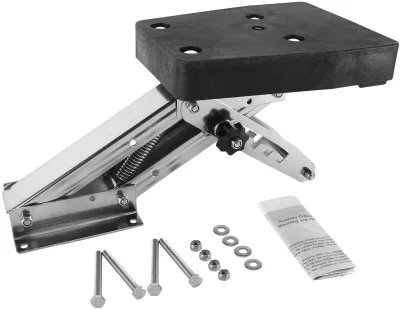


Ductile Iron Boat Accessories Bracket with Pressure-Tight & UL Listed Housings Casting
$0.90 - $10.00
MOQ: 200 Pieces


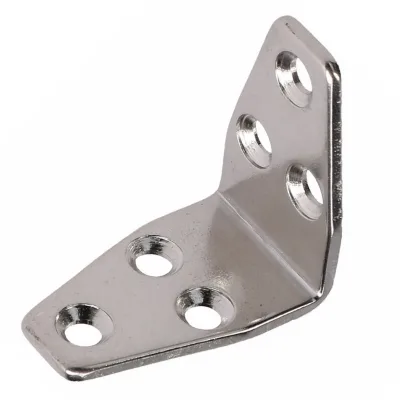


Comprehensive Sourcing Guide
Marine Outfitting Sailboat Mast Bracket Sourcing Guide
Selecting the right mast bracket for a sailboat is a critical decision that balances structural integrity, corrosion resistance, and precise fitment. In the marine outfitting sector, components must withstand constant exposure to saltwater, UV radiation, and dynamic loads generated by wind and wave action. The market offers a variety of stainless steel solutions, ranging from simple cleats to complex folding mast steps and heavy-duty hinges. Buyers must navigate a landscape where material grades, surface finishes, and manufacturing origins vary significantly, requiring a disciplined approach to verification rather than relying solely on product titles or marketing descriptions.
This guide provides a structured framework for evaluating marine hardware suppliers, with a specific focus on mast brackets and related outfitting components. By examining observed listing signals, technical specifications, compliance documentation, and commercial terms, procurement professionals can mitigate the risks associated with substandard marine hardware. The objective is to ensure that every purchased component meets the rigorous demands of marine environments, ensuring safety and longevity for the vessel.
Product Scope and Observed Listing Signals
The current market for marine outfitting hardware displays a wide range of product types, including mast brackets, cleats, folding mast steps, and deck hinges. Observed listings indicate that products are often categorized under broad terms such as "marine hardware" or "ship mooring," which can obscure the specific application of the item. For instance, while some items are explicitly labeled as "mast brackets," others may be described as "folding mast steps" or "cleats" intended for mooring purposes. Buyers must carefully distinguish between these categories, as a component designed for mooring may not possess the structural load-bearing capacity required for mast support.
Material composition is a primary signal of quality and suitability for marine environments. Listings frequently cite "Stainless Steel 316" or "Steel" as the primary material, with some specifying "Stainless Steel 304." The distinction between 316 and 304 grades is crucial, as 316 stainless steel offers superior resistance to chloride-induced corrosion, making it the preferred choice for marine applications. Additionally, surface finishes such as "Mirror Polished" or "Polished" are common, indicating a level of aesthetic and functional treatment that can reduce surface roughness and potential corrosion initiation points. Buyers should verify that the material grade matches the intended exposure environment, particularly for components like mast brackets that are subject to high stress.
Technical Specifications to Verify
Dimensional accuracy is paramount when sourcing mast brackets and related hardware. Observed specifications include sizes such as 7282mm for certain brackets and base sizes of 9979mm for cleats, highlighting the variability in design requirements. Buyers must ensure that the dimensions of the purchased component align precisely with the existing mounting points on the sailboat’s deck or mast. Mismatches in size can lead to improper installation, compromised structural integrity, and potential failure under load. It is essential to cross-reference the listed single package dimensions and gross weights with the actual product specifications to confirm that the item meets the required physical constraints.
The model numbers and part identifiers provided in listings serve as critical reference points for verification. Examples such as "XHL32A," "XH305PH-210," and "XH3301" indicate specific product lines that may have unique engineering characteristics. Buyers should request detailed technical drawings or installation manuals associated with these model numbers to understand the load ratings, mounting configurations, and compatibility with existing hardware. Furthermore, the condition of the product, typically listed as "New," should be confirmed to ensure that no refurbished or damaged items are being sold as new, which could compromise performance.
Compliance and Safety Documentation
Certification status is a key indicator of a supplier’s commitment to quality management systems. Observed listings mention certifications such as "ISO9001:2015" and "ISO9001:2008," which demonstrate that the manufacturer adheres to recognized standards for quality control. However, buyers should verify the current validity of these certifications and ensure that the specific product line in question is covered under the scope of the certification. Compliance with international standards is essential for marine hardware, as it provides assurance that the manufacturing processes are consistent and reliable, reducing the risk of defects.
Safety and performance documentation should also be requested to validate the suitability of the hardware for marine outfitting. While specific test results are not always provided in initial listings, buyers should inquire about material test certificates, corrosion resistance tests, and load-bearing capacity assessments. For components like mast brackets, which are critical to the structural stability of the sailboat, having documented evidence of performance under stress is invaluable. Buyers should also confirm that the products meet any relevant maritime safety regulations applicable to their region, ensuring that the hardware is not only compliant with quality standards but also with safety requirements.
Cost Drivers and Commercial Terms
Pricing in the marine hardware market is influenced by several factors, including material costs, manufacturing complexity, and order volume. Observed price ranges vary significantly, reflecting differences in product type, material grade, and supplier positioning. Buyers should be aware that lower prices may indicate the use of inferior materials, such as 304 stainless steel instead of 316, or less rigorous quality control processes. It is important to evaluate the total cost of ownership, which includes not only the purchase price but also the potential costs associated with installation, maintenance, and replacement due to premature failure.
Minimum Order Quantities (MOQs) and supply ability are other critical commercial terms to consider. Listings indicate MOQs ranging from 1 to 500 pieces, with some suppliers offering supply abilities of up to 50,000 pieces per month. Buyers should align their order quantities with their project needs and storage capabilities, while also considering the supplier’s capacity to fulfill larger orders if required. Additionally, terms such as OEM acceptance and packaging details, such as "inner double bubble bags with cartons, outer with pallets," should be clarified to ensure that the products are protected during transit and that any custom branding or specifications can be accommodated.
Supplier Qualification and Quality Control
Geographic origin and port of dispatch are important factors in assessing supplier reliability and logistics efficiency. Observed listings indicate that many products originate from Shandong, China, with dispatch ports including Qingdao and Shanghai. Buyers should verify the supplier’s location and logistics capabilities to ensure timely delivery and minimize shipping costs. Additionally, the brand names associated with the products, such as "XINXING" and "xinghui," can provide insights into the supplier’s market presence and reputation. However, buyers should not rely solely on brand recognition and should conduct their own due diligence to assess the supplier’s overall capability.
Quality control processes are essential to ensure that the products meet the specified standards and requirements. Buyers should inquire about the supplier’s quality control procedures, including inspection protocols, testing methods, and defect management systems. Suppliers that welcome OEM orders and have established quality management systems are more likely to deliver consistent and reliable products. Additionally, buyers should consider requesting samples before placing large orders to verify the quality, finish, and dimensions of the products. This step can help identify any potential issues early in the procurement process and prevent costly mistakes.
Long-Term Procurement Checks
Establishing a long-term relationship with a reliable supplier is crucial for ensuring the consistent supply of high-quality marine hardware. Buyers should focus on suppliers that demonstrate a commitment to continuous improvement, innovation, and customer satisfaction. Regular communication and feedback loops can help identify areas for improvement and strengthen the partnership. Additionally, buyers should monitor the supplier’s performance over time, tracking metrics such as delivery times, product quality, and responsiveness to issues. This ongoing evaluation can help ensure that the supplier continues to meet the buyer’s evolving needs and standards.
Finally, buyers should stay informed about industry trends, technological advancements, and regulatory changes that may impact the procurement of marine outfitting components. This includes keeping abreast of new materials, manufacturing techniques, and safety standards that could offer improved performance or cost savings. By maintaining a proactive approach to procurement, buyers can ensure that their sailboats are equipped with the best possible hardware, enhancing safety, performance, and longevity. Regular reviews of the procurement strategy and supplier base can help identify opportunities for optimization and risk mitigation, ensuring that the procurement process remains efficient and effective.
FAQs
What material is used for the Marine Outfitting Sailboat Mast Bracket?
The product is constructed from Stainless Steel 316 to ensure durability in marine environments. This material choice provides high resistance to corrosion and saltwater exposure, making it suitable for long-term use on yachts and ships.
Which certifications does the manufacturer hold for these fittings?
The supplier holds ISO9001:2015 and ISO9001:2008 certifications for their quality management systems. These standards verify that the production processes meet international requirements for consistency and reliability in marine hardware manufacturing.
How can I customize the product with my own brand?
OEM services are welcomed and accepted for this marine hardware product. Buyers can request custom branding or specifications, allowing them to integrate the fittings into their specific vessel outfitting projects with their own identity.
What is the minimum order quantity for purchasing these brackets?
The minimum order quantity varies by product, with some items requiring 100 pieces while others start at just one unit. Buyers should check specific model requirements as the range spans from single items up to 500 units.
Where are these marine hardware fittings manufactured and shipped from?
The products originate from Shandong, China, and are dispatched via ports like Qingdao or Shanghai. This location allows for efficient logistics and supply chain management for international buyers sourcing marine outfitting components.
Can I find these brackets with a mirror polished surface finish?
Yes, specific models feature a mirror polished surface finish for aesthetic and functional benefits. This treatment enhances the appearance of the stainless steel while providing a smooth surface that resists dirt accumulation in marine settings.