Source Marine Nylon Wing Anchor for Yacht, Boat, and Dock
Find and compare 30 Marine Nylon Wing Anchor options from verified suppliers. Evaluate specifications including stainless steel 316 construction, precision casting techniques, and customized sizes ranging from 1kg to 120kg for various marine environments; compare the available evidence and request quotations based on your requirements.
Key considerations
Products List






Comprehensive Sourcing Guide
Marine Nylon Wing Anchor Sourcing Guide
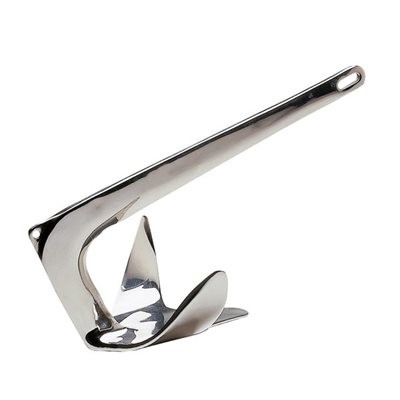
Procurement of marine nylon wing anchors requires distinguishing between the specific nylon composite variants and the stainless steel alternatives frequently listed in general marine hardware catalogs. While the supplied data highlights stainless steel 316 models with precision casting and polished surfaces, buyers must verify if the specific nylon wing design is available, as the provided facts primarily describe steel anchors with delta or claw configurations. This distinction is critical because nylon offers different buoyancy and holding characteristics compared to the heavy-duty steel options observed in the listings.
Buyers should scrutinize product descriptions for explicit mentions of nylon composition, as the current dataset emphasizes steel materials and marine-grade stainless steel 316. The observed listings include various anchor types such as boat dock bruce style and pool anchors, but the specific "wing" geometry often implies a different manufacturing process than the casting and welding techniques noted in the source facts. Ensuring the material matches the intended application environment is the first step in avoiding procurement errors when sourcing this specialized hardware.
Product Scope and Observed Listing Signals
The observed market signals indicate a wide range of anchor weights from 1kg to 120kg, with customization available for specific weight requirements and model numbers like SH001-006-0120. While the data confirms the availability of marine-grade stainless steel 316 anchors with mirror-polished surfaces, buyers must confirm if the nylon wing variant shares these weight ranges or if it operates within a different capacity bracket. The presence of custom-made options suggests that manufacturers can adapt dimensions, but the material composition must be explicitly verified against the nylon requirement.
Listing signals also reveal diverse packaging methods, including polybags, cartons, and wooden pallets, which impact shipping costs and product protection during transit. The observed delivery times vary significantly, with some suppliers offering rapid 5-10 day turnaround while others list up to 60 days, necessitating clear communication regarding lead times for custom nylon orders. Buyers should expect that specialized materials like nylon may require longer production cycles than standard steel anchors, even if the general category allows for quick delivery on stock items.
Technical Specifications to Verify
Technical verification must focus on the specific geometry of the wing anchor, ensuring the design matches the intended holding power for the target vessel size. The supplied facts mention delta and claw anchor designs, but the wing configuration requires unique fluke angles and shank lengths that differ from the standard models listed. Buyers should request detailed engineering drawings to confirm that the nylon material can withstand the torsional forces expected in marine environments without deforming under load.
Surface treatment and manufacturing techniques are also critical, as the observed data highlights polished and mirror-finished steel surfaces produced via precision casting. For nylon anchors, the buyer must verify the molding process and the specific grade of nylon resin used to ensure resistance to UV degradation and saltwater corrosion. Although the provided facts list ISO and DIN standards for steel, the buyer must confirm that equivalent standards exist for the nylon composite to guarantee structural integrity and performance consistency.
Compliance and Safety Documentation
Compliance verification should begin with the ISO9001 certification observed in the supplier data, which indicates a baseline quality management system for manufacturing processes. While the listed products carry ISO, DIN, GB, and ASTM standards, buyers must ensure these certifications explicitly cover the nylon wing anchor design and not just the steel variants. Documentation should confirm that the manufacturing facility adheres to safety protocols for handling composite materials and that the final product meets marine safety regulations for the intended use environment.
Safety documentation must also address the specific use environment, which the data identifies as marine, outdoor, and home settings. Buyers should request test reports that validate the anchor's holding capacity in various seabed conditions, as the observed facts mention marine environments but do not provide specific test results for nylon materials. Ensuring that the supplier can provide evidence of performance under load is essential for liability protection and operational safety when deploying anchors in commercial or recreational vessels.
Cost Drivers and Commercial Terms
Cost drivers for marine nylon wing anchors include the raw material price of high-grade nylon, the complexity of the molding process, and the customization level required for specific weight and size specifications. The observed MOQ ranges from 1 piece to 1000 pieces, suggesting that smaller orders may incur higher unit costs due to setup fees for custom molds. Buyers should anticipate that customizing the anchor design or material composition will increase the base price compared to standard off-the-shelf steel models.
Commercial terms must account for the varied delivery times and shipping methods observed, ranging from express freight to sea and land freight options. The data indicates a capacity of 10,000 pieces per month, which can influence pricing for bulk orders, but lead times may extend to 60 days for custom requests. Buyers should negotiate clear payment terms and delivery schedules that align with their project timelines, ensuring that the supplier can meet the required volume without compromising on the quality of the nylon components.
Supplier Qualification and Quality Control
Supplier qualification should prioritize manufacturers with proven experience in marine hardware, as evidenced by the observed production capacity of 10,000 pieces per month and origins in Shandong, China. Buyers must verify that the supplier has specific expertise in molding nylon composites, as the provided facts primarily detail steel casting and welding techniques. A supplier's ability to handle both steel and composite materials indicates a versatile manufacturing capability that can better support diverse procurement needs.
Quality control processes must be rigorous, given the critical nature of anchoring equipment in marine environments. The observed data mentions precision casting and mirror polishing for steel, but for nylon anchors, the buyer must verify the quality control checks for material consistency, dimensional accuracy, and surface finish. Requesting samples for pre-shipment inspection is essential to ensure that the final product meets the specified technical requirements and performs reliably in the intended marine application.
Long-Term Procurement Checks
Long-term procurement checks should focus on the supplier's ability to maintain consistent quality over multiple production runs and their responsiveness to design changes. The observed customization options and OEM services suggest flexibility, but buyers must establish a framework for ongoing quality assurance that includes periodic audits and performance reviews. Ensuring that the supplier can consistently deliver nylon anchors that meet the original specifications is vital for maintaining fleet safety and operational efficiency.
Buyers should also monitor the supplier's inventory management and capacity to scale production as demand fluctuates. The data indicates a monthly capacity of 10,000 pieces, but long-term contracts require assurance that this capacity remains stable and that raw material supply chains are secure. Establishing a relationship with a supplier who can provide timely updates on production status and potential delays will help mitigate risks associated with supply chain disruptions in the marine hardware sector.
FAQs
What materials are used for marine anchors?
Marine anchors are typically crafted from marine grade stainless steel 316 or standard steel. These materials provide essential corrosion resistance for yacht and boat applications. Some products also utilize nylon for specific wing designs. The choice depends on the required weight and environmental exposure.
Can I customize the anchor specifications?
Yes, customization is available for most marine anchor products. Buyers can request specific models, sizes, and surface treatments like polished or mirror finishes. OEM services are acceptable, allowing for tailored designs. This ensures the anchor meets precise vessel requirements and aesthetic preferences for marine environments.
What is the typical MOQ for orders?
The minimum order quantity varies by product type. Some items require an MOQ of 1000 pieces, while others accept orders as low as 1 piece. This flexibility supports both bulk industrial procurement and small-scale yacht accessory needs. Buyers should verify the specific MOQ for their chosen anchor model.
How long does delivery take?
Delivery times generally range from 5 to 60 days after payment. Some suppliers offer faster turnaround within 10 days, while others may take up to 60 days for larger orders. Shipping options include express, sea, land, and air freight. Lead times depend on the production capacity and selected logistics method.
Which certifications do manufacturers hold?
Manufacturers often hold ISO9001 certification for quality management systems. Products may comply with international standards such as DIN, GB, JIS, ANSI, and ASTM. These certifications ensure the anchors meet rigorous safety and performance criteria for marine use. Buyers can verify specific standard compliance during the sourcing process.
What packaging methods are used?
Products are typically packed in polybags, cartons, and wooden pallets. Some items use bubble bags for added protection during transit. The packaging ensures safe delivery via sea or air freight. This method protects the polished or mirror-finished surfaces from damage, maintaining the product's quality upon arrival at the destination port.