Source Marine LED Searchlight for Boats, Yachts, and Ships
Find and compare 30 Marine LED Searchlight options for marine, industrial, and outdoor applications. Evaluate specifications such as IP67/IP68 ratings, LED light sources, and stainless steel construction to select the right lighting solution for your procurement needs.
Key considerations
Products List


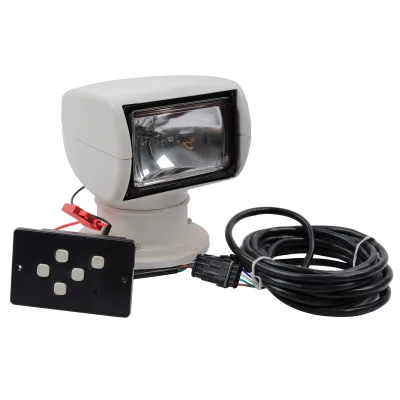
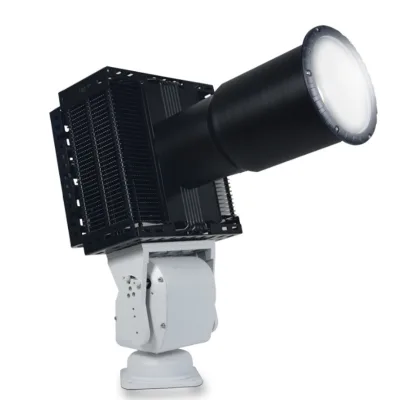
Comprehensive Sourcing Guide
Marine LED Searchlight Sourcing Guide
Sourcing marine LED searchlights requires a disciplined approach to technical verification and commercial due diligence, as these specialized lighting fixtures operate in some of the most demanding environments in industrial and maritime procurement. The core keyword "Marine LED Searchlight" points to a category of high-intensity illumination devices designed specifically for vessel navigation, harbor operations, and offshore industrial applications. Buyers must navigate a market where product attributes vary significantly based on intended use, ranging from small boat auxiliary lighting to heavy-duty industrial floodlights for ship decks. The procurement process begins with a clear definition of operational requirements, ensuring that the selected unit meets the rigorous standards of saltwater exposure, mechanical vibration, and electrical stability inherent to marine environments.
This guide provides evidence-based procurement strategies for sourcing these critical assets, focusing on the verification of technical specifications, compliance documentation, and supplier reliability. By leveraging observed listing signals and trusted category knowledge, buyers can construct a robust evaluation framework that minimizes risk and ensures long-term operational continuity. The following sections detail the essential steps for validating product performance, understanding cost structures, and establishing quality control protocols. This structured approach enables procurement teams to make informed decisions that align with both immediate project needs and long-term fleet maintenance strategies, ultimately securing reliable illumination solutions that withstand the harsh realities of marine operations.
Product Scope and Observed Listing Signals
The observed product landscape for marine LED searchlights reveals a diverse range of models, each tailored to specific operational parameters and environmental conditions. Listings indicate a wide price range, reflecting variations in power output, build quality, and feature sets, with observed minimum order quantities (MOQs) spanning from single units to bulk orders of thousands. Key attributes frequently highlighted include IP ratings such as IP67 and IP68, which are critical for ensuring resistance to water ingress and dust accumulation in wet marine environments. Additionally, materials like stainless steel and aluminum are commonly cited, providing the necessary structural integrity and corrosion resistance required for prolonged exposure to saltwater and harsh weather conditions.
Further analysis of listing signals shows that customization is often available, allowing buyers to tailor specifications to unique vessel requirements. Product models such as LCDMA-S-7M-LN2-65K and TH-SL1 suggest a variety of configurations, with some units offering changeable emitting colors or specific color temperatures like cool white and warm white. The observed beam angles and projection distances, ranging from less than 10 degrees for focused beams to wider spreads, indicate that buyers must carefully match the light’s optical characteristics to their specific visibility needs. Packing methods, including carton boxes and wooden packages, also vary, suggesting that logistics and handling considerations should be factored into the procurement decision to prevent damage during transit.
Technical Specifications to Verify
Verifying technical specifications is paramount to ensuring that the selected Marine LED Searchlight performs reliably under operational stress. Buyers should prioritize the verification of IP ratings, ensuring that units meet or exceed IP67 or IP68 standards to guarantee protection against temporary or continuous immersion in water. The material composition, typically a combination of stainless steel and aluminum, must be confirmed to resist corrosion and withstand mechanical impacts, particularly in high-vibration environments such as those found on moving vessels. Additionally, the LED type, often SMD (Surface-Mounted Device), should be evaluated for its efficiency and longevity, with lumen outputs ranging from 70-150lm/W indicating varying levels of energy efficiency and brightness.
Electrical compatibility is another critical area for verification, as marine environments often present unique power supply challenges. Buyers must confirm the operating voltage range, with observed specifications including 85-265V AC and 12V DC options, to ensure seamless integration with existing vessel electrical systems. The power consumption, often exceeding 100W for high-intensity models, should be balanced against the required illumination distance, which can range from 25-35 meters for general use to several kilometers for long-range navigation. Furthermore, the beam angle and illuminance levels, such as those providing approximately 1000m-6000m visibility at 1 lux, must be aligned with the specific operational scenarios, whether for close-quarters maneuvering or open-sea surveillance.
Compliance and Safety Documentation
Compliance with international and regional safety standards is non-negotiable for marine LED searchlights, given the critical role these devices play in navigation and safety. Buyers must verify that products carry relevant certifications, such as CE, RoHS, FCC, and CCC, which indicate adherence to electromagnetic compatibility, environmental safety, and electrical safety regulations. These certifications are essential for ensuring that the lighting fixtures do not interfere with other onboard electronic systems and meet the stringent safety requirements of maritime authorities. Additionally, compliance with marine-specific standards, such as those related to anti-salt water coatings and warranty periods, provides assurance of the product’s durability and resistance to corrosion in saltwater environments.
Beyond certifications, buyers should request detailed documentation regarding the product’s construction and testing procedures. This includes verifying the IK rating, such as IK09 or IK10, which indicates the level of protection against mechanical impacts and vandalism. Documentation should also confirm the operating temperature range and the effectiveness of any protective coatings, such as the 10-year warranty anti-salt water coating observed in some listings. By thoroughly reviewing these compliance documents, buyers can mitigate the risk of regulatory non-compliance and ensure that the selected searchlights meet the rigorous safety and performance standards required for marine applications.
Cost Drivers and Commercial Terms
Understanding the cost drivers associated with marine LED searchlights is essential for effective budgeting and negotiation. The primary cost factors include the power output, material quality, and level of customization required. High-intensity units with advanced features, such as remote control capabilities or specific color temperatures, typically command higher prices. Additionally, the MOQ can significantly influence the unit cost, with bulk orders often benefiting from economies of scale. Buyers should also consider the packaging requirements, as specialized packaging like wooden cases may add to the overall cost but is necessary for protecting the units during shipping.
Commercial terms, including lead times and payment conditions, play a crucial role in the procurement process. Buyers should negotiate clear terms regarding delivery schedules, especially for large orders, to ensure that the lighting fixtures are available when needed for vessel outfitting or maintenance. Payment terms should be structured to balance risk, with options such as partial upfront payments and balance upon shipment or delivery being common. Additionally, buyers should inquire about warranty terms and after-sales support, as these factors can impact the total cost of ownership. By carefully evaluating these commercial terms, buyers can secure favorable pricing and ensure a smooth procurement experience.
Supplier Qualification and Quality Control
Supplier qualification is a critical step in ensuring the reliability and quality of marine LED searchlights. Buyers should verify the supplier’s manufacturing capabilities, including their production facilities in locations such as Shenzhen City and Zhejiang Province in China, to assess their capacity and expertise. It is essential to confirm that the supplier has a robust quality control system in place, including rigorous testing procedures for IP ratings, electrical safety, and material durability. Buyers should also request references or case studies from previous marine clients to gauge the supplier’s experience and reliability in this specialized market.
Quality control protocols should extend beyond the supplier’s internal checks to include third-party inspections and certifications. Buyers should consider engaging independent inspection agencies to verify product quality before shipment, ensuring that the units meet the specified technical and compliance requirements. Additionally, establishing clear communication channels with the supplier for ongoing quality monitoring and issue resolution is vital. By implementing a comprehensive supplier qualification and quality control strategy, buyers can minimize the risk of receiving substandard products and ensure that their marine LED searchlights perform reliably in demanding operational environments.
Long-Term Procurement Checks
Long-term procurement checks are essential for maintaining the performance and reliability of marine LED searchlights over their operational lifespan. Buyers should establish a regular maintenance schedule that includes routine inspections of the lighting fixtures for signs of corrosion, damage, or electrical faults. This proactive approach helps identify potential issues early, allowing for timely repairs or replacements before they impact vessel operations. Additionally, buyers should monitor the supplier’s product updates and technological advancements, as newer models may offer improved efficiency, durability, or features that could enhance operational performance.
Furthermore, buyers should maintain a detailed record of all procurement activities, including supplier performance, product specifications, and maintenance history. This documentation serves as a valuable resource for future procurement decisions, enabling buyers to make informed choices based on past experiences and performance data. By implementing a structured long-term procurement strategy, buyers can ensure that their marine LED searchlights continue to meet operational needs and regulatory requirements, ultimately supporting the safety and efficiency of their maritime operations.
FAQs
What certifications do marine LED searchlights typically have?
Marine LED searchlights often carry CE, RoHS, FCC, and CCC certifications. These ensure compliance with safety and environmental standards for international markets, particularly for products originating from Shenzhen or Zhejiang in China.
Which IP ratings are available for these search lights?
Available IP ratings include IP67, IP68, and IP44 for water and dust resistance. Higher ratings like IP68 are suitable for harsh marine environments, ensuring the device remains operational under submersion or heavy rain conditions.
Can I customize the color temperature of the LED light?
Yes, customization is available for color temperature options like Cool White or Warm White. Some models also offer changeable emitting colors, allowing buyers to select settings that best fit specific industrial or marine application needs.
What materials are used to construct these search lights?
These lights are constructed from Stainless Steel and Aluminum for durability. Marine grade versions feature an anti-salt water coating with a ten-year warranty, ensuring long-term performance in corrosive ocean environments.
How far can the beam illuminate in marine applications?
The visible distance can reach up to 2000 meters for high-power models. Typical projection distances range from 25 to 35 meters for standard units, while beam illuminance for 1 lux may extend between 1000 and 6000 meters.
What voltage types are supported by these LED search lights?
Supported voltage types include AC 220V and DC 12V systems. Operating voltage ranges from 85 to 265V for AC models, making them adaptable to various power sources found on boats, factories, and industrial sites.
What packaging options are provided for shipping these lights?
Packaging options include Carton Boxes and Wood Packages or Wooden Cases. The choice depends on the specific model and shipping requirements, ensuring protection during transit for both domestic and international orders.