Source Maserati Forged Aluminum Wheels for Racing, Street, and Track
Compare 30 listings for Maserati Forged Aluminum Wheels featuring 4WD compatibility and electronic structures. Evaluate specifications like 18-22 inch sizes, TUV and ISO certifications, and customization options to find the right fit for your automotive needs.
Key considerations
Products List


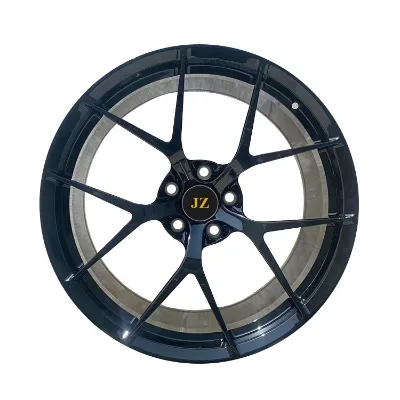


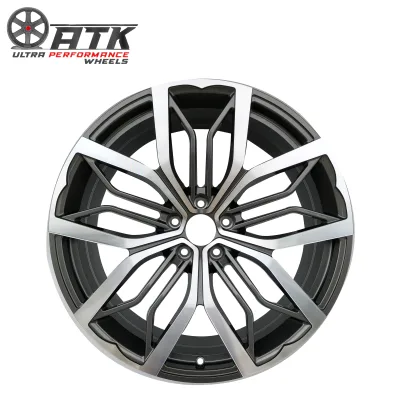


17-24 Inch Forged Aluminum Wheel Rims Custom Finish Performance Alloy Wheels
$330.00 - $560.00
MOQ: 4 Pieces
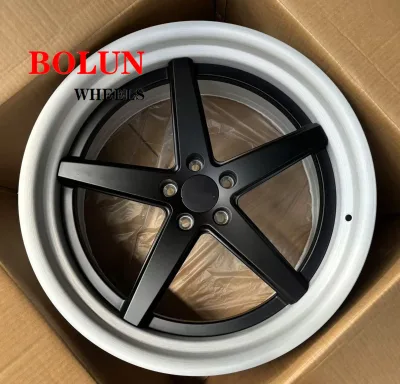
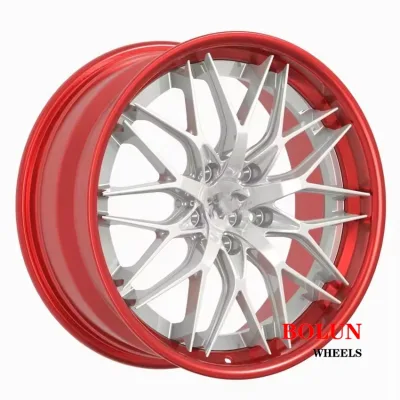
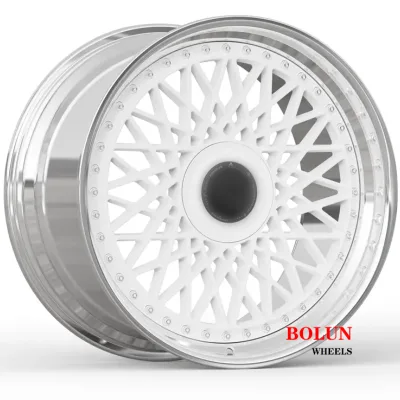
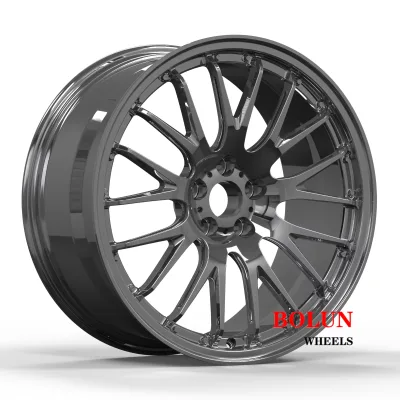
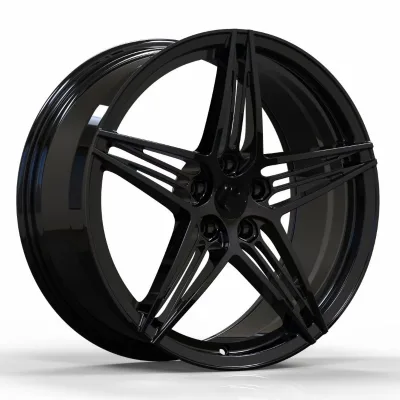
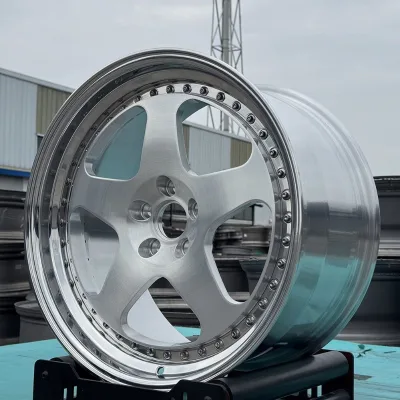


Comprehensive Sourcing Guide
Maserati Forged Aluminum Wheels Sourcing Guide
Sourcing high-performance wheel components for luxury vehicles like Maserati requires a rigorous approach that balances aesthetic precision with structural integrity. The market for forged aluminum wheels is characterized by a wide variance in manufacturing quality, ranging from OEM-grade components to aftermarket replicas. Buyers must navigate a complex landscape where material purity, forging pressure, and finishing techniques directly impact vehicle safety and performance. This guide provides a structured framework for evaluating suppliers, verifying technical specifications, and ensuring compliance with international safety standards. By focusing on evidence-based procurement strategies, buyers can mitigate risks associated with counterfeit parts, substandard materials, and non-compliant manufacturing processes.
The following sections detail the critical steps for sourcing these components, from initial product scope definition to long-term supplier relationship management. Each section is designed to help procurement professionals make informed decisions based on observable market signals and verified technical data. The goal is to establish a sourcing strategy that prioritizes quality, compliance, and cost-efficiency without compromising on the safety and performance requirements of high-end automotive applications.
Product Scope and Observed Listing Signals
The current market for forged aluminum wheels exhibits a broad range of product attributes, with observed prices spanning from $1 to $1,599 USD. This wide price disparity often reflects differences in material quality, manufacturing complexity, and brand positioning. Buyers should be cautious of listings with unusually low prices, as they may indicate the use of inferior alloys or casting methods rather than true forging processes. The minimum order quantity (MOQ) typically ranges from 1 to 100 units, offering flexibility for both individual replacements and bulk fleet procurement. Understanding these market signals is essential for setting realistic budget expectations and identifying suppliers who align with specific procurement volumes.
Product listings frequently highlight specific customization options, with many suppliers offering tailored solutions to meet unique vehicle requirements. Attributes such as wheel rim dimensions, hub diameters, and bolt patterns are commonly specified to ensure compatibility with various vehicle models. For instance, observed specifications include wheel hub diameters ranging from less than 16 inches to over 24 inches, with common sizes like 17x7.0, 18-22 inches, and 22.5x7.50. Additionally, finishing options such as black and chrome plating are available, allowing for aesthetic customization. Buyers should verify that the listed dimensions and finishes match their specific vehicle requirements to avoid fitment issues and ensure optimal performance.
Technical Specifications to Verify
Verifying technical specifications is crucial to ensure that the wheels meet the performance and safety standards required for high-end vehicles. Key attributes to verify include the wheel hub diameter, PCD (Pitch Circle Diameter), CB (Center Bore), and weight. For example, common PCD values observed in the market include 100, 100-114.3, and 114.3 mm, while CB values such as 67.1 mm are also noted. Weight specifications vary, with observed weights ranging from 5.8 kg to 9.6 kg, depending on the size and design of the wheel. Buyers should request detailed technical drawings and material certificates to confirm that these specifications are met and that the wheels are suitable for their intended application.
Material composition and structural design are also critical factors to consider. The market offers wheels made from aluminum alloys, with some listings specifying an aluminum content of 45% and an alloy content of 35-36%. The structure of the wheels is often described as electronic, which may refer to the integration of sensors or other electronic components for advanced vehicle systems. Additionally, communication modes such as wire communication are mentioned, suggesting compatibility with modern vehicle diagnostics. Buyers should ensure that the material composition and structural design align with the vehicle’s engineering requirements and that the wheels are certified for use in high-speed and high-load conditions.
Compliance and Safety Documentation
Compliance with international safety standards is non-negotiable when sourcing wheels for luxury vehicles. Buyers must verify that suppliers hold relevant certifications, such as ISO, TUV, VIA, and DOT, which indicate adherence to rigorous quality and safety protocols. These certifications ensure that the wheels have undergone extensive testing for durability, impact resistance, and fatigue life. Buyers should request copies of these certifications and verify their validity with the issuing bodies. Additionally, suppliers should provide test reports and quality control records that demonstrate the wheels’ compliance with specific standards, such as JWL or VIA standards for lightweight alloy wheels.
In addition to certifications, buyers should ensure that the wheels meet regional regulatory requirements. For example, in the European market, wheels must comply with ECE R124 standards, while in the United States, they must meet DOT regulations. Buyers should also verify that the wheels are labeled with the appropriate markings, including the manufacturer’s name, part number, and certification marks. These markings are essential for traceability and accountability in the event of a safety recall or quality issue. By prioritizing compliance and safety documentation, buyers can mitigate legal and reputational risks associated with non-compliant products.
Cost Drivers and Commercial Terms
Several factors influence the cost of forged aluminum wheels, including material costs, manufacturing complexity, and finishing processes. The use of high-purity aluminum alloys and advanced forging techniques can significantly increase production costs, but these investments are necessary to ensure the wheels’ strength and durability. Buyers should also consider the cost of customization, such as specific dimensions, finishes, and branding, which can add to the overall price. Additionally, shipping and logistics costs, including packaging and handling, should be factored into the total cost of ownership. Buyers should request detailed quotes that break down these costs to ensure transparency and avoid hidden fees.
Commercial terms, such as payment terms, lead times, and warranty policies, are also critical considerations. Buyers should negotiate favorable payment terms, such as partial upfront payments and balance upon delivery, to manage cash flow and mitigate financial risk. Lead times can vary significantly depending on the supplier’s production capacity and the complexity of the order, so buyers should establish clear timelines and penalties for delays. Warranty policies should cover defects in materials and workmanship, with clear procedures for claims and replacements. By carefully evaluating these commercial terms, buyers can secure favorable agreements that protect their interests and ensure a smooth procurement process.
Supplier Qualification and Quality Control
Supplier qualification is a critical step in ensuring the quality and reliability of the sourced wheels. Buyers should conduct thorough due diligence on potential suppliers, including site visits, audits, and assessments of their manufacturing capabilities. Key areas to evaluate include the supplier’s quality management systems, production processes, and testing facilities. Buyers should also verify the supplier’s track record, including their experience in supplying wheels for high-end vehicles and their reputation in the market. Additionally, buyers should assess the supplier’s ability to provide consistent quality and meet delivery deadlines, as these factors are essential for maintaining supply chain stability.
Quality control measures should be implemented throughout the production process to ensure that the wheels meet the specified requirements. Buyers should request detailed quality control plans that outline the inspection points, testing methods, and acceptance criteria for each stage of production. These plans should include visual inspections, dimensional checks, and mechanical testing to verify the wheels’ integrity and performance. Buyers should also establish clear communication channels with the supplier to address any quality issues promptly and implement corrective actions. By prioritizing supplier qualification and quality control, buyers can ensure that the sourced wheels meet the highest standards of quality and safety.
Long-Term Procurement Checks
Long-term procurement checks are essential for maintaining the quality and reliability of the sourced wheels over time. Buyers should establish regular performance reviews with their suppliers to assess their ongoing compliance with quality standards and delivery commitments. These reviews should include feedback on product quality, customer service, and responsiveness to issues. Buyers should also monitor market trends and technological advancements to ensure that their sourcing strategy remains competitive and aligned with industry best practices. Additionally, buyers should maintain a diversified supplier base to mitigate the risk of supply chain disruptions and ensure continuity of supply.
Continuous improvement initiatives should be encouraged to drive innovation and efficiency in the procurement process. Buyers should collaborate with their suppliers to identify opportunities for cost reduction, quality enhancement, and process optimization. This collaboration can include joint development projects, shared best practices, and technology transfers. Buyers should also stay informed about regulatory changes and industry standards to ensure that their sourcing strategy remains compliant and relevant. By implementing long-term procurement checks and fostering a culture of continuous improvement, buyers can build resilient and sustainable supply chains that support their business objectives.
FAQs
What certifications are available for these aluminum wheels?
These wheels are available with TUV, ISO, VIA, and DOT certifications. Buyers can select specific compliance standards based on their regional regulatory requirements. The product page lists multiple certification options to ensure global market acceptance and safety compliance for automotive applications.
Can these wheels be customized for specific vehicle models?
Yes, customization is available for these aluminum alloy wheels. Buyers can request specific modifications to fit particular vehicle requirements. The manufacturing process supports tailored solutions, allowing for adjustments in specifications to meet unique automotive engineering needs and design preferences.
What is the typical packaging method for these wheels?
The wheels are packaged in cartons or on trays within cardboard boxes. This packaging method ensures safe transit and protection against damage during shipping. The standardized packing approach helps maintain product integrity and facilitates efficient handling for bulk orders and international logistics.
Which wheel sizes are commonly stocked for these products?
Common sizes include 16-inch, 17-inch, 18-inch to 22-inch, and 20-inch variants. Specific models like BT-DB-2010 and BTC-19675 correspond to these dimensions. Buyers can choose from a range of diameters to match their vehicle specifications, with hub diameters spanning from under 16 inches to 24 inches.
What is the origin and material composition of these wheels?
These wheels originate from China and are primarily made of aluminum alloy. The material composition includes approximately 45% aluminum and 35-36% alloy content. This construction provides a balance of strength and weight, with individual wheel weights ranging from 5.8kg to 9.6kg depending on the specific model.