Source Matcha Bowl for Ceremonial Use, Daily Brewing, and Gift Sets
Find 30 Matcha Bowl options from Guangdong manufacturers featuring eco-friendly ceramic materials and customizable designs. Buyers can compare irregular shapes, LFGB and FDA certifications, and production lead times for promotional or daily use applications.
Key considerations
Products List
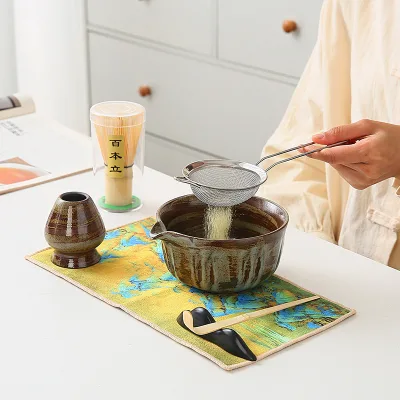


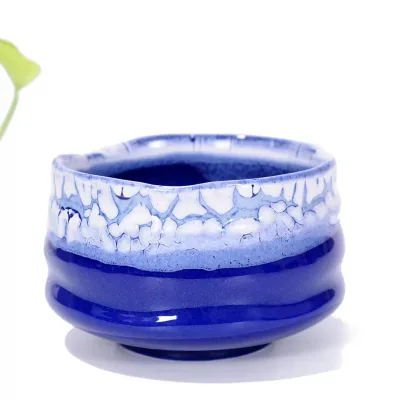
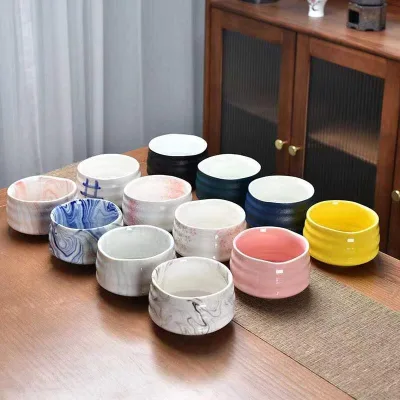
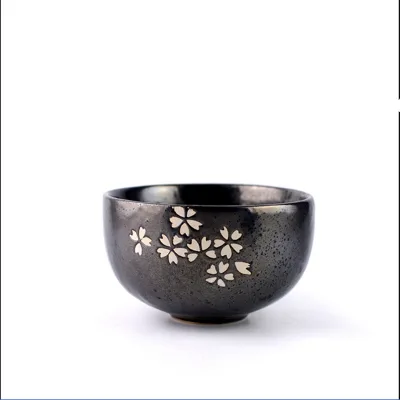


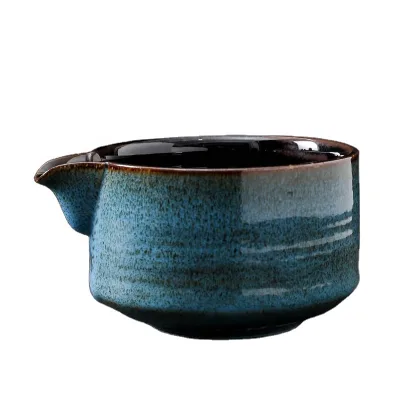
Custom Serving Tea Mixing Colourful Large Ceramic Bowl Matcha Bowl with Design
$2.99 - $3.09
MOQ: 500 Pieces

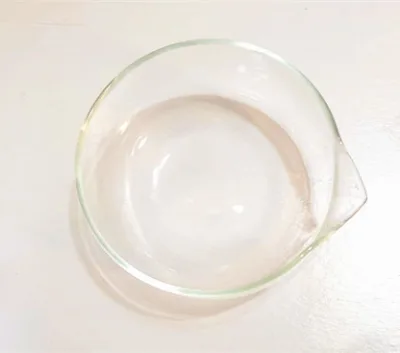
Clear Glass Matcha Bowl with Whisk Holder Custom Design Box Matcha Tea Set
$12.19 - $12.85
MOQ: 2 Sets

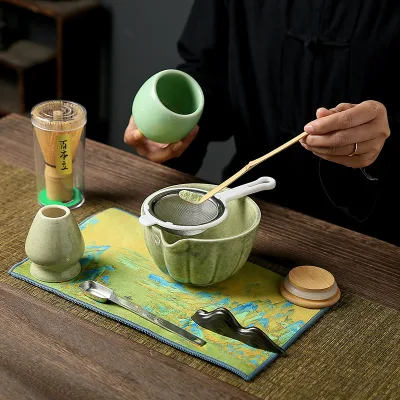
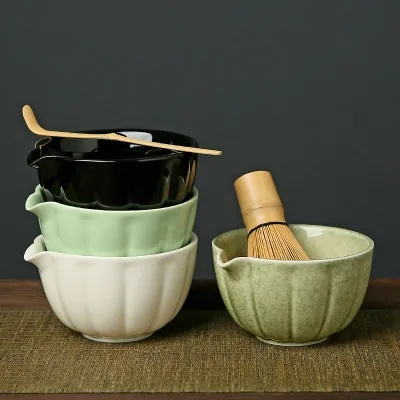
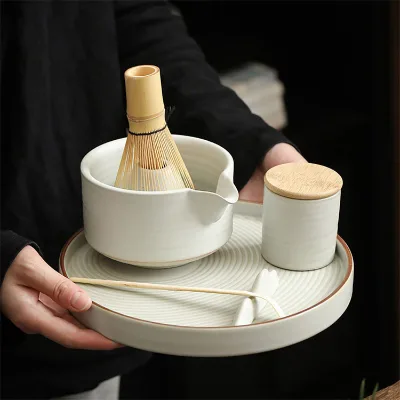
Custom Color Matcha Accessories Tools Matcha Bowl with Spout Bamboo Whisk Matcha Set
$8.78 - $8.98
MOQ: 200 Pieces


Comprehensive Sourcing Guide
Strategic Sourcing Guide for Matcha Bowl Procurement
Understanding Product Specifications and Material Integrity
When initiating a procurement strategy for matcha bowls, the first critical step involves a granular analysis of technical specifications and material composition. The core product in this category is defined as a ceramic vessel specifically engineered for the preparation of matcha tea. Based on observed market data, the primary material composition is consistently identified as high-quality ceramics. This material choice is fundamental to the product's thermal properties, ensuring the bowl retains heat effectively during the whisking process while providing a durable surface for the bamboo whisk.
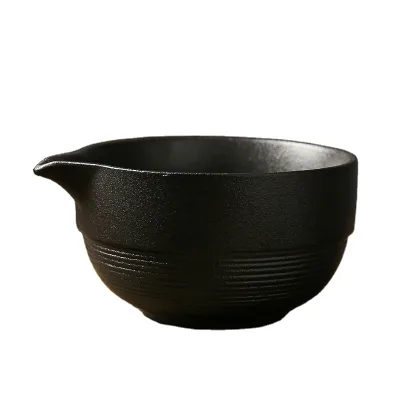
The physical dimensions of these units vary slightly by model but generally adhere to specific size constraints. Observed specifications indicate a standard product size of approximately 1412.56.7cm, with a single package size of 15.5X14X8 cm. The weight of a single unit is recorded at approximately 534g, with a single gross weight of 0.650 kg, suggesting a substantial build that resists tipping. A distinctive design feature observed in this category is the "irregular" shape, which aligns with the Japandi style—a design aesthetic that blends Japanese minimalism with Scandinavian functionality. This irregularity is not merely aesthetic; it often serves a functional purpose in facilitating the swirling motion required to create the frothy texture of matcha.
Capacity is another vital specification for buyers. Data indicates a capacity of 10 oz, which is suitable for standard single servings. The product is explicitly categorized as non-disposable, confirming its intended use for daily operations or long-term promotional campaigns rather than one-off events. The shape and size must be verified against the specific application, whether for a high-volume tea house or a boutique retail setting. Buyers should ensure that the "irregular" nature of the bowl does not compromise its stability on standard flat surfaces, as this is a common functional requirement for tea preparation tools.
Compliance, Certification, and Safety Standards
In the realm of food-contact ceramics, regulatory compliance is non-negotiable. For international procurement, particularly targeting markets in North America and Europe, specific certifications serve as the primary indicators of safety and quality. The observed product data highlights the presence of LFGB and FDA certifications. These are critical benchmarks: FDA (Food and Drug Administration) compliance is essential for products entering the United States market, ensuring the ceramic glaze and body do not leach harmful substances like lead or cadmium into food. Similarly, LFGB (Lebensmittel- und Futtermittelgesetzbuch) is the German food and feed code, often regarded as a rigorous standard for European markets.
Buyers must treat these certifications as mandatory verification points rather than optional features. When evaluating potential suppliers, the procurement team should request current, valid test reports that explicitly confirm compliance with these standards. It is important to note that while the data lists these certifications, the burden of proof lies with the supplier to demonstrate that the specific batch being ordered meets these criteria. The absence of such documentation should be treated as a red flag, regardless of the supplier's reputation.
Furthermore, the "Eco-Friendly" attribute listed in the product features suggests that the manufacturing process or the material sourcing may adhere to sustainability principles. While this is a positive selling point, buyers should verify what specific claims underpin this label. Does it refer to the sourcing of clay, the energy efficiency of the kiln, or the recyclability of the packaging? Without specific data, this remains an observation that requires further inquiry. The packaging itself is noted as a "BOX package" or "Gift Box," which should also be evaluated for its environmental impact, especially if the brand targets eco-conscious consumers.
Cost Drivers and Pricing Dynamics
The pricing structure for matcha bowls is influenced by a complex interplay of material costs, customization levels, and order volume. The observed price range in the market spans from $0.10 to $19.88 USD. This wide variance indicates that the final cost is heavily dependent on the specific configuration of the order. The lower end of the spectrum likely corresponds to standard, non-customized units produced in high volumes, while the upper end reflects bespoke designs, premium ceramic glazes, or complex packaging solutions.
A significant cost driver is the level of customization. The data confirms that "Customize Logo Acceptable," "Custom Shapes," and "Custom Materials" are available options. Implementing a custom logo or altering the bowl's mold (Customed Type: Bowl Mold) incurs additional tooling and setup costs. These one-time fees are often amortized over the production run, meaning the unit price will decrease as the order quantity increases. However, for small orders, the per-unit cost will be significantly higher due to these fixed setup expenses.
The Minimum Order Quantity (MOQ) also plays a pivotal role in cost management. The observed MOQ range is between 1 and 500 units. Buyers seeking to minimize initial capital outlay can leverage the lower MOQs, but they must accept a higher per-unit price. Conversely, committing to larger volumes within the 500-unit range can unlock economies of scale, reducing the cost per unit. Additionally, the "Sample" availability is a crucial factor in the procurement timeline and budget. With a sample time of 5 to 10 days, buyers can validate quality before committing to a full production run, though this initial phase adds to the overall project timeline and cost.
Typical Applications and Usage Scenarios
The versatility of the Matcha Bowl extends beyond traditional tea ceremonies, making it a valuable asset for diverse commercial applications. The primary usage is identified as "matcha whisk," indicating its role as a functional tool in the preparation of the beverage. However, the data also lists "Promotion" and "Daily Use" as key usage categories. This dual nature allows the product to serve as both a functional inventory item for tea houses and a marketing tool for brands.
In a promotional context, the "Japandi" style and "Colorful" or "Multicolor" options make these bowls ideal for corporate gifts, event swag, or retail giveaways. The ability to customize the logo and label allows companies to integrate the product seamlessly into their brand identity. The "Gift Box" packaging further enhances its suitability for gifting, transforming a simple tea bowl into a premium branded item.
For daily use, the durability and "Eco-Friendly" attributes are paramount. The ceramic material ensures the bowl can withstand repeated washing and thermal cycling, making it suitable for high-traffic environments like cafes and restaurants. The irregular shape and specific dimensions (10 oz capacity) are optimized for the specific mechanics of whisking matcha, ensuring that the end-user experience is consistent and high-quality. Buyers should align their procurement strategy with their intended application; a bulk order for a tea house chain will prioritize durability and standardization, while a promotional campaign might prioritize aesthetic variety and branding options.
Supplier Evaluation and Customization Capabilities
Selecting the right supplier requires a thorough evaluation of their manufacturing capabilities and customization flexibility. The data indicates that the manufacturer is located in Guangdong, China, a region known for its robust ceramics industry. The supplier is confirmed as a "Manufacturer," which implies direct control over the production process, potentially offering better pricing and quality control compared to trading companies.
Key evaluation criteria should include the supplier's ability to handle "Custom Shapes" and "Custom Materials." The willingness to accept custom molds suggests a high level of manufacturing flexibility. Buyers should assess the supplier's track record in handling such customizations, as this often involves complex tooling and quality assurance processes. The "Customized" attribute appearing multiple times in the data underscores the supplier's focus on tailored solutions.
Furthermore, the "Sample Time" of 5 to 10 days and "Production Time" of 15-30 days provide a baseline for supply chain planning. Buyers must verify if these timelines are consistent across different order sizes and customization levels. The availability of samples is a critical step in the vetting process, allowing buyers to physically inspect the product for weight, finish, and compliance before mass production begins. The supplier's ability to provide "Customed" labels and branding is also essential for companies looking to create a unified brand experience.
Quality Control and Long-Term Procurement Strategy
Maintaining product quality over time requires a robust quality control (QC) framework. Given the ceramic nature of the product, QC should focus on structural integrity, glaze safety, and dimensional accuracy. The "Eco-Friendly" and "Durable" features must be validated through rigorous testing, particularly regarding the lead and cadmium content, which is covered by the FDA and LFGB certifications. Buyers should implement a pre-shipment inspection protocol that includes random sampling from the production batch to verify that the physical attributes (weight, size, shape) match the agreed-upon specifications.
Long-term procurement considerations involve building a sustainable relationship with the supplier. The "Production Time" of 15-30 days suggests a need for careful inventory management to avoid stockouts. Buyers should consider placing recurring orders to stabilize the supply chain and potentially negotiate better terms. The ability to customize the product continuously allows for brand evolution, ensuring the product remains relevant in a changing market.
Additionally, the "Safe Carton" packing method is a critical component of logistics. Ensuring that the packaging protects the fragile ceramic bowls during transit is essential to minimize breakage rates. Buyers should request detailed packaging diagrams and potentially conduct drop tests to verify the integrity of the "Safe Carton" solution. By focusing on these long-term factors, buyers can secure a reliable supply of high-quality matcha bowls that meet both functional and branding requirements.
Comparative Analysis of Product Attributes
To facilitate decision-making, the following table summarizes the key attributes observed in the market for matcha bowls, highlighting the critical factors for procurement.
| Attribute Category | Specific Observation | Procurement Implication |
|---|---|---|
| Material | Ceramics | Ensures thermal retention and durability; requires glaze safety testing. |
| Style | Japandi, Irregular | Appeals to modern aesthetic trends; requires careful handling during packing. |
| Certification | LFGB, FDA | Mandatory for US/EU markets; requires valid test reports for every batch. |
| Customization | Logo, Shape, Mold, Label | High flexibility; adds cost and time; requires clear design briefs. |
| Dimensions | ~1412.56.7 cm | Standard size; verify fit for specific whisking tools and shelf space. |
| Capacity | 10 oz | Standard serving size; suitable for most matcha preparation needs. |
| Packaging | Box, Gift Box, Safe Carton | Essential for protection and branding; verify carton strength. |
| Lead Time | Sample: 5-10 days; Production: 15-30 days | Critical for inventory planning; verify consistency for large orders. |
| MOQ | 1-500 units | Flexible entry point; higher volumes reduce unit cost. |
| Origin | Guangdong, China | Established ceramics hub; verify factory audit and logistics capabilities. |
This comparative analysis underscores the need for a balanced approach that weighs customization benefits against cost and time implications. By adhering to these specifications and verification protocols, buyers can effectively source matcha bowls that meet rigorous quality standards and align with their strategic business goals.
FAQs
What certifications do these ceramic matcha bowls hold?
The bowls hold FDA and LFGB certifications for food safety. These standards ensure the glaze does not leach harmful substances, making them suitable for US and European markets when valid test reports are provided.
How much does a single Matcha Bowl weigh?
A single unit weighs approximately 534 grams. This substantial weight helps prevent tipping during whisking, while the single gross weight including packaging is recorded at 0.650 kg.
Can I customize the logo and shape of the bowl?
Yes, you can customize the logo, shape, and mold. The supplier accepts custom requests for bowl molds and labels, allowing for tailored branding and unique irregular designs in the Japandi style.
What is the capacity of the matcha tea bowl?
The bowl has a capacity of 10 ounces. This volume is suitable for standard single servings and aligns with the dimensions of approximately 14 by 12.5 by 6.7 centimeters.
How long does production take for a custom order?
Production typically takes between 15 to 30 days. Samples are available within 5 to 10 days, allowing you to verify quality before committing to the full manufacturing timeline.
Where are these ceramic matcha bowls manufactured?
The bowls are manufactured in Guangdong, China. This region is known for its robust ceramics industry, and the supplier operates as a direct manufacturer rather than a trading company.
What is the minimum order quantity for these sets?
The minimum order quantity ranges from 1 to 500 units. Lower MOQs allow for smaller initial investments, while larger volumes within the 500-unit range can unlock better economies of scale.