Source Matte Shimmer Blush Palette for Face, Cheeks, and Contouring
Find 30 Matte Shimmer Blush Palette options from China suppliers. Compare multi-functional mineral formulas with gradient, glitter, and metallic effects suitable for fair to deep skin tones. Evaluate long-lasting, waterproof stick and powder forms for custom branding.
Key considerations
Products List
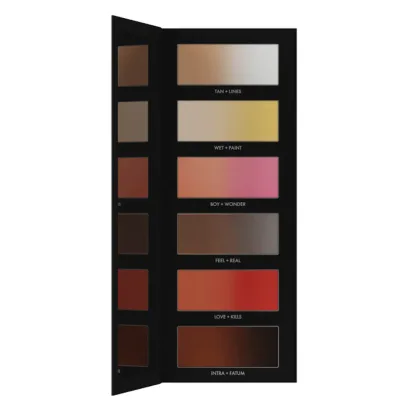


New Fashion Diamond Matte& Shimmer Long-Lasting Makeup Palette Eyeshadow
$1.50 - $3.20
MOQ: 6000 Pieces


5 Colors Eyeshadow Palette Matte and Shimmer Makeup Palette with Eyeshadow Brush
$0.45 - $0.80
MOQ: 3000 Pieces

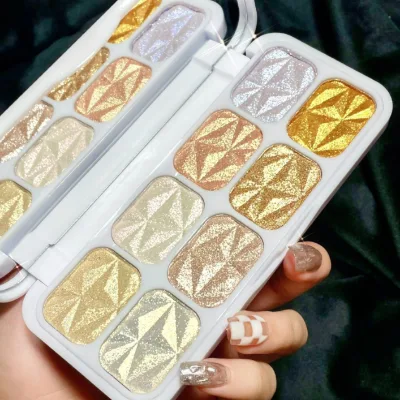


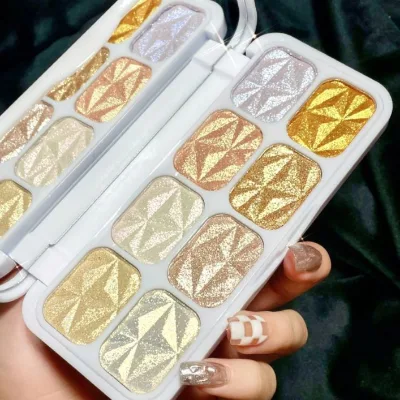


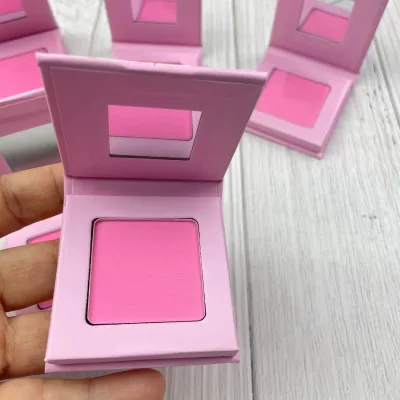

Comprehensive Sourcing Guide
Matte Shimmer Blush Palette Sourcing Guide
Sourcing a Matte Shimmer Blush Palette requires a nuanced understanding of the intersection between cosmetic aesthetics and industrial manufacturing standards. Buyers must navigate a market where visual appeal, such as gradient finishes and multi-functional utility, competes with rigorous performance metrics like longevity and water resistance. The core keyword highlights a specific aesthetic preference, yet the actual product landscape often includes variations in texture, from powder to stick forms, and diverse effect profiles ranging from metallic to glitter. This guide provides a disciplined framework for evaluating suppliers, verifying technical specifications, and ensuring compliance, ensuring that procurement decisions are grounded in observable data rather than marketing claims.
The procurement process for these items is heavily influenced by the supplier’s location and their ability to manage complex packaging and customization requests. Most available inventory originates from Guangdong, China, a hub known for its extensive cosmetic manufacturing infrastructure. Buyers should recognize that while the core product type is consistent, the specific model numbers, color counts, and packaging materials vary significantly across listings. Understanding these variables is critical for aligning product offerings with brand identity and logistical capabilities, particularly when dealing with small order acceptance or custom branding requirements.
Product Scope and Observed Listing Signals
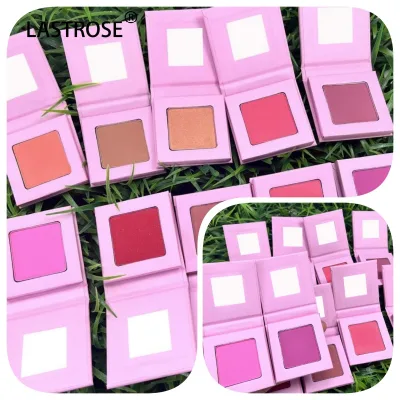
The observed product scope reveals a diverse array of blush palettes that cater to various skin tones, including fair, medium, dark, and deep complexions. Listings indicate that these products are often marketed as multi-functional, serving not only as blushes but also potentially as eyeshadows or highlighters, given the "Eye Shadow Type: Dry" attribute found in some data points. The aesthetic finish is a primary differentiator, with many products featuring shimmer, matte, glitter, or metallic effects. Buyers should note that while the core keyword specifies "matte shimmer," the actual inventory often includes duochrome, nude, and orange-toned variants, suggesting a broad catalog rather than a single static SKU.
Packaging and physical specifications are equally critical signals for buyers assessing product quality and logistics. The net weight of these palettes is typically around 4 grams, with single gross weights reported as low as 0.0 kg in some listings, which may indicate data entry anomalies or lightweight packaging designs. The form factor varies, with some products described as sticks and others as powders, while the type is consistently identified as a palette. Packaging materials range from cardboard to plastic, with options for paper boxes, inner cartons, and master cartons. These details directly impact shipping costs, shelf life, and the unboxing experience, making them essential factors in the sourcing decision.
Technical Specifications to Verify
Verifying the technical specifications of a Matte Shimmer Blush Palette begins with confirming the pigment quality and longevity claims. Suppliers often highlight advantages such as high pigment concentration and long-lasting wear, which are critical for consumer satisfaction. Buyers should request specific data on the product’s water resistance, as some listings explicitly claim waterproof features. Additionally, the finish type, whether it is shimmer, matte, or glitter, must be physically verified through samples, as visual representations in catalogs can be misleading. The model numbers, such as BD9-C(orange), BD-SD-133, and BD-duochrome, serve as unique identifiers that should be cross-referenced with the supplier’s official catalog to ensure consistency in color formulation and texture.
The ingredient profile and skin tone compatibility are other vital technical aspects that require verification. Many products are formulated with mineral ingredients, which may appeal to buyers targeting natural or sensitive skin markets. The shelf life is typically listed as 36 months, with a period after opening (PAO) of 12 months, indicating the product’s stability and safety window. Buyers must also verify the scent profile, as many listings specify fragrance-free options, which is a significant selling point for consumers with allergies or sensitivities. Ensuring that the product is cruelty-free and vegan, as indicated in some attributes, is also a key technical and ethical verification step for modern procurement strategies.
Compliance and Safety Documentation
Compliance and safety documentation are non-negotiable elements in the sourcing of cosmetic products. Buyers must ensure that suppliers provide valid Material Safety Data Sheets (MSDS), which are frequently listed as a certification for these blush palettes. The MSDS provides critical information on the chemical composition, handling, storage, and emergency measures, ensuring that the product meets basic safety standards for transport and use. In addition to MSDS, buyers should verify the presence of Good Manufacturing Practice (GMP) certifications, including GMPC and ISO standards, which indicate that the manufacturing facility adheres to rigorous quality control and hygiene protocols. These certifications are essential for mitigating liability and ensuring product safety.
Beyond basic safety sheets, buyers should investigate the broader regulatory landscape applicable to their target markets. While the supplied facts mention certifications like GMPC, ISO, and MSDS, buyers must confirm that these certifications are recognized and valid in their specific region. For instance, if selling in the European Union, additional regulations such as the EU Cosmetics Regulation may apply, requiring specific labeling and ingredient disclosures. Buyers should also verify the product’s compliance with local advertising standards, particularly regarding claims like "waterproof" or "long-lasting," to avoid potential legal issues. Ensuring that all documentation is up-to-date and accurately reflects the product’s formulation is a critical step in the procurement process.
Cost Drivers and Commercial Terms
The cost of sourcing matte shimmer blush palettes is influenced by several key drivers, including the complexity of the formulation, the number of colors, and the packaging materials used. Products with multi-colored palettes, such as those with 26 colors, may incur higher production costs due to the increased complexity of color matching and blending. The choice between powder and stick forms also affects pricing, as stick formulations may require different manufacturing processes and packaging solutions. Additionally, the inclusion of premium ingredients, such as minerals, or special effects like duochrome or glitter, can elevate the base cost of the product.
Commercial terms, including Minimum Order Quantity (MOQ) and payment conditions, play a significant role in the overall procurement strategy. While some listings indicate an MOQ of 1000 units, others suggest that small orders are accepted, with observed MOQ ranges extending from 1 to 12,000 units. This flexibility allows buyers to test the market with smaller quantities before committing to larger orders. Buyers should also consider the impact of customization options, such as private labeling or custom packaging, which may incur additional fees. Understanding the total cost of ownership, including shipping, duties, and potential returns, is essential for accurate budgeting and profitability analysis.
Supplier Qualification and Quality Control
Supplier qualification is a critical step in ensuring the reliability and consistency of the Matte Shimmer Blush Palette supply chain. Buyers should conduct thorough due diligence on potential suppliers, verifying their business licenses, manufacturing capabilities, and quality control processes. Given that most suppliers are located in Guangdong, China, buyers may benefit from leveraging local inspection services or third-party quality control firms to conduct factory audits. These audits should assess the supplier’s adherence to GMP standards, their raw material sourcing practices, and their ability to maintain consistent product quality across batches.
Quality control measures should be implemented at multiple stages of the production process, from raw material intake to final packaging. Buyers should establish clear quality standards, including acceptable tolerances for color variation, texture, and packaging integrity. Regular sampling and testing should be conducted to verify that the products meet the specified technical specifications, such as pigment load, longevity, and water resistance. Additionally, buyers should implement a robust feedback loop with suppliers to address any quality issues promptly and prevent recurrence. Establishing a strong partnership with suppliers based on transparency and mutual trust is key to long-term success in the cosmetic sourcing market.
Long-Term Procurement Checks
Long-term procurement checks are essential for maintaining the integrity and competitiveness of the blush palette product line. Buyers should regularly review supplier performance metrics, including on-time delivery rates, product quality consistency, and responsiveness to issues. Continuous monitoring of market trends and consumer preferences is also crucial, as the demand for specific finishes, such as matte or shimmer, may shift over time. Buyers should stay informed about regulatory changes and emerging safety standards that may impact product formulation or labeling requirements.
Furthermore, buyers should periodically reassess their supplier base to ensure they are leveraging the best available options in terms of cost, quality, and innovation. This may involve exploring new suppliers or negotiating better terms with existing partners. Implementing a structured review process for product performance and customer feedback can help identify areas for improvement and drive product development. By maintaining a proactive approach to procurement, buyers can mitigate risks, optimize costs, and ensure that their product offerings remain aligned with market demands and consumer expectations.
FAQs
What certifications do the blush palettes have?
The blush palettes hold MSDS, GMPC, ISO, and GMP certifications. These documents verify that the mineral-based products meet international safety and manufacturing standards for face cosmetics.
Can I customize the blush palette packaging?
Customization is available for the blush palettes. Buyers can request specific packaging materials like cardboard or plastic boxes, and the supplier accepts small orders to accommodate these tailored needs.
What is the minimum order quantity for this product?
The standard minimum order quantity is 1000 units. However, the supplier also accepts small orders, allowing buyers to test the market with lower initial purchase volumes before scaling up.
How long is the shelf life of the blush palette?
The shelf life is 36 months from the date of manufacture. The product has a Period After Opening of 12 months, ensuring long-lasting pigment and shimmer effects for users.
Which skin tones are suitable for this blush palette?
This palette is designed for dark, deep, medium dark, fair, medium, and light skin tones. The multi-colored gradient blush ensures a natural finish across various complexions.
What finish options are available for the blush?
The blush offers matte, shimmer, glitter, and metallic finish options. These effects are achieved through mineral ingredients, providing a versatile look for different makeup styles and preferences.