Source Matte White Frosted Cosmetic Container with Reed Diffuser for Perfume, Home Decoration, and Gift
Compare 30 listings for a Matte White Frosted Cosmetic Container with Reed Diffuser suitable for perfume, personal care, and home decoration. Buyers can evaluate glass materials, sealing types, and customization options from verified manufacturers.
Key considerations
Products List


Wholesale White Frosted Candle Glass Jars and Diffuser Bottles with Reed
$0.45 - $1.70
MOQ: 3000 Pieces


250ml White Luxury Reed Diffuser Decorative Bottle Perfume Glass Bottle
$0.20 - $0.80
MOQ: 30000 Pieces

Reed Diffuser Bottle Perfume Glass Clear Green Blue Black Glass Bottle
$0.20 - $0.80
MOQ: 30000 Pieces
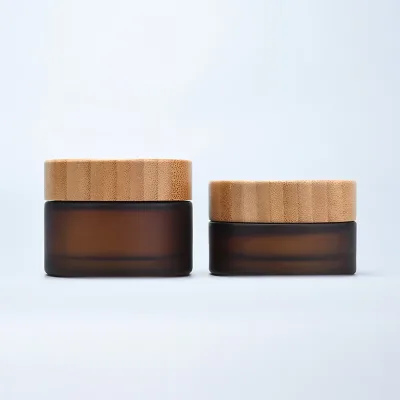


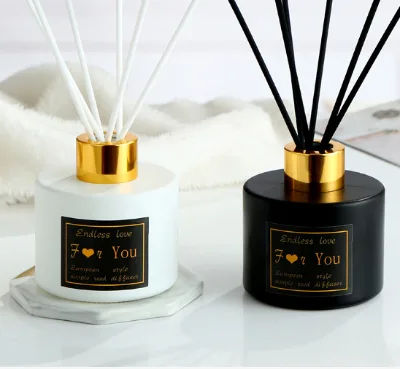
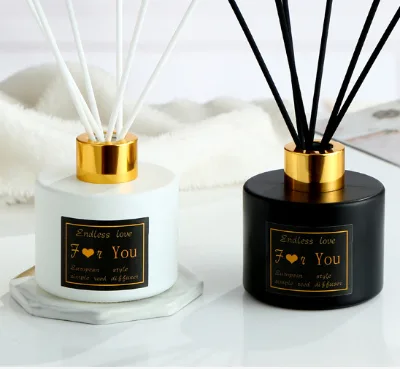

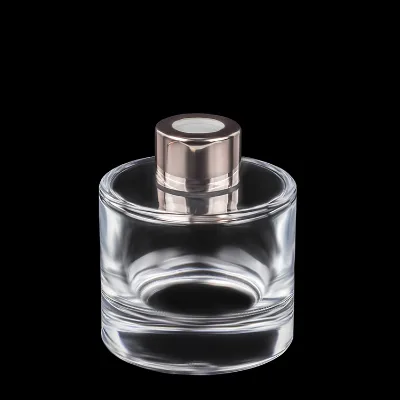


Free Sample 120ml Empty Cosmetic Perfume Reed Diffuser Glass Bottle Vial
$0.20 - $0.80
MOQ: 5000 Pieces


Straight-Body and Short Mouth Perfume Bottle/Glass Bottle/Diffuser with Lid
$0.30 - $0.36
MOQ: 10000 Pieces


Comprehensive Sourcing Guide
Strategic Sourcing Guide for Matte White Frosted Cosmetic Containers with Reed Diffusers
Understanding Product Specifications and Material Composition
When sourcing matte white frosted cosmetic containers specifically designed for reed diffusers, buyers must first distinguish between the visual aesthetic and the underlying material engineering. The core keyword implies a specific finish—matte white with a frosted texture—yet the supplied data indicates that glass is the primary material of construction for many high-end diffuser units. This creates a critical distinction: the "frosted" appearance is often a surface treatment applied to clear glass rather than a change in the base material to plastic or ceramic. The observed product attributes highlight that the base material is glass, processed through "Mould Pressed Blown" techniques. This manufacturing method ensures structural integrity and uniform wall thickness, which is essential for holding liquid diffuser solutions without leakage or breakage during transit.
The visual profile of the container is defined by specific craft processes. The "Decal Printing," "Frosting," and "Hot Stamping" processes listed in the data suggest that the matte white finish is achieved through specialized surface treatments. Frosting, in particular, is a chemical or mechanical etching process that diffuses light, creating the desired opaque, soft-touch appearance. Buyers should verify that the "matte white" description aligns with the specific frosting technique used, as this affects the opacity and the tactile feel of the bottle. Furthermore, the "Style" is noted as "Luxury," which necessitates a high degree of precision in the application of these finishes to avoid uneven coloring or visible defects. The dimensions of such containers vary, with observed specifications including heights around 90mm and diameters ranging from 70mm to 74mm, though custom sizes are available. The capacity, such as the 150ml volume observed in specific models, must be matched to the intended volume of the diffuser oil to ensure the reeds function correctly without overflowing or drying out too quickly.
Technical Sealing and Closure Mechanisms
The functionality of a reed diffuser relies heavily on the sealing mechanism, which prevents evaporation when the reeds are not in use and controls the rate of diffusion. The supplied facts reveal a diversity in sealing technologies, ranging from "Screw Cap" to "Rubber Stopper" and "Easy to Open" mechanisms. For a matte white frosted container, the closure type is a critical design element that must complement the aesthetic. A "Wood Cap" is observed in specific luxury models, providing a natural contrast to the matte glass, while other variations utilize standard screw caps. The choice of sealing material is equally important; the presence of "Rubber Stopper" attributes indicates a need for a tight seal that is compatible with the chemical composition of the diffuser oil.
Buyers must evaluate the compatibility of the closure with the specific fragrance oils they intend to use. Some oils can degrade certain rubber compounds or plastics over time, leading to leaks or contamination. The data mentions "Lid" and "Accessories" such as reeds and boxes as standard components, suggesting a modular approach to assembly. The "Sealing Type" of "Easy to Open" implies a user-friendly design, which is a significant advantage for retail products where the end consumer must be able to access the reeds easily. However, the trade-off between ease of opening and the long-term integrity of the seal must be balanced. In high-volume procurement, the consistency of the closure fit is paramount; a screw cap that is too loose will cause evaporation, while one that is too tight may be difficult for the end user to open. The "Custom Made" service availability allows for the development of proprietary closure systems that align with brand identity while maintaining functional reliability.
Compliance, Certification, and Regulatory Standards
Navigating the regulatory landscape is a non-negotiable aspect of sourcing cosmetic and home fragrance containers. The supplied product data lists several certifications, including "ISO," "FDA," "RoHS," "CE," "3C," and "Scs." These certifications indicate that the manufacturing facility adheres to international quality management systems and environmental standards. ISO certification suggests a commitment to consistent quality control processes, which is vital for maintaining the uniformity of the matte white finish across large production runs. FDA compliance is particularly relevant if the containers are intended for use with products that may have incidental contact with skin, although reed diffusers are primarily for air diffusion.
RoHS and CE certifications point to compliance with environmental directives regarding hazardous substances and safety standards for the European market. The "3C" mark is specific to the Chinese market, indicating that the product meets national safety requirements. The presence of "Scs" (Sustainable Forestry Initiative or similar sustainability certification) suggests an environmental focus, which is increasingly important for brands targeting eco-conscious consumers. Buyers must verify that the specific batch of matte white frosted containers they order carries the relevant certifications for their target market. The "Standard" attributes also list specific dimensions (e.g., TD: 74mm, BD: 70mm, H: 90mm) and size variations (24mm, 27mm, 28mm, 30mm), which serve as technical benchmarks for compliance with packaging machinery and retail display requirements.
Cost Drivers and Economic Considerations
The economic structure of sourcing these containers is influenced by several variables, including material costs, finishing complexity, and order volume. The observed price range of 0.1 to 8.09 USD reflects the vast difference between basic glass bottles and luxury, fully finished units with custom closures and packaging. The "Frosting" and "Decal Printing" processes add significant value and cost compared to plain glass. The "Luxury" style designation often correlates with higher unit costs due to the precision required in the finishing process. Additionally, the "Customization" availability allows for branding, which adds to the cost but increases the product's market value.
Minimum Order Quantity (MOQ) is a major cost driver, with observed ranges from 10 to 100,000 units, and specific models citing MOQs of 2000 or 3000 pieces. For buyers seeking the matte white frosted finish, the MOQ may be higher due to the setup costs associated with the frosting and printing processes. The "Sample" availability, often provided freely or with a short lead time of 3-5 days, allows buyers to validate quality before committing to large orders, mitigating financial risk. The "Delivery Time" of up to 35 days indicates a moderate lead time, which buyers must factor into their inventory planning. Shipping methods, including "Air/Express/Sea," offer flexibility based on urgency and budget, with sea freight being the most economical for large volumes.
Supplier Evaluation and Operational Capabilities
Evaluating suppliers for matte white frosted cosmetic containers requires a focus on their technical capabilities and track record. The data highlights "More Than 15 Years Experience" and "16 Years Experience" as key advantages, suggesting that established manufacturers have refined their processes for glass blowing and surface finishing. This experience is crucial for achieving the consistent matte finish and precise dimensions required for reed diffusers. The "Custom Made" and "OEM/ODM" acceptance indicates that suppliers are capable of adapting to specific brand requirements, from custom logos to unique bottle shapes.
Buyers should assess the supplier's location, with "China" and "Guangdong, China" identified as key origins. Guangdong is a major manufacturing hub with a robust supply chain for glass and packaging, which can facilitate faster production and lower logistics costs. The "Packing" methods, ranging from "Cartons" to "Carton with Shrink Wrap Bag" and "Individual Gift Box," demonstrate the supplier's ability to handle various packaging needs. The "Advantage" of "Provided Freely" samples is a strong indicator of supplier confidence in their product quality. When evaluating a supplier, buyers should request evidence of their "Mould Pressed Blown" capabilities and their ability to maintain the "Matte" finish without defects. The "Market" reach being "Global" suggests that the supplier has experience exporting to diverse regions, which is beneficial for compliance with international standards.
Quality Control and Long-Term Procurement Strategy
Ensuring the quality of matte white frosted containers requires a rigorous quality control (QC) protocol. The "Frosting" process must be uniform, with no visible streaks or uneven opacity. The "Decal Printing" and "Hot Stamping" must be crisp and aligned, especially for luxury brands where visual perfection is paramount. Buyers should implement a QC plan that includes visual inspection of the finish, dimensional checks against the specified standards (e.g., 74mm TD, 70mm BD), and leak testing of the sealing mechanisms. The "Sealing Type" must be tested for durability and compatibility with the intended diffuser oil.
For long-term procurement, buyers should consider the scalability of the supplier. The "MOQ" flexibility and the ability to handle large volumes (up to 100,000 units) are essential for growing brands. The "Customization" options allow for product differentiation, which can be a competitive advantage. The "Service" of "Custom Made" ensures that the supplier can adapt to changing market trends or brand requirements. The "Delivery Time" of 35 days should be monitored to ensure on-time performance, as delays can disrupt supply chains. Finally, the "Standard" certifications and "Experience" of the supplier provide a foundation for a stable, long-term partnership. By focusing on these factors, buyers can secure a reliable supply of high-quality matte white frosted cosmetic containers that meet both aesthetic and functional requirements.
Application Scenarios and Market Fit
The versatility of matte white frosted cosmetic containers with reed diffusers makes them suitable for a wide range of applications. The "Use" categories identified include "Perfume," "Personal Care," "Cosmetics," "Decoration," and "Gift." The "Luxury" style and "Matte" finish position these products for the premium home fragrance market, where aesthetics play a significant role in consumer decision-making. The "Used" attributes such as "Home Decoration," "Wedding Party," and "Gifted" highlight the product's dual role as a functional item and a decorative piece.
The "Universal" suitability of these containers allows them to be used in various settings, from residential homes to hotels and retail spaces. The "Accessories" like reeds, lids, and boxes complete the product offering, making it ready for immediate sale. The "Customized" nature of the product enables brands to create unique scents and packaging that align with their identity. The "Global" market reach suggests that these products are in demand across different cultures and regions. By understanding these application scenarios, buyers can tailor their sourcing strategy to meet specific market needs, whether they are targeting the luxury gift market or the everyday home fragrance segment. The combination of high-quality materials, precise finishing, and functional design ensures that these containers meet the expectations of discerning consumers.
FAQs
What materials are used for matte white frosted cosmetic containers?
Glass is the primary material used for these containers, processed through mould pressed blown techniques. The matte white frosted appearance is achieved via surface treatments like frosting, decal printing, and hot stamping rather than changing the base material to plastic.
Which sealing types are available for reed diffuser bottles?
Available sealing types include screw caps, rubber stoppers, and easy-to-open mechanisms. Some luxury models feature wood caps, while others use standard closures to ensure tight seals that prevent evaporation and maintain fragrance integrity during storage.
Can suppliers provide samples for matte white frosted diffuser bottles?
Yes, samples are provided freely by suppliers to allow buyers to validate quality before large orders. The sample time is typically short, ranging from 3 to 5 days, enabling quick assessment of the frosting finish and closure fit.
What certifications do these cosmetic containers typically hold?
These containers commonly hold ISO, FDA, RoHS, CE, 3C, and SCS certifications. These marks indicate compliance with international quality management systems, environmental standards, and safety regulations required for exporting to global markets like Europe and North America.
How does customization affect the minimum order quantity?
Customization options like logos and unique shapes often require higher minimum order quantities due to setup costs. Observed MOQs range from 2,000 to 3,000 pieces for specific models, with some suppliers requiring up to 100,000 units for large volume runs.
What is the typical delivery time for these glass bottles?
The typical delivery time is a maximum of 35 days from order confirmation. This lead time accounts for the glass blowing process, surface finishing like frosting, and custom packaging requirements such as shrink wrap or individual gift boxes.