Source Mazda 323 Crankshaft Sensor for Mazda 3, Mazda 6, and CX-7
Explore 30 listings for the Mazda 323 Crankshaft Sensor from verified Chinese manufacturers. Buyers can compare OEM numbers, delivery times, and warranty terms to find the right replacement part for engine repair.
Key considerations
Products List
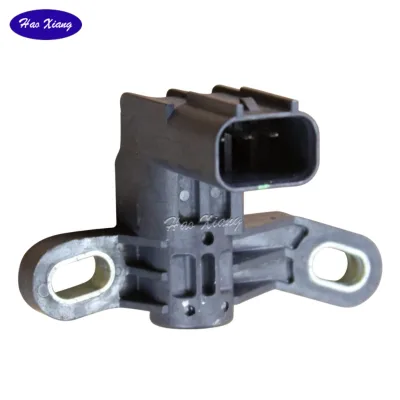
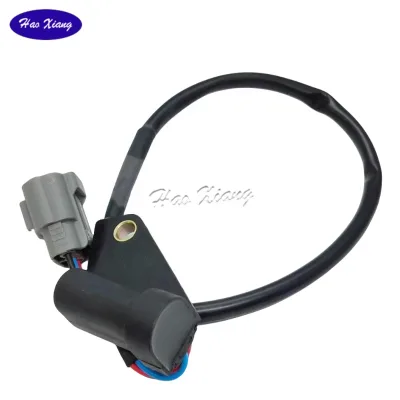


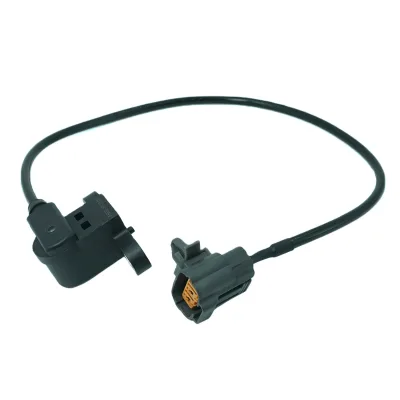
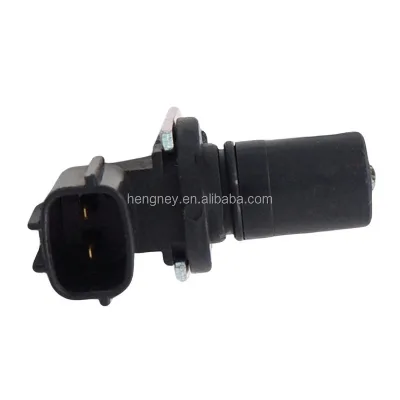
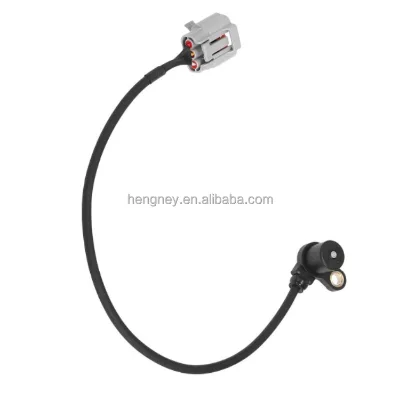
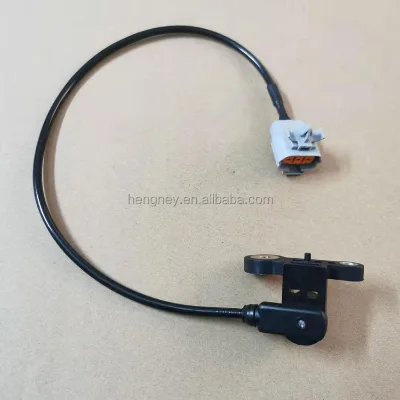
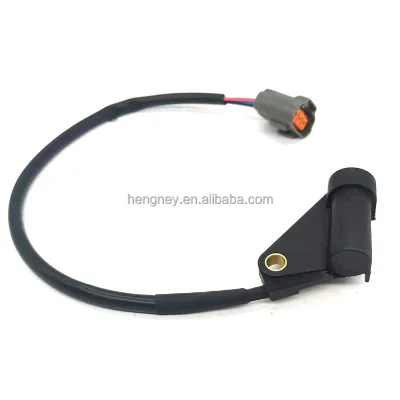
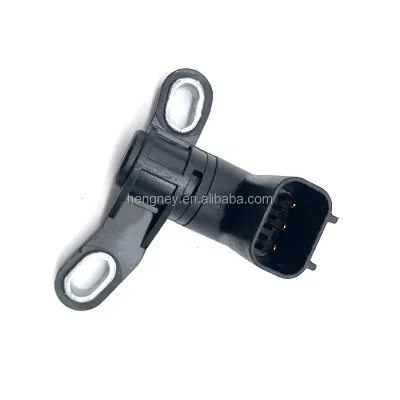


Comprehensive Sourcing Guide
Strategic Sourcing Guide for Mazda 323 Crankshaft Position Sensors
Procuring replacement components for legacy and current automotive platforms requires a disciplined approach that balances technical precision with supply chain reliability. For buyers targeting the Mazda 323 Crankshaft Sensor, the market presents a complex array of options ranging from direct OEM replacements to aftermarket alternatives. The core objective is to secure a component that ensures engine management system stability without introducing compatibility risks or quality variances. This guide outlines the critical factors for sourcing these specific automotive electrical parts, utilizing observed market data to inform decision-making while avoiding unverified claims.
Technical Specifications and Compatibility Verification
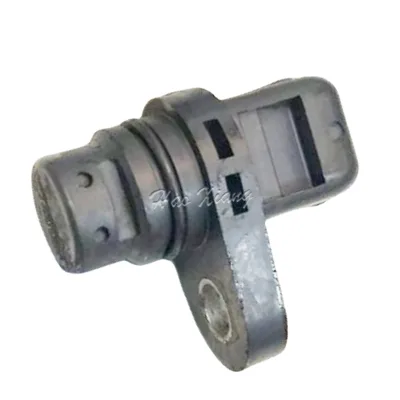
The foundation of a successful procurement strategy lies in the precise identification of technical specifications. The crankshaft position sensor (CKP) is a critical component within the engine management system, responsible for monitoring the rotational speed and position of the crankshaft. In the context of the Mazda 323, this sensor communicates vital data to the Engine Control Unit (ECU) to manage ignition timing and fuel injection.
When evaluating potential suppliers, buyers must prioritize exact model number matching. Market observations indicate that specific part numbers are associated with distinct sensor configurations. For instance, the model number CN-CKP-1505 appears in listings for crankshaft position sensors, while other entries reference codes such as ZJ01-18-221 or J5T30471. These alphanumeric codes are not interchangeable; they represent specific physical and electrical designs tailored to particular engine variants. Furthermore, the OE (Original Equipment) numbers serve as the primary verification tool. Observed OE references include FSD-18-221, ZL01-18-221, and their variations like ZL0118221A. Additionally, codes such as 551375A, 551375B, and 551375HQ are noted in related listings, suggesting a broader ecosystem of compatible part numbers that may apply to similar Mazda platforms.
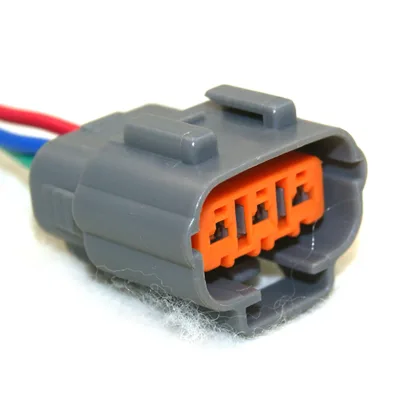
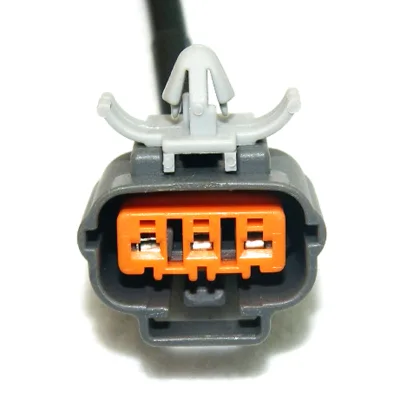
Buyers must also verify the physical interface of the sensor. Data indicates variations in connector pin configurations, with some units specified as having three pins. The physical dimensions of the packaging can also serve as a proxy for the sensor size, with observed single package sizes ranging from 5x5x5 cm to 10x10x10 cm. While these dimensions reflect the packaging rather than the sensor itself, they can help in logistics planning and verifying the scale of the component. The application scope is generally defined as "Auto Electrical System" or "Engine Parts," confirming the sensor's role in the vehicle's powertrain. Ensuring the selected unit matches the specific "Car Make" designation, such as "For Mazda 3" or "For MAZDA 3 6 CX-7," is essential, as these sensors are often shared across multiple vehicle models within the same manufacturer's lineup.
Certification and Quality Assurance Protocols
In the B2B automotive sector, certification status is a primary indicator of a supplier's capability to meet industry standards. The supply chain for automotive electrical components is heavily regulated, and compliance is non-negotiable for maintaining vehicle safety and performance. One of the high-confidence facts observed in the market is the presence of ISO/TS16949 certification. This standard is specifically designed for the automotive industry, focusing on quality management systems and continuous improvement. A supplier holding this certification demonstrates a commitment to standardized processes in design, production, and service delivery.
However, buyers must exercise caution and verify that the certification applies to the specific product line being purchased. The presence of a certification on a general company profile does not automatically guarantee that every SKU, particularly aftermarket sensors, meets the rigorous testing protocols required by the standard. Beyond ISO/TS16949, buyers should look for evidence of internal quality control measures. Market data highlights that a common quality attribute for these sensors is "100% Tested." This claim suggests that every unit undergoes functional verification before leaving the facility. While this is a strong positive indicator, procurement teams should request test reports or quality assurance documentation to validate this claim, ensuring that the testing covers critical parameters such as signal output, resistance, and durability under vibration.
The condition of the product is another critical factor. All observed listings specify the product condition as "New," which is the expected standard for replacement parts. However, "New" can encompass various manufacturing origins, from genuine OEM production to aftermarket reproduction. The distinction is vital for warranty and performance expectations. Buyers should also note the warranty terms provided by suppliers. Observed warranty periods range from 12 months to 24 months. A longer warranty period, such as 24 months, often correlates with higher confidence in the product's longevity and the supplier's willingness to stand behind their inventory. Nevertheless, the specific terms of the warranty, including coverage for labor or shipping, must be clarified in the contract.
Cost Drivers and Pricing Structures
Understanding the cost structure of crankshaft sensors is essential for budgeting and negotiating effective procurement contracts. The observed price range for these components in the current market spans from 1 USD to 425 USD. This wide variance is not indicative of a single product but rather reflects the diversity of the market, including differences in brand reputation, material quality, packaging, and the specific vehicle application. The lower end of the spectrum likely represents generic aftermarket options or bulk pricing for standard units, while the higher end may include specialized versions, premium branding, or units with extended warranty coverage.
Several factors drive these costs. First, the Minimum Order Quantity (MOQ) significantly impacts the unit price. Observed MOQ values range from 2 pieces to 100 pieces. Suppliers often offer tiered pricing structures where the unit cost decreases as the order volume increases. For a buyer requiring a small batch for immediate repair needs, the unit cost may be higher due to the low MOQ. Conversely, a large fleet operator or distributor ordering in bulk can leverage the lower end of the price range. The specific MOQ for a given product varies; some listings indicate an MOQ of 2 pieces, while others require 20 or 50 pieces. Buyers must align their order volume with the supplier's MOQ to optimize costs.
Additionally, the packaging and shipping methods influence the final landed cost. The observed shipping options include air, land, sea, and express delivery. The choice of shipment method affects both the lead time and the total cost. Air and express shipping are faster but more expensive, suitable for urgent replacements, while sea freight is cost-effective for large, non-urgent orders. The packing style, whether "customized," "neutral," or "brand packing," can also add to the cost. Customized packaging often incurs additional fees but may be necessary for branding or specific logistics requirements. Buyers should calculate the total cost of ownership, including shipping and duties, rather than focusing solely on the base unit price.
Supplier Evaluation and Operational Capabilities
Selecting the right supplier requires a comprehensive evaluation of their operational capabilities and reliability. The geographic origin of the product is a key factor in this assessment. Observed data indicates that these sensors are primarily sourced from manufacturing hubs in China, specifically from regions like Zhejiang and Guangdong. These regions are known for their robust automotive parts manufacturing ecosystems. However, the specific location can influence logistics, lead times, and communication efficiency. Buyers should verify the exact place of origin for each order to ensure consistency and to anticipate any regional logistical challenges.
Lead time is another critical operational metric. The observed delivery times vary significantly, ranging from "Within 7 Days" to "7-35 Days" or "2-30 Days." This variability suggests that lead times are highly dependent on the specific supplier's inventory status and production capacity. For time-sensitive procurement, suppliers offering shorter lead times are preferable. However, buyers must balance speed with reliability; a supplier promising a 2-day delivery must have a proven track record of meeting such commitments. The "Delivery time" should be treated as an estimate, and contracts should include penalties for delays to mitigate risk.
The supplier's ability to handle OEM (Original Equipment Manufacturer) requirements is also a vital consideration. Many listings indicate that OEM acceptance is available, meaning the supplier can produce parts to the original manufacturer's specifications. This is crucial for buyers who need exact replacements for warranty compliance or fleet standardization. Furthermore, the "Purpose" of the product is listed as "for replace/repair," which confirms the intended use case. Buyers should ensure that the supplier explicitly supports this purpose and can provide the necessary documentation, such as certificates of conformity or material safety data sheets, if required by their internal compliance policies.
Quality Control and Long-Term Procurement Strategy
Implementing a robust quality control (QC) process is essential for mitigating the risks associated with aftermarket automotive parts. Given the critical role of the crankshaft sensor in engine performance, even minor defects can lead to significant operational failures. Buyers should establish a clear QC protocol that includes incoming inspection, random sampling, and functional testing. The "100% Tested" attribute observed in the market is a baseline expectation, but independent verification is recommended for high-volume orders. This may involve testing the sensor's signal output against a known standard or verifying the resistance values.
Long-term procurement considerations extend beyond the initial purchase. Buyers should evaluate the supplier's capacity for consistent supply and their ability to handle future demand fluctuations. The "Selling Units" are often listed as "Single item," which implies flexibility for small orders, but for long-term contracts, buyers should negotiate volume discounts and guaranteed supply terms. The warranty period, observed to be between 12 and 24 months, is a key indicator of the supplier's confidence in their product. A longer warranty can reduce the total cost of ownership by minimizing the risk of premature failure and the associated replacement costs.
Furthermore, buyers should consider the scalability of the packaging and logistics. The observed single gross weights range from 0.055 kg to 1.000 kg, and package sizes vary from 5x5x5 cm to 10x10x10 cm. These variations can impact shipping efficiency and storage requirements. For large-scale procurement, optimizing packaging to reduce volume and weight can lead to significant cost savings. Additionally, the "Packing" options, including neutral or brand packing, should be aligned with the buyer's branding strategy or internal logistics requirements.
Comparative Analysis of Sensor Attributes
To facilitate decision-making, the following table summarizes the key attributes observed across different listings for crankshaft position sensors relevant to the Mazda 323 and similar platforms. This comparison highlights the diversity in specifications, pricing, and operational parameters that buyers must navigate.
| Attribute | Observation A | Observation B | Observation C | Observation D |
|---|---|---|---|---|
| Model Number | CN-CKP-1505 | CN-S-B1504 | G4T00190 | L3K9-18-221A |
| OE Reference | FSD-18-221, ZL01-18-221 | 551375A, 551375B | 22204-22010 | J5T30471, ZJ01-18-221 |
| Car Make | Car | For Mazda 3 | Auto | For MAZDA 3 6 CX-7 K-M |
| MOQ | 2 pcs | 20 pcs | 5 pcs | 5 pcs |
| Delivery Time | 7-35 Days | 2-30 Days | Within 7 Days | 7-35 Days |
| Warranty | 24 Months | 12 Months | 12 Months | 24 Months |
| Place of Origin | Zhejiang, China | Zhejiang | Guangdong, China | Zhejiang, China |
| Pins | Not Specified | Not Specified | Three | Not Specified |
| Package Size | 10x10x10 cm | 5x5x5 cm | Standard | 5x5x5 cm |
| Gross Weight | 1.000 kg | 0.055 kg | Standard | 0.055 kg |
This table illustrates that while the core function of the sensor remains consistent, the specific attributes vary significantly. Buyers must cross-reference these details with their specific vehicle requirements to ensure compatibility. For instance, a sensor with a "Three" pin configuration may not be suitable for a vehicle requiring a different connector type, even if the model number appears similar. Similarly, the warranty and delivery time differences highlight the need for careful supplier selection based on the urgency and risk tolerance of the procurement project.
Conclusion
Sourcing crankshaft position sensors for the Mazda 323 requires a meticulous approach that integrates technical verification, supplier evaluation, and strategic cost management. By focusing on exact model numbers, OE references, and certification status, buyers can mitigate the risks of incompatibility and quality failure. The wide range of observed prices, MOQs, and lead times underscores the importance of aligning procurement strategies with specific operational needs. Whether prioritizing speed with a "Within 7 Days" delivery or optimizing costs through bulk ordering, buyers must maintain a disciplined focus on quality assurance and long-term supplier relationships. Ultimately, the success of the procurement process depends on the ability to navigate the complex landscape of automotive parts supply with precision and foresight.
FAQs
What certifications do these sensors have?
Some listings confirm ISO/TS16949 certification for automotive quality management. This standard ensures standardized production processes. Buyers should verify if this certification applies to the specific sensor model they intend to purchase.
How long is the delivery time for orders?
Delivery times typically range from 2 to 35 days depending on the supplier. Some vendors offer faster shipping within 7 days while others require up to a month. The exact timeline depends on the specific manufacturer's inventory and production capacity.
Which minimum order quantities are available?
Minimum order quantities vary between 2 pieces and 100 pieces across different listings. Some suppliers accept small orders of just two units while others require bulk purchases. Buyers must check the specific MOQ for each product listing before ordering.
Can I get a warranty for this part?
Warranty periods generally range from 12 months to 24 months for these sensors. A longer warranty often indicates higher confidence in product longevity. Buyers should confirm the specific warranty terms and coverage details with the supplier.
What are the typical package dimensions?
Single package sizes observed range from 5x5x5 cm to 10x10x10 cm. These dimensions reflect the packaging rather than the sensor itself. This information helps in planning logistics and estimating shipping costs for the order.
Where are these sensors manufactured?
Products are primarily sourced from manufacturing hubs in Zhejiang and Guangdong, China. These regions have robust automotive parts ecosystems. Buyers should verify the specific place of origin for each order to ensure consistency.
How are these sensors tested for quality?
Many listings state that products undergo 100% testing before shipment. This ensures functional verification of critical parameters. Buyers should request test reports to validate that the testing covers signal output and durability requirements.