Source Mbr Flat Sheet Membrane for Industrial, Agriculture, and Home
Explore 30 listings for Mbr Flat Sheet Membrane suitable for industrial, agricultural, and domestic applications. Buyers can compare specifications like pore size, material, and customization options from verified Chinese manufacturers.
Key considerations
Products List

0.7mm Thickness Mbr Flat Sheet Membrane for Printing & Dyeing Wastewater Treatment
$28.00 - $35.00
MOQ: 100 Square Meters

0.7mm Thickness Mbr Flat Sheet Membrane Module for Coal Gasification Sewage Treatment
$28.00 - $35.00
MOQ: 100 Square Meters

0.7mm Ultra-Thin Flat Sheet Mbr Membrane for Biological Sewage/Wastewater Treatment Plant
$28.00 - $35.00
MOQ: 100 Square Meters

$28.00 - $35.00
MOQ: 100 Square Meters

0.7mm Ultra-Thin Mbr Flat Sheet Membrane Module for Pharmaceutical Wastewater Treatment
$28.00 - $35.00
MOQ: 100 Square Meters

0.7mm Ultra-Thin Flat Sheet Mbr Membrane for Biological Wastewater Treatment Plant Nadia Replacement
$28.00 - $35.00
MOQ: 100 Square Meters


Water Filter Bioreactor Mbrvmembrane Submerged Flat Sheet Membrane
$11.00 - $15.00
MOQ: 600 Square Meters
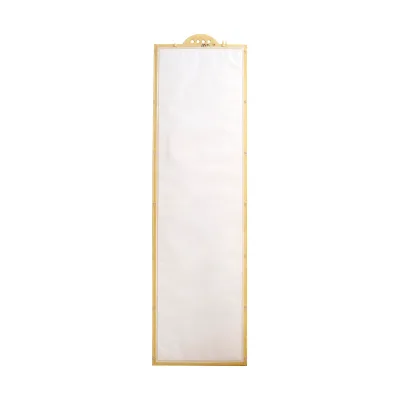

Submerged Flat Sheet Membrane Module for Mbr Water Treatment System
$9.50 - $13.00
MOQ: 500 Square Meters
Changsha Pasteur Environmental Protection Technology Co., Ltd


Jhm Xpm-150 0.1micron - 0.4micron Mbr Membrane PVDF Flat Sheet Mbr Element
$45.50 - $52.50
MOQ: 1 Square Meters


Comprehensive Sourcing Guide
Strategic Sourcing Guide for Mbr Flat Sheet Membrane Systems
Understanding the Core Technology and Configuration
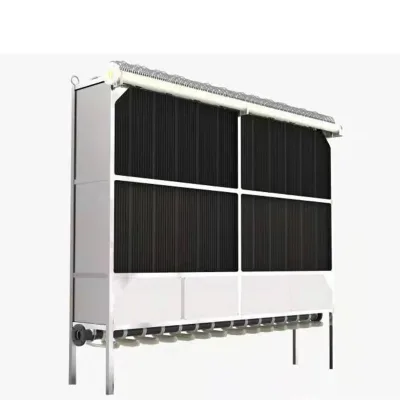
The Membrane Bioreactor (MBR) flat sheet membrane represents a critical advancement in wastewater treatment technology, distinguishing itself from traditional hollow fiber configurations through its structural design and operational flexibility. In the current market, buyers encounter a variety of membrane types, including flexible flat sheet membranes, plate and frame structures, and enhanced external pressure membranes. The primary material composition observed in high-performance units is Polyvinylidene Fluoride (PVDF), often cited as Rpvdf in specific hollow fiber contexts, though the flat sheet variants predominantly utilize PVDF for its robust chemical resistance and mechanical strength.
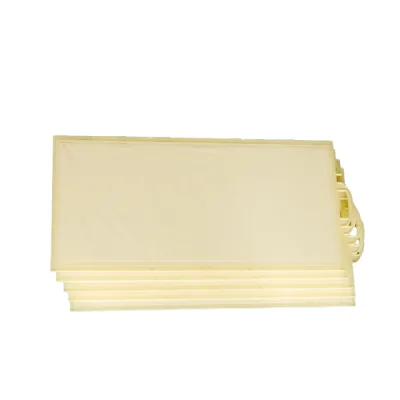
When evaluating the physical specifications, the membrane size is a fundamental parameter. Standard dimensions frequently observed include a 250x250mm footprint, which facilitates modular assembly within the bioreactor tank. The average thickness of these membranes typically ranges around 0.7mm, providing a balance between durability and permeability. The pore size is another critical specification, generally falling within the 0.03 to 0.1 micrometer range, which ensures effective separation of suspended solids and pathogens. This pore structure classifies the membrane under Microfiltration (MF) or Ultrafiltration (UF) categories, depending on the specific application requirements and the manufacturer's design intent.
The operational mode is another distinguishing factor. While some systems utilize an outside-in flow configuration, others employ negative pressure suction or enhanced external pressure methods. The design flux, often cited in the range of 10 to 40 liters per square meter per hour (L/M²/H), serves as a key performance indicator for throughput efficiency. Buyers must recognize that these flux values are contingent upon the operating temperature, which typically ranges between 10 and 40 degrees Celsius, with some units supporting a broader operational window from 5 to 45 degrees Celsius.
Technical Specifications and Operational Parameters
Selecting the correct technical specifications requires a deep dive into the operational limits and design constraints of the MBR system. The operating pressure is a vital metric, with observed ranges extending from -0.01 to -0.06 MPa, indicating the suction pressure required to drive the filtration process. It is essential to verify the maximum transmembrane pressure (TMP) capabilities, as some specifications list a maximum of 50 kPa, while others may define different thresholds based on the specific model, such as the LR4, LR8, LR9, or MBR-500D.
The pH range is equally critical for chemical compatibility. Standard operating pH ranges are typically between 2 and 10, though cleaning protocols may require a broader spectrum, extending from 1 to 13. This wide cleaning pH window allows for effective chemical cleaning in place (CIP) procedures to restore membrane flux without damaging the PVDF material. The recommended operating temperature is often specified between 15 and 35 degrees Celsius, ensuring optimal biological activity and membrane performance.
Model numbers and product standards vary significantly across suppliers. Common model identifiers include XPM-150, Bsd-Mbr, and various LR series designations. The physical dimensions of the module itself can be customized accordingly, with some standard dimensions noted as 1000x534x46 mm. The membrane form is described as either a flat sheet or a hollow fiber, and the filtering method is frequently negative pressure suction. Buyers should verify the specific model number against their process requirements, as the "Standard" support and specific product standards (such as 550/100/1100 or 1000x534x46) may differ by manufacturer.
Compliance, Certification, and Regulatory Standards
In the global B2B market, compliance with international quality and environmental management standards is non-negotiable for reputable MBR membrane suppliers. The most frequently observed certifications for these products include ISO 9001 for quality management systems and ISO 14001 for environmental management. These certifications indicate that the manufacturer adheres to rigorous production controls and environmental responsibility protocols.
When evaluating a supplier, buyers must request proof of these certifications rather than relying on marketing claims. The origin of the product is also a significant factor; many MBR flat sheet membranes are manufactured in China, with specific production hubs noted in regions like Quanzhou, Fujian. While the geographic origin is a fact, the quality assurance processes associated with the manufacturing facility are what truly matter.
The "Standard" attribute in product listings often refers to internal or industry-specific benchmarks. For instance, some listings mention support for specific standards or reference numerical codes like 550/100/1100. Buyers should clarify what these numbers represent, whether they denote physical dimensions, pressure ratings, or specific industry compliance codes. Additionally, the processing capacity is sometimes cited with high percentages, such as 99.99%, which refers to the removal efficiency of contaminants. However, this figure should be treated as an observation of a specific product listing rather than a universal guarantee for all flat sheet membranes.
Cost Drivers and Procurement Economics
The pricing of MBR flat sheet membranes is influenced by a complex interplay of factors, including material costs, manufacturing complexity, and customization requirements. The observed price range in the market is extensive, spanning from $1 to $2,249.67 USD. This wide variance suggests that the unit price is highly dependent on the specific configuration, volume, and whether the product is sold as a single membrane element or as part of a complete system.
The Minimum Order Quantity (MOQ) is another significant cost driver, with observed ranges from 1 to 1,500 units. Buyers purchasing small quantities may face higher per-unit costs, while those committing to larger volumes can negotiate more favorable pricing structures. The lead time for delivery is typically short, ranging from 7 to 15 days, which facilitates rapid deployment but requires careful inventory planning.
Packaging standards also impact logistics costs. Products are commonly shipped in standard wooden boxes, cartons, or wooden crates, depending on the size and fragility of the membrane modules. The "Customization" attribute is available for many products, allowing buyers to tailor dimensions, pore sizes, or material thicknesses to their specific needs. However, customization often incurs additional costs and may extend the lead time beyond the standard 7-15 day window.
Typical Applications and Industry Suitability
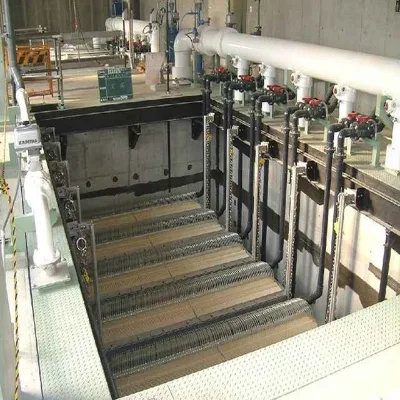
MBR flat sheet membranes are versatile and applicable across a diverse range of sectors, including industrial, agricultural, domestic, municipal, and hospital wastewater treatment. The specific application dictates the required membrane specifications. For municipal and domestic use, the focus is often on high-quality effluent for reuse or discharge, requiring strict adherence to pore size and flux standards. In industrial settings, the membranes must withstand harsh chemical environments, necessitating a robust pH range and chemical resistance.
The "Applicable to" attribute highlights the system's suitability for MBR and immersed ultrafiltration processes. This versatility allows the membranes to be integrated into various treatment trains, from small-scale home units to large-scale municipal plants. The usage categories listed—Industrial, Agriculture, Home, and Hospital—underscore the broad adaptability of the technology. However, buyers must ensure that the specific model selected matches the scale and complexity of their intended application. For instance, a model designed for domestic use may not possess the durability or flux capacity required for heavy industrial loads.
Supplier Evaluation and Quality Control Protocols
Evaluating a supplier for MBR flat sheet membranes requires a rigorous due diligence process. Buyers should prioritize suppliers who can demonstrate consistent adherence to ISO 9001 and ISO 14001 standards. The origin of the product, particularly from established manufacturing hubs in China, can be a positive indicator of supply chain maturity, but it must be paired with verified quality control measures.
Quality control should extend beyond the initial purchase to include ongoing performance monitoring. Key metrics to track include the cleaning pH value, which should align with the manufacturer's recommendations (typically 1-13), and the operating temperature range (15-35°C). The backwash applicability is another critical feature; a "Yes" designation indicates that the membrane supports backwashing, a vital maintenance procedure for maintaining long-term flux.
Buyers should also verify the "Standard" support and specific product standards provided by the supplier. While some listings mention support for standards like 550/100/1100, the actual relevance of these standards to the buyer's specific regulatory environment must be confirmed. The "Processing Capacity" of 99.99% is an impressive figure, but it should be validated through third-party testing or reference to actual performance data from similar installations.
Long-Term Procurement and Lifecycle Management
Procuring MBR flat sheet membranes is not merely a one-time transaction but a long-term investment in water treatment infrastructure. The "Customization" availability allows for future scalability, but buyers must consider the lifecycle costs, including energy consumption for suction pressure, chemical costs for cleaning, and membrane replacement schedules. The design flux of 10-40 L/M²/H is a starting point; actual performance may degrade over time due to fouling, necessitating regular maintenance and cleaning cycles.
The delivery time of 7-15 days is favorable for restocking, but buyers should establish a buffer stock to account for potential supply chain disruptions. The "Standard Wooden Box" or "Carton" packaging ensures safe transport, but the handling procedures upon arrival must be strictly followed to prevent physical damage to the delicate membrane sheets.
In conclusion, sourcing MBR flat sheet membranes requires a balanced approach that considers technical specifications, compliance, cost, and long-term operational needs. By focusing on verified certifications, understanding the specific application requirements, and maintaining a proactive quality control strategy, buyers can secure a reliable supply of high-performance membranes that meet their wastewater treatment goals. The observed data points, such as the 0.03-0.1μm pore size and PVDF material, serve as reliable benchmarks for evaluating potential suppliers, but the final selection must always be grounded in the specific needs of the project.
FAQs
What material is used for mbr flat sheet membranes?
The membranes are primarily constructed from PVDF material, which offers robust chemical resistance. Some listings also mention Rpvdf for hollow fiber contexts, but flat sheet variants predominantly utilize PVDF for durability.
What is the pore size range for these membranes?
The pore size typically falls between 0.03 and 0.1 micrometers. This range ensures effective separation of suspended solids and pathogens for microfiltration or ultrafiltration applications depending on the specific design.
Can these membranes be customized for specific needs?
Yes, customization is available for many products to tailor dimensions or specifications. Buyers can request specific module sizes or material thicknesses, though this may impact lead times and pricing structures.
What certifications do the manufacturers hold?
Reputable suppliers typically hold ISO 9001 and ISO 14001 certifications for quality and environmental management. These standards indicate adherence to rigorous production controls and environmental responsibility protocols during manufacturing.
How long is the delivery time for orders?
The standard delivery time ranges from 7 to 15 days for most orders. This short lead time facilitates rapid deployment, though customized orders may require additional processing time beyond the standard window.
What is the recommended operating temperature range?
The recommended operating temperature is typically between 15 and 35 degrees Celsius. Some units support a broader operational window from 5 to 45 degrees Celsius to accommodate varying environmental conditions.
What is the minimum order quantity for these membranes?
The minimum order quantity ranges from 1 to 1500 units depending on the supplier and configuration. Purchasing small quantities may result in higher per-unit costs compared to larger volume commitments.