Source Mazda Auto Transmission Speed Sensor for Repair, Replacement, and Maintenance
Find 30 Mazda Auto Transmission Speed Sensor options from verified suppliers. Compare specifications, prices, and lead times for models compatible with Mazda 3 and other vehicles to ensure reliable performance.
Key considerations
Products List
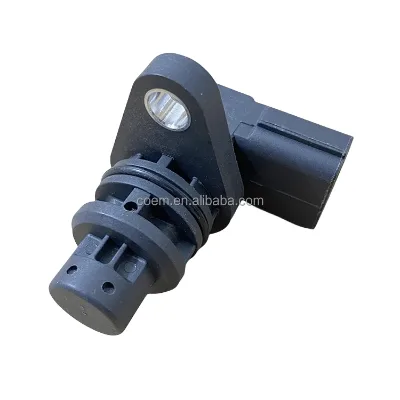
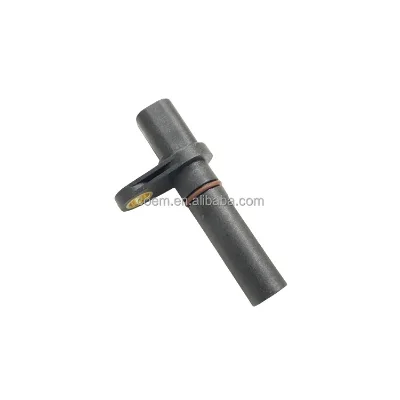
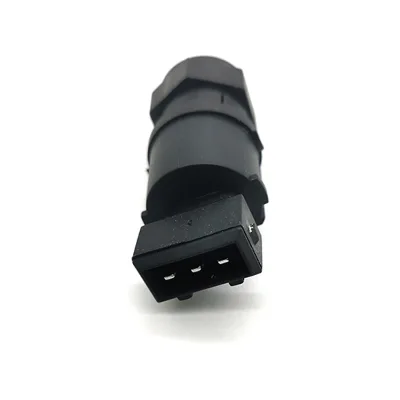
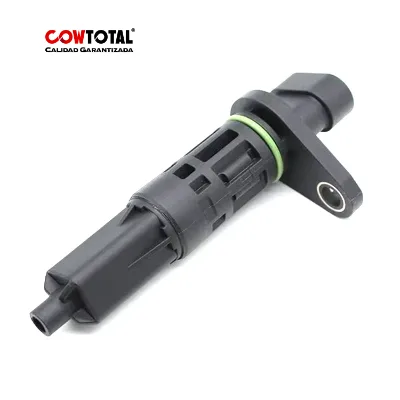
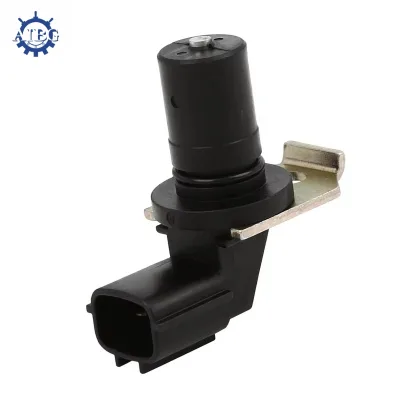
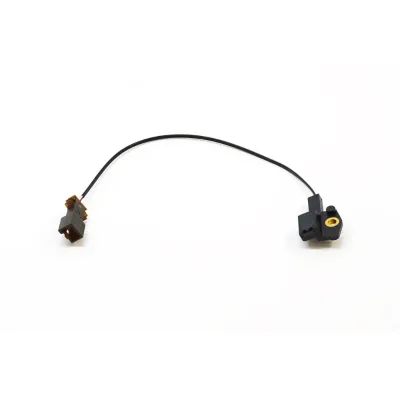
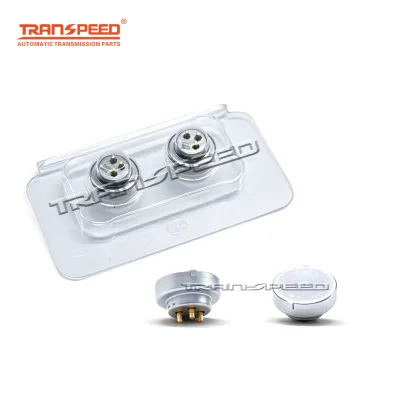
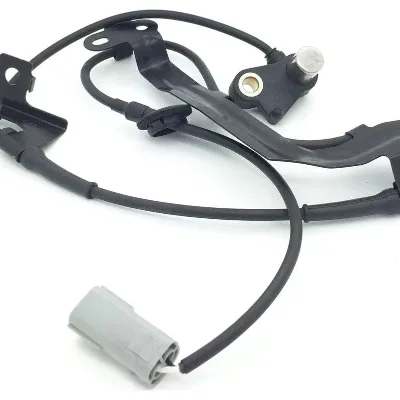

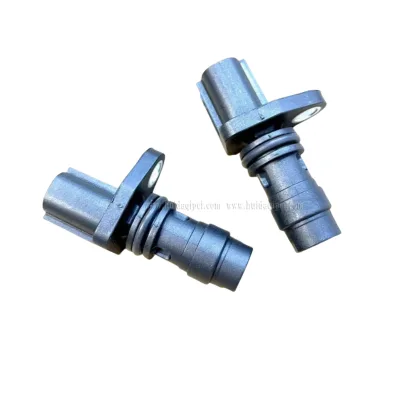
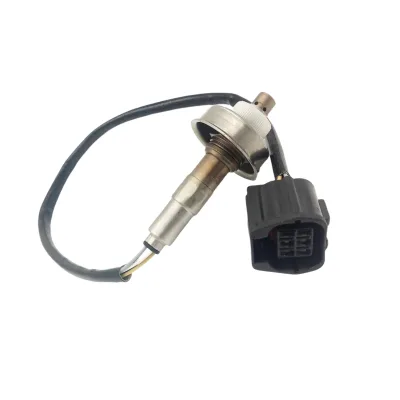
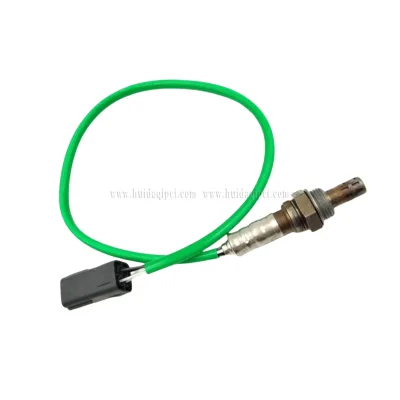

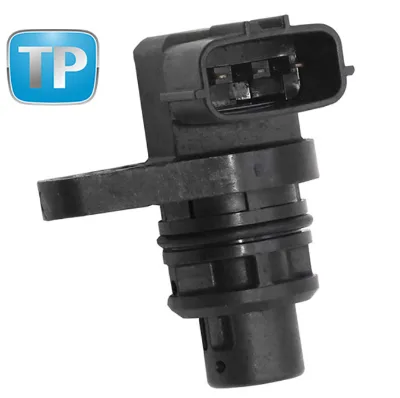


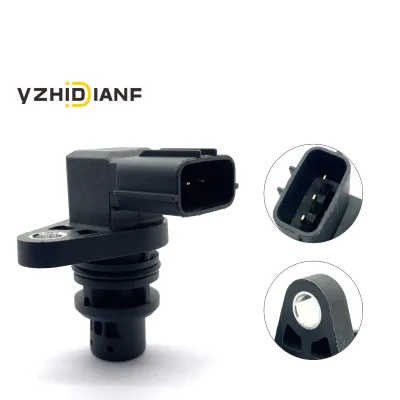
Auto Sensor Transmission Speed Sensor Odometer Truck Speed Sensor 81.27421.0129
$5.00 - $100.00
MOQ: 500 Pieces
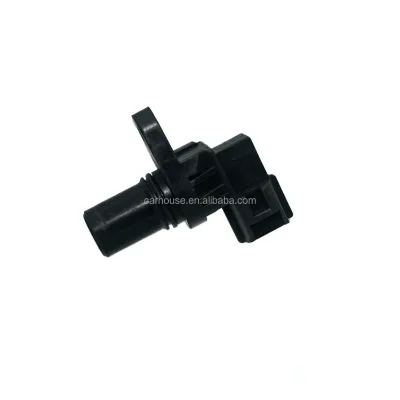
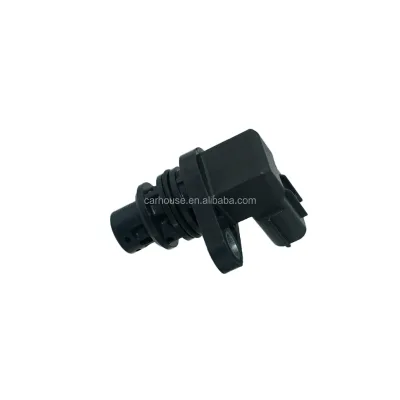


Transmission Speed Sensor Input Is Suitable for Various Vehicle Models Auto-Parts-OEM
$6.99 - $69.99
MOQ: 500 Pieces
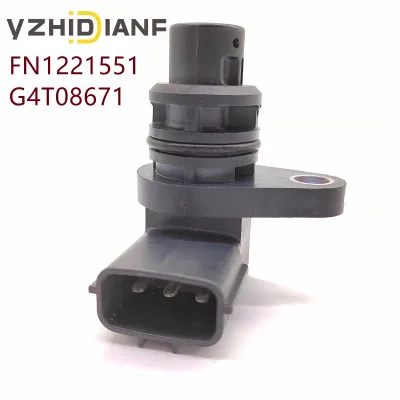
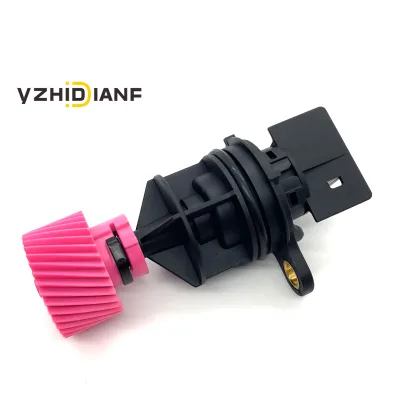


Comprehensive Sourcing Guide
Strategic Sourcing Guide for Mazda Auto Transmission Speed Sensors
Understanding Component Variants and Technical Specifications
When sourcing a Mazda Auto Transmission Speed Sensor, the primary challenge lies in the diversity of part numbers and application-specific engineering. The market presents multiple distinct variants, each tailored to specific vehicle models and transmission systems. Buyers must recognize that a single keyword search often yields products with vastly different technical profiles. For instance, one observed variant is identified by the model number FN12-21-551, which carries the OE number G4T08671. This specific configuration is marketed for general car applications and is packaged in a single unit measuring 12x10x8 cm with a gross weight of 0.480 kg.
In contrast, another significant variant is designated as AE8Z7M101B. This model is explicitly linked to Toyota applications, yet it appears in the same search ecosystem, highlighting the importance of verifying the "Car Make" attribute before purchase. This specific unit is described as having an OEM standard size and a single package dimension of 8x5x5 cm. A third distinct category includes the crankshaft sensor with model number 9091905015, which is associated with OE numbers 90919-05015 and 9091905015. This variant is specifically noted for use in Mazda 3 vehicles, distinguishing it from the broader "for car" or "for Toyota" classifications found in other listings.
The physical attributes of these sensors vary significantly. While the FN12-21-551 unit has a defined package size, the listing for the Mazda 3 specific sensor lists the single package size as "XX cm," indicating that precise dimensional data may not always be standardized in initial product descriptions. Buyers must verify the actual physical dimensions against their vehicle's mounting requirements. Furthermore, the color specifications differ; some units are listed as "Black," while others are described simply as "Pictures Showing," requiring visual confirmation of the actual product color to ensure compatibility with the vehicle's existing harness and housing.
Compliance Verification and Certification Standards
In the B2B procurement of automotive components, compliance and certification are critical risk mitigation factors. While the provided product data confirms that items are "New" and possess a "High-Quality" designation, it does not explicitly list third-party certifications such as ISO 9001, IATF 16949, or specific automotive safety standards. Buyers must treat the "High-Quality" attribute as an observation of the product's condition rather than a verified certification status.
When evaluating suppliers for Mazda speed sensors, the absence of explicit certification data in the product listing necessitates a proactive verification process. Buyers should request documentation proving that the manufacturing facility adheres to international automotive quality management systems. The "Condition: New" attribute ensures the item is not refurbished, but it does not guarantee that the internal components meet the rigorous stress and durability standards required for transmission systems.
Additionally, the "OEM" and "OE NO." fields provide a baseline for part compatibility, but they do not confirm that the part meets the original equipment manufacturer's (OEM) exact material specifications. For a Mazda 3 application, the sensor must withstand specific temperature ranges and vibration profiles inherent to the vehicle's transmission system. Buyers should verify that the supplier can provide test reports or batch-specific quality certificates that validate the sensor's performance against the OE number 90919-05015. Without such documentation, the risk of premature failure increases, potentially leading to transmission control module errors or vehicle safety issues.
Cost Drivers and Pricing Dynamics
The pricing structure for auto transmission speed sensors is influenced by several factors, including the specific model number, packaging requirements, and the complexity of the internal electronics. The observed market data indicates a wide price range, with listings ranging from $0.30 to $150.00 USD. This broad spectrum suggests that price is not solely a function of the part's identity but is heavily dependent on the supplier's value proposition, including branding, warranty terms, and shipping logistics.
For the FN12-21-551 variant, the pricing is likely influenced by its specific packaging (12x10x8 cm) and the inclusion of a one-year warranty. Similarly, the AE8Z7M101B unit, with its smaller footprint (8x5x5 cm) and 12-month warranty, may command a different price point. The Mazda 3 specific sensor (9091905015) may have a price premium due to its targeted application and the potential for higher demand in the aftermarket.
Buyers should also consider the impact of "Neutral Packing" versus "Brand Packing" on costs. Some suppliers offer customization, such as logo placement, which can affect the unit price. The "Single gross weight" of the items, ranging from 0.300 kg to 0.5 kg, directly impacts shipping costs, which are often a significant component of the total landed cost. Furthermore, the "Selling Units" are listed as "Single item," which allows for flexible purchasing but may result in higher per-unit costs compared to bulk orders.
Typical Applications and Vehicle Compatibility
The application of auto transmission speed sensors is highly specific to the vehicle make, model, and year. The data highlights three distinct application scenarios. The first is a general "for car" application, represented by the FN12-21-551 model. This suggests a broader compatibility that may require cross-referencing with the vehicle's specific transmission type. The second scenario involves the AE8Z7M101B model, which is explicitly marked for Toyota, indicating that it is not suitable for Mazda vehicles and serves as a clear example of the importance of verifying the "Car Make" attribute.
The third and most relevant application for this guide is the 9091905015 sensor, which is explicitly listed for the Mazda 3. This part is designed to replace or repair the speed sensor in the transmission system of this specific model. The "Purpose: for replace/repair" attribute confirms its role as a direct replacement part. Buyers must ensure that the part number matches the original equipment number exactly to avoid compatibility issues.
It is crucial to note that while some listings mention "Car Make: Car" or "Car Make: MAZDA 3," others may list "Car Make: Toyota." This inconsistency underscores the need for buyers to carefully read the "OE NO." and "Model Number" fields. The presence of multiple model numbers (FN12-21-551, AE8Z7M101B, 9091905015) in the same search result indicates that the market is fragmented, and buyers must filter results based on the specific vehicle they are servicing.
Supplier Evaluation and Logistics Assessment
Evaluating suppliers for Mazda speed sensors requires a focus on logistics capabilities, communication, and service reliability. The observed data shows that suppliers offer shipping via major carriers such as DHL, FedEx, UPS, EMS, and TNT. This variety suggests that suppliers have established logistics networks capable of international delivery. However, the "Delivery time" varies, with some listings stating 3-7 working days and others indicating 7-15 days. This discrepancy highlights the need for buyers to confirm lead times based on their specific location and urgency.
Payment terms are another critical factor in supplier evaluation. The data indicates that suppliers accept TT (Telegraphic Transfer), PayPal, Western Union, and Trade Assurance. Trade Assurance is particularly valuable for B2B buyers as it offers a layer of financial protection. The "Service" attributes, such as "24 Hours Customer Service" or "Within 24 Work Hours," suggest a commitment to responsiveness, which is essential for resolving technical queries or shipping issues.
When selecting a supplier, buyers should verify the "Place of Origin." Most listings indicate "Guangdong, China" or simply "China." While this is a common manufacturing hub, buyers should ensure that the supplier has a track record of exporting to their region. The "Customization" option, which includes logo customization, indicates that suppliers are willing to work with buyers on branding, which can be beneficial for private label arrangements. However, buyers must confirm that such customization does not compromise the part's technical integrity or warranty coverage.
Quality Control and Long-Term Procurement Considerations
Ensuring long-term procurement success requires a robust quality control strategy. The "Warranty" terms observed in the data range from 1 year to 12 months, providing a baseline for the expected lifespan of the product. However, buyers should not rely solely on the warranty period as a measure of quality. Instead, they should implement a sampling protocol to test incoming batches for functionality and durability.
The "Single gross weight" and "Single package size" data provide useful metrics for inventory management and shipping cost calculations. For example, the 0.480 kg weight of the FN12-21-551 unit and the 0.5 kg weight of the AE8Z7M101B unit are relatively light, making them cost-effective to ship. However, the "XX cm" listing for the Mazda 3 sensor package size indicates a need for direct supplier communication to obtain accurate dimensions for logistics planning.
Long-term procurement also involves building a relationship with suppliers who can provide consistent quality. The "High-Quality" attribute is a positive signal, but it should be validated through performance testing. Buyers should consider the "Purpose: for replace/repair" aspect, ensuring that the sensor is a direct replacement that maintains the vehicle's original performance characteristics. Additionally, the "Color: Black" or "Pictures Showing" attributes should be verified to ensure that the physical appearance matches the original part, which can be important for visual inspections during installation.
Comparative Analysis of Key Product Attributes
To facilitate decision-making, the following table summarizes the key attributes of the observed sensor variants. This comparison helps buyers quickly identify the most suitable product for their specific needs.
| Attribute | Variant 1 (FN12-21-551) | Variant 2 (AE8Z7M101B) | Variant 3 (9091905015) |
|---|---|---|---|
| Product Name | Speed Sensor | Speedometer Sensor | Crankshaft Sensor |
| Model Number | FN12-21-551 | AE8Z7M101B | 9091905015 |
| OE Number | G4T08671, FN12-21-551 | AE8Z7M101B | 90919-05015, 9091905015 |
| Car Make | For Car | For Toyota | Mazda 3 |
| Brand Name | Hengney | (Not specified) | COWTATAL / AIBG |
| Package Size | 12x10x8 cm | 8x5x5 cm | XX cm |
| Gross Weight | 0.480 kg | 0.5 kg | 0.300 kg |
| Warranty | 1 Years | 12 Months | (Not specified in snippet) |
| Delivery Time | 3-7 Working Days | (Not specified) | 7-15 Days |
| Shipping | DHL, FEDEX, UPS, EMS, TNT | DHL, FEDEX, EMS, UPS | DHL, UPS, FEDEX, EMS, TNT |
This table illustrates the diversity in the market. While Variant 1 and Variant 3 are relevant to general or Mazda applications, Variant 2 is clearly for Toyota and should be excluded from Mazda-specific procurement. The variation in package sizes and weights affects logistics planning, and the differing delivery times require careful scheduling. By cross-referencing these attributes with the specific requirements of the vehicle, buyers can make informed decisions that minimize risk and ensure compatibility.
FAQs
Which model numbers match Mazda auto transmission speed sensors?
The model number 9091905015 is explicitly listed for Mazda 3 applications. Other variants like FN12-21-551 are for general cars, while AE8Z7M101B targets Toyota vehicles. Always verify the OE number to ensure correct fitment for your specific vehicle model.
What are the standard delivery times for these sensors?
Delivery times typically range from 3 to 15 working days depending on the supplier. Some listings offer expedited shipping within 3-7 working days, while others may require up to 15 days. Confirm the specific lead time with the vendor before placing an order.
Can I request logo customization for bulk orders?
Yes, suppliers accept logo customization for branded packaging. This service allows buyers to add their own branding to the neutral or brand packing options. Verify if customization affects the unit price or minimum order quantity before finalizing the purchase agreement.
What warranty coverage is provided for these parts?
Most listings offer a warranty period of 1 year or 12 months for new sensors. This coverage applies to the product condition and functionality upon delivery. Check the specific warranty terms for each model number to ensure they meet your quality expectations.
How can I verify the product quality before buying?
Products are listed as new with high-quality designations, but third-party certifications are not explicitly stated in the data. Buyers should request batch-specific quality certificates or test reports to validate performance against the OE number. Visual inspection of the color and dimensions is also recommended.
What payment methods are accepted by suppliers?
Suppliers accept various payment methods including TT, PayPal, Western Union, and Trade Assurance. Trade Assurance offers financial protection for B2B buyers during the transaction. Ensure the chosen payment method aligns with your company's risk management policies before proceeding.
Are these sensors compatible with all Mazda models?
No, compatibility is specific to certain models like the Mazda 3. The model 9091905015 is designated for Mazda 3, while other numbers target different makes. Always cross-reference the OE number and model number with your vehicle's transmission system to avoid fitment issues.