Source Mazda B2500 Engine Cylinder Head for Cars, Trucks, and Buses
Find 30 verified Mazda B2500 Engine Cylinder Head options from Chinese suppliers. Buyers can compare aluminum construction, OE numbers, and delivery times for auto engine parts.
Key considerations
Products List
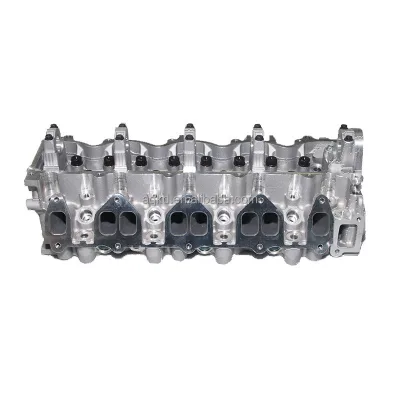
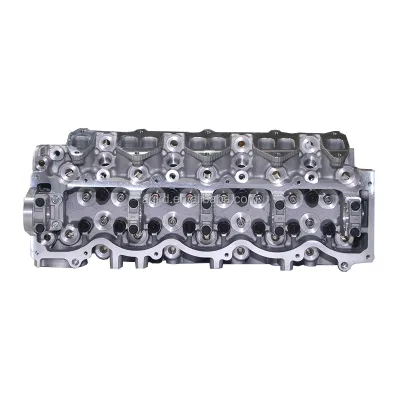
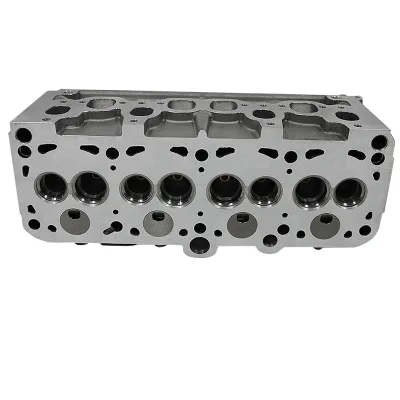
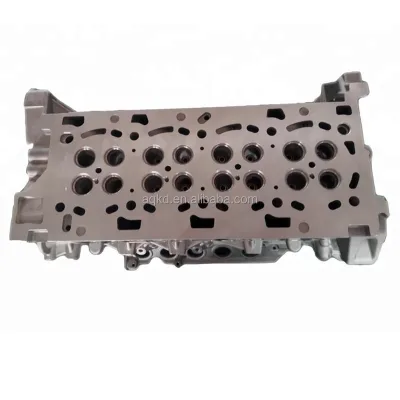


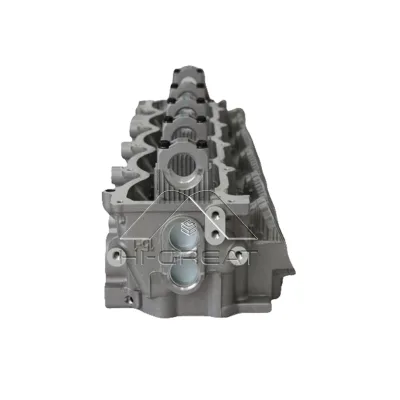
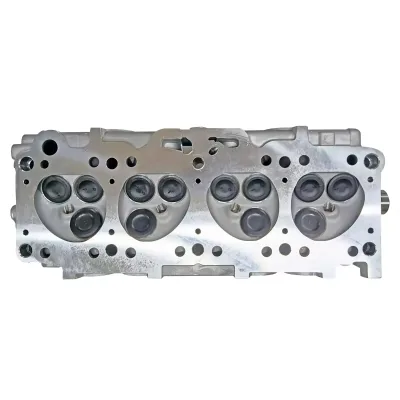


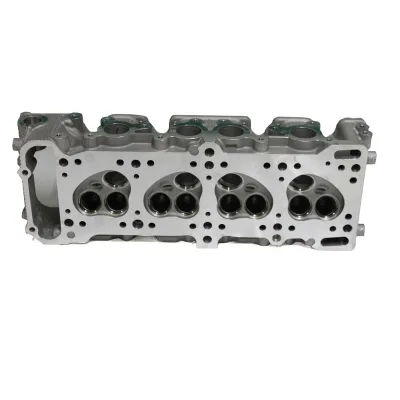
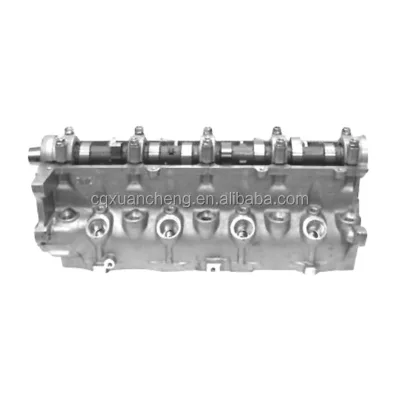
Good Quality G6 Cylinder Head Fit for MAZDA B26 /MPV 2.6L Engine Cylinder Head
$102.55 - $307.66
MOQ: 5 units
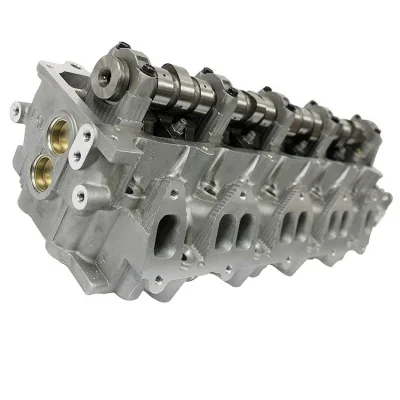



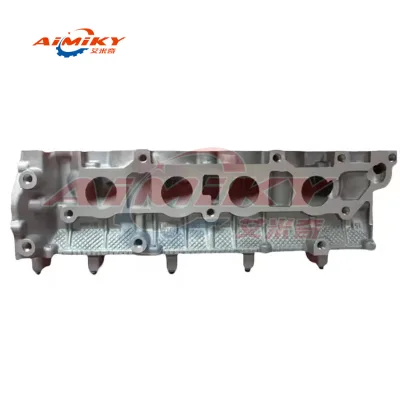
Hot Sale Car Engine Part Motor Head for Mazda Gdi 2.0 Auto Engine Cylinder Head
$680.00 - $700.00
MOQ: 1 Pieces


Auto Engine Parts Cylinder Head for MAZDA 3 MAZDA 6 3S7G6C032BB Engine 4ZD1
$234.58 - $254.98
MOQ: 10 pieces
Comprehensive Sourcing Guide
Mazda B2500 Engine Cylinder Head Sourcing Guide
Sourcing replacement cylinder heads for the Mazda B2500 requires a disciplined approach to part identification and supplier verification. The Mazda B2500, often sharing platforms and components with Ford Ranger models from the same era, utilizes specific engine configurations that demand precise matching of casting numbers, engine codes, and OEM references. Buyers must navigate a market where generic aftermarket parts coexist with high-quality remanufactured units, making the initial screening of supplier listings critical to avoiding costly fitment errors. This guide outlines the essential steps for verifying technical compatibility, assessing supplier credibility, and establishing robust commercial terms for this specific automotive component.
The procurement process begins with a rigorous audit of the product listings against the vehicle’s actual requirements. While many suppliers list broad compatibility, the specific engine code and casting number are the definitive identifiers for a correct fit. Buyers should prioritize suppliers who provide explicit cross-references to original equipment manufacturer (OEM) numbers and clearly state the engine code, such as the Y601 or JK variants observed in current market data. Understanding the distinction between new cast heads and remanufactured units is equally important, as the material composition and testing standards differ significantly between the two categories.
Product Scope and Observed Listing Signals
Current market observations indicate a diverse range of cylinder head listings, with prices varying significantly based on condition, material, and included accessories. The observed price range for these components spans from approximately $1 to $700 USD, reflecting the difference between basic bare heads and fully assembled units with valves, guides, and seats installed. Minimum order quantities (MOQ) are typically flexible, ranging from single pieces for retail or small workshop needs up to fifty units for fleet maintenance or distributor requirements. Buyers should carefully examine whether the listed price includes essential machining services or if additional costs for resurfacing and valve jobbing will apply upon delivery.
Listing signals also reveal important details about packaging and logistics that impact the total cost of ownership. Products are often described with specific packaging standards, such as neutral packing or individual box packaging, which can affect protection during transit and storage efficiency. The single package dimensions and gross weight, often cited around 49x30x24 cm and 15 kg respectively, are crucial for calculating freight costs and warehouse handling requirements. Suppliers frequently highlight attributes like "100% Tested" or "New Condition," but buyers must verify what these claims entail, such as whether pressure testing or leak-down testing was performed before dispatch.
Technical Specifications to Verify
The primary technical verification point is the engine code and corresponding OEM number, which serve as the definitive link between the cylinder head and the Mazda B2500’s powertrain. Listings frequently reference specific engine codes such as Y601 or JK, alongside OEM numbers like 1005A560 or FE70 10100F. It is imperative to cross-reference these numbers with the vehicle’s engine block casting mark, as visual similarity can be misleading. The material composition is another critical specification, with aluminum alloy being the standard for modern applications due to its thermal conductivity and weight advantages over cast iron. Buyers must confirm that the material grade meets the thermal and mechanical stresses of the specific engine variant.
Additional technical parameters include the cooling method, cylinder arrangement, and valve train configuration. Most Mazda B2500 engines utilize water-cooled systems with inline or V-style arrangements, depending on the specific model year and market. The cylinder head must be compatible with the existing cylinder block’s bolt pattern and coolant passage alignment. Furthermore, buyers should verify the condition of the cylinder cap and liner materials, ensuring that composite plates or bare cylinder head surfaces are free from defects. The presence of specific AMC numbers, such as 908596 or 908010, can also assist in narrowing down the exact part variant, though these should always be secondary to the primary OEM and engine code verification.
Compliance and Safety Documentation
While cylinder heads are mechanical components rather than electronic devices, compliance with quality management standards remains a key indicator of supplier reliability. Some listings mention certifications such as SGS or ISO standards, which suggest that the manufacturing process adheres to recognized quality control protocols. Buyers should request documentation that verifies these certifications are current and applicable to the specific production batch. Although specific safety certifications like those for airbags or brakes do not apply, the structural integrity of the cylinder head is paramount for engine safety, making quality assurance documentation a vital part of the procurement package.
Documentation should also include detailed inspection reports or test certificates that confirm the head’s integrity. For new cast heads, this may involve pressure testing to ensure there are no cracks in the coolant passages or combustion chambers. For remanufactured units, a comprehensive list of replaced components, such as valve seals, guides, and gaskets, should be provided. Buyers should insist on clear warranty terms that specify coverage for manufacturing defects, typically ranging from one year to twelve months. This warranty period serves as a financial safeguard against premature failure and ensures that the supplier stands behind the quality of their product.
Cost Drivers and Commercial Terms
Several factors influence the final cost of a Mazda B2500 cylinder head, including the level of machining included, the material quality, and the supplier’s location. Heads that arrive pre-machined with valves and seats installed command a higher price but reduce labor costs for the buyer. Conversely, bare heads are cheaper but require additional machining services, which can add significant time and expense to the procurement process. Shipping costs are also a major variable, with the port of dispatch, often Shanghai, affecting transit times and freight rates. Buyers should calculate the landed cost, including duties and handling fees, rather than focusing solely on the unit price.
Commercial terms such as delivery time and payment conditions play a crucial role in supply chain planning. Typical delivery windows range from seven to fifteen days, depending on stock availability and shipping method. Buyers should negotiate clear terms for delays, especially if the cylinder head is critical for vehicle uptime. Payment terms may vary from upfront payment for small orders to letters of credit for larger volumes. It is advisable to clarify whether the quoted price includes export packaging and insurance, as these can impact the overall budget. Understanding these commercial nuances helps in avoiding hidden costs and ensuring a smooth transaction.
Supplier Qualification and Quality Control
Evaluating supplier qualifications is essential to mitigate the risk of receiving substandard or incompatible parts. Buyers should verify the supplier’s business license and manufacturing capabilities, distinguishing between trading companies and actual factories. Factories often provide more consistent quality control and better pricing, while traders may offer broader product ranges but less direct oversight. Checking for past performance indicators, such as customer reviews or repeat order rates, can provide insights into the supplier’s reliability. Additionally, suppliers who offer customization services may be better equipped to handle specific buyer requirements, such as special packaging or labeling.
Quality control processes should be explicitly defined and agreed upon before placing an order. This includes pre-shipment inspections, where a third-party or internal inspector verifies the part against the agreed specifications. Buyers should request photos or videos of the actual product before shipment to confirm the condition and packaging. Establishing a clear protocol for handling defective items, including return policies and replacement procedures, is crucial. Suppliers who proactively communicate their quality control measures and are willing to accommodate inspection requests demonstrate a higher level of professionalism and commitment to customer satisfaction.
Long-Term Procurement Checks
Establishing a long-term relationship with a reliable supplier requires ongoing monitoring and periodic audits. Buyers should track the performance of each batch of cylinder heads, noting any issues with fitment, durability, or packaging. Consistent quality over multiple orders is a strong indicator of a supplier’s stability and commitment to excellence. Regular communication with the supplier can help in staying updated on new product offerings or improvements in manufacturing processes. Building a partnership based on mutual trust and clear expectations can lead to better pricing, priority production, and improved support during supply chain disruptions.
Continuous improvement in the procurement process involves refining the verification steps and updating the supplier evaluation criteria. As market conditions change, buyers should reassess the cost drivers and commercial terms to ensure they remain competitive. Engaging with multiple suppliers can provide leverage and reduce dependency on a single source. Additionally, staying informed about industry trends and technological advancements in engine component manufacturing can help buyers make more informed decisions. By maintaining a disciplined approach to supplier management and quality assurance, buyers can ensure a steady supply of high-quality cylinder heads for their Mazda B2500 fleet.
FAQs
What is the material of the engine cylinder head?
The engine cylinder head is made of aluminum alloy. This material ensures durability and efficient heat dissipation for the Mazda engine. The product is new and undergoes 100% testing to guarantee quality before shipment.
Which car models are compatible with this cylinder head?
This cylinder head is compatible with Mazda, VW, and Renault vehicles. Specific OE numbers include 1005A560 for Mazda and 068103351D for VW. Buyers should verify their engine code against the listed specifications like Y601 or JK.
Can I customize the packaging for this product?
Yes, customization is available for this product. The standard packing is neutral packing in a box with one piece per carton. Buyers can request specific packaging solutions to meet their logistical or branding requirements.
What is the minimum order quantity for this item?
The minimum order quantity is one piece. This low MOQ allows buyers to test the product quality before placing larger orders. The selling unit is listed as a single item for flexible purchasing.
How long does delivery take from the supplier?
Delivery time ranges from 7 to 15 days after order confirmation. The product ships from Shanghai port. Buyers should account for this lead time when planning their inventory replenishment schedules.
What warranty is provided for the cylinder head?
A one-year warranty is provided for this engine cylinder head. The product is also described as having a 12-month warranty period. This coverage ensures protection against manufacturing defects during the specified timeframe.
Which certifications does the product meet?
The product meets SGS standards and holds ISO certification. These certifications verify that the manufacturing process adheres to international quality management systems. Buyers can rely on these standards for consistent product performance.