Source Mazda Engine Flywheel for Car, Truck, and Motorbike
Find 24 Mazda Engine Flywheel options for car, truck, and motorbike applications. Compare steel ring gears with 129-147 teeth, OE replacements, and custom packaging to match your vehicle repair needs; compare the available evidence and request quotations based on your requirements.
Key considerations
Products List


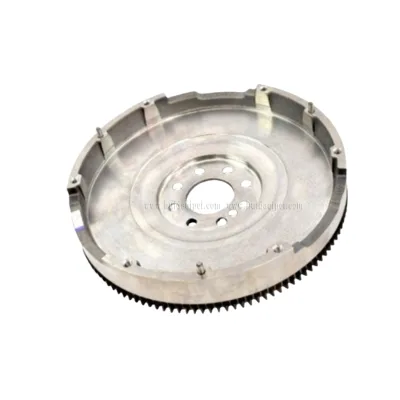
Auto Parts Flywheel with Ring Gear for Lada FIAT 2101-07-2121 2101-1005115
$18.00 - $21.00
MOQ: 100 Pieces


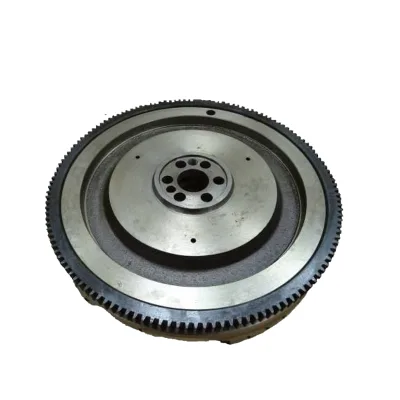


Flywheel for Ms170 Ms180 017 018
$2.79 - $4.29
MOQ: 99 Pieces
Ningbo Eastar Electromechanical Industrial Trading Co., Ltd.



Comprehensive Sourcing Guide
Mazda Engine Flywheel Sourcing Guide
Procuring replacement flywheels for Mazda powertrains requires a disciplined approach to component verification, as these critical rotating assemblies directly influence engine smoothness, starting reliability, and transmission engagement. The flywheel serves as the primary interface between the crankshaft and the clutch system, absorbing torsional vibrations while providing the necessary inertia for consistent idle operation. For fleet managers and independent repair shops, sourcing the correct unit is not merely about matching a part number but ensuring compatibility with specific engine displacements and transmission configurations. This guide outlines the essential verification steps, technical parameters, and commercial considerations necessary to secure high-quality flywheel assemblies that meet OEM standards without compromising vehicle performance or safety.
Buyers must navigate a complex supply chain where generic listings often obscure critical dimensional differences. Observed market data indicates a wide variance in product attributes, ranging from single-tooth counts to varying outer diameters, which necessitates rigorous cross-referencing before placing orders. The core keyword "Mazda Engine Flywheel" encompasses a broad spectrum of components, including ring gears, clutch-facing surfaces, and complete assemblies. Understanding the specific application, whether for a passenger car, truck, or motorbike, is the first step in filtering irrelevant listings. This guide provides a structured framework for evaluating suppliers, verifying technical specifications, and establishing quality control protocols to ensure that every procured unit performs reliably under operational stress.
Product Scope and Observed Listing Signals
The current market landscape for Mazda flywheels presents a diverse array of product listings, with observed price ranges spanning from approximately $2.79 to $297.59 USD. This significant variance reflects differences in material quality, manufacturing processes, and included components, such as whether the listing offers a standalone ring gear or a complete flywheel assembly. Buyers should note that minimum order quantities (MOQ) typically range from 1 to 300 pieces, allowing for both single-unit repairs and bulk fleet maintenance. The presence of customization options and various packing methods, including pallets, cartons, and standard sea-worthy packages, indicates that suppliers cater to both individual technicians and large-scale distributors. Understanding these signals helps buyers align their procurement strategy with their specific volume requirements and logistical capabilities.
Product attributes observed in listings reveal critical details about the component's construction and intended use. Many suppliers specify materials such as steel, with surface treatments like zinc plating and blackening to enhance corrosion resistance. Heat treatment processes, including case hardening, are frequently mentioned, suggesting a focus on durability and wear resistance. Additionally, listings often highlight key words such as "flywheel," "ring gear," and specific model numbers like BB3Q-6375-EC, which correspond to specific Mazda and Ford Ranger applications. Buyers must carefully examine these attributes to ensure compatibility, as mismatched specifications can lead to installation failures or premature component wear. The availability of warranties, often cited as 24 months, provides an additional layer of assurance for buyers seeking long-term reliability.
Technical Specifications to Verify
Verifying technical specifications is paramount when sourcing flywheels, as even minor dimensional discrepancies can cause catastrophic engine failure. Key parameters to confirm include the outer diameter, inner diameter, and crankshaft hole dimensions, which must align precisely with the engine block and transmission input shaft. Observed listings provide specific measurements, such as an outer diameter of 302mm or 278mm, and inner diameters ranging from 40mm to 256mm. Buyers must cross-reference these values with the vehicle's service manual or original equipment manufacturer (OEM) data to ensure a perfect fit. Additionally, the number of teeth on the ring gear, observed to vary between 129 and 147 teeth, is critical for proper starter motor engagement. Mismatched tooth counts can result in grinding noises, starter failure, or inability to crank the engine.
Beyond dimensions, the model number and OE number serve as primary identifiers for compatibility. Listings often reference specific model numbers such as 4062.1005115 or 2101-1005115, which correspond to particular engine families. Buyers should also verify the clutch disc facing outer diameter, observed at 250mm in some listings, to ensure compatibility with the existing clutch assembly. The condition of the component, typically listed as 100% new, should be confirmed through supplier documentation or third-party inspections. Furthermore, the application scope, which may include cars, trucks, motorbikes, and tractors, must be validated against the specific vehicle being serviced. Accurate verification of these technical details prevents costly returns and ensures that the procured flywheel integrates seamlessly with the vehicle's powertrain.
Compliance and Safety Documentation
Compliance with international standards is essential for ensuring the safety and reliability of procured flywheel components. Many suppliers claim adherence to ISO standards and OEM specifications, which serve as benchmarks for quality and consistency. Buyers should request documentation that verifies these claims, such as material test reports or quality management system certificates. The presence of certifications like ISO TSEngine Type:Gasoline suggests that the supplier maintains certain quality protocols, although buyers must independently verify the scope and validity of these certifications. Ensuring that components meet recognized standards helps mitigate risks associated with mechanical failure and ensures that the flywheel can withstand the operational stresses of the engine.
Safety documentation also includes information on surface treatments and heat treatment processes, which affect the component's durability and resistance to environmental factors. Listings often mention processes such as machining, forging, and case hardening, which are critical for achieving the desired mechanical properties. Buyers should verify that these processes are performed in accordance with industry best practices to prevent issues such as cracking or premature wear. Additionally, the warranty terms, often cited as 24 months, provide a contractual safeguard against defects. Buyers should ensure that the warranty covers both material and workmanship defects and that the supplier has a clear process for handling warranty claims. Proper documentation and compliance verification are essential for maintaining fleet reliability and minimizing downtime.
Cost Drivers and Commercial Terms
Several factors influence the cost of Mazda flywheels, including material quality, manufacturing complexity, and packaging requirements. Steel is a common material, with surface treatments like zinc plating adding to the production cost. The complexity of the machining and forging processes also impacts pricing, as precision manufacturing requires specialized equipment and skilled labor. Buyers should consider the total cost of ownership, which includes not only the purchase price but also shipping, handling, and potential warranty claims. Observed price ranges vary widely, reflecting differences in these cost drivers. Understanding these factors helps buyers make informed decisions and negotiate favorable terms with suppliers.
Commercial terms such as minimum order quantities, delivery times, and payment conditions also play a significant role in the procurement process. Listings indicate MOQs ranging from 1 to 300 pieces, with delivery times typically between 3 and 10 days. Buyers should align their order quantities with their inventory needs to avoid excess stock or stockouts. Payment terms, such as advance payment or letters of credit, should be negotiated to balance risk and cash flow. Additionally, packaging options, including cartons and pallets, affect shipping costs and handling efficiency. Buyers should consider these commercial terms when evaluating suppliers and selecting the most cost-effective solution for their specific procurement needs.
Supplier Qualification and Quality Control
Supplier qualification is a critical step in ensuring the reliability of procured flywheel components. Buyers should conduct thorough due diligence to verify the supplier's manufacturing capabilities, quality control processes, and track record. This includes reviewing the supplier's facility, equipment, and personnel qualifications. Buyers should also request samples for initial testing to verify dimensional accuracy and material quality. Establishing a clear quality control protocol, including incoming inspection and periodic audits, helps ensure that suppliers consistently meet the required standards. Building a strong relationship with qualified suppliers reduces the risk of defects and ensures a steady supply of high-quality components.
Quality control measures should include verification of key specifications, such as dimensions, tooth count, and surface finish. Buyers should implement a robust inspection process that checks for defects such as cracks, warping, or improper heat treatment. Statistical process control (SPC) can be used to monitor production consistency and identify potential issues early. Additionally, buyers should establish clear communication channels with suppliers to address any quality concerns promptly. Regular performance reviews and feedback loops help drive continuous improvement and ensure that suppliers remain aligned with the buyer's quality expectations. Effective supplier qualification and quality control are essential for maintaining the reliability and performance of Mazda vehicles.
Long-Term Procurement Checks
Long-term procurement success depends on continuous monitoring and evaluation of supplier performance and component quality. Buyers should establish key performance indicators (KPIs) to track metrics such as on-time delivery, defect rates, and warranty claims. Regular reviews of these metrics help identify trends and areas for improvement. Buyers should also stay informed about industry developments, such as new materials or manufacturing techniques, that may impact component performance. Engaging with suppliers to discuss future needs and potential improvements fosters a collaborative relationship that benefits both parties. Long-term procurement checks ensure that the supply chain remains resilient and responsive to changing market conditions.
Additionally, buyers should maintain a comprehensive database of component specifications and supplier information to facilitate future procurement activities. This database should include detailed records of past orders, quality test results, and supplier performance evaluations. Regular updates to this database ensure that buyers have access to accurate and up-to-date information when sourcing new components. Buyers should also consider diversifying their supplier base to mitigate risks associated with single-source dependencies. By implementing robust long-term procurement checks, buyers can ensure a steady supply of high-quality flywheels and maintain the reliability of their Mazda vehicle fleet.
FAQs
What is the warranty period for the flywheel assembly?
The flywheel assembly comes with a 24-month warranty to ensure reliability. This coverage applies to the steel construction and standard OEM specifications. Buyers can verify the warranty terms directly with the supplier before placing an order for replacement or repair purposes.
Which specifications define the flywheel ring gear model?
The flywheel ring gear features an outer diameter of 302mm and an inner diameter of 40mm. It includes 147 teeth and a crankshaft hole diameter of 6h*10.5. These precise dimensions ensure compatibility with specific engine models requiring this exact configuration.
Can I customize the flywheel for specific vehicle needs?
Customization is available for the flywheel assembly to meet unique vehicle requirements. Suppliers offer tailored solutions while maintaining high-quality standards. Buyers should confirm specific customization options and lead times directly with the manufacturer to ensure the final product fits their application.
How is the flywheel packed for international shipping?
The flywheel is packed in standard sea-worthy packages or cartons for safe transport. Some units are also palletized to prevent damage during transit. This packaging ensures the product arrives in 100% new condition, ready for immediate installation in cars, trucks, or motorbikes.
What is the minimum order quantity for this product?
The minimum order quantity varies, with some listings accepting just one piece. Other suppliers may require a minimum of two pieces or up to 300 units depending on the specific model. Buyers should check the specific MOQ for their desired quantity before initiating the purchase.
Which certifications does the flywheel manufacturer hold?
The manufacturer holds ISO certification and adheres to TSEngine standards for quality assurance. These certifications confirm that the steel flywheels meet international safety and performance benchmarks. Buyers can rely on these credentials when sourcing parts for commercial vehicles or heavy machinery applications.
What is the typical delivery time for orders?
The typical delivery time ranges from 3 to 10 days after order confirmation. This lead time applies to standard orders originating from China, specifically Zhejiang or Guangdong provinces. Expedited shipping options may be available depending on the supplier's current capacity and logistics arrangements.