Source Medical Digital Ct X-ray Film for Hospitals Clinics Labs
Compare 30 listings for medical digital ct x-ray film from verified Chinese suppliers. Options include various sizes, printer compatibility, and packaging types for adult, children, and elderly imaging needs.
Key considerations
Products List


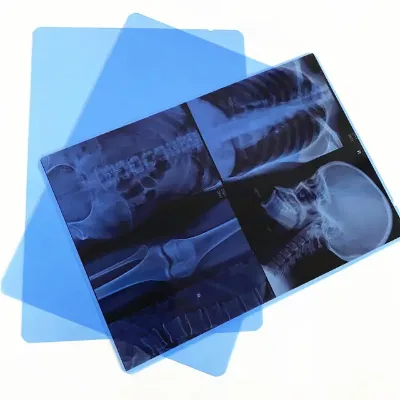
Digital X Ray Medical Radiography Film Blue/Green Sensitive X Ray Medical Film
$22.24 - $23.18
MOQ: 3000 Square Meters
Sainty International Group Jiangsu Yangzhou Sumex Imp. & Exp. Co., Ltd.



Comprehensive Sourcing Guide
Strategic Sourcing Guide for Medical Digital CT X-Ray Film
The procurement of medical digital CT x-ray film requires a nuanced understanding of the intersection between imaging hardware compatibility, film chemistry, and regulatory compliance. Buyers entering this market must navigate a complex landscape where the physical specifications of the film directly impact diagnostic accuracy and workflow efficiency. The following guide synthesizes observed market data and technical attributes to provide a structured approach for sourcing these critical medical consumables.
Technical Specifications and Format Compatibility
The foundation of a successful procurement strategy lies in matching the film's physical and chemical properties to the specific output requirements of the medical imaging facility. The observed market data indicates a diverse range of film sizes, which is a primary consideration for procurement officers. Available specifications include standard dimensions such as 810, 1012, 1317, and 1417 inches, alongside metric equivalents like 1530cm, 1843cm, and 3535/43cm. Additionally, the market offers A4, A3, and 1114 inch formats, ensuring coverage for pediatric, adult, and specialized imaging needs.
Compatibility with printing hardware is equally critical. The film must be engineered to work seamlessly with specific printer technologies. Market observations highlight that these films are designed for use with major industry-standard printers including Agfa, FUJI, Carestream, and Konica. The print type can vary, with options available for both Laser and Thermal Print technologies. Buyers must verify that the selected film model, such as those designated with codes like LYD-0134 or B-180-14X17, is explicitly rated for the specific printer models currently in use within their facility. Mismatches in print technology can lead to poor image quality, wasted inventory, and operational downtime.
Furthermore, the base color of the film is a distinct technical attribute that influences visual contrast and reading comfort. The available options include White Base and Blue Base, with some products offering a combination of White and Blue. The choice between these bases often depends on the specific diagnostic protocols of the radiology department and the ambient lighting conditions of the reading room.
Regulatory Compliance and Certification Verification
In the medical device sector, regulatory compliance is not merely a formality but a prerequisite for market entry and patient safety. When sourcing medical digital CT x-ray film, buyers must rigorously verify the certification status of the product. The supplied data reveals a variety of certifications held by different product listings, including CE, FDA, ISO, and ISOCE. Some products explicitly list FDA and ISOCE together, while others may carry EEC or MSDS certifications.
It is imperative for buyers to treat these certifications as product-specific attributes rather than universal guarantees for all listed items. A single listing may claim FDA and ISOCE, while another might only possess CE. Procurement teams must request and validate the specific certification documents for the exact model number being purchased. The presence of certifications such as ISOCE or FDA indicates that the product has undergone specific regulatory reviews, but the scope of these approvals must be confirmed against the intended use case.
Additionally, the classification of the product as "Imaging Diagnostic Equipment" or "X-Ray Film" dictates the regulatory pathway. In many jurisdictions, these items fall under strict medical device regulations. Buyers should ensure that the supplier can provide valid, current certificates that match the product model. Relying on general claims without verifying the specific certificate for the batch or model can expose the buyer to significant compliance risks and potential liability.
Cost Drivers and Pricing Structures
Understanding the cost structure of medical x-ray film is essential for budgeting and negotiation. The observed market data presents a wide price range, spanning from $0.09 to $35,000. This vast disparity suggests that the cost is not solely determined by the unit price of the film but is heavily influenced by the scale of the order, the specific technology involved, and the packaging requirements.
The Minimum Order Quantity (MOQ) is a significant factor in the total cost of ownership. The observed MOQ range extends from 1 unit to 4,000 units. For smaller clinics or those testing new suppliers, a lower MOQ allows for reduced initial capital outlay, whereas larger hospital networks may leverage high-volume orders to negotiate better unit economics. Buyers must calculate the total cost, including shipping and handling, rather than focusing solely on the per-unit price.
Packaging standards also contribute to cost variations. Products are available in various packaging configurations, such as wooden packages for export, cartons, or bags. The standard packaging often involves 100 sheets per box, with further consolidation into cartons containing 5 or 10 boxes. The choice of packaging affects logistics costs and storage requirements. For instance, wooden packages are typically more expensive but offer superior protection for international shipping, while cartons may be more cost-effective for domestic distribution.
Typical Applications and User Demographics
The versatility of medical digital CT x-ray film allows it to serve a broad spectrum of medical applications. The observed data indicates that these products are suitable for a wide demographic range, including adults, children, and the elderly. This universality makes the film a staple in general radiology departments, emergency rooms, and specialized imaging centers.
The primary use case is medical image output, where the film serves as the physical medium for displaying diagnostic results. The film must be capable of capturing high-resolution details to ensure accurate diagnosis. The pixel specifications for related digital equipment, such as 3072*3072, highlight the high resolution required for modern imaging. The film must be able to translate these digital signals into a clear, permanent physical record.
Furthermore, the customization options available in the market allow for tailored solutions. Some products offer logo printing, while others do not, providing flexibility for private label arrangements or hospital branding. The ability to customize the product can be a strategic advantage for suppliers looking to differentiate themselves, but for buyers, it ensures that the final product aligns with their institutional identity and branding guidelines.
Supplier Evaluation and Quality Assurance
Selecting the right supplier is a critical step in the procurement process. Buyers should evaluate suppliers based on their ability to provide consistent quality and adherence to specifications. The observed data mentions a "Quality Guarantee Period" of two years for certain products, which serves as a benchmark for supplier confidence. However, buyers must verify if this guarantee applies to the specific film batch or if it is a general policy.
Quality control measures should be a central part of the supplier evaluation. Buyers should inquire about the supplier's internal testing protocols and whether they adhere to recognized standards. While specific standards like ISO 13485 or IEC 60601 are mentioned in background contexts, buyers should request evidence of compliance with these or equivalent standards for the specific product line. The absence of such evidence should be a red flag.
Additionally, the supplier's location and logistics capabilities are important. The observed product origin is China, which is a major manufacturing hub for medical consumables. Buyers should assess the supplier's ability to meet lead times and handle export logistics, especially given the specific packaging requirements like wooden crates for export. A reliable supplier should be able to provide clear information on lead times and shipping methods, ensuring that the supply chain remains uninterrupted.
Long-Term Procurement Considerations
Sourcing medical x-ray film is not a one-time transaction but a long-term partnership that requires ongoing management. Buyers should consider the stability of the supply chain and the supplier's capacity to scale with the facility's needs. The availability of customization, such as logo printing and specific size options, suggests that suppliers are capable of adapting to changing requirements.
Environmental and storage conditions are also long-term considerations. The observed data specifies a temperature range of 18-24℃ and a humidity range of 50%-65% Rh for the storage of these products. Buyers must ensure that their storage facilities can maintain these conditions to prevent film degradation. Failure to store the film correctly can lead to image artifacts and wasted resources, even if the product itself is of high quality.
Finally, buyers should monitor the product lifecycle and technological advancements. As imaging technology evolves, the requirements for x-ray film may change. Suppliers who offer a range of models, such as the X41 or LEYIDI, demonstrate a commitment to innovation. Buyers should maintain open communication with suppliers to stay informed about new products and technologies that could enhance their diagnostic capabilities.
Conclusion
The procurement of medical digital CT x-ray film demands a meticulous approach that balances technical specifications, regulatory compliance, and cost efficiency. By carefully evaluating the available sizes, printer compatibility, and certification status, buyers can ensure that they acquire products that meet their specific diagnostic needs. The wide range of observed prices and MOQs underscores the importance of strategic planning and negotiation. Ultimately, a successful sourcing strategy relies on building strong relationships with reliable suppliers who can deliver consistent quality and support the long-term operational goals of the medical facility.
FAQs
What certifications are available for medical digital ct x-ray film?
Available certifications include CE, FDA, ISO, and ISOCE, though these vary by specific product model. Buyers must verify the exact certificate for the model number being purchased, as some listings combine FDA with ISOCE while others only list CE.
Which printer brands are compatible with this x-ray film?
The film is designed for use with major industry-standard printers including Agfa, FUJI, Carestream, and Konica. It supports both Laser and Thermal print technologies, so users must ensure the selected film model matches their specific printer hardware.
What are the standard size specifications for the film?
Standard sizes include 8*10, 10*12, 11*14, 13*17, and 14*17 inches, along with A4 and A3 formats. Metric equivalents such as 15*30cm and 35*35/43cm are also available to cover pediatric, adult, and specialized imaging needs.
Can the product be customized with logo printing?
Customization is available, with options for both with and without logo printing depending on the specific product listing. This flexibility allows for private label arrangements or hospital branding, but the buyer must confirm the specific customization option for their order.
What is the quality guarantee period for the film?
The quality guarantee period is typically two years for certain products listed in the market. Buyers should verify if this guarantee applies to the specific film batch or model, as this serves as a benchmark for supplier confidence and product longevity.
How should the film be stored to maintain quality?
The film requires storage conditions between 18-24℃ temperature and 50%-65% relative humidity. Maintaining these specific environmental conditions is essential to prevent film degradation and ensure diagnostic accuracy during medical image output.