Source Medical Grade Seamless Titanium Rods for Industrial, Medical, Aerospace
Compare 30 listings of Medical Grade Seamless Titanium Rods from verified Chinese suppliers. Buyers can evaluate grades like GR1, GR2, and GR5, diameters from 1mm to 500mm, and certifications including ISO9001:2015 for industrial and medical applications; compare the available evidence and request quotations based on your requirements.
Key considerations
Products List




Comprehensive Sourcing Guide
Medical Grade Seamless Titanium Rods Sourcing Guide
Procuring Medical Grade Seamless Titanium Rods requires a rigorous understanding of material purity, mechanical integrity, and regulatory compliance. These components serve as critical structural elements in orthopedic implants, surgical instruments, and diagnostic equipment housings. Buyers must prioritize suppliers who demonstrate consistent control over grain structure and surface finish, as these factors directly influence fatigue life and biocompatibility. The selection process begins with defining the specific alloy grade, such as commercially pure titanium or titanium alloys, which dictates the material’s response to sterilization and physiological environments.
The sourcing landscape for these specialized components is characterized by a wide variance in technical capabilities and commercial terms. Observed market listings indicate a broad price range, reflecting differences in manufacturing complexity, certification levels, and order volumes. Buyers should navigate this variability by focusing on verified technical specifications rather than price alone. Establishing clear requirements for diameter, length, and surface treatment early in the RFQ process helps filter out suppliers who cannot meet the stringent tolerances required for medical applications.
Product Scope and Observed Listing Signals
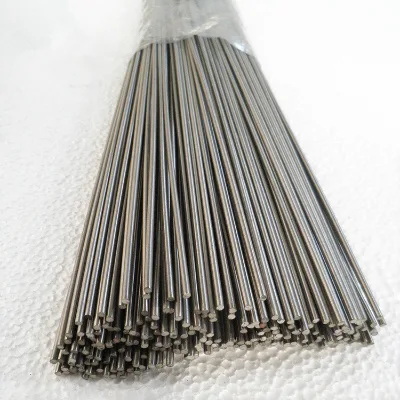
The product scope for medical grade titanium rods encompasses a variety of forms, including round bars and rods, with diameters typically ranging from 1mm to 500mm depending on the supplier’s capability. Listings often highlight customization options, allowing buyers to specify exact dimensions such as lengths of 1m, 2m, 3m, or 6m, or custom cuts as required. The observed market signals indicate that suppliers offer various surface finishes, with polished surfaces being a common requirement for medical applications to ensure ease of cleaning and reduced bacterial adhesion.
Commercial signals also reveal diverse packaging and delivery terms, which are crucial for maintaining material integrity during transit. Standard export seaworthy packages, wooden cases with foam board, or moisture-proof paper combined with kraft paper are frequently mentioned to protect the rods from corrosion and physical damage. Buyers should verify that the packaging method aligns with their storage conditions and that the supplier offers flexible payment terms, such as LC or TT, to mitigate financial risk during the initial procurement phase.
Technical Specifications to Verify
Technical verification must begin with the alloy grade, as medical applications often require specific grades like GR1, GR2, or TA1 for their excellent biocompatibility and corrosion resistance. Buyers should confirm the manufacturing technique, whether hot rolled, cold rolled, forged, or drawn, as this affects the mechanical properties and surface quality. The density of the material, typically around 4.51g/cm3, serves as a basic verification point, but mechanical testing results for tensile strength and yield strength are more critical for ensuring structural reliability in implantable devices.
Dimensional accuracy is another vital specification, with diameters often specified within tight tolerances, such as 5mm to 200mm for certain product lines. Lengths may be standardized up to 6000mm or customized, requiring precise measurement protocols upon receipt. Surface finish quality must be inspected for defects like scratches or inclusions that could compromise the rod’s performance. Buyers should request detailed mill certificates that correlate specific heat numbers with mechanical test results to ensure traceability and consistency across batches.
Compliance and Safety Documentation
Compliance with international standards is non-negotiable for medical grade titanium rods, with ASTM F67 and ASTM F136 being primary references for commercially pure titanium and titanium alloy implants, respectively. Buyers must verify that the supplier’s materials meet these specific standard requirements, which govern chemical composition and mechanical properties. Additionally, standards like ASTM B348 for seamless titanium pipes and tubes may be relevant if the application involves hollow structures, ensuring that the manufacturing process adheres to rigorous quality controls.
Certification of the manufacturing facility is equally important, with ISO 9001:2015 serving as a baseline for quality management systems. For medical device manufacturers, ISO 13485:2016 certification is often required to demonstrate compliance with regulatory requirements for medical devices. Buyers should request copies of these certificates and verify their validity with the issuing body. Documentation should also include material test reports (MTRs) and certificates of analysis (COA) that confirm the absence of harmful elements and adherence to specified purity levels.
Cost Drivers and Commercial Terms
Cost drivers for medical grade titanium rods include the alloy grade, manufacturing complexity, and surface treatment requirements. Commercially pure grades like GR1 and GR2 are generally more cost-effective than titanium alloys like GR5, which offer higher strength but require more complex processing. The diameter and length of the rods also impact pricing, with smaller diameters often incurring higher per-unit costs due to the precision required in drawing or rolling processes. Buyers should consider the total cost of ownership, including packaging and shipping, rather than just the unit price.
Commercial terms such as FOB, CFR, CIF, and EXW influence the final landed cost and logistics responsibility. Buyers should negotiate payment terms that align with their cash flow, with options like LC or TT providing flexibility. Minimum order quantities (MOQ) can vary significantly, ranging from small batches for prototyping to large volumes for production. Understanding these terms helps buyers optimize their procurement strategy, balancing inventory costs with supply chain reliability and ensuring that they receive the best value for their specific project requirements.
Supplier Qualification and Quality Control
Supplier qualification involves assessing their manufacturing capabilities, quality control processes, and track record in the medical industry. Buyers should verify that the supplier has experience in producing medical grade materials and can provide references from previous clients. Quality control measures should include in-process inspections, final product testing, and rigorous documentation practices. Suppliers who offer heat treatment, cold forming, and annealing treatments demonstrate a comprehensive understanding of material processing, which is essential for achieving the desired mechanical properties.
Traceability is a key aspect of quality control, with each batch of rods should be linked to specific raw material sources and processing parameters. Buyers should require that the supplier maintains detailed records of all production steps, from melting and casting to final packaging. Regular audits of the supplier’s facility and quality management system can help ensure ongoing compliance with standards. Establishing a clear communication channel for addressing quality issues and implementing corrective actions is also crucial for maintaining a reliable supply chain.
Long-Term Procurement Checks
Long-term procurement success depends on establishing a robust supplier relationship and implementing continuous improvement processes. Buyers should conduct periodic performance reviews to assess the supplier’s ability to meet delivery schedules, quality standards, and cost targets. Feedback loops should be established to address any issues promptly and to identify opportunities for optimization. Regularly updating technical specifications and requirements ensures that the procurement strategy remains aligned with evolving industry standards and product designs.
Supply chain resilience is another critical factor, with buyers should diversify their supplier base to mitigate risks associated with single-source dependencies. Monitoring market trends and technological advancements in titanium processing can help buyers stay ahead of potential disruptions. Building a collaborative partnership with suppliers, rather than a purely transactional relationship, can lead to better innovation, cost savings, and quality improvements over time. Continuous engagement and strategic planning are essential for maintaining a competitive edge in the medical device manufacturing sector.
FAQs
What grades of titanium rods are available for medical applications?
Medical Grade Seamless Titanium Rods are available in Gr.1, Gr.2, Gr.4, TA1, TA2, and TC4. These grades offer varying mechanical properties and corrosion resistance. Gr.1 and Gr.2 are pure titanium, while Gr.5 and Gr.23 are alloys. Selecting the right grade depends on specific implant or instrument requirements.
Can these titanium rods be customized to specific dimensions?
Yes, customization is available for titanium rods. The diameter ranges from 1mm to 500mm, with lengths up to 6000mm. Buyers can request specific sizes or shapes. Standard export seaworthy packaging ensures safe delivery. Custom orders may require adjusted lead times and pricing based on complexity.
What certifications ensure the quality of these titanium products?
Products are certified under ISO9001:2015 standards. They also comply with ASTM B348, ASTM F67, and GB/T2965-2007. These standards ensure material purity and mechanical integrity. Buyers should verify specific certificates for medical use. Compliance with international standards is critical for regulatory approval in medical device manufacturing.
What are the typical payment and price terms for orders?
Price terms include FOB, CFR, CIF, and EXW. Payment terms are typically LC or TT. The observed price range is 5-35000 USD. MOQs vary from 1 to 100 units. Buyers should negotiate specific terms based on order volume and shipping requirements. Clear agreements prevent misunderstandings during international transactions.
How are the titanium rods packaged for international shipping?
Packaging includes wooden cases with foam board or sponge. Moisture-proof paper and kraft paper are used for protection. Plywood cases are also available for heavy loads. Standard export seaworthy packages ensure safety during transit. Proper packaging prevents damage and corrosion, ensuring the product arrives in optimal condition for medical or industrial use.
What is the supply ability and lead time for orders?
The supply ability is 3000kg per month. Lead times depend on heat treatment, cold forming, or annealing. Standard lengths are 1m, 2m, 3m, or 6m. Custom lengths require additional processing time. Buyers should plan orders accordingly. High demand may affect availability, so early communication is recommended for large projects.