Source Melanotan 2 Nasal Spray for Skin Care, Medical, Veterinary
Compare 30 listings for Melanotan 2 Nasal Spray from verified Chinese manufacturers. Buyers can evaluate specifications, MOQs, and pricing for skin care, medical, and veterinary applications.
Key considerations
Products List

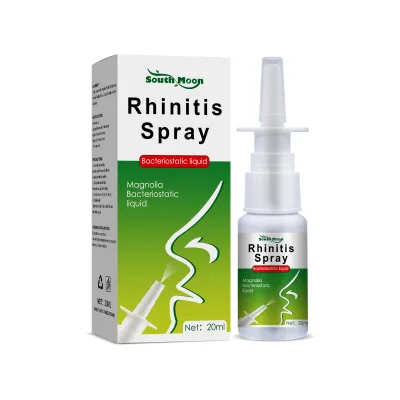


Nourishing Mt Nasal Spray - Skin Health Support Skin Tanners Mt-2 Nasal Spray
$6.00 - $17.00
MOQ: 10 bottles


Best Nasal Spray - Enhanced Melanin Production Double Strength Nasal Tanning
$6.00 - $17.00
MOQ: 10 bottles


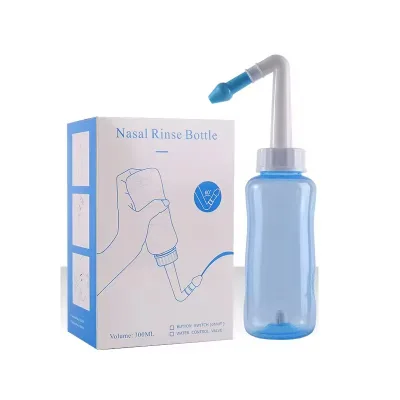
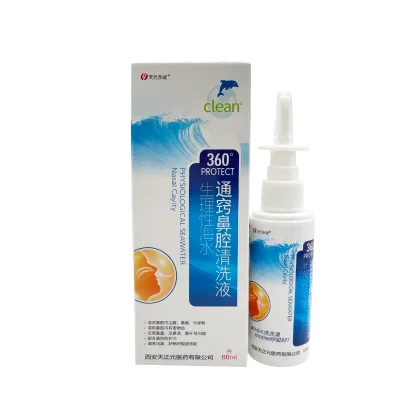
Nasal Cleaner Physiological Seawater Spray
$1.00 - $2.00
MOQ: 10000 Pieces
Sainty International Group Jiangsu Yangzhou Sumex Imp. & Exp. Co., Ltd.
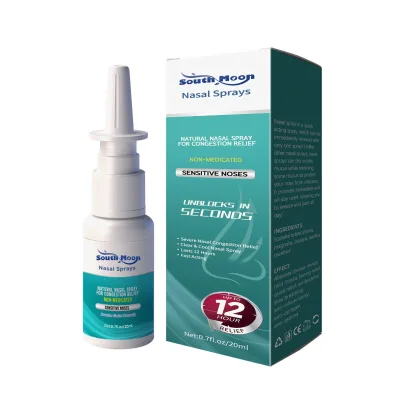
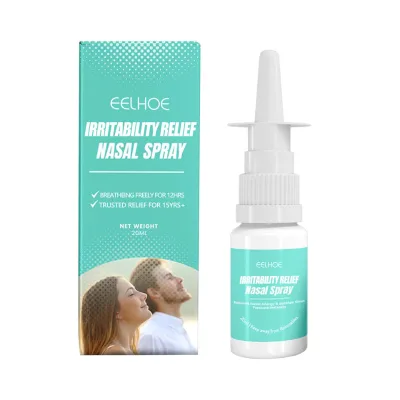
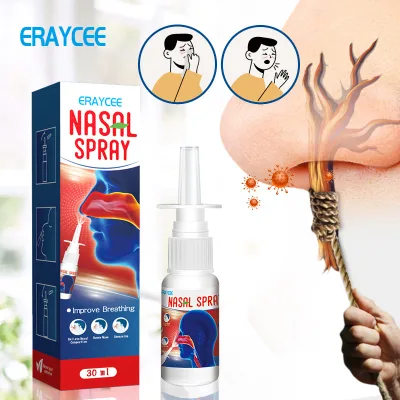


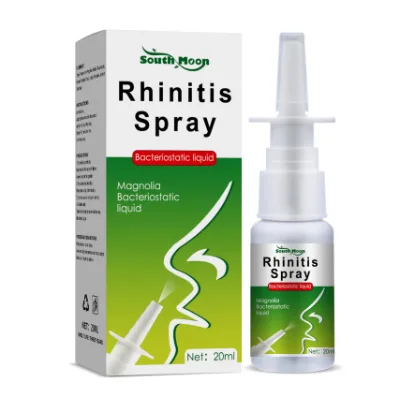
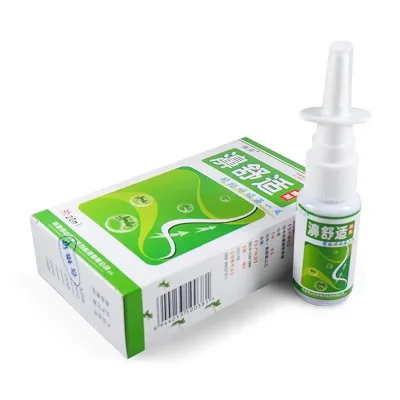
Comprehensive Sourcing Guide
Strategic Sourcing Framework for Melanotan 2 Nasal Spray Procurement
The procurement of Melanotan 2 Nasal Spray represents a complex challenge within the B2B pharmaceutical and wellness supply chain. While the core keyword suggests a specific peptide-based product, the available market data reveals a diverse landscape of nasal delivery systems, saline solutions, and general pharmaceutical packaging. Buyers must navigate a critical distinction between finished peptide products and the broader category of nasal spray infrastructure. This guide provides an evidence-based framework for sourcing, emphasizing verification of technical specifications, regulatory compliance, and supply chain reliability without relying on unverified market claims.
Understanding Product Classification and Technical Specifications
The first step in sourcing is accurately defining the product category. The term "Melanotan 2" refers to a synthetic peptide often marketed for tanning or athletic performance. However, the provided product data highlights a significant divergence in available inventory. Many listings describe "Physiological Seawater Nasal Spray" or "nasal comfort ventilation spray" with a main formula of Sodium Chloride. These are distinct from peptide formulations. A buyer seeking Melanotan 2 must verify if the supplier possesses the specific peptide synthesis capability or if they are merely offering the delivery vehicle (the bottle and spray mechanism).
Technical specifications for nasal sprays generally focus on volume, material, and delivery mechanism. The observed data indicates standard volumes ranging from 50ml to 150ml, with specific models like TJNS01 and XB149-20-410. The material composition is critical; listings show a mix of PET, Plastic PP, and PE. For peptide stability, the material must offer high barrier properties against moisture and light. The closure type is predominantly a screw cap (20-410 finish), which ensures a leak-proof seal essential for maintaining the integrity of liquid medications. The single package size observed is approximately 12.3x9.4x3 cm, with a gross weight of 2.000 kg per unit, suggesting bulk packaging considerations for logistics.
| Attribute | Observed Range/Value | Relevance to Peptide Sourcing |
|---|---|---|
| Volume | 50ml, 60ml, 80ml, 100ml, 150ml | Determines dosage capacity and shelf life |
| Material | PET, Plastic PP, PE | Critical for chemical compatibility with peptides |
| Closure | Screw Cap (20-410) | Ensures leak-proof integrity for transport |
| Feature | Metered Dosage, Leak-Proof | Essential for precise peptide administration |
| Application | Medical, Pharmaceuticals | Must align with intended therapeutic use |
Buyers must confirm that the "Metered Dosage" feature, observed in specific neck finish specifications, is calibrated for the precise micro-liter volumes required for peptide administration, rather than the broader milliliter ranges seen in saline sprays.
Regulatory Compliance and Certification Verification
Compliance is the most significant risk factor in sourcing Melanotan 2. The peptide itself is not approved by major regulatory bodies like the FDA for over-the-counter tanning or performance enhancement in many jurisdictions. Consequently, the certification data provided for general nasal sprays, such as FDA and CE marks, often applies to the device (the bottle and pump) or saline solutions, not the active peptide ingredient.
When evaluating a supplier, buyers must distinguish between certifications for the packaging and certifications for the active pharmaceutical ingredient (API). The observed data lists FDA and CE certifications. A prudent buyer should request specific documentation proving that the Melanotan 2 peptide within the spray meets the safety standards implied by these marks. If the product is marketed as a "Medical" application, the supplier must demonstrate compliance with Good Manufacturing Practice (GMP) standards. The data references ISO15378, a standard for primary packaging materials for medicinal products. This is a strong indicator of packaging quality but does not automatically validate the purity or safety of the peptide inside.
Furthermore, the "Nature" attribute listed as "Yes" suggests a natural origin, which contradicts the synthetic nature of Melanotan 2. This discrepancy requires immediate clarification. Buyers should verify if the supplier is offering a natural saline base with a peptide additive or a fully synthetic formulation. The "Usage Mode" is listed as "For External Use," which may conflict with the intended intranasal administration of peptides. Verification of the "Application" field is necessary to ensure it explicitly covers "Pharmaceuticals" and "Medical" use rather than just "Veterinary Medicine" or general "Nutraceuticals."
Cost Drivers and Economic Factors in Procurement
The pricing structure for nasal sprays varies significantly based on the complexity of the formulation and the scale of production. The observed price range spans from $0.05 to $17.00 USD. This wide disparity suggests that the lower end likely represents the cost of the empty bottle or saline solution, while the higher end may include the peptide formulation, specialized packaging, or regulatory compliance costs.
The Minimum Order Quantity (MOQ) is another critical economic driver. Data indicates an MOQ range from 3 pieces to 50,000 pieces. A specific listing shows an MOQ of 1,000 pieces, while another allows for as few as 3 pieces. For a buyer testing the market for Melanotan 2, a low MOQ is essential for risk mitigation. However, suppliers with high MOQs often offer better unit economics and more stable supply chains. The "Selling Units" are listed as "Single item," which implies that bulk pricing tiers may be available for larger orders.
Lead times also impact the total cost of ownership. The observed delivery times range from 15-20 days to 20-25 days. These timelines are standard for manufacturing in China, the primary origin point for the observed products. Buyers must factor in these lead times when planning inventory, especially for products with a shelf life of 3 years. The "Recycled" attribute is listed as "Unrecycled," which may influence the cost due to the use of virgin materials, often preferred for pharmaceutical-grade packaging to ensure purity.
Typical Applications and Market Positioning
The applications for nasal sprays in the current market are diverse, ranging from "Cervical Spondylitis" cold/hot dressing to general "Skin Care" and "Pharmaceuticals." Melanotan 2 is typically positioned in the "Skin Care" or "Wellness" sector, often marketed for tanning or body composition. However, the observed data includes applications like "Veterinary Medicine," which indicates that some suppliers may be repurposing general pharmaceutical packaging for non-human use.
Buyers must align the product's stated application with their target market. If the goal is human pharmaceutical use, the supplier must provide evidence that the product is intended for "Medical" applications. The "Keywords" observed include "Hot Saling," which may refer to a specific marketing angle or a misinterpretation of "Saline." This ambiguity highlights the need for clear communication regarding the product's intended use. The "Function" is listed as "Skin Care," which aligns with the tanning claims of Melanotan 2, but the "Usage" field also includes "Liquid Medications," suggesting a dual-purpose potential.
Supplier Evaluation and Origin Verification
The origin of the product is a key factor in quality assurance. The data consistently points to "China" as the place of origin, with specific mentions of "Guangdong, China." Guangdong is a major manufacturing hub for pharmaceutical packaging and medical devices. When evaluating suppliers, buyers should verify the specific facility's capabilities. The "Brand Name" observed is "Anynow," but this should not be assumed to be the manufacturer of the peptide itself. Many listings offer "OEM/ODM" services with "Acceptable Customized Label" options, indicating that the supplier is primarily a contract manufacturer.
The "Logo Printing" attribute is listed as "Without Logo Printing" in some contexts, while "Customization" is available in others. This suggests that suppliers may offer blank labels for buyers to apply their own branding. For a buyer sourcing Melanotan 2, the ability to customize the label is crucial for brand identity, but it must not obscure the necessary regulatory warnings and ingredient lists. The "Color" of the product is observed as "Green" or "White," which may be a marketing choice rather than a functional requirement.
Quality Control and Packaging Integrity
Quality control is paramount for nasal sprays, particularly those containing sensitive peptides. The "Special Feature" of being "Leak-Proof" is a critical quality metric. The "Closure Type" is specified as a "Screw Cap" with a "20-410" finish, which is a standard industry size for ensuring a tight seal. The "Single gross weight" of 2.000 kg suggests that the packaging includes protective materials, which is essential for preventing breakage during transit.
The "Shelf Life" is listed as 3 years, which is a standard duration for stable pharmaceutical products. However, buyers must verify if this shelf life applies to the peptide solution or just the saline base. The "Material" is specified as "PET" or "Plastic PP and PE," which are generally stable, but the interaction between the plastic and the peptide must be validated. The "Standard" for the product includes specific volumes (50ml, 60ml, etc.), which must be consistent with the "prod_model" and "model number" (e.g., health care118, XB149-20-410).
Buyers should request batch testing reports to confirm the "Main Formula" matches the specification. While the data lists "Sodium Chloride" as the main formula for some products, a Melanotan 2 spray must contain the peptide as the active ingredient. The "Labeling Option" of "Blank Label" requires the buyer to ensure that their own labeling complies with local regulations regarding active ingredient disclosure.
Long-Term Procurement Considerations and Scalability
Sourcing Melanotan 2 Nasal Spray is not a one-time transaction but a long-term strategic decision. The "Customization" availability suggests that suppliers can adapt to changing market needs, such as different volumes or packaging designs. The "Lead Time" of 15-25 days allows for reasonable inventory planning, but buyers should establish contingency plans for supply chain disruptions.
The "MOQ" flexibility, ranging from 3 to 50,000 pieces, offers scalability. A buyer can start with a small order to test the market and scale up as demand grows. However, the "Production Standard" and "GMP" requirements must remain consistent as volume increases. The "Recycled" status of "Unrecycled" materials may become a sustainability concern for some markets, and buyers should inquire about the availability of eco-friendly packaging options if required by their end consumers.
Finally, the "Application" scope must be monitored. As regulations evolve, the "Medical" and "Pharmaceuticals" classifications may shift. Buyers must maintain open communication with suppliers to ensure that the product remains compliant with changing legal frameworks. The "Feature" of being "Comfortable" is a user-centric attribute that can drive repeat purchases, but it must not come at the expense of safety or efficacy. By rigorously verifying these factors, buyers can navigate the complexities of the Melanotan 2 Nasal Spray market and build a reliable, compliant supply chain.
FAQs
What certifications are available for nasal spray packaging?
Some listings show FDA and CE certifications for the packaging components. These marks typically apply to the bottle and pump rather than the active peptide ingredient. Buyers must verify if the specific peptide formulation also meets these safety standards before purchase.
Can I customize the label for this nasal spray product?
Customization is available with acceptable customized label options for OEM or ODM services. Suppliers often provide blank labels or allow logo printing, but buyers must ensure their own labeling complies with local regulations regarding active ingredient disclosure and usage warnings.
What is the typical lead time for delivery from China?
Delivery times typically range from 15 to 25 days for manufacturing in China. Specific listings indicate lead times of 15-20 days or 20-25 days. Buyers should factor these timelines into their inventory planning, especially given the 3-year shelf life of the product.
Which materials are used for the nasal spray bottles?
The bottles are commonly made from PET, Plastic PP, or PE materials. These materials are selected for their stability and chemical compatibility with liquid medications. Buyers should confirm the specific material grade to ensure it protects sensitive peptide formulations from moisture and light.
How does the MOQ vary for different suppliers?
Minimum Order Quantities range widely from 3 pieces to 50,000 pieces depending on the supplier. Some listings allow low MOQs of 3 or 1,000 pieces for testing, while others require bulk orders. Buyers should select a supplier based on their specific volume requirements and risk tolerance.
What is the standard volume range for these nasal sprays?
Standard volumes observed include 50ml, 60ml, 80ml, 100ml, and 150ml capacities. Specific models like TJNS01 and XB149-20-410 offer these variations. Buyers must verify if the metered dosage mechanism is calibrated for the precise micro-liter volumes needed for peptide administration.
Where are these nasal spray products manufactured?
Products originate from China, with specific mentions of Guangdong as a manufacturing hub. This region is known for pharmaceutical packaging and medical device production. Buyers should verify the specific facility capabilities to ensure quality control and regulatory compliance for their intended market.