Source For VW Carburetor for Engines, Generators, and Pumps
Find 30 verified listings For VW Carburetor components suitable for engines, generators, and pumps. Buyers can compare specifications like aluminum material, cooling methods, and OEM customization options to select the right parts for repair or replacement.
Key considerations
Products List


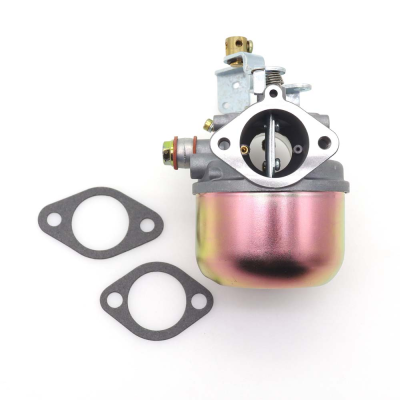
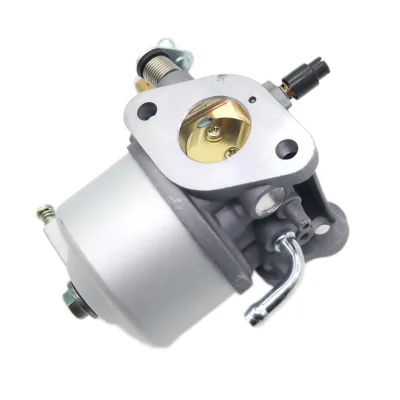


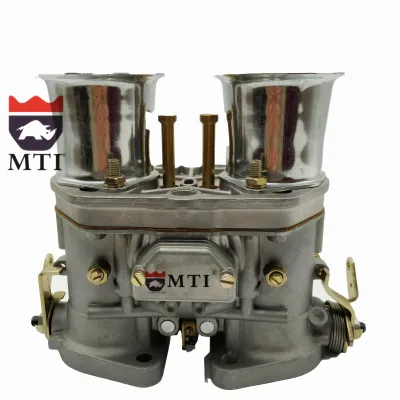
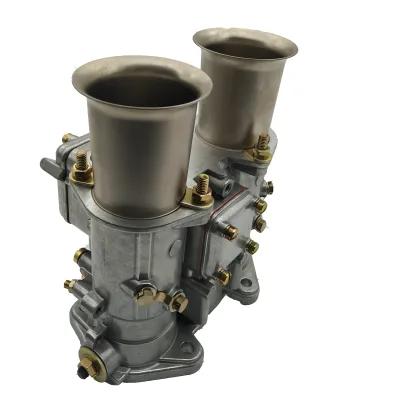


Carburetor for Ts410 Ts420 4238-120-0600
$5.59 - $6.99
MOQ: 100 Pieces
Ningbo Eastar Electromechanical Industrial Trading Co., Ltd.

Carburetor for St Ms210 Ms230 Ms250 021 023 025
$6.59 - $6.99
MOQ: 199 Pieces
Ningbo Eastar Electromechanical Industrial Trading Co., Ltd.
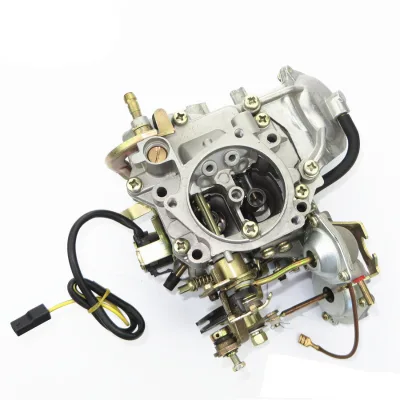
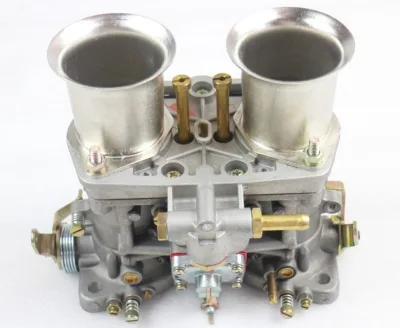


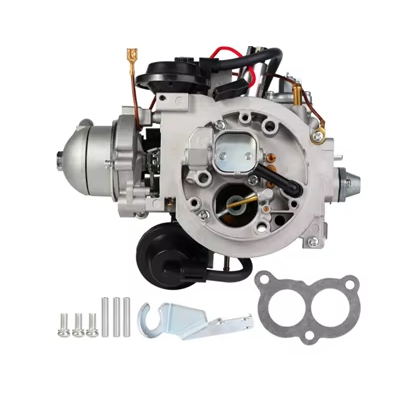


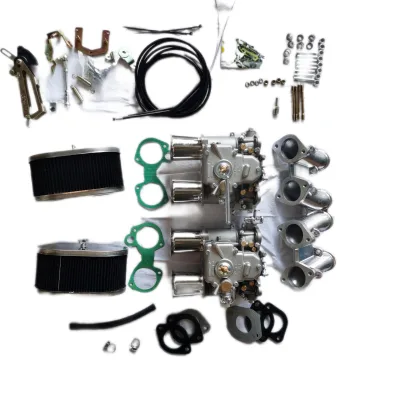
Comprehensive Sourcing Guide
Strategic Sourcing Guide For VW Carburetor Components
Understanding the Technical Landscape of Carburetor Systems
When sourcing components under the core keyword "For VW Carburetor," buyers must first navigate the specific technical attributes that define the product's functionality and compatibility. The supplied product data indicates a diverse range of specifications, suggesting that the market offers various configurations rather than a single monolithic product type. A critical observation from the available data is the variation in model numbers, which serve as the primary identifier for compatibility. Listings reference specific model identifiers such as "21740-G1" and "295cc,1991-UP," alongside generic descriptors like "7000 carburetor" and "2900 carburetor." This variance underscores the necessity for buyers to cross-reference their vehicle's specific engine displacement and production year against the supplier's model list before placing an order.
The physical construction of these units is another vital technical consideration. The data confirms that the primary material used in these components is Aluminum or Aluminum Alloy. This material choice is standard for carburetors due to its favorable balance of weight reduction and thermal conductivity, which aids in fuel vaporization. Furthermore, the product attributes highlight a "Four-Stroke" engine cycle and a "Reciprocating" piston movement, indicating that these carburetors are designed for engines operating on the standard Otto cycle found in many Volkswagen applications. The intake pressure impulse is noted as "Naturally Aspirated," which is a fundamental characteristic for standard internal combustion engines without forced induction systems.
The cooling mechanism is also a distinct technical parameter. The data specifies an "Air-Cooled" system, which is historically significant for many classic and specific modern Volkswagen engine architectures. Buyers must verify that the replacement part matches the cooling architecture of their target vehicle, as mismatches can lead to overheating or inefficient fuel mixing. Additionally, the data points to a "L" arrangement for cylinder configuration, which may refer to the specific layout of the engine block or the carburetor's internal flow path. Understanding these mechanical specifications is the first step in ensuring that the procurement matches the engineering requirements of the vehicle.
Compliance, Certification, and Regulatory Verification
In the realm of B2B procurement, particularly for automotive parts, verifying compliance and certification is essential for mitigating liability and ensuring market access. The supplied facts explicitly mention "CE" certification as a standard attribute for some of the listed products. This indicates that certain suppliers in the supply chain adhere to European Conformity standards, which is a critical requirement for selling automotive components within the European Economic Area. However, the data does not universally confirm that every listed carburetor carries this certification, nor does it list other potential standards like ISO 9001 as a guaranteed attribute for all items, despite it being mentioned in low-confidence background notes.
Buyers should approach certification claims with a verification mindset. The presence of "CE" in the product attributes suggests that the manufacturer has undergone specific testing procedures regarding safety, health, and environmental protection. When evaluating potential suppliers, procurement teams must request valid certification documents that correspond to the specific model numbers being ordered. It is important to note that the data also lists "Standard Packing" and "Safety Carton" as packaging standards, which can be indicative of a supplier's attention to detail and adherence to shipping regulations, though these are distinct from product safety certifications.
The "Quality: GOOD" attribute found in the data is a subjective claim rather than a verified standard. Buyers should not rely on this descriptor alone for compliance purposes. Instead, they should look for third-party test reports or specific quality management system certifications. The data mentions "ISO 9001" in a low-confidence section, which implies that while some manufacturers may hold this certification, it is not a universal fact for the entire product range. Therefore, the procurement strategy must include a direct request for quality assurance documentation. The "Brand Name: kanli" and "Brand: Paradise" entries suggest that different manufacturers operate in this space, each potentially with their own compliance frameworks. A robust sourcing strategy involves auditing the specific brand's certification status rather than assuming industry-wide uniformity.
Cost Drivers and Pricing Dynamics
The financial aspect of sourcing carburetor components is influenced by several variables, including material costs, customization requirements, and order volume. The observed price range in the supplied data spans from $0.1 to $390 USD. This wide disparity suggests that the market includes both low-cost replacement parts and high-value, specialized units. The lower end of the spectrum likely corresponds to basic components or smaller parts, while the upper end may reflect complete assemblies or units with advanced features.
Material costs play a significant role in pricing. Since the primary material is identified as Aluminum or Aluminum Alloy, fluctuations in global aluminum prices can directly impact the unit cost of these carburetors. Buyers should be aware that the "Strong" power attribute and "Low" consumption claims, while descriptive, do not necessarily correlate with a specific price point without further context. The cost is also driven by the complexity of the manufacturing process, such as the precision required for the "Four-Stroke" and "Reciprocating" mechanisms.
Customization is a major cost driver identified in the data. The "OEM method" allows for printing customer markings and labels, and the "Customization: Available" attribute confirms that suppliers can tailor products. However, this service comes with a specific Minimum Order Quantity (MOQ) constraint. The data explicitly states an "MOQ for marking on packing: 5000pcs." This is a critical financial threshold; buyers wishing to have their branding applied must commit to this volume, which significantly increases the total upfront investment compared to purchasing standard, unbranded units. The standard "MOQ: 1 Pcs" suggests that small quantities are available for standard items, but the cost per unit may be higher due to the lack of economies of scale.
Shipping and logistics also contribute to the total cost of ownership. The data lists "Sea Transport" and "Air Transport Air Express" as available shipping methods. Air transport, while faster, incurs higher costs, which may be necessary for urgent repairs or low-volume orders. Conversely, sea transport is more cost-effective for large bulk orders, aligning with the high MOQ for customization. Buyers must balance the urgency of their needs against the budgetary constraints imposed by these logistics options.
Typical Applications and Usage Scenarios
The versatility of the carburetor components described in the data points to a broad range of applications beyond just standard automotive use. While the core keyword focuses on "For VW Carburetor," the product attributes reveal usage in "Agriculture & Garden" sectors. This suggests that these carburetors are often used in small engines found in lawn mowers, chainsaws, or other garden machinery. The specific feature "Replacement Chain Saw Parts" reinforces this dual-use capability, indicating that the same or similar carburetor technology is applied across different engine types.
The "Purpose: for replace/repair" attribute clarifies that these products are primarily intended for maintenance and restoration rather than original equipment manufacturing (OEM) for new vehicles. This is consistent with the "Condition: Other" status, which often implies aftermarket or refurbished goods. The "Fit Model: 139F" designation provides a specific application reference, likely corresponding to a particular engine model used in various machinery. Buyers sourcing for Volkswagen vehicles must ensure that the "Fit Model" and "Model Number" align precisely with their vehicle's engine specifications, as the same carburetor design might be adapted for different engine families.
The "Type: Electric Motor" attribute presents an interesting data point that requires careful interpretation. In the context of carburetors, which are typically associated with internal combustion engines, this may refer to the specific type of engine drive or a misclassification in the data source. However, given the "Fuel: Gasoline" and "Ignition Mode: Ignition" attributes, the primary function remains combustion-based. The "Speed: Speed" and "Power: Strong" attributes suggest that these components are designed for engines requiring reliable performance under load. Whether used in a classic VW Beetle, a modern agricultural vehicle, or a garden tool, the fundamental requirement is a reliable fuel-air mixture that supports the engine's power output.
Supplier Evaluation and Business Type Analysis
Evaluating suppliers requires a deep dive into their business structure and operational capabilities. The data identifies the "BUSINESS TYPE: MANUFACTURER," which is a significant advantage for buyers. Manufacturers typically offer better pricing, more control over quality, and greater flexibility for customization compared to trading companies. The "Place of Origin: Zhejiang, China" and "prod_origin: China" locations confirm that the supply chain is centered in a major manufacturing hub known for its industrial output.
When assessing suppliers, buyers should look for evidence of the "OEM method" capabilities. The ability to "print customer's marking and label" indicates a mature production line capable of handling branding requirements. However, the "MOQ for marking on packing: 5000pcs" is a hard constraint that buyers must factor into their supplier selection. A supplier willing to accept lower MOQs for customization might be a trading company or a smaller workshop, while a large manufacturer might strictly enforce the 5000-piece threshold.
The "Single gross weight" varies between 0.8 kg and 1.0 kg in the data, which can be a useful metric for logistics planning and verifying product consistency. A supplier with inconsistent weight data might have quality control issues. Additionally, the "Single package size: 15X15X15 cm" provides a standard for packaging efficiency. Buyers should verify if the supplier consistently adheres to these dimensions, as deviations can lead to increased shipping costs or damage during transit.
The "Brand Name: kanli" and "Brand: Paradise" entries indicate that multiple brands operate in this space. Buyers should evaluate the reputation and history of these brands. A manufacturer with a well-established brand name may offer better after-sales support and warranty terms. The "Warranty: 6 months" is a specific attribute that provides a baseline for buyer protection. However, buyers should clarify if this warranty covers manufacturing defects only or if it includes shipping damage and installation errors.
Quality Control and Long-Term Procurement Considerations
Ensuring long-term success in procurement requires a robust quality control strategy. The "Quality: GOOD" attribute is a starting point, but it must be backed by tangible processes. The "Packing: bubble film+carton or individual packing" and "Packing: Standard Packing" options suggest that suppliers have multiple packaging strategies to protect the product. Buyers should prioritize suppliers who use "Safety Carton" and "bubble film" to minimize the risk of damage during the "Sea Transport" or "Air Transport" phases.
The "Number of Cylinders: 4-Cylinder" and "Cooling Cylinder: Air-Cooled" specifications highlight the mechanical complexity of the product. Quality control should focus on the integrity of the aluminum casting and the precision of the internal passages. Buyers should request samples to verify the "Low" consumption and "Strong" power claims through practical testing. The "Consumption: Low" attribute is a performance claim that should be validated against the specific engine application to ensure fuel efficiency is actually achieved.
Long-term procurement considerations also involve the stability of the supply chain. The "MOQ: 1 Pcs" offers flexibility for initial testing, but the "MOQ for marking on packing: 5000pcs" suggests a need for long-term planning for branded orders. Buyers should establish a relationship with a manufacturer that can scale production as demand grows. The "Lead time" is not explicitly provided in the data, so buyers must negotiate this term explicitly with suppliers to ensure timely delivery.
Finally, the "Product name: Carburetor" and "TYPE: CARBURETOR PARTS" distinction is important for inventory management. Buyers should ensure that their procurement strategy accounts for both complete units and individual parts, as the "Purpose: for replace/repair" often requires a mix of both. By focusing on verified specifications, certified compliance, and reliable manufacturing partners, buyers can secure a steady supply of high-quality carburetor components for their Volkswagen and related applications.
Summary of Key Sourcing Parameters
To facilitate quick decision-making, the following table summarizes the critical parameters identified in the sourcing guide:
| Parameter | Observed Value / Range | Sourcing Implication |
|---|---|---|
| Material | Aluminum / Aluminum Alloy | Verify alloy grade for corrosion resistance. |
| Model Numbers | 21740-G1, 295cc, 7000, 2900 | Cross-reference strictly with vehicle specs. |
| Engine Cycle | Four-Stroke, Reciprocating | Ensure compatibility with engine type. |
| Cooling | Air-Cooled | Critical for engine thermal management. |
| Certification | CE (Verified), ISO 9001 (Unverified) | Request valid CE docs; verify ISO status. |
| MOQ (Standard) | 1 Pcs | Suitable for small orders/testing. |
| MOQ (Custom) | 5000 Pcs | Required for branding/markings. |
| Warranty | 6 Months | Standard protection period. |
| Origin | Zhejiang, China | Major manufacturing hub; verify logistics. |
| Packing | Bubble film + Carton / Safety Carton | Check for damage prevention standards. |
By adhering to these evidence-based guidelines, buyers can navigate the complexities of sourcing carburetor components effectively, ensuring that their procurement aligns with technical requirements, regulatory standards, and long-term business goals.
FAQs
What material is used for the carburetor components?
The primary material used is Aluminum or Aluminum Alloy. This choice ensures a balance of weight reduction and thermal conductivity for efficient fuel vaporization in the engine.
Can I customize the packaging with my brand logo?
Customization is available for printing customer markings and labels. However, this service requires a minimum order quantity of 5000 pieces for the marked packing.
What is the minimum order quantity for standard items?
The standard minimum order quantity is 1 piece for regular items. This allows buyers to purchase small quantities without committing to bulk volumes for basic replacement parts.
Which certifications are available for these carburetors?
Some listed products carry CE certification for European compliance. Buyers should verify specific certification documents for each model as not all items universally confirm this standard.
How are these carburetors typically packaged for shipping?
Products are packed in bubble film and cartons or individual poly bags. The standard single package size is 15x15x15 cm with a gross weight of 0.8 to 1.0 kg.
What engine types are compatible with these parts?
These parts fit Four-Stroke engines with reciprocating piston movement. Specific models like 139F and 295cc engines are noted as compatible fitments for various applications.