Source Mesh Base Dental Articulating Paper for clinics, labs, and hospitals
Find and compare Mesh Base Dental Articulating Paper from 30 verified listings. Evaluate options based on material type, color variants, thickness, and shelf life to select the right dental health materials for your practice needs.
Key considerations
Products List
$1.20 - $1.40
MOQ: 500 boxes
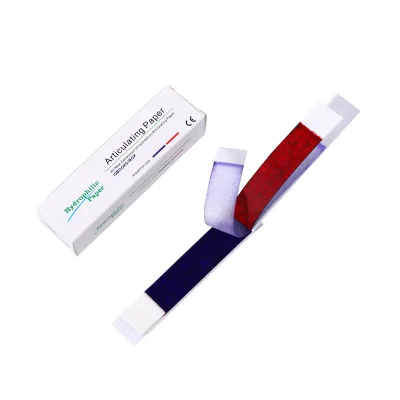
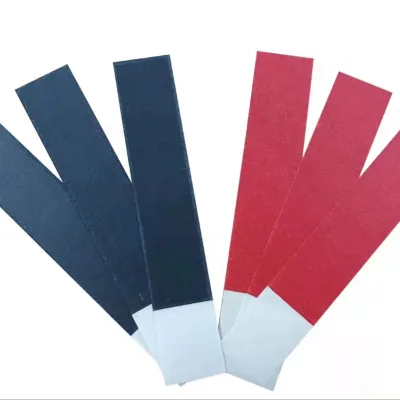


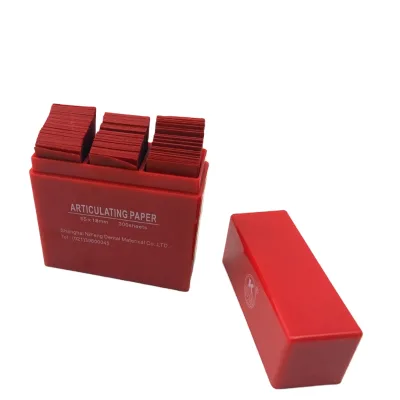
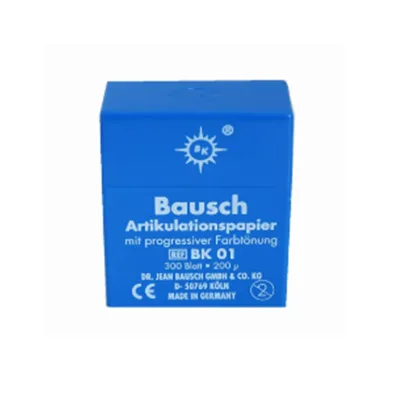


Comprehensive Sourcing Guide
Mesh Base Dental Articulating Paper Sourcing Guide
Procuring Mesh Base Dental Articulating Paper requires a nuanced understanding of material composition, as the term "mesh" often implies a specific structural reinforcement or texture that differs from standard smooth paper variants. While the supplied product data highlights traditional paper and wax paper constructions, buyers must carefully distinguish between standard cellulose-based articulating films and those with mesh-like backing or coating to ensure the selected product meets the specific occlusal marking needs of their clinical practice. The core keyword suggests a focus on durability and tear resistance, which are critical when marking heavy occlusal contacts or working with provisional restorations that may exert significant force on the marking medium.
Buyers should approach this sourcing task by recognizing that the dental articulating paper market is fragmented, with variations in thickness, color coding, and substrate material affecting performance. The observed product listings indicate a wide range of model numbers and material types, including standard paper, wax paper, and even wood-based substrates, which suggests that "mesh base" may refer to a specific proprietary technology or a descriptive term for a textured surface rather than a universal industry standard. Therefore, the primary objective in this guide is to help procurement professionals verify the actual material structure and functional properties of the product, ensuring that the purchased items deliver consistent, high-contrast marking results without tearing or smearing during use.
Product Scope and Observed Listing Signals
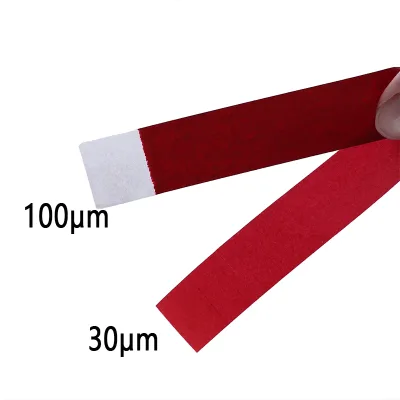
The observed market signals for dental articulating papers reveal a diverse array of product specifications, with model numbers ranging from generic descriptors like "thick or thin blue or red" to specific identifiers such as "DB-yl-3w2" and "DB-AP-14." These variations indicate that suppliers offer multiple tiers of quality and functionality, with some products emphasizing disposable convenience while others focus on specific thickness metrics like 30μm or 100μm. Buyers must scrutinize these model numbers to understand the underlying material composition, as the term "mesh base" is not explicitly confirmed in the provided data, necessitating a direct inquiry into the substrate's structural integrity and surface texture.
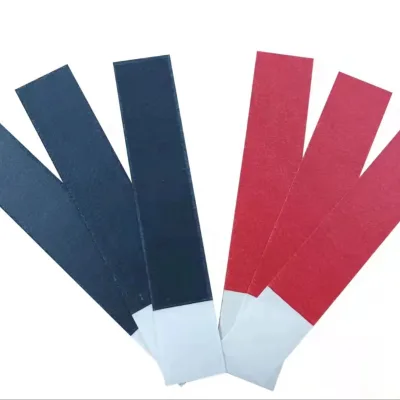
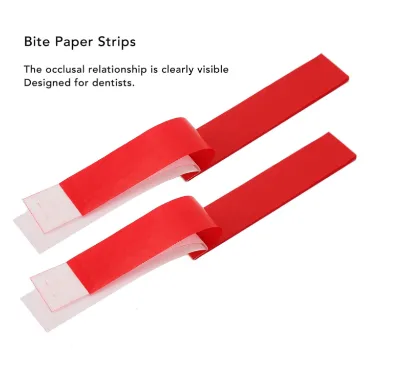
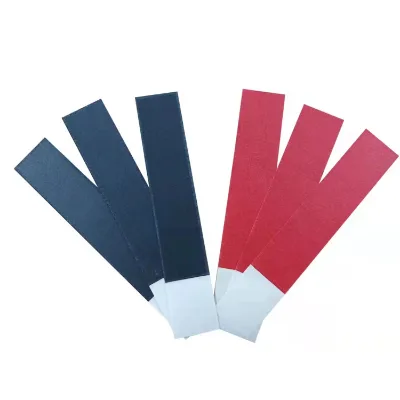
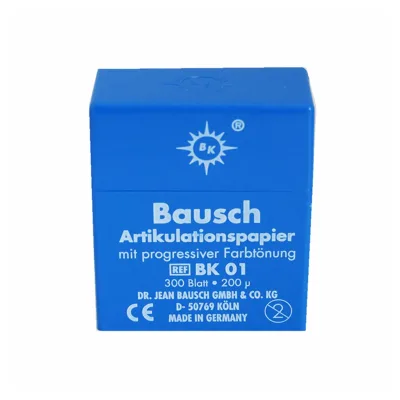
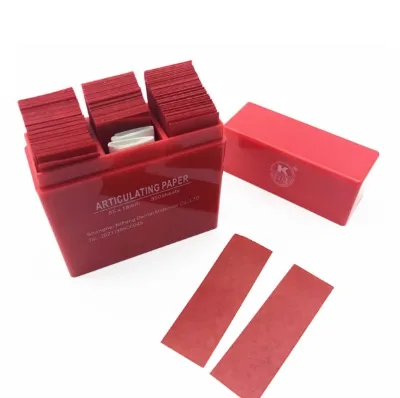
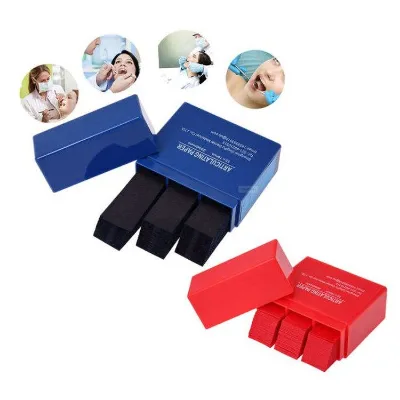
Color coding is a critical differentiator in this product category, with blue and red being the predominant options observed in the listings. These colors serve to distinguish between upper and lower arch markings, aiding in the accurate identification of occlusal interferences. The presence of both single-item selling units and bulk packaging options, such as 10 books per pack or 40 sheets per book, suggests that procurement strategies should be tailored to the volume of clinical usage. Buyers should verify whether the "mesh" characteristic applies to the entire sheet or only specific zones, as this can impact the precision of the marking and the ease of removal from the tooth surface after the procedure.
Technical Specifications to Verify
Thickness is a paramount technical specification that directly influences the sensitivity and durability of the articulating paper. The observed data includes thickness options of 30μm and 100μm, with some products described simply as "thick" or "thin." For applications requiring precise marking of subtle occlusal contacts, thinner papers are generally preferred, while thicker variants may be necessary for marking heavy contacts or working with rough provisional materials. Buyers must confirm whether the "mesh base" product falls into the thinner or thicker category, as this will determine its suitability for specific clinical scenarios and prevent issues such as paper tearing or excessive material transfer.
The material composition of the articulating paper is another critical factor that buyers must verify. While the supplied facts mention paper, wax paper, and wood as potential materials, the specific claim of a "mesh base" requires clarification. Buyers should request detailed material specifications to understand if the mesh refers to a reinforcing layer, a textured coating, or a specific type of cellulose fiber arrangement. Additionally, the shape of the paper, whether rectangular or U-shaped, can affect usability in different areas of the mouth, so buyers should ensure that the product geometry aligns with the ergonomic needs of their dental team and the specific access requirements of their procedures.
Compliance and Safety Documentation
Quality certification is a non-negotiable aspect of sourcing dental articulating papers, as these products come into direct contact with patients and must meet stringent safety standards. The observed listings indicate that suppliers may hold ISO 9001, ISO 13485, and CE certifications, which are essential for ensuring that the manufacturing processes adhere to recognized quality management systems. Buyers must verify the validity and scope of these certifications, ensuring that they specifically cover the production of dental articulating papers and that the "mesh base" variant is included in the certified product line. This verification process helps mitigate the risk of sourcing non-compliant materials that could compromise patient safety or regulatory standing.
Safety standards and biocompatibility are also critical considerations, particularly for products that may leave residue on tooth surfaces. Buyers should inquire about the chemical composition of the marking pigment and the substrate to ensure that no harmful substances are present. While the supplied data mentions ISO 13485 and CE, it does not provide specific details on biocompatibility testing or chemical safety reports. Procurement teams should request these documents to confirm that the product is safe for intraoral use and that it meets the regulatory requirements of their target markets, thereby avoiding potential legal and health risks associated with non-compliant dental materials.
Cost Drivers and Commercial Terms
The cost of dental articulating papers is influenced by several factors, including material quality, thickness, packaging, and order volume. The observed price range of 0.13 to 30 USD suggests a significant variation in product value, with lower prices likely corresponding to basic paper variants and higher prices reflecting specialized features such as mesh backing or enhanced durability. Buyers should analyze the cost per sheet or per book rather than the total order value to ensure accurate comparison between different suppliers and product types. Understanding these cost drivers helps in budgeting and in making informed decisions about the trade-off between price and performance.
Minimum Order Quantities (MOQ) and supply ability are also key commercial terms that impact procurement strategy. The observed MOQ range of 1 to 500 packs indicates flexibility in ordering, allowing buyers to start with small quantities for evaluation before committing to larger orders. However, buyers should also consider the supplier's supply ability, with some listings indicating a capacity of 10,000 bags per week. This information is crucial for ensuring that the supplier can meet the ongoing demand of the dental practice or distribution network without experiencing delays or stockouts. Negotiating favorable terms based on volume commitments can lead to cost savings and more stable supply chains.
Supplier Qualification and Quality Control
Supplier qualification is a critical step in ensuring the reliability and consistency of the dental articulating paper supply. Buyers should assess the supplier's manufacturing capabilities, quality control processes, and track record in the dental materials industry. The observed listings mention various places of origin, including Cocos (Keeling) Islands, Shijiazhuang, and Hebei, China, which may indicate different manufacturing standards and logistical considerations. Buyers should prioritize suppliers with established quality management systems and a history of producing compliant dental products, as this reduces the risk of receiving substandard materials.
Quality control measures should be verified through audits, sample testing, and review of quality assurance documentation. Buyers should request samples of the "mesh base" articulating paper to evaluate its physical properties, such as tear resistance, marking clarity, and ease of use. Additionally, buyers should inquire about the supplier's procedures for handling defects and returns, as indicated by the "Return and Replacement" and "Online Technical Support" services mentioned in the listings. Establishing a clear communication channel with the supplier for quality-related issues ensures that any problems can be addressed promptly, maintaining the integrity of the clinical procedures and patient care.
Long-Term Procurement Checks
Long-term procurement success depends on the ability to monitor supplier performance and adapt to changing market conditions. Buyers should establish key performance indicators (KPIs) to track the quality, delivery, and responsiveness of their suppliers over time. Regular reviews of these metrics help identify potential issues early and allow for proactive management of the supply chain. The observed shelf life of 2 to 5 years for different products highlights the importance of inventory management, as buyers must ensure that they do not stockpile products that may expire before use, thereby minimizing waste and ensuring that the materials used are fresh and effective.
Continuous improvement and innovation in the dental materials market also require buyers to stay informed about new product developments and technological advancements. Buyers should engage with suppliers to discuss potential improvements in product design, such as enhanced mesh structures or more sustainable materials. By maintaining a collaborative relationship with suppliers, buyers can influence product development to better meet the evolving needs of their clinical practices. This proactive approach ensures that the procurement strategy remains aligned with the highest standards of patient care and operational efficiency, securing a competitive advantage in the dental market.
FAQs
What material is used for dental articulating paper?
The product is made from paper or wax paper materials. Some listings specify thick or thin variants, while others indicate wood-based paper products. The material choice depends on the specific model and intended application in dental clinics.
Which certifications do these dental papers hold?
Products carry ISO 9001, ISO 13485, and CE certifications. These quality standards ensure safety and compliance for dental health materials. Buyers should verify specific certification documents for each supplier to confirm adherence to international medical device standards.
How long is the shelf life of the paper?
Shelf life varies between 2 to 5 years depending on the specific model. Some items are rated for 2 years, while others last up to 5 years. Proper storage conditions are essential to maintain the integrity of the articulating paper over time.
Can I get samples of the dental articulating paper?
Samples are freely offered for many models. This allows buyers to test the quality before placing bulk orders. The sample availability supports decision-making for dental professionals seeking reliable partners for their clinic supplies.
What is the minimum order quantity for these papers?
The minimum order quantity starts at 1 pack. Some listings indicate an MOQ of 1 unit, while others allow up to 500 units. This flexibility accommodates both small clinics and large distributors seeking dental health materials.
Which colors are available for the articulating paper?
Available colors include blue and red variants. These distinct colors help dentists differentiate between upper and lower arches during procedures. The specific color options depend on the model number and supplier inventory.
What is the typical packaging size for the product?
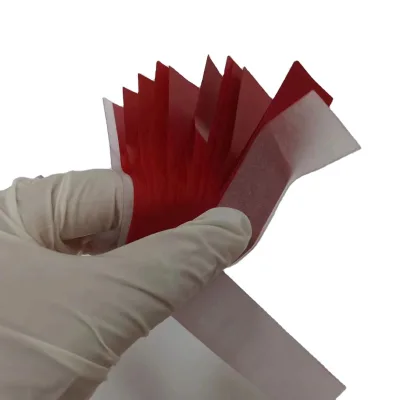
Packaging typically contains 10 books per pack or 40 sheets per book. Single package sizes may measure 22x15x12 cm with a gross weight of 0.45 kg. Custom packaging requests are also accepted by some suppliers.