Source Mesh Belt Dryer for Briquettes Flowers and Seeds
Compare 30 Mesh Belt Dryer units from Henan and Foshan suppliers. Options include multistage and heat pump models with customizable layers, heating modes, and capacities for drying briquettes, flowers, leaves, and seeds.
Key considerations
Products List
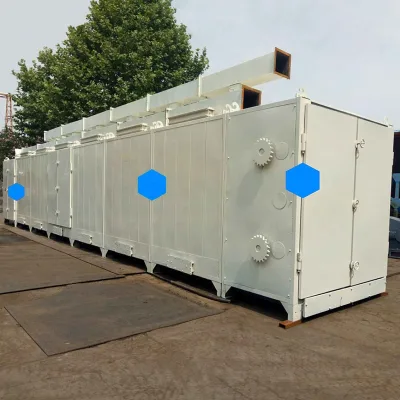


High Efficiency Mesh Belt Multi Layer Dryer/ Drying Machine/ Automatic Dryer
$20000.00 - $100000.00
MOQ: 1 Pieces


$50000.00 - $100000.00
MOQ: 1 set


Automatic Drying Industrial Conveyor Mesh Belt Dryer, Continuous Belt Dryer
$6000.00 - $20000.00
MOQ: 1 Pieces

Chemical Industry Conveyor Belt Dryer/ Chemical Industry Mesh Belt Dryer
$20000.00 - $30000.00
MOQ: 1 Piece


Professional Mesh Belt Dryer for Vegetable Materials at Good Price in China
$20000.00 - $30000.00
MOQ: 1 Piece


High Capacity Mesh Belt Dryer Drying Machine for Food Chemical Industries
$24550.00 - $28999.00
MOQ: 1 Sets


Comprehensive Sourcing Guide
Strategic Sourcing Guide for Mesh Belt Dryer Equipment
Understanding the Mesh Belt Dryer Technology and Core Specifications
The Mesh Belt Dryer represents a critical class of industrial drying equipment designed for continuous processing of bulk materials. Unlike batch dryers, this technology utilizes a conveyor system where material is transported through a series of drying zones, ensuring uniform exposure to heat and airflow. The fundamental architecture often involves a multistage configuration, which allows for precise control over the drying curve. In many industrial applications, a three-layer design is common, though configurations can vary significantly based on specific throughput requirements. The movement of the material is typically described as a combined motion, facilitating efficient heat transfer across the mesh belt.
When evaluating the technical specifications of a Mesh Belt Dryer, buyers must look beyond generic descriptions. The physical dimensions are rarely standardized; instead, they are often customized according to the specific request of the buyer to fit the production line layout. The drying length can vary, with observed ranges in the industry spanning from 8 meters by 3 meters up to 10 meters by 3 meters. The width of the mesh belt itself is another critical parameter, typically falling between 1.2 and 2 meters. These dimensions directly influence the surface area available for drying and the overall capacity of the unit.
The operational environment of the dryer is equally important. These units generally operate at atmospheric pressure, which simplifies the engineering requirements compared to vacuum systems. The heating mode can be either transmission-based or convective, depending on the specific model and the nature of the material being processed. The drying medium is a variable that requires careful selection; options include air, superheated steam, or inactive gas. The choice of medium impacts the final moisture content and the energy efficiency of the process. For instance, superheated steam is often utilized for specific thermal applications, while air is standard for general-purpose drying. The temperature range for operation typically spans from 50 to 150 degrees Celsius, allowing for versatility in handling heat-sensitive materials.
Compliance, Certification, and Safety Standards
In the global B2B market, compliance with international safety and quality standards is a non-negotiable prerequisite for industrial machinery. For mesh belt dryers, the presence of specific certifications serves as a primary indicator of manufacturing quality and adherence to safety protocols. The CE mark is a frequently observed certification for equipment originating from China, indicating that the product meets EU safety, health, and environmental protection requirements. Buyers should verify that the supplier provides valid documentation for this certification rather than relying solely on marketing claims.
Beyond the CE mark, other standards may apply depending on the destination market and the specific application. While some suppliers may reference ISO9001 for quality management systems, this should be treated as a background indicator rather than a product-specific guarantee. The core components of the dryer, such as the gear systems, must be manufactured to withstand the rigors of continuous operation. The structural integrity of the assembly is paramount, particularly given the heavy loads often associated with these units. The total weight of a typical Mesh Belt Dryer can be substantial, with observed figures ranging from 4,800 kilograms to 7,800 kilograms, depending on the configuration and layer count.
Safety features are often integrated into the control systems. Modern units frequently employ a touch screen interface coupled with a PLC (Programmable Logic Controller) to manage the drying process. This digital control system allows for precise monitoring of temperature, belt speed, and airflow, reducing the risk of operational errors. The voltage and frequency specifications must align with the local power grid; a common standard observed is 380V at 50Hz, though variations exist. Buyers must ensure that the electrical specifications of the dryer match their facility's power infrastructure to avoid costly retrofits or safety hazards.
Cost Drivers and Financial Considerations
The pricing of mesh belt dryers is influenced by a complex array of factors, including capacity, customization, and the complexity of the heating system. The observed price range for these units in the market can be significant, spanning from 2,000 to 100,000 USD. This wide variance reflects the difference between basic models and highly customized, high-capacity systems. The minimum order quantity (MOQ) for these industrial machines is typically low, often allowing for the purchase of a single item, which provides flexibility for small to medium-sized enterprises.
One of the primary cost drivers is the power consumption of the unit. The total running power can vary widely, with some high-capacity models requiring up to 321.6 kW of power. The power rating is directly linked to the number of circulating fans and the efficiency of the heating system. For example, a unit equipped with 14 circulating fans will have a significantly higher power demand than a smaller model. The heating mode also plays a role; systems utilizing heat pumps or electric heating elements may have different cost structures compared to those using gas, diesel, or steam.
Customization is another major factor affecting the final price. Since dimensions and configurations are often tailored to the buyer's request, the manufacturing process involves additional engineering and labor costs. The material status of the product being dried—whether it is bulk, strap, granule, solution, or powder—also dictates the complexity of the belt design and the drying chamber, influencing the overall cost. Additionally, the packaging requirements, such as seaworthy wooden packing or container shipping, add to the total landed cost. Buyers should budget for these ancillary costs when evaluating the total cost of ownership.
Typical Applications and Material Compatibility
Mesh belt dryers are versatile machines capable of handling a wide range of materials across various industries. The primary application is the drying of solid materials in bulk form. Common materials include flowers, leaves, stems, and seeds, which require gentle drying to preserve their quality and color. The multistage design allows for the gradual reduction of moisture content, preventing the case-hardening that can occur in batch dryers. This makes the Mesh Belt Dryer particularly suitable for agricultural and food processing applications.
The fuel source for the dryer is another critical consideration for application suitability. These units can be powered by a variety of energy sources, including gas, diesel, wood chips, electricity, and steam. The choice of fuel often depends on local availability and cost. For instance, facilities with access to waste biomass might opt for wood chips, while those with reliable gas infrastructure might prefer natural gas. The ability to switch between different heating modes and fuel sources adds to the flexibility of the equipment.
In addition to agricultural products, mesh belt dryers are used in the processing of industrial materials. The equipment is suitable for drying coal, charcoal, iron, and ore briquettes. In these applications, the high-temperature capability and robust construction of the dryer are essential. The material status, whether it is a solution, powder, or granule, determines the specific belt design and airflow requirements. For example, drying a solution may require a different belt configuration compared to drying a granular substance. Buyers must ensure that the selected dryer model is compatible with the specific physical properties of their material to achieve optimal results.
Supplier Evaluation and Quality Assurance
Selecting the right supplier for a Mesh Belt Dryer requires a rigorous evaluation process. Buyers should prioritize suppliers who offer comprehensive after-sales services, including the availability of engineers to service machinery overseas. This support is crucial for minimizing downtime and ensuring the long-term reliability of the equipment. The warranty period is another key metric; a standard warranty of one year is common, but buyers should verify the terms and conditions regarding parts and labor.
Quality assurance should be a central part of the supplier selection process. Many reputable suppliers provide video outgoing-inspection services, allowing buyers to verify the quality of the machine before shipment. This transparency helps mitigate the risk of receiving substandard equipment. The brand name of the supplier can also be an indicator of reliability, though buyers should not rely solely on brand recognition. Instead, they should request detailed technical documentation and performance data.
The production location is another factor to consider. Many mesh belt dryers are manufactured in industrial hubs such as Henan and Foshan in China. While these regions have a strong manufacturing base, buyers should verify the specific factory capabilities and quality control measures. The standard moisture removal rate is a critical performance metric; some units are designed to remove up to 980 kg of moisture per hour. Buyers should request test results or case studies that demonstrate the dryer's performance with materials similar to their own.
Long-Term Procurement and Operational Efficiency
Procuring a Mesh Belt Dryer is a long-term investment that requires careful consideration of operational efficiency and maintenance requirements. The layer number of the dryer, which can range from three to six layers, impacts the footprint and the drying capacity. A higher number of layers allows for a more compact design but may increase the complexity of the airflow system. The standard moisture removal capacity should be matched to the production volume to avoid bottlenecks or underutilization.
Maintenance is a key aspect of long-term ownership. The core components, such as the gear system, require regular inspection and lubrication to ensure smooth operation. The control system, often a touch screen with PLC integration, should be user-friendly and capable of logging operational data for predictive maintenance. The total running power and energy consumption should be monitored to optimize operational costs. Buyers should also consider the availability of spare parts and the lead time for replacements.
Packaging and shipping are critical for protecting the equipment during transit. Seaworthy wooden packing is a standard requirement for international shipments, ensuring that the dryer arrives in pristine condition. The dimensions of the packed unit must be considered when planning the logistics and installation at the destination site. Finally, the customization options available from the supplier should be leveraged to tailor the dryer to the specific needs of the facility, ensuring maximum efficiency and performance over the lifespan of the equipment.
Comparative Analysis of Key Specifications
To assist buyers in making informed decisions, the following table summarizes the key specifications observed in the market for mesh belt dryers. This comparison highlights the variability in technical parameters and helps buyers identify the features most relevant to their specific needs.
| Specification Category | Typical Range / Observation | Notes for Buyers |
|---|---|---|
| Drying Temperature | 50°C - 150°C | Verify compatibility with material sensitivity. |
| Mesh Belt Width | 1.2m - 2.0m | Affects throughput and material spread. |
| Drying Length | 8m x 3m - 10m x 3m | Customizable based on facility layout. |
| Layer Configuration | 3 layers (common) to 6 layers | More layers increase capacity but complexity. |
| Power Consumption | 30.8 kW - 321.6 kW | Correlates with fan count and heating mode. |
| Fuel Options | Gas, Diesel, Wood Chips, Electricity, Steam | Select based on local availability and cost. |
| Moisture Removal | Up to 980 kg/H | Critical for matching production volume. |
| Control System | Touch Screen, PLC | Essential for precise process control. |
| Certification | CE (Common) | Verify validity and scope of certification. |
| Warranty | 1 Year (Standard) | Check coverage for parts and labor. |
This table serves as a reference point for buyers to compare different models and suppliers. It is important to note that these figures are based on observed market data and may vary depending on the specific configuration and customization requested. Buyers should always request detailed specifications from the supplier to ensure the equipment meets their exact requirements. By carefully evaluating these parameters, buyers can select a Mesh Belt Dryer that offers the best balance of performance, efficiency, and cost-effectiveness for their operations.
FAQs
What is the typical drying temperature range for this equipment?
The drying temperature typically ranges from 50 to 150 degrees Celsius. This range allows for versatile handling of heat-sensitive materials like flowers, leaves, and seeds while ensuring efficient moisture removal.
Which certifications does the Mesh Belt Dryer usually carry?
The equipment commonly carries CE certification to meet EU safety and environmental standards. Buyers should verify valid documentation for this certification rather than relying solely on marketing claims.
How is the mesh belt width specified for different models?
The mesh belt width typically falls between 1.2 and 2 meters. This dimension directly influences the surface area available for drying and the overall capacity of the unit for bulk materials.
Can the dryer dimensions be customized for specific production lines?
Yes, physical dimensions are often customized according to the specific request of the buyer. This ensures the unit fits the production line layout and meets unique throughput requirements.
What fuel sources can power the heating system of the dryer?
The unit can be powered by gas, diesel, wood chips, electricity, or steam. The choice of fuel often depends on local availability and cost to optimize operational efficiency.
What after-sales support is provided for overseas machinery service?
Engineers are available to service machinery overseas to ensure long-term reliability. This support is crucial for minimizing downtime and maintaining the performance of the drying equipment.