Source Wireless PWM Controller for HVAC, Industrial Machinery, and Crane Systems
Find 30 Wireless PWM Controller options suitable for air conditioning, industrial machinery, and crane applications. Buyers can compare specifications, certifications, and prices to identify the right supplier for their specific automation needs.
Key considerations
Products List


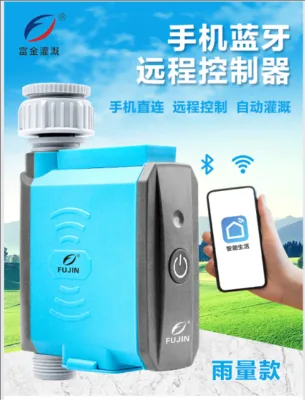

Negotiable
MOQ: 1 Pieces
Comprehensive Sourcing Guide
Strategic Sourcing Guide for Wireless PWM Controllers
Navigating the global marketplace for wireless PWM (Pulse Width Modulation) controllers requires a disciplined approach to technical verification, compliance validation, and supplier assessment. The core keyword "Wireless PWM Controller" encompasses a diverse range of industrial and commercial solutions, from simple remote switches to complex proportional control systems for heavy machinery. Buyers must distinguish between generic consumer-grade devices and robust industrial-grade controllers capable of withstanding harsh operating environments. This guide synthesizes available product attributes and industry standards to provide a framework for evaluating potential suppliers without relying on unverified claims or specific vendor recommendations.
Technical Architecture and Operational Specifications
The fundamental architecture of a Wireless PWM Controller relies on the transmission of digital signals to modulate the power delivered to a load, typically a motor or heating element. When evaluating a potential product, the first step is to verify the transmission distance capabilities, as these vary significantly based on the intended application environment. Data indicates that some units operate within a range of less than 50 meters, suitable for localized indoor control, while others are engineered for extended ranges exceeding 100 meters, which is critical for large industrial facilities or outdoor machinery. Buyers must confirm the specific transmission distance for their use case, as a mismatch can lead to signal loss and operational failure.
Frequency selection is another critical technical parameter. The observed market data highlights a 433MHz frequency option, which is a standard for industrial wireless control due to its balance between range and penetration through obstacles. However, buyers should verify if the controller supports other frequencies or if the frequency is fixed. The encoding mode is equally important; some systems utilize fixed codes, which are simpler but less secure, while others may offer customized encoding modes to prevent interference from neighboring equipment. The voltage requirements also vary, with observed specifications ranging from 3V for low-power applications to 12V for more robust industrial setups. Ensuring the controller's voltage rating matches the power supply of the target equipment is essential to prevent damage or erratic behavior.
Battery technology plays a pivotal role in the longevity and reliability of wireless controllers. The market presents options ranging from AAA batteries and AA batteries to rechargeable lithium battery systems. For applications requiring continuous operation or high reliability, rechargeable lithium batteries with a specified battery life cycle of 5000 cycles or more offer a significant advantage over disposable alternatives. The operating temperature range is another non-negotiable specification; industrial-grade controllers must typically function within a range of -20ºC to 75ºC to ensure performance in extreme climates or near heat-generating machinery.
Compliance and Certification Verification
In the B2B procurement landscape, compliance is not merely a formality but a prerequisite for market access and liability protection. When sourcing wireless PWM controllers, buyers must rigorously verify the certification status of the product. The available data points to several key certifications, including RoHS (Restriction of Hazardous Substances), which ensures the device is free from specific hazardous materials, and ISOCE, a designation often associated with European conformity standards. Additionally, CCC (China Compulsory Certification) is a critical requirement for products sold within the Chinese market, while CE and FCC certifications are vital for entry into European and North American markets, respectively.
It is imperative to treat certification claims as observations that require validation rather than guaranteed attributes of every listed product. Buyers should request current, valid certification documents directly from the supplier rather than relying on marketing materials. The presence of ISO 9001 certification indicates that the manufacturer adheres to a recognized quality management system, which is a strong indicator of process consistency. Furthermore, specific standards such as CQC (China Quality Certification) and CE should be cross-referenced with the product model number to ensure the certification applies to the exact unit being purchased.
The material composition of the controller housing is also a compliance factor. While some products are constructed from plastic, which is lightweight and cost-effective, the specific type of plastic and its flame-retardant properties should be verified against local safety regulations. The standard "Plastic" designation found in product attributes is a material category rather than a performance guarantee; buyers must inquire about the specific grade of plastic used to ensure it meets fire safety and durability requirements for their specific industry.
Cost Drivers and Pricing Dynamics
Understanding the cost structure of wireless PWM controllers is essential for budgeting and negotiation. The observed price range in the market spans from approximately $0.99 to $830.30, reflecting a vast disparity in functionality, build quality, and application complexity. The lower end of the spectrum typically corresponds to simple, fixed-code remotes with basic battery requirements and limited transmission distances. In contrast, the higher price points are associated with advanced proportional controllers, custom-coded systems, and units designed for specialized applications like mining or industrial machinery.
Several factors drive these price variations. First, the level of customization significantly impacts cost. Products labeled as "Customized" or "Available for Customization" often involve additional engineering and tooling fees. Second, the complexity of the control logic, such as the inclusion of a Proportional Controller (PWM Controller) versus a simple on/off switch, adds to the manufacturing cost. Third, the battery type and life cycle are cost drivers; rechargeable lithium systems with high cycle counts are more expensive upfront but may offer a lower total cost of ownership over time compared to disposable battery solutions.
The Minimum Order Quantity (MOQ) is another critical cost driver. The observed MOQ range spans from 1 to 2000 units. Suppliers with lower MOQs may charge a premium per unit to cover setup costs, while those requiring higher volumes often offer tiered pricing that reduces the unit cost. Buyers must balance their immediate inventory needs against the per-unit savings offered by larger orders. Additionally, packaging requirements, such as the use of standard cartons versus custom-branded cartoon boxes, can influence the final landed cost.
Typical Applications and Industry Use Cases
Wireless PWM controllers are deployed across a wide spectrum of industries, each with unique operational demands. One common application is in the air conditioning sector, where controllers manage fan speeds (High, Medium, Low) and operational modes (Auto, Cool, Dry, Fan, Heat). These units often require universal compatibility and specific voltage ratings, such as 3V, to interface with existing HVAC systems. The color and form factor, typically white, are designed to blend seamlessly with indoor aesthetics.
In the industrial sector, the applications are far more demanding. Wireless controllers are utilized for special equipment and industrial machinery, where reliability and precision are paramount. Specific use cases include crane control in mining environments, valve control in fluid systems, and proportional control for complex machinery. These applications often require robust enclosures, extended transmission distances, and specialized battery types like rechargeable lithium batteries to withstand continuous operation. The color coding of these industrial units, often yellow, red, or black, serves as a safety feature to ensure high visibility in busy work environments.
The "Type" attribute of the controller also dictates its application. While some units are designed as general-purpose wireless remotes, others are specialized as display units or joystick interfaces. For instance, a joystick-type controller might be preferred for precise manual control of heavy machinery, whereas a display-type unit might be used for monitoring and adjusting parameters in a control room. Buyers must align the controller type with the specific operational workflow of their facility to ensure efficiency and safety.
Supplier Evaluation and Quality Assurance
Selecting the right supplier is as critical as selecting the right product. When evaluating potential partners, buyers should prioritize suppliers who demonstrate transparency regarding their product attributes and certifications. The presence of "Small Orders: Accepted" indicates a supplier's flexibility, which is beneficial for initial testing or small-scale deployments. However, buyers should also assess the supplier's capacity to handle larger orders, given the observed MOQ range up to 2000 units.
Quality assurance should be a central component of the supplier evaluation process. The "Quality: Top Ranking" attribute suggests a market perception of high standards, but this should be validated through independent testing or third-party audits. Buyers should inquire about the supplier's quality control processes, including incoming material inspection, in-process testing, and final product verification. The use of standardized packaging, such as carton boxes, is a basic indicator of professionalism, but the integrity of the packaging during transit is equally important to prevent damage to sensitive electronic components.
Furthermore, the origin of the product is a relevant factor in the evaluation. Many products originate from China, with specific hubs like Ningbo, Zhejiang, emerging as manufacturing centers. While the origin itself does not determine quality, it can provide context regarding supply chain logistics and lead times. Buyers should verify the specific production location to ensure it aligns with their logistical requirements and to assess any potential geopolitical or trade risks associated with the supply chain.
Long-Term Procurement and Lifecycle Management
Sourcing wireless PWM controllers is not a one-time transaction but a long-term relationship that requires careful lifecycle management. The battery life cycle is a key metric for long-term viability. Controllers with a specified battery life cycle of 5000 cycles or more offer superior longevity, reducing the frequency of replacements and maintenance costs. However, buyers must also consider the availability of replacement batteries and the ease of battery replacement in the field.
Customization is another long-term consideration. As operational needs evolve, the ability to customize the controller's encoding mode, transmission distance, or physical attributes becomes increasingly valuable. Suppliers who offer "Customized" options provide a strategic advantage, allowing buyers to adapt their control systems to new requirements without changing the entire infrastructure.
Finally, the standard compliance of the product must be maintained over time. As regulations evolve, suppliers must be able to provide updated versions of their products that meet new standards. Buyers should establish a protocol for regular compliance audits to ensure that their inventory remains up-to-date with current legal and safety requirements. By focusing on these long-term factors, buyers can secure a reliable supply of wireless PWM controllers that support their operational goals for years to come.
Comparative Analysis of Key Product Attributes
To facilitate decision-making, the following table summarizes the key attributes observed in the market, highlighting the variations that buyers must consider during the sourcing process.
| Attribute Category | Observed Variations | Sourcing Consideration |
|---|---|---|
| Transmission Distance | <50m, >100m | Verify range matches site layout; >100m for large industrial zones. |
| Voltage | 3V, 12V | Match to equipment power supply; 12V for heavy machinery. |
| Battery Type | AAA, AA, Rechargeable Lithium | Rechargeable Lithium preferred for high-cycle industrial use. |
| Frequency | 433MHz | Verify compatibility with existing interference environment. |
| Certifications | RoHS, ISOCE, CCC, CE, FCC, ISO 9001 | Request valid docs; ensure coverage for target export markets. |
| Application | Air-Conditioner, Industrial Machinery, Crane | Match controller type (Joystick, Display, Remote) to use case. |
| Customization | Available, Customized | Assess cost and lead time for tailored solutions. |
| Operating Temp | -20ºC to 75ºC | Essential for outdoor or extreme environment applications. |
This comparative view underscores the necessity of precise specification matching. A controller suitable for an air-conditioning unit may be entirely inadequate for a mining crane, despite both falling under the broad category of wireless PWM controllers. Buyers must rigorously filter options based on these specific attributes to ensure operational success and safety compliance.
FAQs
What certifications do wireless PWM controllers typically have?
Products often carry certifications such as RoHS, ISOCE, CCC, CE, and FCC. Buyers must verify that these certifications apply to the specific model number, as claims vary by unit rather than being universal across all listings.
How far can wireless PWM controllers transmit signals?
Transmission distances vary significantly, with some units operating under 50 meters and others exceeding 100 meters. Buyers should confirm the specific range required for their application to avoid signal loss in large facilities.
Which battery types are used in these controllers?
Common options include AAA, AA, and rechargeable lithium batteries. Rechargeable lithium systems may offer a life cycle of 5000 cycles, providing better longevity for continuous industrial operations compared to disposable alternatives.
Can these controllers be customized for specific needs?
Yes, customization is available for many models, including fixed codes and frequency adjustments. This allows buyers to tailor encoding modes and physical attributes like color to match specific machinery or aesthetic requirements.
What voltage ratings are available for wireless controllers?
Voltage specifications range from 3V for low-power applications to 12V for robust industrial setups. Ensuring the controller voltage matches the target equipment power supply is essential to prevent operational failures or damage.
Where are these products typically manufactured?
Many products originate from China, with specific manufacturing hubs located in Ningbo, Zhejiang. Buyers should verify the exact production location to align with logistical requirements and assess supply chain risks.