Source Metal Wire Spiral Binder for Notebooks, Calendars, and Reports
Compare 30 Metal Wire Spiral Binder options from Dongguan suppliers. Buyers can review specifications like wire diameter, pitch, and coating for binding notebooks, calendars, and reports. These products feature nylon coated wire or iron wire materials with customizable colors and pitches suitable for various binding thicknesses ranging from 4mm to 50mm.
Updated
Key considerations
Products List




Comprehensive Sourcing Guide
Metal Wire Spiral Binder Sourcing Guide
Procuring metal wire spiral binders requires a clear understanding of the distinct material properties and manufacturing processes that define their durability and aesthetic finish. These binding components are primarily constructed from iron wire that undergoes cold drawing to achieve the necessary tensile strength and dimensional consistency. The resulting wire is often coated with color or other surface treatments to provide insulation and protect against corrosion, ensuring the binder remains functional and visually appealing over time. Buyers must distinguish between these metal variants and plastic alternatives, as the mechanical behavior and application suitability differ significantly.
The core utility of metal spiral binders lies in their ability to secure documents, notebooks, and calendars with a robust mechanical hold. Observed product attributes indicate that these binders are designed for binding looseleaf notebooks and books, offering a professional finish that plastic coils may not match. The metal wire is typically available in a soft state, which facilitates easy insertion into pre-punched holes while maintaining the structural integrity required for frequent opening and closing. Understanding these fundamental characteristics allows procurement teams to select the right binding solution for high-volume or heavy-use document management systems.
Product Scope and Observed Listing Signals
Market listings for metal wire spiral binders reveal a diverse range of specifications tailored to different binding thicknesses and aesthetic preferences. Products are often described with specific model numbers, such as GH001, and are characterized by wire diameters ranging from 0.7 mm to 1.5 mm. The binding thickness capacity typically spans from 4 mm to 30 mm, accommodating a wide variety of document stacks. Buyers should note that while some listings emphasize metal wire, others may refer to plastic spiral coils, so careful verification of the material composition is essential to avoid procurement errors.
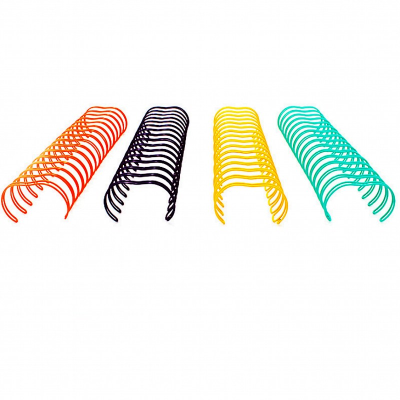
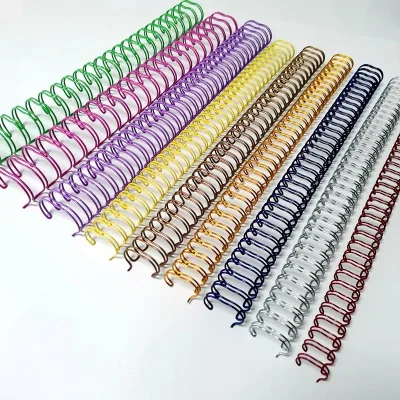
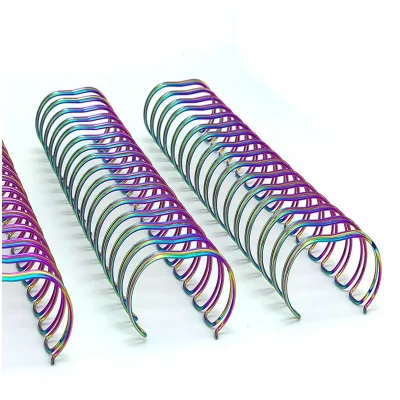
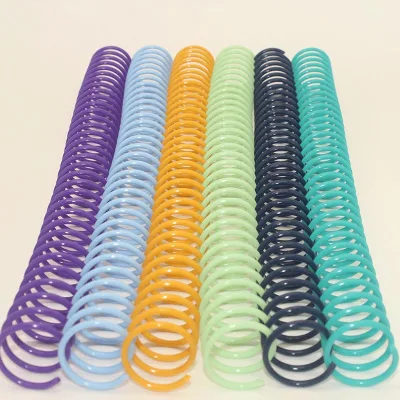
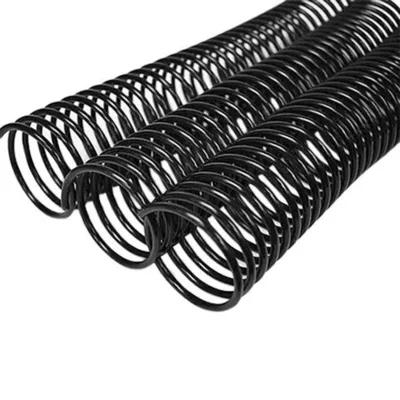
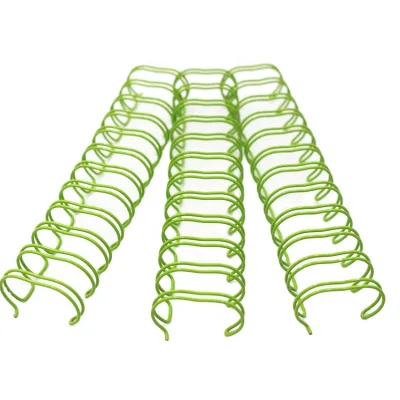
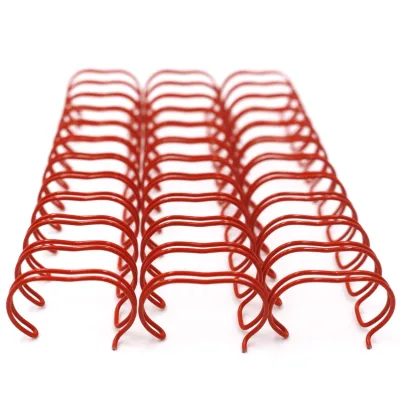
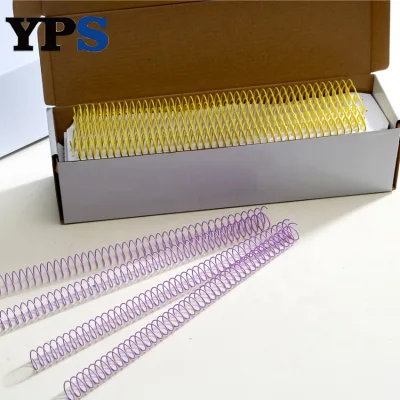
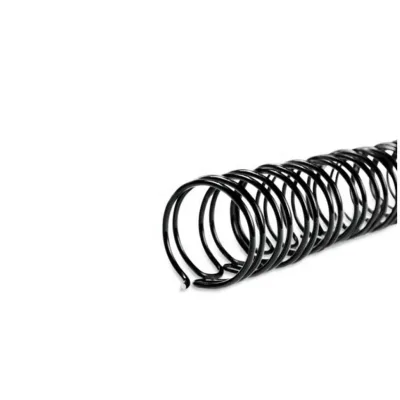
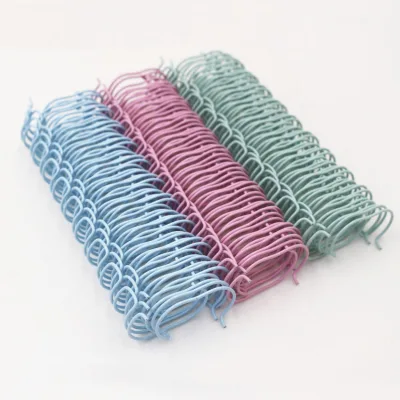
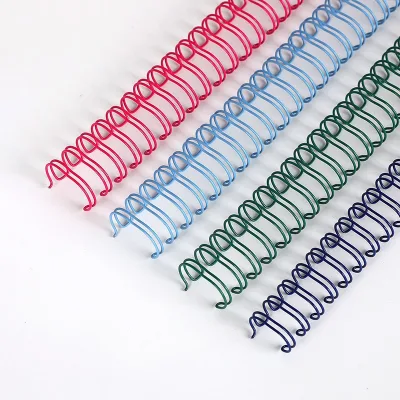
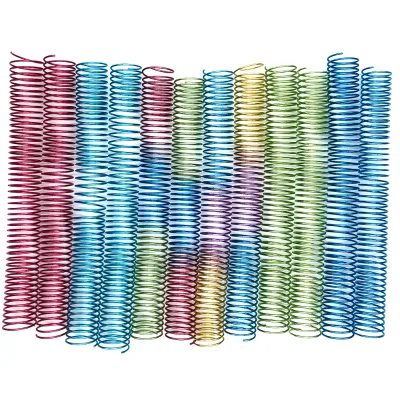
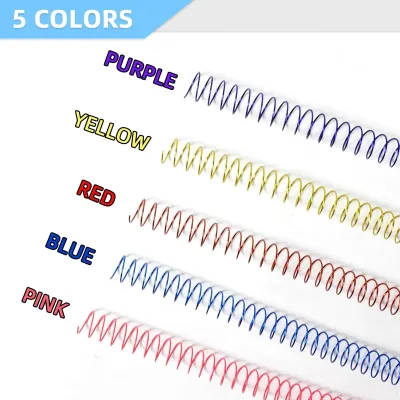
Color options for metal wire binders generally include standard white and black, with customization available for specific branding needs. The pitch of the spiral, which determines the number of coils per unit length, is commonly available in 3:1 and 2:1 ratios. These pitch variations affect the flexibility and opening angle of the binder, influencing the user experience when flipping through pages. Additionally, the cross-sectional shape is typically round, providing a smooth profile that prevents snagging. Procurement specialists should review these visual and structural details to ensure the selected binder aligns with the intended end-use and design requirements.
Technical Specifications to Verify
Verifying the precise technical parameters of metal wire spiral binders is critical to ensuring compatibility with existing binding machinery and document formats. Key specifications to confirm include the wire diameter, which directly impacts the strength and hole size requirements, and the pitch ratio, which dictates the coil density. Buyers must also verify the binding thickness range, as exceeding the maximum capacity can lead to mechanical failure or improper closure. The material composition, whether it is pure iron wire or a coated variant, should be explicitly stated to assess corrosion resistance and durability under various environmental conditions.
Surface treatment and state of the wire are equally important technical factors that influence performance. The wire is often color-coated to provide insulation and aesthetic appeal, but the thickness of this coating can affect the overall diameter and fit within the punched holes. The soft state of the metal allows for easier manipulation during the binding process, but buyers should ensure that the wire retains its shape after binding. Additionally, the presence or absence of magnetic properties, though typically non-magnetic for standard iron wire, should be confirmed if the binders will be used in environments sensitive to magnetic interference.
Compliance and Safety Documentation
While specific certification standards for metal wire spiral binders are not universally mandated, buyers should inquire about compliance with relevant industry safety and quality benchmarks. Documentation should verify that the materials used, particularly any coatings or platings, are free from hazardous substances that could pose risks during manufacturing or end-use. Although explicit certification statuses are not provided in general listings, reputable suppliers should be able to provide material safety data sheets or declarations of conformity upon request. This due diligence ensures that the binders meet environmental and health regulations in the target market.
Quality assurance processes should also be documented to guarantee consistent product performance. Buyers should request information on the manufacturing standards followed, such as those governing wire drawing and coating processes. Verification of the production origin, often cited as Guangdong, China, can provide insights into the supply chain transparency and logistical reliability. Ensuring that the supplier adheres to recognized quality management systems helps mitigate risks associated with product variability and ensures that the binders meet the expected durability and functional standards for commercial use.
Cost Drivers and Commercial Terms
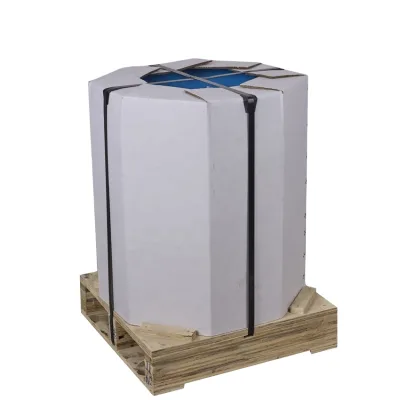
The cost of metal wire spiral binders is influenced by several factors, including the raw material prices for iron wire, the complexity of the coating process, and the order volume. Minimum order quantities (MOQ) can vary, with some suppliers requiring as few as one box while others may demand larger bulk purchases. Buyers should negotiate terms that align with their inventory management strategies, considering the trade-off between unit price discounts and storage costs. Understanding the packaging details, such as boxes, cartons, and pallets, is also essential for calculating total landed costs and logistics efficiency.
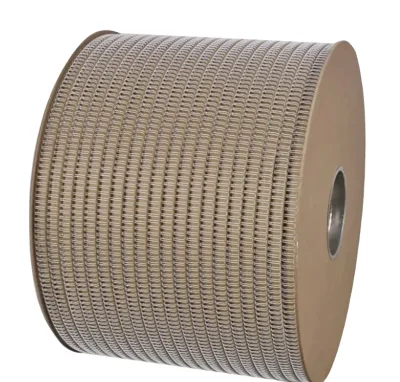
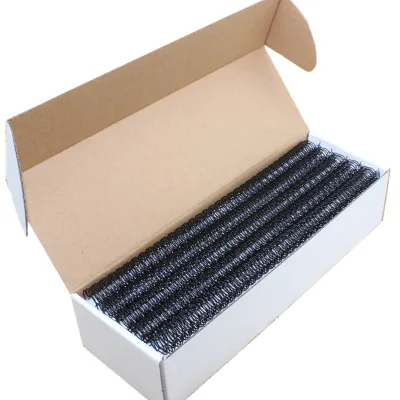
Commercial terms often include specific packaging quantities, such as 50 or 100 pieces per box, which affect handling and distribution. Lead times and production capacity should be clarified to ensure timely delivery, especially for large-scale procurement projects. Buyers should also consider the customization options available, such as specific colors or pitches, as these may incur additional costs or longer lead times. Transparent communication regarding these commercial terms helps in budgeting accurately and avoiding unexpected expenses during the procurement process.
Supplier Qualification and Quality Control
Selecting a qualified supplier for metal wire spiral binders involves assessing their manufacturing capabilities and quality control measures. Buyers should verify the supplier’s experience in producing wire binding components and their ability to maintain consistent quality across large production runs. Inspecting the supplier’s facility, if possible, or requesting detailed quality assurance reports can provide confidence in their production standards. Additionally, checking for any relevant industry memberships or past performance records can help identify reliable partners who prioritize product integrity and customer satisfaction.
Quality control protocols should include rigorous testing of the wire’s tensile strength, coating adhesion, and dimensional accuracy. Buyers should request samples to evaluate the physical properties of the binders, such as flexibility, durability, and ease of use. Establishing clear acceptance criteria and inspection procedures before placing large orders is crucial to prevent defects from reaching the end user. Regular audits and feedback loops with the supplier can further enhance quality consistency and foster a collaborative relationship that supports long-term procurement success.
Long-Term Procurement Checks
Establishing long-term procurement checks for metal wire spiral binders ensures sustained quality and supply chain stability. Buyers should implement periodic reviews of supplier performance, focusing on metrics such as delivery reliability, defect rates, and responsiveness to issues. Maintaining open communication channels with the supplier allows for proactive management of any changes in material availability or production processes. Regularly updating specifications and requirements based on evolving market needs or product innovations helps keep the procurement strategy aligned with business objectives.
Continuous monitoring of market trends and alternative sourcing options can provide leverage in negotiations and mitigate supply risks. Buyers should stay informed about advancements in binding technology and material science that could offer improved performance or cost efficiencies. Building a diversified supplier base, where feasible, can enhance resilience against disruptions. By maintaining a strategic approach to supplier management and quality assurance, organizations can ensure a steady supply of high-quality metal wire spiral binders that support their operational needs and customer expectations.
FAQs
What materials are used for metal wire spiral binders?
Metal wire spiral binders are primarily made from iron wire with a nylon coating. Some products also utilize plastic filament for alternative binding needs. The material selection ensures durability and flexibility for various binding applications like notebooks and calendars.
Which wire diameters are available for these binders?
Available wire diameters range from 0.7 mm to 1.5 mm for standard models. Specific thickness options include 1.3 mm, 1.6 mm, 1.8 mm, 1.9 mm, 2.2 mm, 2.3 mm, 2.5 mm, 2.6 mm, and 2.8 mm depending on the specific product model and binding requirements.
Can I customize the color of the spiral binding wire?
Yes, customization is available for the color of the spiral binding wire. Standard options include white and black, but customers can request customized colors to match specific branding or design needs. This flexibility allows for tailored solutions for various projects.
What is the minimum order quantity for these binders?
The minimum order quantity varies by product type, with some items requiring just one box. Other listings specify a minimum of 20 boxes, containing either 50 or 100 pieces per box. Buyers should check specific product details to confirm the exact MOQ required.
How thick can the books be that these binders support?
These binders support binding thicknesses ranging from 4 mm to 30 mm for wire models. Plastic spiral coils can handle thicknesses from 4.5 mm up to 46 mm or even 50 mm depending on the specific model. This range accommodates various notebook and calendar sizes.
Where are these metal wire binders manufactured?
These binders are manufactured in Dongguan, Guangdong, China. The production facilities are located within the Guangdong province, ensuring consistent quality and supply chain efficiency. Buyers can expect products to originate from this specific region in China.
What pitch options are available for the spiral binding?
Pitch options include 3:1 and 2:1 ratios for wire binders. Plastic spiral coils offer pitches of 5 mm, 6 mm, 6.35 mm, 8 mm, 8.47 mm, 10 mm, 12.7 mm, and 4:1. These variations allow for precise alignment and aesthetic choices in final binding projects.