Source Metallic Football Keychain for Promotions, Gifts, and Events
Explore 30 listings for the Metallic Football Keychain, featuring alloy and zinc alloy options with custom logos. Buyers can compare die-casting and electroplating finishes, irregular shapes, and universal applications suitable for promotional gifts.
Key considerations
Products List
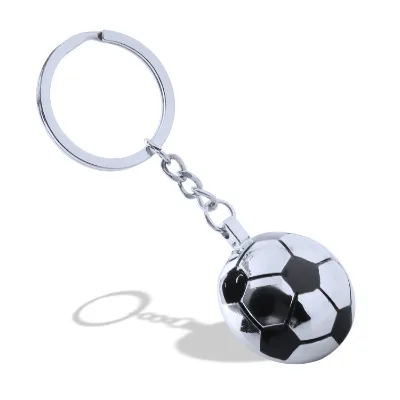


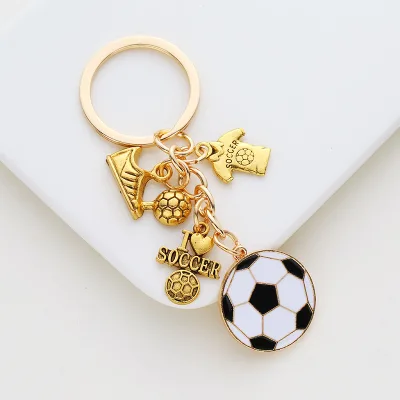

Football Keychain Key Ring Chain Metal Soccer Ball Team Keyring Soccer Keychains
$0.20 - $0.50
MOQ: 100 Pieces

Metal Keychain Fashion Cute Rotating Soccer Ball Sports Keyring Key Chain
$0.48 - $0.70
MOQ: 100 Pieces


Comprehensive Sourcing Guide
Strategic Sourcing Guide for Metallic Football Keychains
Understanding Product Specifications and Material Variability
When sourcing metallic football keychains, buyers must first navigate the complex landscape of material composition and technical specifications. The product category is defined by a core keyword that implies a specific shape and utility, yet the underlying manufacturing attributes vary significantly across listings. Based on available market data, the primary material composition for these items is often cited as either Zinc Alloy or Stainless Steel. This distinction is critical for procurement decisions, as Zinc Alloy typically offers a lower cost point and allows for intricate die-casting processes, while Stainless Steel provides superior corrosion resistance and a heavier, more premium tactile feel.
The manufacturing process plays a pivotal role in the final product's integrity. The dominant production method observed in this category is die-casting, which enables the creation of complex, irregular shapes that mimic footballs or related sports motifs. This process is frequently paired with surface treatments such as polishing or electroplating to achieve a desired aesthetic finish, often described as "cool" or "fashionable." The color palette is frequently limited to silver tones, though customization options exist. Buyers should note that the physical dimensions are not uniform; observed specifications include a size of 5cm by 5cm, while single package dimensions can reach up to 10cm by 10cm by 7cm. The weight of individual units is generally low, with a single gross weight recorded at 0.2 kg, suggesting a lightweight construction suitable for promotional gifting.
The design flexibility is a key selling point for this category. Many suppliers indicate that the shape is irregular, allowing for unique football-inspired geometries rather than standard spheres. Customization is a central feature, with options for customized logos and OEM/ODM services readily available. The product is marketed under various model numbers, ranging from specific codes like "JD5417" to descriptive identifiers such as "Football Keychain-026T" and "Football Keychain-075C." This variety suggests a highly fragmented supply chain where buyers must carefully match the specific model number to their branding requirements. The application is broadly defined as "other" or "promotion gifts," indicating versatility in usage, from corporate giveaways to sports team merchandise.
Compliance, Certification, and Regulatory Verification
Navigating the regulatory landscape for metallic keychains requires a rigorous approach to compliance, particularly when importing into markets with strict chemical and safety standards. While the supplied data does not explicitly confirm that every listed product holds specific certifications, buyers must verify compliance with international standards such as ASTM F963 for toy safety, REACH for chemical restrictions in the European Union, and RoHS for hazardous substance limitations. These standards are often referenced in the broader industry context for metal accessories intended for general consumer use, especially those marketed as gifts.
The absence of explicit certification data in product listings necessitates a proactive verification strategy. Buyers should request current test reports from suppliers to confirm that the metal alloys used, particularly Zinc Alloy, do not exceed permissible limits for lead, cadmium, or other heavy metals. The surface treatment processes, including electroplating and polishing, introduce additional chemical variables that must be scrutinized. For instance, the plating solution used to achieve the silver finish must be free of prohibited substances to meet REACH standards. Similarly, if the keychain is marketed towards children or intended for use in environments where safety is paramount, adherence to ASTM F963 is essential to ensure the product does not pose choking hazards or contain toxic materials.
It is important to treat the mention of "Best" quality or "Eco-Friendly" features as observations rather than guaranteed certifications. A supplier may claim a product is eco-friendly due to the recyclability of the metal, but this does not automatically imply compliance with specific environmental management standards without third-party validation. Buyers should not assume that the "Customized" standard mentioned in the data implies a deviation from safety regulations; rather, customizations must still adhere to the strictest applicable laws of the destination market. The verification process should include a review of the supplier's quality management system and their ability to provide batch-specific test certificates.
Cost Drivers and Pricing Dynamics
The pricing structure for metallic football keychains is influenced by a combination of material costs, manufacturing complexity, and order volume. The observed price range in the market spans from $0.10 to $0.99 USD per unit, a significant variance that reflects differences in material quality and production scale. The lower end of this spectrum likely corresponds to Zinc Alloy products with basic electroplating and standard packaging, while the higher end may reflect Stainless Steel construction, more intricate die-casting designs, or premium surface finishes.
Order Volume is a primary driver of unit cost. The Minimum Order Quantity (MOQ) varies widely, with observed ranges starting as low as 2 sets and extending up to 1000 pieces. Suppliers offering an MOQ of 2 sets are likely targeting small businesses or individuals seeking samples or very limited runs, whereas those requiring 100 pieces or more are geared toward bulk promotional campaigns. The "Selling Units" are typically listed as single items, but the economic reality of the industry dictates that unit costs decrease as order quantities increase. Buyers should be aware that the "100PCS" MOQ mentioned in some listings is a common threshold for achieving the lower price points within the $0.10-$0.99 range.
Additional cost factors include the customization of logos and the specific packaging requirements. While the standard packing is often "1PC/OPP" (a single item in a polypropylene bag), bulk orders may require carton packaging, which can add to the overall cost. The complexity of the die-casting process and the number of surface treatment steps, such as polishing and electroplating, also contribute to the final price. Buyers must balance the desire for a "cool" or "fashionable" design with the budget constraints of their procurement project. It is essential to request detailed quotations that break down the cost of the base product, customization fees, and packaging to avoid hidden expenses.
Typical Applications and Market Segmentation
Metallic football keychains serve a diverse range of applications, primarily driven by their utility as promotional gifts and brand ambassadors. The "Application" field in product data is often listed as "other" or "promotion gifts," indicating their flexibility in various marketing strategies. These items are particularly effective for sports-related events, team merchandise, and corporate giveaways where a durable, metallic accessory can reinforce brand identity. The "Car Keychain Gifting" function highlights their practical utility, making them suitable for automotive dealerships, car rental companies, or automotive-themed events.
The target audience for these products is broad, spanning from individual consumers to large corporate entities. The "Universal" suitability suggests that the keychains can be attached to a wide variety of items, including car keys, backpacks, luggage, and office supplies. The "Fashion" and "Cute" style attributes indicate that these products are also marketed as lifestyle accessories, appealing to younger demographics or those interested in sports memorabilia. The "New" age classification suggests that these products are often updated or released in conjunction with new sports seasons or events, such as football tournaments or championship games.
In the context of B2B procurement, these keychains are frequently used as part of larger promotional campaigns. The ability to customize logos allows companies to create a cohesive brand experience. For example, a sports apparel brand might distribute these keychains at trade shows, while a corporate client might use them as year-end gifts for employees or clients. The "Football Keychain" model numbers suggest a specific niche within the broader keychain market, catering to sports enthusiasts and organizations. Buyers should consider the longevity of the product's relevance; while football-themed items may have seasonal spikes in demand, the core utility of a keychain ensures a baseline level of interest year-round.
Supplier Evaluation and Selection Criteria
Selecting the right supplier for metallic football keychains requires a comprehensive evaluation of their capabilities, reliability, and alignment with buyer requirements. The supply chain for these products is characterized by a high degree of customization, with many suppliers offering OEM and ODM services. Buyers should prioritize suppliers who demonstrate transparency in their manufacturing processes, particularly regarding the die-casting and surface treatment stages. The "Place of Origin" is frequently listed as Tianjin or China, regions known for metal fabrication, but buyers must verify the specific factory capabilities rather than relying solely on location.
Key evaluation criteria include the supplier's ability to meet MOQ requirements, their flexibility in handling custom orders, and their track record for quality consistency. The "Customized Logo Available" feature is a standard offering, but the quality of the logo application—whether it is engraved, printed, or attached—must be verified. Buyers should request samples to assess the finish, weight, and durability of the keychain. The "Single package size" and "Single gross weight" data points are useful for logistics planning, but buyers must also consider the efficiency of the supplier's packing processes, such as the transition from "1PC/OPP" to "Carton" for bulk shipments.
Communication and responsiveness are critical factors in supplier selection. Given the "Acceptable" nature of OEM/ODM services, suppliers must be willing to collaborate on design modifications and provide timely updates on production status. The "Quality: Best" claim found in some listings should be treated as a marketing statement rather than a verified metric; instead, buyers should look for evidence of quality control processes, such as in-line inspections and final product testing. Additionally, the supplier's ability to handle the "Standard size" or "Customized" standard requirements without compromising on safety or durability is essential.
Quality Control and Long-Term Procurement Considerations
Ensuring consistent quality in metallic football keychains requires a robust quality control (QC) framework that addresses both material integrity and aesthetic consistency. The "Processing" method of die-casting can introduce defects such as porosity or incomplete filling, which must be detected through rigorous inspection. Surface treatments like polishing and electroplating are prone to issues such as uneven coloring, peeling, or scratching, which can significantly impact the product's perceived value. Buyers should implement a multi-stage QC process that includes raw material verification, in-process checks during die-casting and plating, and final inspection before packaging.
Long-term procurement considerations involve building a sustainable relationship with suppliers who can scale production while maintaining quality. The variability in model numbers, such as "Football Keychain-026T" versus "Football Keychain-075C," suggests that buyers may need to manage a portfolio of different SKUs. Consistency in the "Metal Type" and "Color" across batches is crucial for brand integrity. Buyers should establish clear specifications for the "Silver" color and "Zinc Alloy" or "Stainless Steel" composition to prevent drift in product attributes over time.
Sustainability is an emerging consideration in procurement. While the "Eco-Friendly" feature is listed, buyers should verify the environmental impact of the manufacturing process, including waste management and energy consumption. The recyclability of the metal components is a positive attribute, but the environmental footprint of the electroplating and packaging materials should also be assessed. For long-term contracts, buyers should negotiate terms that allow for continuous improvement in quality and sustainability practices. The "Customized" nature of the product means that any changes in design or material must be carefully managed to avoid disrupting the supply chain.
Final Procurement Strategy and Risk Mitigation
The procurement of metallic football keychains is a strategic process that balances cost, quality, and customization. Buyers must navigate a market with significant variability in specifications, from material types to packaging standards. By focusing on verified technical data, rigorous compliance checks, and clear supplier evaluation criteria, buyers can mitigate risks and ensure a successful sourcing outcome. The observed price range and MOQ flexibility offer opportunities for both small-scale and large-volume orders, but success depends on detailed communication and precise specification management.
To maximize value, buyers should develop a clear brief that outlines the required material, finish, and customization needs. Leveraging the "OEM/ODM: Acceptable" status allows for tailored solutions that align with specific brand identities. However, buyers must remain vigilant against unverified claims regarding certifications and quality. By demanding test reports and maintaining a structured QC process, buyers can ensure that the final product meets their expectations and regulatory requirements. Ultimately, the goal is to secure a reliable supply of high-quality metallic football keychains that serve as effective promotional tools and durable accessories for end-users.
FAQs
How can I customize the logo on these keychains?
Customized logos are available for these metallic football keychains. The product listing confirms that OEM services are acceptable, allowing buyers to add specific branding to the zinc alloy or stainless steel units before shipping.
What is the minimum order quantity for these items?
The minimum order quantity varies between 2 sets and 1000 pieces depending on the specific supplier. Some listings accept orders as low as 2 sets for samples, while bulk promotional campaigns often require a minimum of 100 pieces.
Which materials are used to make these keychains?
These keychains are primarily manufactured from zinc alloy or stainless steel. The die-casting process allows for irregular shapes, and the metal type determines the weight and corrosion resistance of the final product.
Can I find suppliers located in Tianjin for this product?
Yes, suppliers with a place of origin in Tianjin are available for these metallic football keychains. This location is a known hub for metal fabrication, offering various models like JD5417 with different customization options.
What is the typical price range for these keychains?
The observed price range for these items is between 0.10 and 0.99 USD per unit. The final cost depends on the material choice, such as zinc alloy versus stainless steel, and the volume of the order placed.
How are these keychains packaged for shipment?
Standard packaging typically involves one piece per OPP bag, with bulk orders packed in cartons. The single package size is approximately 10 by 10 by 7 cm, and the gross weight per unit is 0.2 kg.
What surface treatments are applied to these metal keychains?
Common surface treatments include polishing and electroplating to achieve a silver finish. These processes enhance the cool and fashionable appearance of the irregularly shaped keychains while protecting the underlying alloy material.