Find Metallic Store Display Shelves for Supermarkets, Retail Shops, and Convenience Stores
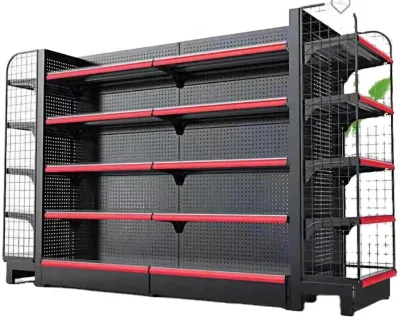
Browse 30 Metallic Store Display Shelves listings from manufacturers, with options covering backplane-style, double-sided, and pallet-rack designs in steel or metal with powder-coated finishes. Compare customization, sizes, load capacity, certifications, MOQ, and pricing to shortlist shelving suited to supermarkets, specialty stores, and exhibitions.
Key considerations
Products List




Comprehensive Sourcing Guide
Metallic Store Display Shelves Sourcing Guide
Sourcing Metallic Store Display Shelves requires a disciplined approach to balancing structural integrity, aesthetic flexibility, and commercial viability. These units serve as the backbone of retail environments, ranging from convenience stores and supermarkets to specialized exhibition spaces and home organization areas. The procurement process must account for the diverse operational demands of these settings, ensuring that the selected shelving systems can withstand heavy loads while maintaining visual appeal. Buyers must navigate a market characterized by significant variation in material composition, surface treatments, and customization capabilities, making it essential to define precise requirements before engaging with suppliers.
The decision to source metallic shelving often hinges on the need for durability and adaptability. Unlike wooden or plastic alternatives, metal structures offer superior load-bearing capacity and resistance to environmental wear, particularly when treated with powder coating or zinc plating. However, this durability comes with specific logistical considerations, including weight management and packaging efficiency. Procurement teams must evaluate how the physical attributes of the shelves, such as their heavy weight and layered frame structures, impact shipping costs and installation complexity. A thorough understanding of these factors is critical to avoiding hidden costs and ensuring that the final product aligns with the retailer’s operational goals.
Product Scope and Observed Listing Signals
The current market for Metallic Store Display Shelves exhibits a wide range of configurations, with observed price points spanning from $0.50 to $260 USD per unit or component. This broad spectrum reflects the variability in materials, sizes, and customization levels available from different manufacturers. Buyers should note that the minimum order quantities (MOQs) typically range from 1 to 500 units, indicating that suppliers cater to both small-scale boutique retailers and large-scale commercial chains. The presence of over 80 model options suggests a highly segmented market where specific design requirements, such as double-sided configurations or backplane styles, are readily available but may require careful selection to match the intended retail environment.
Observations from product listings reveal that many suppliers offer extensive customization options, including tailored sizes, colors based on RAL color cards, and specific structural modifications. The materials predominantly cited are steel and metal, often finished with powder coating or plastic spraying to enhance corrosion resistance and aesthetic appeal. These shelves are frequently described as having a "new type" development status and are designed for indoor use, with applications extending from shop floors and drug stores to exhibition shows and specialty stores. The "open" structure and "layer frame" design are common features, emphasizing functionality and ease of assembly, which are critical for retailers who need to quickly adapt their display layouts.
Technical Specifications to Verify
When evaluating technical specifications, buyers must prioritize the structural integrity and load-bearing capacity of the shelving units. The "strong bearing capacity" and "heavy weight" attributes observed in listings indicate that these shelves are designed for substantial loads, but the exact weight limits must be verified for each specific model. The "layer frame" structure and "fixed" rotary components suggest a stable design, but procurement teams should request detailed engineering drawings or load test data to confirm that the shelves can support the intended merchandise without deformation. Additionally, the "double-sided" and "backplane style" configurations offer different spatial efficiencies, and the choice between them should be driven by the specific layout and traffic flow of the retail space.
Surface treatment and material composition are equally critical technical factors that influence longevity and maintenance. The observed "powder coating" and "zinc" treatments provide anti-corrosion benefits, which are essential for maintaining the aesthetic and structural quality of the shelves over time. Buyers should verify the thickness of the metal and the quality of the surface finish to ensure resistance to scratches and wear, particularly in high-traffic areas like supermarkets and convenience stores. The "customized" size options allow for precise fitting, but buyers must ensure that the manufacturing tolerances are tight enough to allow for seamless assembly and stability, especially when multiple units are connected or stacked.
Compliance and Safety Documentation
Compliance with international standards is a non-negotiable aspect of sourcing Metallic Store Display Shelves, particularly for retailers operating in regulated markets. The observed listings mention certifications such as CE and SGS, which indicate adherence to specific safety and quality benchmarks. However, buyers must verify the current validity and scope of these certifications, as they may apply only to specific models or production batches. The presence of ISO certifications, as noted in some listings, further suggests a commitment to quality management systems, but procurement teams should request copies of the certificates and confirm that they cover the specific products being ordered.
Safety documentation should also include detailed information on the structural stability and fire resistance of the shelving units. Given that these shelves are often used in public spaces like supermarkets and exhibition shows, they must meet local building and fire codes. Buyers should inquire about the flame retardancy of any plastic components, such as the "plastic sprayed" surfaces, and ensure that the metal structures do not pose a risk of tipping or collapse under normal use conditions. Additionally, the "export cartons" and "cartons & pallets" packaging methods should be reviewed to ensure that the shelves arrive in good condition, with no damage that could compromise their safety or functionality.
Cost Drivers and Commercial Terms
The cost of Metallic Store Display Shelves is influenced by several key factors, including material prices, customization complexity, and order volume. The observed price range of $0.50 to $260 USD reflects the variability in these drivers, with higher prices typically associated with custom sizes, specialized finishes, or larger quantities. Buyers should analyze the cost breakdown to understand how much of the price is attributed to raw materials versus labor and overhead. The "customized" nature of many products means that even minor changes in size or color can impact the final cost, so it is essential to define requirements clearly to avoid unexpected price increases.
Commercial terms, including lead times and payment conditions, also play a significant role in the total cost of ownership. The observed delivery time of 15-30 days suggests a moderate production cycle, but buyers should confirm whether this timeline includes shipping and customs clearance. The MOQs ranging from 1 to 500 units offer flexibility, but larger orders may qualify for volume discounts, which can significantly reduce the per-unit cost. Buyers should negotiate favorable payment terms, such as partial upfront payments and balance upon shipment, to mitigate financial risk and ensure that the supplier remains committed to delivering the order on time and to specification.
Supplier Qualification and Quality Control
Supplier qualification is a critical step in ensuring the reliability and quality of Metallic Store Display Shelves. Buyers should conduct thorough due diligence on potential suppliers, verifying their business licenses, production capabilities, and past performance. The observed origin of many suppliers in Jiangsu, China, indicates a concentration of manufacturing expertise in this region, but buyers should not assume that all suppliers from this location meet the same quality standards. Requesting references from previous clients and conducting site visits, if possible, can provide valuable insights into the supplier’s production processes and quality control measures.
Quality control procedures should be clearly defined and agreed upon before production begins. Buyers should specify the inspection criteria, including dimensional accuracy, surface finish quality, and load-bearing performance, and request that the supplier conduct pre-shipment inspections. The use of "export cartons" and "pallets" for packaging should be verified to ensure that the shelves are protected during transit. Additionally, buyers should establish a clear process for handling defects or non-conformities, including return policies and compensation mechanisms, to protect their interests in case of quality issues.
Long-Term Procurement Checks
Long-term procurement success depends on establishing a robust relationship with suppliers and implementing continuous improvement processes. Buyers should regularly review supplier performance metrics, such as on-time delivery rates, product quality, and responsiveness to issues, to identify areas for improvement. The "common use" and "durable" attributes of the shelves suggest that they are designed for long-term use, but buyers should monitor for any signs of wear or degradation over time and address these issues promptly with the supplier. Building a partnership based on transparency and mutual benefit can lead to better pricing, priority production, and access to new product innovations.
Procurement teams should also stay informed about industry trends and technological advancements in metallic shelving design. The "new type" development and "customized" options observed in the market indicate a dynamic industry that is constantly evolving. By maintaining open communication with suppliers and participating in industry events, buyers can gain insights into emerging materials, finishes, and structural designs that may offer improved performance or cost savings. This proactive approach ensures that the retailer’s display solutions remain competitive and aligned with changing consumer preferences and retail trends.
FAQs
How are Metallic Store Display Shelves typically finished and coated?
Most listings describe a powder coating or plastic-sprayed surface treatment, and some options offer zinc coating instead. Powder coating gives a durable, anti-corrosion layer suitable for indoor retail environments. Buyers can usually specify colors from a RAL color card or request a custom color, so confirm the finish type and color requirements with the supplier before ordering.
Can Metallic Store Display Shelves be customized in size and color?
Yes, customization is widely available for these shelves. Sizes are typically customized to the buyer's requirements, and colors can follow a RAL color card or a custom specification. Many models offer more than 80 size options to choose from. Provide your store layout and capacity needs so the supplier can propose the appropriate configuration and layer frame structure.
What certifications or standards do these metallic display shelves follow?
Listed products reference CE, SGS, and ISO certifications, and some specify standards as customized. Certification coverage can vary by product, so always confirm which certificates apply to the specific model you intend to order. Ask suppliers for certificate copies and verify they match the shipment before placing a bulk purchase.
What is the typical delivery time for Metallic Store Display Shelves?
The listed delivery time is 15 to 30 days. Actual lead time depends on order quantity, the level of customization, and the supplier's current production schedule. Customized sizes, colors, or structures may extend the timeline, so confirm the exact production and shipping schedule in writing before confirming your order.
Which retail environments suit these Metallic Store Display Shelves?
These shelves are designed for indoor display in shops, supermarkets, drug stores, convenience stores, and specialty stores, as well as exhibition shows and home use. They come in backplane style, double-sided configurations with fixed installation. Choose the side number and backplane style based on your floor plan and whether you need aisle or wall placement.
How are the shelves packed for export shipping?
Packing options across the listings include export cartons, export carton packing, and cartons with pallets. Heavy steel shelves usually need reinforced packing for international transport. Confirm the packing method for your order volume, and discuss whether palletized loading is available to reduce handling damage during transit.
What materials and structures are used for these display shelves?
The shelves are made of steel or metal with a layer frame structure, and some are categorized as pallet racking type. They are marketed as heavy weight units with strong bearing capacity and anti-corrosion features. Capacity is typically customized, so share the load requirements per layer with the supplier to get a suitable specification.
What is the price and MOQ range for Metallic Store Display Shelves?
Observed listings range from about 0.5 to 260 US dollars per unit, with minimum order quantities from 1 to 500 pieces. Price depends heavily on size, capacity, finish, and order volume. Request quotations for your exact customized specification and compare unit pricing at different quantity tiers before committing.