Source Microbiological Czapek Dox Agar for agriculture research and industry
Find 30 listings for Microbiological Czapek Dox Agar suitable for agriculture, health, and scientific research. Buyers can compare specifications, packaging, and prices from verified Chinese manufacturers offering biochemical reagents in powder form.
Key considerations
Products List
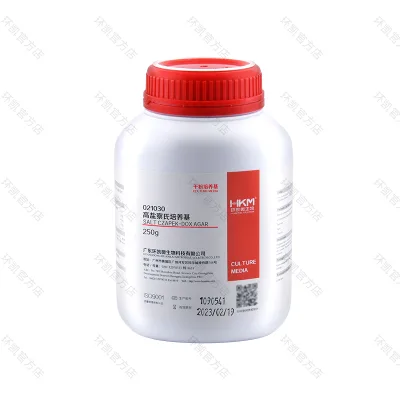
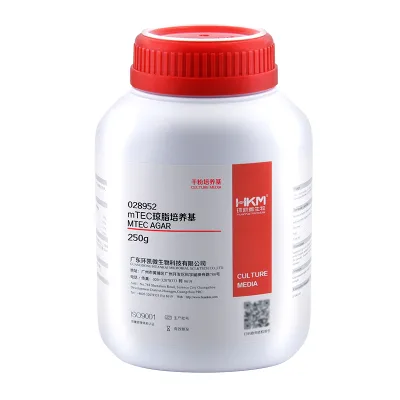

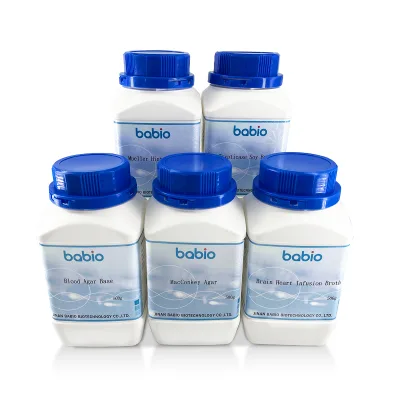
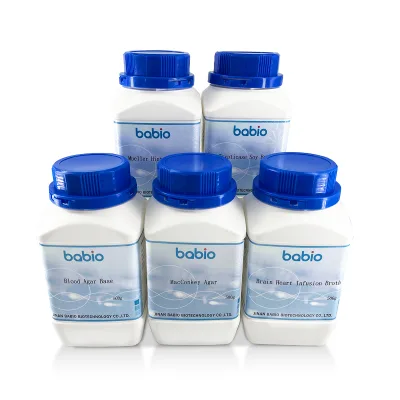
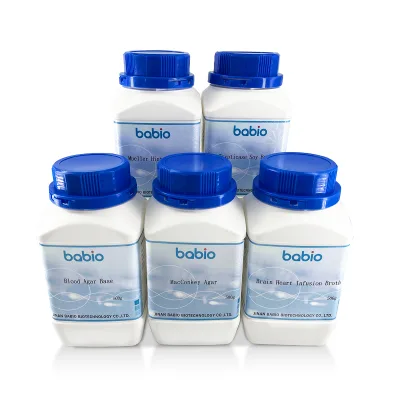
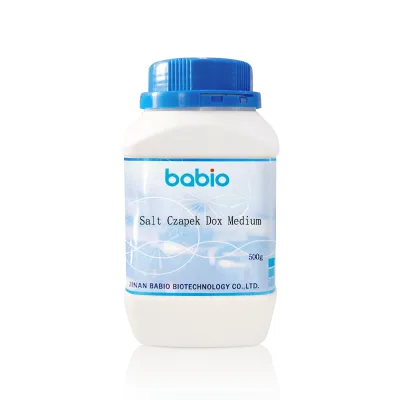
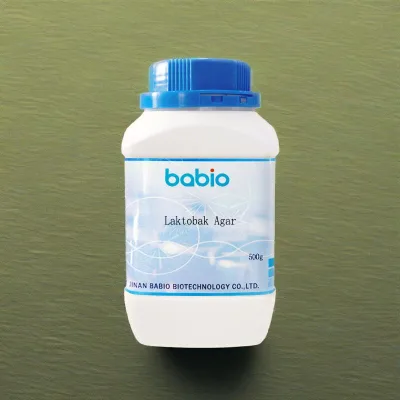
Babio 500g Czapek Dox Agar for Exclusive Bacterial Isolation and Culture
$10.00 - $100.00
MOQ: 10 pieces


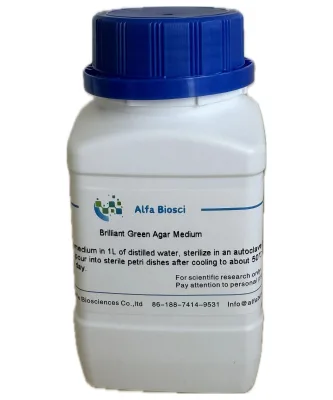

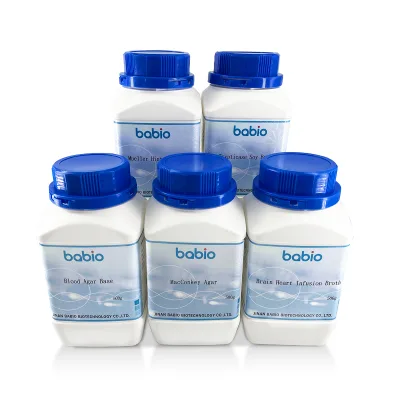


10kg High Quality Bacterial Agar Powder for Microbial Culture Media Coagulation
$1091.78 - $1455.71
MOQ: 20 carton



Comprehensive Sourcing Guide
Strategic Sourcing Guide for Microbiological Czapek Dox Agar
Understanding the Product Profile and Technical Specifications
Czapek Dox Agar represents a specialized formulation within the realm of biochemical reagents, primarily utilized for the cultivation of fungi and specific microorganisms. In the context of global procurement, this product is frequently identified by its classification as a "Biochemical Reagent" or "Laboratory Reagent." The physical state of the product is a critical observation for buyers; the supplied data consistently indicates that the material arrives as a "Dry Powder" or "Powder," distinguishing it from pre-poured liquid media. This dry form is essential for stability during transport and allows laboratories to adjust water volumes and pH levels according to specific experimental protocols.
The core identity of this medium is often linked to the model number 021030 or 028700 in various supplier catalogs, though these identifiers are not universal standards. The product is chemically characterized by its light yellow appearance, a trait observed in the raw powder form. Buyers must understand that while the base formulation is standard, the specific "Specific Usage" can vary significantly between suppliers. Some listings specify the medium for "Biological Purpose" and "Microbiological" applications, while others expand this to include "Tissue Medium Purpose" or "Microscopic Purpose." This variation suggests that while the core Czapek Dox formulation remains constant, the grade or additive profile might be tailored for distinct research needs, such as agricultural pathogen isolation versus general environmental protection studies.
The packaging specifications are equally vital for logistical planning. The standard unit often comes in "500g/bottle" or "250g/bottle" configurations. The internal packaging typically involves plastic bottles wrapped in plastic film to maintain moisture control, while the outer shipping unit is a carton with dimensions approximately 54.534.521CM for a 20-bottle set. This information is crucial for calculating freight costs and warehouse storage requirements. The "Feature" of light-proof packaging is frequently highlighted, indicating that the chemical composition is sensitive to photodegradation, necessitating opaque or UV-protective storage solutions even before the product is opened.
Compliance, Certification, and Origin Verification
When sourcing Czapek Dox Agar, the verification of origin and manufacturer credentials is a primary compliance step. The supplied data points to a significant concentration of supply originating from "Guangdong, China," with other notable production hubs including "Jinan, China" and "Hunan, China." The brand "HKM CHINA" or "HKM" appears frequently in the product metadata, suggesting a specific manufacturer or distributor network. However, buyers must exercise caution; the presence of a brand name does not automatically confer a specific certification status. The data indicates that "Customization" and "OEM" support are available, which implies that manufacturers are willing to adapt the product for specific client needs, but this does not guarantee that the base product meets international pharmacopoeia standards without explicit verification.
Buyers should not assume that all listed products carry specific certifications unless explicitly stated in the product documentation. The "Classification" of the product is listed as "Other" or "General Reagents" in some contexts, while others label it strictly as "Biochemical Reagents." This inconsistency in classification highlights the need for buyers to request a Certificate of Analysis (CoA) for every batch. The CoA should verify the purity, sterility, and specific nutrient composition against the theoretical formula for Czapek Dox Agar. Furthermore, the "Reagent grade" is identified as "Biochemical Reagent," but the absence of specific standard numbers (such as USP, EP, or ISO codes) in the provided facts means buyers must define their own acceptance criteria.
The "Warranty" period of "3 years" mentioned in the data is a notable attribute, yet it is ambiguous whether this refers to shelf life or a guarantee of performance. In the context of biochemical reagents, shelf life is typically determined by storage conditions rather than a fixed warranty period. Buyers should verify the expiration date on the specific batch received. Additionally, the "Storage" requirement is listed as "5-25℃," which is a standard range for many dry reagents. Adherence to this temperature range is critical for maintaining the viability of the medium. If the supply chain involves transit through regions with extreme temperatures, buyers must ensure that the logistics provider can maintain the cold chain or dry storage requirements to prevent degradation.
Cost Drivers and Supply Chain Economics
The pricing landscape for Czapek Dox Agar is highly variable, with observed listed prices ranging from $0.10 to $1,455.71 USD. This massive disparity is not indicative of quality differences alone but reflects variations in packaging size, purity grade, and the inclusion of value-added services. The lower end of the price spectrum likely corresponds to bulk raw powder or smaller unit sizes, while the higher end may reflect specialized packaging, certified batches, or smaller MOQs that incur higher handling fees. The "Selling Units" are often listed as "Single item," which can complicate price comparisons if the unit size is not clearly defined in the listing.
The "MOQ" (Minimum Order Quantity) ranges from 1 to 10,000 units, offering flexibility for both small research labs and large industrial purchasers. However, the "Supply Ability" is capped at "10000 kilograms per Month" for the primary suppliers. This capacity constraint is a critical factor for buyers planning large-scale procurement or long-term contracts. If a buyer requires more than the monthly supply capacity of a single supplier, they must diversify their sourcing strategy to include multiple vendors to ensure continuity of supply. The "Port of dispatch" is typically listed as "Guangzhou" or "Shenzhen," which are major logistics hubs in China. This location advantage generally ensures reliable shipping schedules, but buyers should still confirm the "Lead Time" directly with the supplier, as it is not explicitly defined in the provided data.
Customization is a significant cost driver. The availability of "OEM" support and "Customization" options allows buyers to tailor the medium to specific research needs, such as adjusting the pH or adding specific antibiotics. However, these customizations invariably increase the unit cost and may extend the lead time. Buyers must weigh the benefits of a tailored medium against the potential increase in cost and the complexity of the supply chain. Additionally, the "Packaging Details" involving plastic bottles and film-wrapped cartons add to the material costs, which are often passed on to the buyer. For large orders, negotiating a reduction in packaging costs or switching to bulk bags (if available) could be a viable strategy to reduce the overall cost per gram.
Typical Applications and Usage Scenarios
The versatility of Czapek Dox Agar is evident in its broad range of "Application" areas. The product is explicitly listed for use in "Agriculture," "Health," "Environmental Protection," and "Scientific Research." In the agricultural sector, this medium is frequently employed for the isolation and identification of plant pathogens, particularly fungi that affect crops. The "Specific Usage" for "Biological Purpose" and "Microbiological" applications underscores its role in fundamental research where the growth of specific fungal strains is required.
In the healthcare and diagnostic sectors, the medium serves as a tool for "Diagnostic Reagents" and "Analytical Reagents." Laboratories may use Czapek Dox Agar to screen for fungal contaminants in pharmaceutical products or to identify pathogenic fungi in clinical samples. The inclusion of "Teaching Reagents" in the usage list indicates that the product is also suitable for educational settings, where students learn about fungal morphology and culture techniques. The "Light proof packaging" feature is particularly relevant for these applications, as many fungal species are sensitive to light, and the medium's stability is crucial for accurate results.
The "Classification" as a "Biochemical Reagent" and "Fine Chemicals" further expands its utility to industrial applications. Industries such as food and beverage may use this medium to monitor for spoilage organisms, while the "Environmental Protection" application suggests its use in monitoring soil or water samples for fungal content. The "Specific Usage" for "Tissue Medium Purpose" indicates that the medium can support the growth of tissue cultures, although this is less common than its use in general microbiology. Buyers should carefully review the "Usage" specifications to ensure the product meets the specific requirements of their intended application, as the formulation may vary slightly between suppliers to optimize for different use cases.
Supplier Evaluation and Quality Control Protocols
Evaluating suppliers for Czapek Dox Agar requires a rigorous approach that goes beyond the basic product listing. The data indicates that "Manufacturer: Yes" is a common attribute, suggesting that many suppliers are direct producers rather than intermediaries. This distinction is important for quality control, as direct manufacturers often have better control over the production process and consistency of the product. However, buyers must verify this claim by requesting documentation that proves the supplier's manufacturing capabilities, such as ISO certifications or GMP (Good Manufacturing Practice) compliance, even if these are not explicitly listed in the product facts.
Quality control should be a central part of the procurement process. Buyers should establish a protocol for testing incoming batches of Czapek Dox Agar. This includes verifying the "Appearance" of the powder, which should be a consistent light yellow color without clumping or discoloration. The "Capacity" of the packaging, such as "500g/Bottle," should be verified to ensure that the product is not under-filled. Additionally, the "Standard" of the product, often listed as "250g/bottle" or "500g/bottle," should be confirmed against the order specifications. The "Content" being listed as "Standard" implies that the formulation follows a recognized recipe, but buyers should still request a CoA to confirm the exact composition.
The "Storage" requirement of "5-25℃" must be strictly monitored throughout the supply chain. Buyers should implement a quality control check upon receipt to ensure that the product has not been exposed to temperatures outside this range, which could compromise the integrity of the medium. The "Feature" of light-proof packaging should also be inspected to ensure that the protective layers are intact. If the packaging is damaged, the risk of photodegradation increases significantly. Finally, buyers should evaluate the supplier's responsiveness to "Customization" requests and their ability to provide technical support, as these factors can significantly impact the success of the procurement process.
Long-Term Procurement and Strategic Sourcing Considerations
Sourcing Czapek Dox Agar for long-term use requires a strategic approach that balances cost, quality, and supply stability. The "Supply Ability" of 10,000 kilograms per month is a critical metric for planning. Buyers with high-volume needs should consider establishing contracts with multiple suppliers to mitigate the risk of supply disruptions. The "Place of Origin" being primarily in China offers cost advantages, but buyers must also consider the geopolitical and logistical risks associated with international shipping. Diversifying the supplier base to include manufacturers from other regions, if available, could provide a safety net against supply chain bottlenecks.
The "Customization" and "OEM" capabilities of suppliers offer opportunities for long-term partnerships. By working closely with a manufacturer to develop a customized formulation, buyers can create a product that is uniquely suited to their specific research or industrial needs. This can lead to cost savings over time by reducing the need for secondary processing or adjustments in the laboratory. However, buyers must be prepared to invest in the development phase and ensure that the customized product meets all necessary quality standards.
The "Warranty" of 3 years, if applicable, provides a level of assurance for long-term procurement. However, buyers should clarify the terms of this warranty to understand what is covered, such as shelf life guarantees or performance guarantees. The "Packaging Details" and "Port of dispatch" information should be used to optimize logistics and reduce shipping costs. By consolidating orders and planning shipments around the "Supply Ability" of the manufacturer, buyers can achieve economies of scale and reduce the frequency of orders.
Finally, buyers should maintain a robust inventory management system to ensure that they always have a sufficient stock of Czapek Dox Agar. Given the "MOQ" range of 1 to 10,000, buyers can adjust their order quantities based on their consumption rates and storage capacity. Regular audits of the inventory and quality checks of stored products will help prevent waste and ensure that the medium remains viable for use. By adopting a proactive and strategic approach to procurement, buyers can secure a reliable supply of high-quality Czapek Dox Agar that meets their specific needs.
FAQs
What is the physical form of Microbiological Czapek Dox Agar?
The product arrives as a dry powder or light yellow powder. This form ensures stability during transport and allows laboratories to adjust water volumes and pH levels according to specific experimental protocols before use.
Which packaging sizes are available for Microbiological Czapek Dox Agar?
Standard configurations include 250g and 500g per bottle. These bottles are wrapped in plastic film and packed in cartons, typically containing 20 bottles per carton with dimensions of 54.5 by 34.5 by 21 centimeters.
Can buyers request customization for Microbiological Czapek Dox Agar?
Yes, customization and OEM support are available for this product. Buyers can tailor the medium to specific research needs, though these customizations may increase the unit cost and extend the lead time.
How is Microbiological Czapek Dox Agar stored to maintain quality?
The product requires storage between 5 and 25 degrees Celsius. Adherence to this temperature range is critical for maintaining viability, and light-proof packaging is often used to prevent photodegradation of the chemical composition.
What is the monthly supply capacity for Microbiological Czapek Dox Agar?
The supply ability is capped at 10,000 kilograms per month for primary suppliers. This capacity constraint is a critical factor for buyers planning large-scale procurement or long-term contracts requiring consistent volume.
Which applications support the use of Microbiological Czapek Dox Agar?
It is used in agriculture, health, environmental protection, and scientific research. Specific applications include isolating plant pathogens, screening for fungal contaminants, and serving as teaching reagents for educational settings.