Source Microcurrent Facial Toning Device with RF for lifting, tightening, and rejuvenation
Compare 30 listings of Microcurrent Facial Toning Device with RF featuring RF, EMS, and photon technologies. Buyers can evaluate specifications, prices, and MOQs for face lift, skin tightening, and wrinkle removal applications from verified suppliers.
Key considerations
Products List
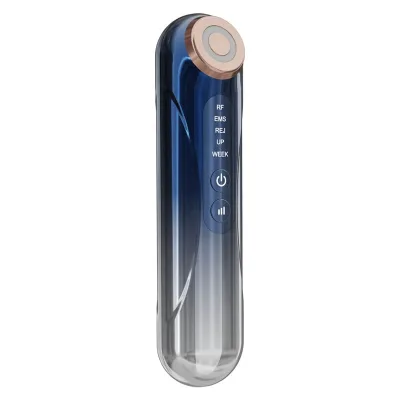
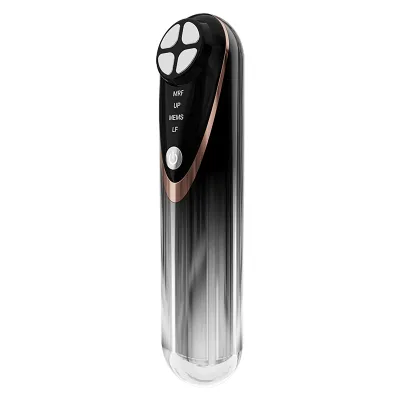
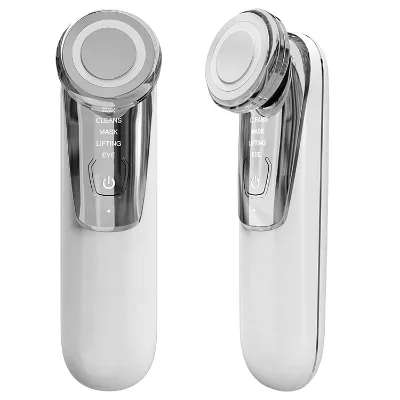
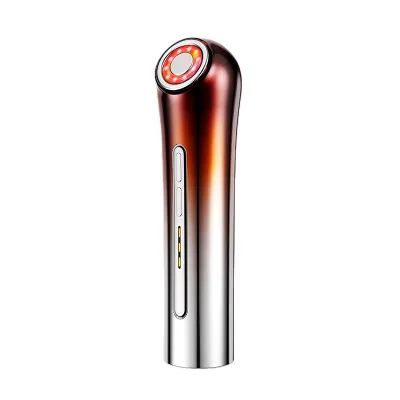
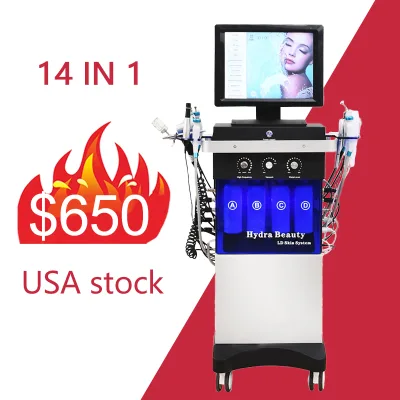
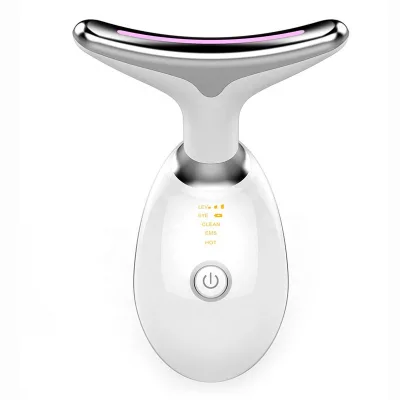
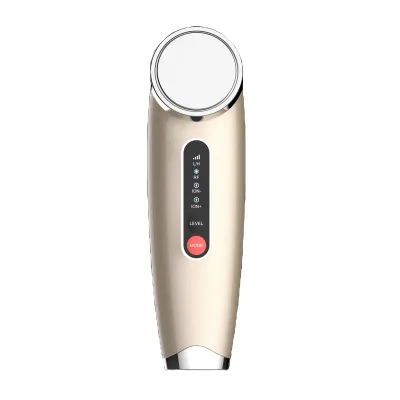
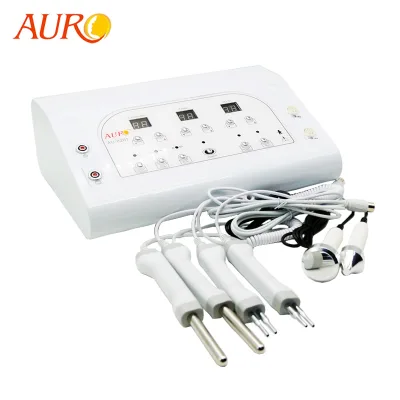
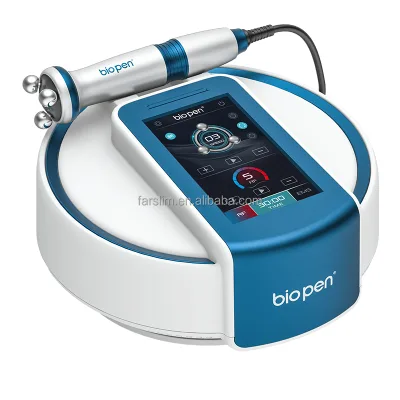
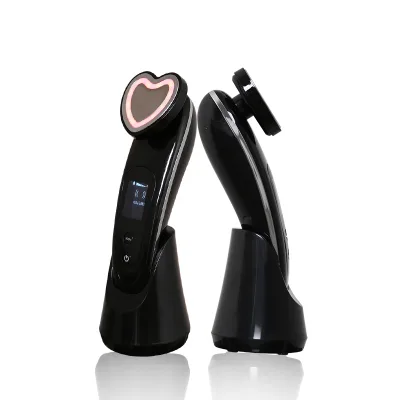
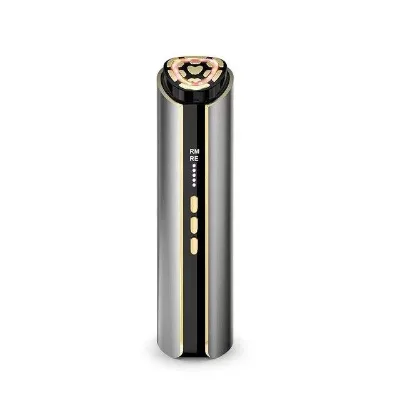
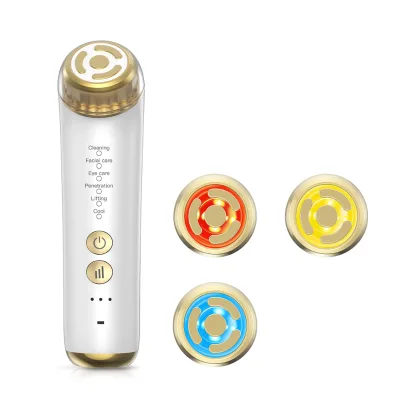


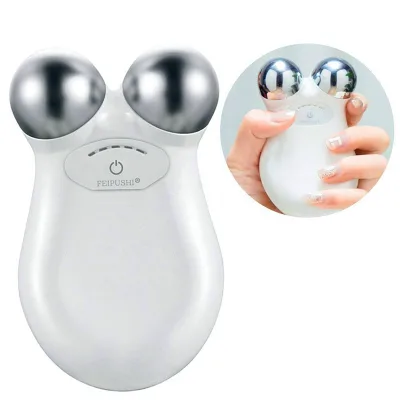


Noninvasive Microcurrent Facelifting RF Fractional Microneedling Device
$2400.00 - $3000.00
MOQ: 1 Pieces

Effective Wrinkle Removal Microneedling RF Face Lifting Skin Tightening Beauty Machine
$1800.00 - $3500.00
MOQ: 1 Pieces


Face Lifting Beauty Device RF Machine Skin Rejuvenation Portable RF Skin Whitening
$1.00 - $35.00
MOQ: 100 Pieces
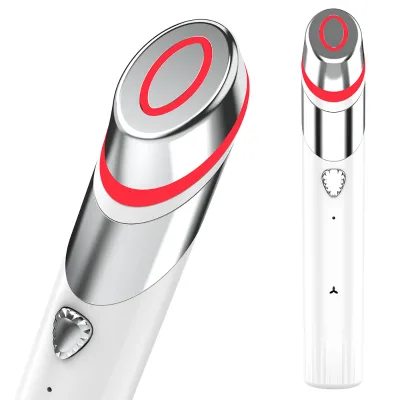


Professional Microneedling RF Device for Skin Tightening and Scar Reduction
$1580.00 - $1780.00
MOQ: 1 Pieces
Comprehensive Sourcing Guide
Strategic Sourcing Guide for Microcurrent Facial Toning Devices with RF Technology
Understanding the Core Technology and Functional Capabilities
When sourcing a Microcurrent Facial Toning Device with RF (Radio Frequency) technology, buyers must first distinguish between the specific mechanisms that drive results. The observed market data indicates that these devices often integrate multiple modalities rather than relying on a single technology. The most common configuration observed involves a combination of RF, Photon, Vibration, and Ion technologies. This multi-modal approach is designed to address a comprehensive range of dermatological concerns simultaneously. The primary function of the RF component is skin tightening and lifting, while the microcurrent or EMS (Electrical Muscle Stimulation) aspect targets muscle toning and contouring.
The functional attributes observed in the current product landscape are extensive. Buyers should expect devices to claim capabilities such as Anti-Puffiness, Pore Shrinking, Face Lift, Pigment Removal, Skin Tightening, Skin Rejuvenation, and Wrinkle Remover. Advanced models in this category also frequently include features for Blood Vessels Removal, Dark Circles, Acne Treatment, and Pigmentation Correctors. It is critical to understand that while these attributes are listed as product features, they represent the intended design goals of the technology rather than guaranteed clinical outcomes for every unit. The technology stack typically includes "RF+Photon+Vibration+Ion" or "Ultrasonic Face Lifting Machine" combined with "EMS Ultra-micro Current."
The target application areas are equally diverse, covering the Lips, Eyes, Neck/Throat, Face, and Nose. This versatility suggests that the devices are designed for home use or professional spa settings where multi-zone treatment is required. The physical form factor is consistently described as "HAND HELD," indicating portability and ease of use. However, the power supply mode is predominantly "USB recharge," which necessitates a specific battery capacity consideration. The observed battery capacities in the market range from 800mAH to 2000mAH, a significant variance that directly impacts the device's operational longevity between charges.
Technical Specifications and Performance Parameters
Evaluating the technical specifications is essential for ensuring the device meets operational needs. The physical construction of these devices typically utilizes a combination of ABS plastic and Stainless Steel. This material pairing offers durability while maintaining a sleek aesthetic, often seen in colors like White+Pink, Black and blue, or White and Green. The packaging dimensions also vary, with observed single package sizes ranging from 15X25X10 cm to 18X30X12 cm. The gross weight of the units generally falls between 1.000 kg and 1.500 kg, which is a crucial factor for logistics and shipping cost calculations.
One of the most critical technical differentiators is the battery capacity. The market data reveals a distinct split between 800mAH and 2000mAH capacities. A higher capacity battery, such as the 2000mAH unit, suggests longer usage time per charge, which is vital for professional settings where continuous operation is required. Conversely, the 800mAH unit may be sufficient for occasional home use. The power supply mode is universally listed as USB recharge, utilizing standard USB plugs. This standardization simplifies the procurement of charging accessories but requires verification of the specific cable type and voltage requirements during the sampling phase.
The model numbers observed, such as LFK-FB-010-01, LFK-FB-010-02, and DR-01/03, indicate that manufacturers often have distinct SKUs for different feature sets. For instance, one model might emphasize "RF Skin Tightening" while another highlights "EMS Ultra-micro Current." Buyers must carefully map the model number to the specific function list to ensure the device possesses the exact combination of RF and microcurrent capabilities required. The "Single package size" and "Single gross weight" are also vital for calculating shipping volumes, especially when dealing with bulk orders where the "Supply Ability" can range from 2000 pieces per week to 10000 pieces per week.
Compliance, Certification, and Regulatory Standards
In the realm of beauty and medical devices, compliance is non-negotiable. The observed product data explicitly lists "CE" certification as a high-confidence fact. This indicates that the devices meet the essential health, safety, and environmental protection requirements for sale within the European Economic Area. Buyers should verify that the CE marking is accompanied by a valid Declaration of Conformity and that the specific model number matches the documentation provided. While "RoHS" and "ISO13485" are mentioned in the background context as potential standards, they should not be assumed as guaranteed attributes without explicit confirmation from the supplier for the specific batch being ordered.
The regulatory landscape for devices claiming "Face Lift," "Skin Tightening," and "Pigment Removal" is strict. In many jurisdictions, devices that penetrate the skin or use energy-based technologies like RF and EMS may be classified as medical devices or Class I/II devices. The "1 Year" warranty observed in the product data suggests a manufacturer confidence in the device's durability, but it does not replace the need for regulatory compliance. Buyers must ensure that the supplier can provide the necessary technical files, risk assessments, and test reports required for their local market entry. The "Place of Origin" is listed as Guangdong, China, a major manufacturing hub, but the final compliance responsibility lies with the importer to ensure the product meets local standards, such as FDA clearance in the United States or CE marking in Europe.
It is imperative to note that the presence of a certification label on a product page does not guarantee that every unit in a shipment is certified. Buyers should request a copy of the certificate and verify its validity with the issuing body. The "Quality: High Quality" attribute listed in the data is a subjective claim and should be substantiated by third-party test results or factory audit reports rather than accepted as a factual guarantee.
Cost Drivers and Supply Chain Dynamics
The pricing for microcurrent facial toning devices with RF technology varies significantly, with an observed range from $1 to $3500 USD. This wide disparity is driven by several factors, including the complexity of the technology, the quality of materials, the brand reputation, and the level of customization. The "MOQ" (Minimum Order Quantity) also plays a pivotal role in the unit cost. The observed MOQ range spans from 1 piece to 500 pieces, with specific listings showing an MOQ of 100 pieces for certain models.
The "Supply Ability" of suppliers is another critical cost driver. Suppliers with a capacity of 10,000 pieces per week can often offer more competitive pricing for large orders compared to those with a capacity of 2,000 pieces per week. However, higher supply capacity does not automatically equate to better quality or faster lead times. Buyers must balance the unit price against the reliability of the supply chain. The "OEM&ODM: Warmly Welcomed" attribute indicates that many manufacturers are open to branding and customization, which can add to the initial cost but offers long-term value through brand differentiation.
Shipping costs are influenced by the "Single gross weight" and "Single package size." Heavier units with larger dimensions will incur higher freight charges, particularly for air freight. The "Port of dispatch" is consistently listed as Shenzhen, a major logistics hub, which generally ensures efficient shipping but requires buyers to factor in local customs duties and taxes. The "Color" options, such as White+Pink or Black and blue, may also affect pricing if they require specialized tooling or limited-run production runs.
Supplier Evaluation and Vendor Selection Criteria
Selecting the right supplier requires a rigorous evaluation process that goes beyond the product listing. Buyers should prioritize suppliers who demonstrate transparency in their "Place of Origin" and "Model Number" specifications. The observation of specific model numbers like LFK-FB-010-01 suggests a structured product line, which is a positive indicator of a mature manufacturing operation. Suppliers that offer "OEM&ODM" services should be evaluated on their ability to handle design changes, packaging customization, and branding requirements without compromising the core technology.
The "Brand Name" is another factor to consider. While some products are listed under names like "Carlle" or "HM," others may be unbranded or generic. For buyers seeking to build a private label, the ability to rebrand the device is essential. However, buyers must be cautious of suppliers who use brand names inconsistently or who claim to be the original manufacturer when they are merely a trading company. Verification of the factory's physical location and production capacity is necessary to ensure the "Supply Ability" claims are accurate.
The "Warranty" period of 1 Year is a standard offering, but buyers should clarify the terms of the warranty, including what is covered (e.g., battery failure, circuit board issues) and the process for claims. A supplier that offers a clear warranty policy is more likely to stand behind their product quality. Additionally, the "Packaging Details," such as the "gift box for RF facial device," should be evaluated for their durability and marketing appeal. High-quality packaging can enhance the perceived value of the product and reduce damage during transit.
Quality Control and Long-Term Procurement Considerations
Implementing a robust quality control (QC) strategy is vital for mitigating risks in the procurement of electronic beauty devices. Given the integration of RF, microcurrent, and battery technologies, there are multiple points of failure that must be monitored. Buyers should insist on pre-shipment inspections that test the battery capacity, charging functionality, and the output intensity of the RF and microcurrent components. The observed variance in battery capacity (800mAH vs. 2000mAH) highlights the need for specific testing protocols to ensure the device meets the advertised specifications.
Long-term procurement considerations include the availability of spare parts and the longevity of the supply chain. Devices with "ABS+Stainless Steel" construction are generally durable, but the electronic components may degrade over time. Buyers should inquire about the availability of replacement batteries, charging cables, and applicator heads. The "1 Year" warranty should be complemented by a clear plan for post-warranty support. Furthermore, buyers should assess the supplier's ability to scale production in response to market demand, given the "Supply Ability" ranges observed.
Sustainability and environmental compliance are also becoming increasingly important. While "RoHS" is mentioned in the background, buyers should proactively ask about the environmental impact of the materials used, particularly the battery disposal and the recyclability of the ABS and stainless steel components. The "Waterproof: NO" attribute indicates that these devices are not suitable for use in wet environments, which is a safety consideration that must be communicated to end-users.
Final Procurement Strategy and Risk Mitigation
To successfully source microcurrent facial toning devices with RF technology, buyers must adopt a strategic approach that balances technical requirements, compliance, and cost. The first step is to define the specific functional needs, such as the desired combination of RF, Photon, and EMS technologies, and the target application areas. Next, buyers should verify the technical specifications, including battery capacity, material composition, and packaging dimensions, against the supplier's claims.
Compliance checks are paramount. Buyers must ensure that the "CE" certification is valid and that the device meets all local regulatory requirements. The "Place of Origin" and "Port of Dispatch" should be confirmed to ensure efficient logistics. Cost analysis should consider the "MOQ," "Supply Ability," and shipping costs to determine the total landed cost. Supplier evaluation should focus on transparency, warranty terms, and the ability to provide OEM/ODM services.
Finally, buyers should implement a rigorous quality control process to ensure that the devices meet the expected performance standards. By carefully evaluating the "Model Number," "Function," and "Material" attributes, buyers can make informed decisions that minimize risk and maximize the value of their procurement. The observed data provides a solid foundation for understanding the market, but buyers must remain vigilant in verifying claims and ensuring that the final product aligns with their specific business needs.
FAQs
What certifications do these devices have?
The devices carry CE certification as a confirmed fact. Buyers should verify that the specific model number matches the documentation provided by the supplier before ordering.
How is the battery capacity defined?
Battery capacities observed in the market range from 800mAH to 2000mAH. This variance directly impacts operational longevity, with higher capacity units suitable for continuous professional use.
Which technologies are integrated into the device?
The technology stack typically combines RF, Photon, Vibration, and Ion modalities. Some models also include EMS Ultra-micro Current for enhanced muscle toning and skin lifting effects.
Can I order with a low minimum quantity?
Minimum Order Quantities range from 1 piece to 500 pieces depending on the supplier. Specific listings show an MOQ of 100 pieces for certain models, allowing flexible procurement options.
What is the warranty period for these units?
A 1-year warranty is observed in the product data for these devices. This suggests manufacturer confidence in durability, though buyers must clarify specific coverage terms for battery or circuit issues.
Where are these devices manufactured and shipped from?
The place of origin is Guangdong, China, with Shenzhen listed as the port of dispatch. Buyers must ensure the product meets local regulatory standards in their destination market.
What materials are used in the construction?
Devices are constructed using ABS plastic and Stainless Steel for durability and a sleek aesthetic. This material pairing supports the handheld form factor required for versatile facial treatment applications.