Source Mid Drive Electric Road Bike for Commuting, Delivery, and Tours
Explore 30 verified listings for the Mid Drive Electric Road Bike, comparing key specs like battery voltage, wattage, and frame material. Buyers can evaluate options ranging from 200W to 500W brushless motors with aluminum alloy frames and various wheel sizes.
Key considerations
Products List


$369.00 - $419.00
MOQ: 2 Pieces
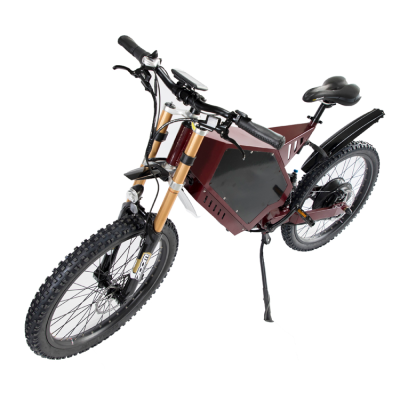
Comprehensive Sourcing Guide
Strategic Sourcing Guide for Mid-Drive Electric Road Bikes
Understanding the Mid-Drive Architecture and Core Specifications
When sourcing a mid-drive electric road bike, the primary distinction lies in the motor placement and power delivery mechanism. Unlike hub-drive systems where the motor is integrated into the wheel, a mid-drive system positions the motor near the bike's bottom bracket, leveraging the bicycle's existing gears to optimize torque and efficiency. This architecture is particularly advantageous for road applications where variable terrain and speed are common. Based on current market observations, the power output for these units typically ranges from 200W to 250W for standard road configurations, though high-performance variants may exceed 500W. The motor technology observed in the supply chain is predominantly brushless, which offers higher efficiency and reduced maintenance requirements compared to brushed alternatives.
The electrical architecture is another critical specification to verify. The standard battery voltage observed in the majority of compliant units is 36V, with some high-capacity models utilizing 48V systems. Battery capacity varies significantly, with observed configurations ranging from 5Ah to 13Ah. For instance, specific models feature 36V/5Ah or 36V/10Ah lithium battery packs, while others utilize Samsung cells with capacities around 10.4Ah. The energy density and cell quality directly influence the range per power, which typically falls between 31km and 60km on a single charge. Buyers must note that the "Running Distance" or range is contingent on rider weight, terrain, and assist level, making the 60km figure a maximum potential rather than a guaranteed baseline for all conditions.
The frame material is a decisive factor for road bikes, where weight and rigidity are paramount. The dominant material observed in the current supply is Aluminum Alloy, which provides an optimal balance of strength and low weight. This material choice is consistent across various models, including those designated with specific model codes like R7001 or M-series variants. The wheel size for road-oriented mid-drive bikes is frequently observed in the 26-inch to 28-inch range, with 26-inch and 27.5-inch sizes being common in specific product lines. The frame design often includes suspension forks to absorb road vibrations, enhancing rider comfort over long distances.
Compliance, Certification, and Regulatory Standards
Navigating the regulatory landscape is essential for importing electric bicycles, as standards vary by destination market. The supply chain data indicates that many manufacturers adhere to the CE certification standard, which is a mandatory requirement for selling products within the European Economic Area. The presence of the CE mark suggests that the product meets EU safety, health, and environmental protection requirements. Additionally, some products in the dataset reference the ENCE certification, which may be relevant for specific regional compliance or battery safety standards.
Buyers must exercise caution regarding electrical safety standards. While the provided data mentions UL 2849 and UL 2271, these are listed as low-confidence background information and should not be assumed as guaranteed certifications for every listed product. UL 2849 specifically addresses electric bicycles, while UL 2271 covers electric skateboards and similar devices. When sourcing, buyers should explicitly request valid, current test reports from accredited laboratories to confirm that the specific unit being purchased complies with the safety standards of the target market. Relying on general supplier claims without verified documentation can lead to customs seizures or liability issues.
The "Original" location for a significant portion of these products is Guangzhou, a major manufacturing hub in China. This location often implies a specific supply chain ecosystem, but it does not guarantee the origin of all components, such as the battery cells or the motor controller. Buyers should verify the country of origin for critical components, especially the battery, as shipping regulations for lithium batteries are strict. The "Export Thick Carton" packing standard suggests that the packaging is designed to withstand international logistics, but the specific dimensions of the packing size vary, ranging from 1482380 cm to 1802586 cm, which impacts freight cost calculations.
Cost Drivers and Pricing Dynamics
The pricing structure for mid-drive electric road bikes is influenced by several key variables, including motor power, battery capacity, and component quality. The observed price range in the market spans from approximately $90.6 to $1,400 USD. This wide disparity reflects the difference between entry-level models with 200W motors and 36V/5Ah batteries, and premium models featuring 500W+ motors, 48V/13Ah batteries, and high-end components like Samsung cells. The lower end of the price spectrum typically corresponds to units with standard aluminum frames and basic braking systems, while the higher end includes advanced features such as multiple sensors (e.g., 12 PCS sensors for precise torque and cadence detection) and enhanced suspension systems.
The Minimum Order Quantity (MOQ) is another significant cost driver, with observed ranges from 1 unit to 200 units. For buyers seeking to test the market or fulfill small-scale orders, suppliers offering an MOQ of 1 are available, though the unit price may be higher. Conversely, bulk purchasing with an MOQ closer to 200 units can significantly reduce the per-unit cost, making it a viable strategy for established distributors. Customization is listed as an available attribute, which can impact the final price. Options such as color customization, specific battery configurations, or tailored packing requirements may incur additional setup fees or higher unit costs.
Charging time is a functional specification that indirectly affects the total cost of ownership. Observed charging times range from 6 to 7 hours, which is standard for the battery capacities mentioned. Faster charging capabilities, if available, often come at a premium. Additionally, the "Pedal" type, noted as "Hf" in some listings, and the "Saddle" material, specified as PU (Polyurethane), are factors that influence the perceived value and price point. Buyers should evaluate whether these specific material choices align with their target customer base's expectations for comfort and durability.
Typical Applications and Performance Expectations
Mid-drive electric road bikes are designed for a variety of applications, ranging from urban commuting to recreational touring. The observed specifications, such as a maximum speed of 20-40 km/h and a range of 31-60 km, make these bikes suitable for daily commutes within city limits where speed limits and battery range are critical factors. The mid-drive configuration excels in hilly terrain, as the motor utilizes the bike's gears to maintain efficiency, a feature that is less effective in hub-drive systems. The presence of front and rear disc brakes (Dis Brake) ensures reliable stopping power, which is essential for road safety, particularly when carrying the additional weight of the motor and battery.
The "Folded" attribute is listed as "Unfolded" in the provided data, suggesting that the specific models observed are rigid, non-folding frames. This is typical for road bikes where structural rigidity is prioritized over portability. However, the "Customization" attribute indicates that buyers may have the option to request folding mechanisms or other structural modifications. The "Sensors" count, observed at 12 PCS, implies a sophisticated control system that likely monitors speed, cadence, torque, and battery status, providing a smooth and responsive riding experience. This level of sensor integration is crucial for mid-drive systems to function correctly, as they rely on real-time data to adjust power output.
The "Power" specification of 250W Brushless is a common standard for road bikes intended for markets with strict power limits, such as the EU, where 250W is the legal limit for pedal-assist systems without requiring a license. However, models with 350W or 500W Brushless motors are also available, catering to markets with different regulations or to riders seeking higher performance. The "Running Distance" of 60km represents the upper limit of the range, achievable under ideal conditions with a fully charged battery and moderate assist levels. Buyers should manage customer expectations by clarifying that real-world range will likely be lower due to factors like wind resistance, rider weight, and terrain.
Supplier Evaluation and Quality Control Protocols
Evaluating a supplier for mid-drive electric road bikes requires a rigorous assessment of their technical capabilities and quality control processes. The presence of specific model numbers, such as R7001, M1626MD, M1926MD, M220327MD, and C1226MD, indicates that the supplier has a structured product line. Buyers should request detailed technical datasheets for each model to verify the accuracy of the specifications, including the battery voltage, wattage, and frame material. The "Original" location of Guangzhou suggests a concentration of manufacturing expertise, but it does not guarantee quality. Therefore, buyers should conduct factory audits or request third-party inspection reports to ensure that the production processes meet international standards.
Quality control should focus on critical components such as the motor, battery, and frame. The motor should be tested for efficiency and durability, ensuring that the brushless design operates smoothly without excessive noise or heat generation. The battery, whether it is a standard lithium pack or one utilizing Samsung cells, must undergo rigorous safety testing to prevent thermal runaway. The frame material, Aluminum Alloy, should be inspected for weld quality and structural integrity, particularly at stress points like the bottom bracket and dropouts. The braking system, consisting of front and rear disc brakes, must be tested for stopping power and modulation.
The "Packing Size" variations, ranging from 1482380 cm to 1802586 cm, highlight the importance of verifying packaging standards. The "Export Thick Carton" specification suggests that the supplier is aware of international shipping requirements, but buyers should still inspect the packaging for damage upon receipt. The "Color" attribute being "Optional" indicates that the supplier offers customization, but buyers should verify the color matching and finish quality to ensure consistency across the batch. Finally, the "Charging Time" of 6-7 hours should be verified through testing to ensure that the battery management system (BMS) functions correctly and does not overcharge or undercharge the cells.
Long-Term Procurement and After-Sales Considerations
Long-term procurement success depends on establishing a reliable supply chain that can support after-sales service and spare parts availability. The "Customization" attribute suggests that the supplier is flexible, but buyers should ensure that any customizations do not compromise the availability of standard replacement parts. The "Battery Type" being Lithium Battery is a critical consideration, as these batteries have a finite lifespan and require proper disposal or recycling. Buyers should inquire about the supplier's policy on battery warranty and replacement, as well as their ability to provide compatible chargers and batteries for future orders.
The "Lead Time" is not explicitly provided in the data, but the "MOQ" range of 1-200 units suggests that the supplier can accommodate both small and large orders. However, buyers should confirm the actual production lead time, especially for customized orders, to ensure that inventory levels are maintained. The "Standard" of CE certification is a baseline requirement, but buyers should also consider the long-term regulatory changes that may affect the importation of electric vehicles. Staying informed about updates to standards such as UL 2849 or local regulations will help mitigate compliance risks.
Finally, the "Sensors" and "Motor" technology should be evaluated for future-proofing. As technology evolves, the compatibility of existing components with new firmware or software updates becomes increasingly important. Buyers should ensure that the supplier provides technical support for troubleshooting and firmware updates. The "Frame" material and "Wheel Size" are relatively static attributes, but the "Power" and "Battery" specifications may need to be upgraded to meet changing performance expectations. By maintaining a strong relationship with the supplier and conducting regular quality audits, buyers can ensure a steady supply of high-quality mid-drive electric road bikes that meet the evolving needs of their customers.
FAQs
What certifications do mid drive electric road bikes have?
Many units carry CE certification for European safety compliance, while some also list ENCE standards. Buyers must verify current test reports from accredited labs rather than relying on general claims, as UL standards mentioned are low-confidence background data.
How fast can these mid drive electric road bikes go?
The maximum speed typically ranges from 20 to 40 km/h depending on the specific model and assist level. This speed is influenced by the motor wattage, which varies between 200W and 500W across different configurations in the supply chain.
Which battery voltage is standard for these electric road bikes?
The standard battery voltage observed is 36V, though some high-capacity models utilize 48V systems. Capacities vary from 5Ah to 13Ah, with specific configurations including 36V/5Ah or Samsung cell packs around 10.4Ah for extended range.
Can I customize the color and frame of these bikes?
Customization is available for attributes such as color, allowing buyers to select specific finishes. While the frame material is predominantly Aluminum Alloy, structural modifications like folding mechanisms may be requested through the supplier's customization options.
What is the typical range per power for these bikes?
The range per power typically falls between 31 and 60 km on a single charge. This maximum distance is contingent on rider weight, terrain, and assist level, so real-world performance may be lower than the stated 60km figure.
How long does it take to charge the battery?
The observed charging time ranges from 6 to 7 hours for the standard lithium battery packs. This duration is standard for the capacities mentioned, though faster charging capabilities may be available at a premium cost.
What is the minimum order quantity for these electric bikes?
The minimum order quantity ranges from 1 unit to 200 units depending on the supplier. Lower MOQs allow for market testing but may have higher unit prices, while bulk orders near 200 units can significantly reduce the per-unit cost.