Source Sports Socks for running hiking and climbing
Find 30 verified listings for Sports Socks designed for running, hiking, and climbing. Buyers can compare features like breathability, anti-slip properties, and material composition from multiple suppliers in China.
Key considerations
Products List


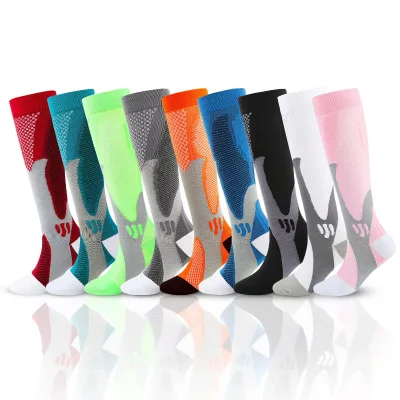
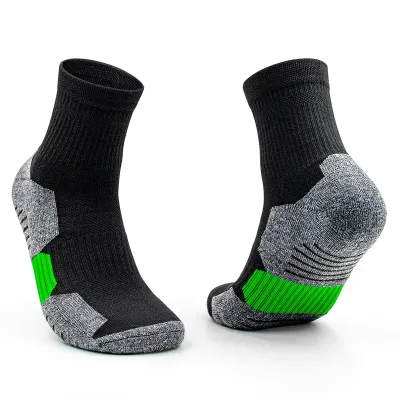


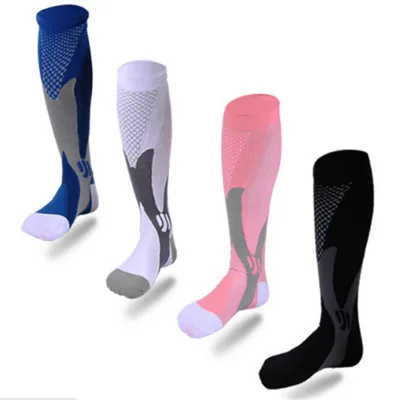
Comprehensive Sourcing Guide
Strategic Sourcing Guide for Sports Socks
Navigating the global market for Sports Socks requires a disciplined approach that balances technical performance with supply chain reliability. The category encompasses a diverse range of products, from ankle-length athletic wear to compression stockings designed for recovery. Buyers must distinguish between generic fashion socks and engineered performance gear, as the specifications, materials, and intended applications vary significantly. This guide outlines the critical factors for sourcing Sports Socks, focusing on verified attributes, compliance verification, and cost management strategies derived from current market data.
Technical Specifications and Material Composition
The foundation of any successful procurement strategy lies in understanding the precise technical specifications of the product. In the Sports Socks category, the product model and style are primary differentiators. Market data indicates a wide variety of models, including specific identifiers such as BAT-B07, BAT-B05, bat-08, and XJ-1, alongside generic descriptors like "ankle 1-5" or "Functional Sports Socks." These models often dictate the intended use case, ranging from general athletic activities to specialized running, hiking, and climbing applications.
Material composition is equally critical for performance. The observed supply chain data highlights two primary material profiles: a blend of Polyester and Cotton, and pure Polyester variants. The Polyester and Cotton blend is often selected for its balance of durability and comfort, while pure Polyester options may offer enhanced moisture-wicking capabilities essential for high-intensity activities. Buyers should verify the exact material ratio, as this directly impacts breathability, thermal regulation, and durability.
Height and style attributes further refine the selection process. The market offers products categorized as Ankle, Middle, Tall, and Knee-high styles. Additionally, specific functional types such as "Stockings" and "Compression sports Unisex socks" are available. For instance, some listings specify a pressure function of 20-30mm Hg, indicating a medical or recovery-grade compression sock rather than a standard athletic sock. Thickness is another variable, with "Normal" thickness being a common specification, though buyers must confirm if this aligns with the intended seasonality, whether for Spring/Autumn, Summer, or Winter conditions.
Compliance, Certification, and Quality Verification
When sourcing Sports Socks, verifying compliance and certification status is paramount, yet it requires careful scrutiny of available data. While general industry standards such as OEKO-TEX and ISO 9001 are often cited in broader textile contexts, specific certification claims for individual products in the current dataset are not explicitly confirmed. Therefore, buyers should treat these certifications as verification targets rather than guaranteed attributes.
The procurement process must include a rigorous request for documentation. Buyers should ask suppliers to provide valid certificates for the specific production batches. If a supplier claims compliance with OEKO-TEX, the buyer must request the certificate number and verify it against the issuing body's database. Similarly, for ISO 9001, the scope of the certification must cover the specific manufacturing processes for the socks in question. Without explicit confirmation in the product listing, these standards should be considered requirements for the supplier to meet during the audit phase, not inherent features of the listed items.
Quality control should also focus on functional attributes listed in the product data. Features such as "Anti-Slip," "Anti-Bacterial," "Sweat-absorbent," and "Thermal" properties are frequently advertised. However, these are observations rather than guaranteed test results. A robust quality assurance plan involves requesting third-party test reports that validate these claims. For example, if "Anti-Bacterial" is a key selling point, the supplier must provide data from a recognized laboratory demonstrating the efficacy of the treatment against relevant bacteria strains. Similarly, claims regarding "Breathable" or "Soft" textures should be backed by physical testing or detailed material specifications that explain the mechanism of action.
Cost Drivers and Pricing Structures
Understanding the cost drivers for Sports Socks is essential for budgeting and negotiation. The observed price range in the market spans from $0.28 to $3.00 USD per unit. This significant variance is driven by several factors, including material quality, production complexity, and order volume. Lower-priced items typically correspond to basic cotton-polyester blends with standard designs, while higher-priced items may involve advanced compression technologies, specialized branding, or premium material treatments.
Order volume plays a decisive role in unit pricing. The Minimum Order Quantity (MOQ) observed ranges from 0 to 6,000 units. This wide range suggests that some suppliers are willing to accommodate small trial orders, while others require substantial volume commitments to achieve their lowest price points. Buyers must align their MOQ expectations with their inventory needs and cash flow. Small order acceptance is a viable strategy for testing new suppliers or launching new product lines, but it often comes with a higher per-unit cost. Conversely, negotiating for larger volumes can significantly reduce the unit price, potentially moving the cost toward the lower end of the observed range.
Packaging and logistics also influence the final landed cost. Specifications indicate a packing standard of 12 pairs per OPP bag, with a bulk carton capacity of 600 pairs per carton. The carton volume is noted as 0.2 CBM, and the single gross weight is approximately 0.300 kg. These figures are crucial for calculating freight costs and optimizing container utilization. Buyers should ensure that the packaging dimensions and weight align with their logistics partners to avoid unexpected surcharges. Additionally, the option for customized logos and colors adds a layer of cost that must be factored into the total budget.
Typical Applications and Target Demographics
Sports Socks are designed for a broad spectrum of applications, and identifying the correct target demographic is key to successful sourcing. The product data reveals a diverse range of age groups, including Babies, Children, and Adults. Gender specifications vary as well, with options for "Baby Socks," "Unisex," and specific athletic models. This diversity means that a single supplier may offer a wide catalog, but buyers must ensure the specific SKU matches their target market.
The application scenarios are equally varied. Listings mention specific uses such as "Winter Running," "Hiking," "Climbing," and "Walking." These applications dictate the necessary performance features. For instance, socks intended for winter running may require thermal properties and thicker construction, while hiking socks might prioritize durability and anti-slip features. The "All Seasons" and "Universal" designations suggest versatile products suitable for general athletic use, but buyers should verify if these claims hold up under specific environmental conditions.
Seasonality is another critical factor. The market data includes products categorized for Spring/Autumn, Summer, and Winter. Some listings even specify "Spring/ Autumn, Summer, Winter" as a combined attribute, implying a year-round solution. However, the physical properties of the sock, such as thickness and material breathability, must align with the intended season. For example, a "Normal" thickness sock might be suitable for Spring/Autumn but insufficient for Winter activities. Buyers should cross-reference the seasonal claims with the material and thickness specifications to ensure the product meets the performance requirements of the intended environment.
Supplier Evaluation and Sourcing Strategy
Evaluating suppliers for Sports Socks requires a multi-faceted approach that goes beyond price comparison. The origin of the products is a significant factor, with the majority of the observed data indicating production in China, specifically in regions like Hebei. While this location offers competitive manufacturing costs, buyers must assess the supplier's ability to maintain consistent quality and adhere to delivery schedules.
Supplier reliability can be gauged by their flexibility and customization capabilities. The data shows that "Customization" is available, and "Customized Logo Accept" is a common feature. This indicates that many suppliers are open to OEM and ODM arrangements. Buyers should evaluate the supplier's responsiveness to customization requests, including the lead time for sample production and the minimum quantities required for custom orders. The ability to accept small orders is also a positive indicator of a supplier's willingness to build relationships with new clients.
When evaluating suppliers, buyers should also consider the clarity of their product specifications. A supplier that provides detailed information on model numbers, sizes (S, M, L, XL, One Size), and material composition is more likely to be professional and reliable. Conversely, vague descriptions or missing technical data should raise red flags. Buyers should request detailed product sheets and compare them against the observed specifications to ensure accuracy.
Quality Control and Long-Term Procurement Considerations
Establishing a robust quality control (QC) process is essential for mitigating risks in the Sports Socks market. Given the wide range of features and materials, a standardized QC checklist should be developed. This checklist must include checks for material composition, stitching quality, and the integrity of functional features like anti-slip grips or compression zones. Visual inspections should be conducted on a random sample basis to ensure consistency across the batch.
Long-term procurement considerations involve building a sustainable supply chain. Buyers should aim to establish long-term contracts with suppliers who demonstrate reliability and quality consistency. This approach can lead to better pricing, priority production scheduling, and improved communication. Additionally, buyers should consider the environmental impact of their sourcing decisions. While specific sustainability certifications are not explicitly confirmed in the data, buyers can inquire about the use of recycled materials or eco-friendly dyeing processes as part of their supplier evaluation.
The packaging and labeling requirements should also be standardized to ensure brand consistency. The observed packing of 12 pairs per OPP bag is a common standard, but buyers may require custom packaging to align with their brand identity. Ensuring that the packaging protects the product during transit and meets any regulatory labeling requirements in the destination market is crucial.
Comparison of Product Attributes
To assist in decision-making, the following table summarizes the key attributes observed in the Sports Socks market, highlighting the variations buyers may encounter.
| Attribute Category | Observed Variations | Sourcing Consideration |
|---|---|---|
| Product Model | BAT-B07, BAT-B05, bat-08, XJ-1, ankle 1-5 | Verify model number against specific performance needs. |
| Style/Height | Ankle, Middle, Tall, Knee, Stockings | Match height to activity type (e.g., Knee for hiking). |
| Material | Polyester & Cotton, Pure Polyester | Confirm blend ratio for breathability vs. durability. |
| Seasonality | Spring/Autumn, Summer, Winter, All Seasons | Ensure material thickness aligns with seasonal claims. |
| Target Audience | Babies, Children, Adults, Unisex | Verify sizing charts and age-appropriate safety standards. |
| Key Features | Anti-Slip, Anti-Bacterial, Breathable, Thermal | Request third-party test reports for functional claims. |
| Packaging | 12 pairs/OPP Bag, 600 pairs/CTN | Calculate freight efficiency and storage requirements. |
| MOQ Range | 0 to 6,000 units | Balance trial order needs with volume discount potential. |
| Origin | China (Hebei) | Assess logistics lead times and supply chain stability. |
By adhering to these guidelines and maintaining a rigorous approach to verification, buyers can navigate the complex landscape of sports sock sourcing effectively. The key lies in balancing the observed market data with on-the-ground verification, ensuring that the final procurement decision is based on fact rather than assumption.
FAQs
What materials are used for Sports Socks?
Sports Socks are primarily made from Polyester or a blend of Polyester and Cotton. These materials offer durability and moisture-wicking properties suitable for athletic activities.
Which styles of Sports Socks are available?
Available styles include Ankle, Middle, Tall, Knee, and Stockings. Specific models like BAT-B07 and XJ-1 offer varied heights to suit different athletic needs.
Can I customize the logo on the socks?
Yes, customized logo acceptance is available for these products. Buyers can request specific branding on the socks, often subject to minimum order quantity requirements.
What is the typical MOQ for ordering Sports Socks?
The minimum order quantity ranges from zero to 6000 units depending on the supplier. Some vendors accept small orders for testing, while others require larger volumes for pricing.
Where are these Sports Socks manufactured?
The products originate from China, with specific production noted in Hebei. This location is a common hub for textile manufacturing and offers competitive sourcing options.
How are the socks packaged for shipment?
Standard packaging involves 12 pairs per OPP bag with 600 pairs per carton. Each carton occupies approximately 0.2 cubic meters and weighs around 0.3 kilograms.
What features do these socks offer?
Features include Anti-Slip, Anti-Bacterial, Breathable, and Sweat-absorbent properties. Some models also provide thermal regulation or compression functions up to 30mm Hg.
What sizes are offered for Sports Socks?
Sizes range from S, M, L, XL to One Size options. Specific models like ankle 1-5 may have unique sizing to accommodate different foot dimensions.