Source Mini Aluminum Commercial Toaster Oven for Bakery, Cafe, and Retail
Source a Mini Aluminum Commercial Toaster Oven from 30 verified listings. Compare features like digital controls, overheat protection, and various power sources to find the right unit for bakery, cafe, and retail applications.
Key considerations
Products List


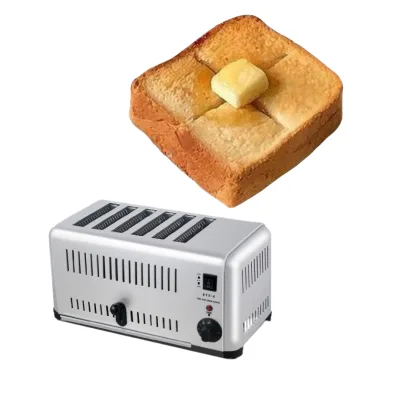


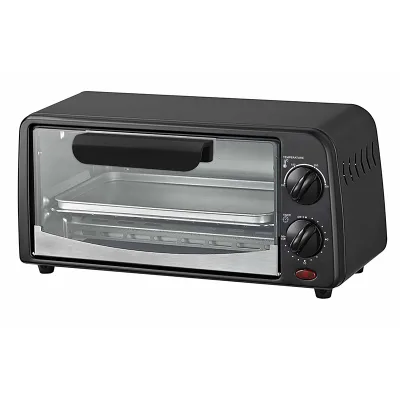
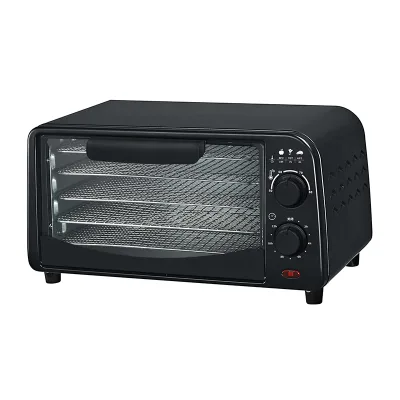
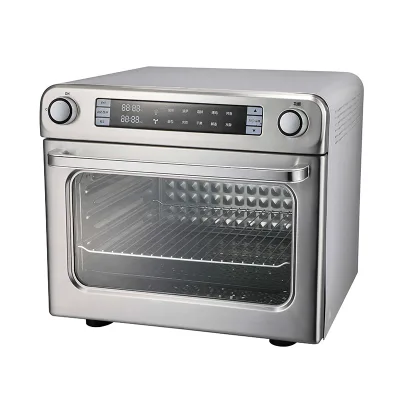
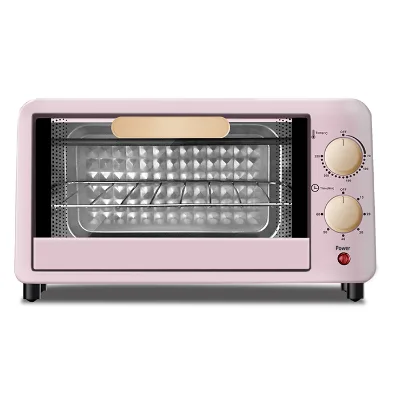
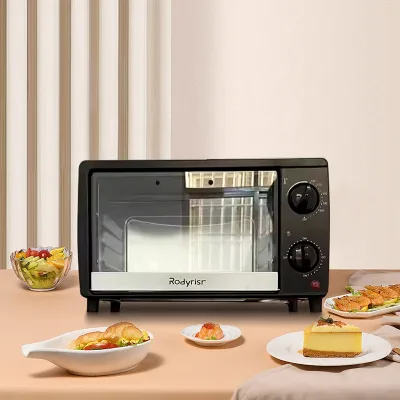

Comprehensive Sourcing Guide
Mini Aluminum Commercial Toaster Oven Sourcing Guide
Sourcing a Mini Aluminum Commercial Toaster Oven requires a careful balance between compact footprint efficiency and robust thermal performance. These units are designed for high-volume environments where space is at a premium, such as boutique cafes, hotel breakfast stations, or small-scale bakeries. The aluminum construction typically refers to the exterior casing or internal heating elements, offering a lightweight yet durable alternative to heavier stainless steel models. Buyers must distinguish between consumer-grade appliances and true commercial units, as the latter are engineered for continuous operation cycles that would quickly degrade residential equipment. The decision to source from China, a dominant manufacturing hub for these appliances, offers access to a wide variety of OEM and ODM capabilities, allowing businesses to customize features like control interfaces and internal configurations to match specific workflow requirements.
The procurement process for these ovens involves navigating a diverse market of suppliers who may offer similar visual designs but vastly different internal components and build quality. Observed market data indicates a significant variance in pricing, ranging from entry-level models under $10 to specialized industrial units exceeding $15,000, reflecting differences in power output, automation levels, and material thickness. Minimum Order Quantities (MOQs) also fluctuate widely, from single-unit samples for quality testing to bulk orders of over two thousand units for large-scale distribution. Understanding these market signals is crucial for setting realistic budget expectations and negotiating favorable terms. Buyers should prioritize suppliers who provide transparent technical specifications and are willing to accommodate small initial orders for validation before committing to larger production runs.
Product Scope and Observed Listing Signals
The current market landscape for mini commercial toaster ovens reveals a broad spectrum of functionalities and form factors. Listings frequently highlight features such as LED touch controls, interior oven lights, and adjustable thermostat settings, which are essential for precise baking and toasting operations. Some models offer advanced functions like reheat, warm, and timer controls, catering to the needs of busy commercial kitchens that require consistent output without constant monitoring. The presence of observation windows allows operators to monitor food progress without releasing heat, a critical feature for maintaining energy efficiency and product quality. Additionally, the availability of both digital and mechanical controlling modes provides flexibility for different user preferences and operational environments, ensuring that the equipment can be integrated into various kitchen workflows seamlessly.
Material composition and installation flexibility are also key differentiators in the observed listings. While aluminum is a common material for certain components, many commercial units utilize carbon steel or stainless steel for enhanced durability and resistance to corrosion in high-humidity environments. The market offers options for built-in, freestanding, and mini installations, allowing buyers to select equipment that fits their specific spatial constraints. Power sources vary significantly, with electric models being the most common for indoor commercial use, while gas and diesel options exist for specialized or outdoor applications. This diversity in power sources and installation types means that buyers must carefully assess their facility’s infrastructure capabilities, such as electrical load capacity or gas line availability, to ensure compatibility with the chosen equipment.
Technical Specifications to Verify
When evaluating technical specifications, power consumption and output capacity are primary considerations for commercial viability. Observed data indicates power ratings ranging from 2kw to 2.64kw for certain models, which directly impacts energy costs and electrical infrastructure requirements. Buyers should verify the actual power draw under full load to ensure their facility can support the equipment without overloading circuits. Additionally, production capacity metrics, such as output rates measured in slices per hour, provide a tangible measure of efficiency for high-volume operations. For instance, some models claim outputs of 450-500 slices per hour, which is a critical benchmark for businesses serving large numbers of customers during peak hours. Verifying these performance claims through sample testing or third-party validation is essential to avoid discrepancies between advertised and actual capabilities.
Physical dimensions and weight are equally important for logistics and kitchen layout planning. Standardized dimensions, such as W410D650H350mm or W468D418H387mm, help buyers determine if the unit fits within designated spaces while allowing for adequate ventilation. Net weights, observed around 18kg to 19kg for certain models, influence handling and installation requirements, particularly for built-in units that may need reinforced cabinetry. Packing sizes, such as 740510370mm, are crucial for calculating shipping costs and storage requirements. Buyers should also pay attention to the type of packaging, whether wooden, plywood, or export-grade, as this affects the protection of the unit during transit and potential customs clearance issues. Ensuring that all physical specifications align with the buyer’s operational needs prevents costly modifications or returns.
Compliance and Safety Documentation
Safety certifications are non-negotiable for commercial kitchen equipment, as they ensure the appliance meets rigorous electrical and thermal safety standards. The CE mark is a common certification observed in listings, indicating compliance with European health, safety, and environmental protection standards. However, buyers should verify the validity of these certifications and ensure they are issued by recognized testing bodies. Additional certifications may be required depending on the target market, such as UL or ETL for North America, or other regional standards. It is crucial to request copies of the certification documents and cross-reference them with the manufacturer’s details to avoid counterfeit or invalid claims. Compliance with these standards not only ensures legal operation but also reduces the risk of accidents, fires, or electrical failures in a busy commercial environment.
Documentation regarding material safety and operational guidelines is also essential for long-term compliance and user safety. Buyers should request detailed manuals that include troubleshooting guides, maintenance schedules, and safety warnings. These documents should clearly outline the proper usage of features like overheat protection and automatic shut-off mechanisms. Additionally, information on the materials used in construction, such as food-grade stainless steel or heat-resistant aluminum, should be provided to ensure they meet local food safety regulations. Understanding the maintenance requirements, such as cleaning procedures for the observation window or heating elements, helps in planning operational workflows and extending the lifespan of the equipment. Proper documentation ensures that staff are trained correctly and that the equipment is used safely and efficiently.
Cost Drivers and Commercial Terms
The cost of mini commercial toaster ovens is influenced by several factors, including material quality, power output, and customization options. Models with advanced features like digital controls, LED displays, and specialized heating elements tend to be more expensive than basic mechanical units. Customization, such as branding, specific voltage requirements, or unique dimensions, can also increase the unit price due to the additional manufacturing steps involved. Buyers should request detailed quotes that break down these costs to understand the value proposition of each model. Comparing prices across different suppliers while considering the included features and warranty terms can help identify the best value for money. It is important to note that the lowest price may not always indicate the best quality, as cheaper models may use inferior materials or lack essential safety features.
Commercial terms, including Minimum Order Quantities (MOQs) and payment terms, play a significant role in the overall procurement cost. Observed MOQs range from 1 to 2200 units, offering flexibility for both small businesses and large distributors. Suppliers who accept small orders may charge a premium per unit, while bulk orders often come with discounted pricing. Payment terms, such as deposits and balance payments upon shipment, should be negotiated to mitigate financial risk. Additionally, shipping costs and lead times can vary significantly based on the order size and destination. Buyers should factor in these logistical costs when calculating the total cost of ownership. Understanding the supplier’s return and warranty policies is also crucial, as it provides a safety net in case of defects or performance issues.
Supplier Qualification and Quality Control
Supplier qualification is a critical step in ensuring the reliability and quality of the purchased equipment. Buyers should conduct thorough due diligence on potential suppliers, including verifying their business licenses, manufacturing capabilities, and past performance. Requesting references from previous clients and checking online reviews can provide insights into the supplier’s reputation and service quality. Suppliers who offer OEM services and have a history of exporting to multiple countries are often more reliable, as they are accustomed to meeting diverse international standards. It is also beneficial to visit the manufacturing facility or hire a third-party inspection service to verify production processes and quality control measures. This proactive approach helps identify potential issues early in the sourcing process and builds a strong foundation for a long-term partnership.
Quality control measures should be clearly defined and agreed upon before production begins. This includes specifying inspection points, such as incoming material checks, in-process inspections, and final product testing. Buyers should request detailed quality control reports and test results for each batch of equipment. Key performance indicators, such as temperature accuracy, heating element durability, and electrical safety, should be tested to ensure they meet the specified standards. Additionally, buyers should establish clear criteria for acceptable defect rates and procedures for handling non-conforming products. Implementing a robust quality control process helps minimize the risk of receiving defective equipment and ensures that the purchased ovens perform reliably in commercial operations. Regular communication with the supplier regarding quality expectations helps maintain high standards throughout the production cycle.
Long-Term Procurement Checks
Long-term procurement success depends on establishing a sustainable relationship with the supplier and ensuring continuous product improvement. Buyers should schedule regular reviews of supplier performance, including delivery times, product quality, and customer service responsiveness. Providing constructive feedback and addressing any issues promptly helps maintain a positive and productive partnership. Additionally, staying informed about industry trends and technological advancements allows buyers to make informed decisions about future purchases. Suppliers who invest in research and development are more likely to offer innovative solutions that can enhance operational efficiency. Building a strong relationship with the supplier can also lead to better pricing, priority support, and access to new product launches.
Maintenance and support are critical for the longevity of commercial toaster ovens. Buyers should ensure that the supplier provides adequate after-sales support, including spare parts availability and technical assistance. Understanding the warranty terms and the process for claiming repairs or replacements is essential for minimizing downtime in case of equipment failure. Regular maintenance, such as cleaning and inspection of heating elements and controls, should be performed according to the manufacturer’s guidelines to prevent premature wear and tear. Keeping a record of maintenance activities and repair history helps in tracking the equipment’s performance and planning for future replacements. By focusing on long-term sustainability and support, buyers can maximize the return on investment and ensure consistent performance in their commercial operations.
FAQs
What functions does the Mini Aluminum Commercial Toaster Oven offer?
The oven provides bake, toast, reheat, and warm functions with a timer. It features an LED touch control panel and an interior oven light for easy monitoring. An adjustable thermostat and overheat protection ensure safe operation during various cooking tasks.
Which certifications are available for these commercial toaster ovens?
Some models in this category carry CE certification to meet safety standards. Buyers should verify specific product listings for documented compliance. The availability of certifications depends on the specific manufacturer and model configuration selected for purchase.
Can I find mini aluminum commercial toaster ovens with custom options?
Customization is available for certain models to meet specific business needs. Some units are listed as customized while others are non-customized. Buyers can select from OEM branding or specific feature sets depending on the supplier's capabilities.
What power sources are supported by these commercial ovens?
These ovens support multiple power sources including electric, gas, and diesel options. Some models are designed for vehicle power supply or solar input. The specific power requirement varies by model, with some units operating at 2kw or 2.64kw.
How is the installation configured for these commercial units?
Installation options include built-in, freestanding, and mini configurations to suit different kitchen layouts. The physical dimensions vary by model, with some packing sizes reaching 740mm in width. Buyers should check specific model numbers for exact installation requirements.
What materials are used to construct these commercial toaster ovens?
The ovens are constructed from durable materials such as stainless steel and carbon steel. These materials ensure longevity and resistance to high temperatures during commercial use. The specific material grade depends on the model and intended application.
Are small orders accepted for these commercial toaster ovens?
Small orders are accepted for many of the listed commercial toaster oven models. This allows buyers to test products or fulfill smaller inventory needs without large commitments. Minimum order quantities vary by supplier and specific product configuration.