Source mini 4 seats electric car for delivery, tours, and commuting
Explore 30 listings for the Mini 4 Seats Electric Car with Air Conditioner designed for urban delivery, guided tours, and daily commuting. Buyers can compare specifications like driving range, charging options, and certifications to find the right supplier.
Key considerations
Products List


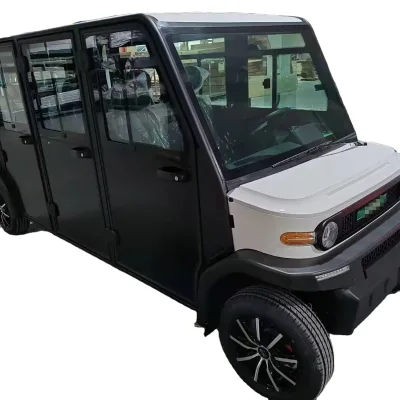

4 Seats Electric Vehicle Car with Air Condition Electric Automobile Car
$2288.00 - $2988.00
MOQ: 1 Unit/Units


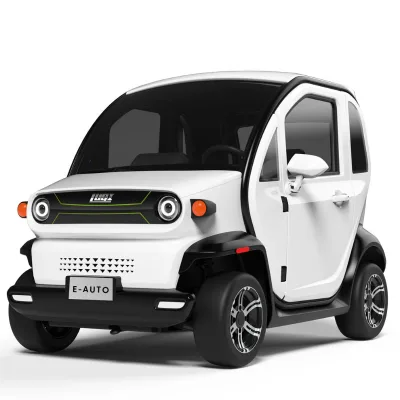
High-Performance Mini Electric Car New Energy Vehicle with 4 Doors and 4 Wheels
$3850.00 - $4043.00
MOQ: 1 Pieces




Comprehensive Sourcing Guide
Sourcing Guide for Mini 4-Seat Electric Vehicles with Climate Control
The global demand for compact electric mobility solutions has surged, driven by the need for efficient urban transport and last-mile delivery options. Among these, the mini 4-seat electric car with air conditioning represents a specific niche that balances passenger capacity with energy efficiency. For B2B procurement professionals, navigating this market requires a disciplined approach to verifying technical specifications, regulatory compliance, and supply chain reliability. This guide synthesizes available market data to provide a framework for sourcing these vehicles, focusing on the critical attributes that define quality and operational readiness in this segment.
Technical Specifications and Performance Parameters
When evaluating mini electric vehicles, the primary focus must be on the core performance metrics that dictate utility and range. The observed market data indicates a significant variance in driving range capabilities, with specific models citing figures such as 165km, 200km, 300km, and a minimum threshold of 90km. Procurement teams must verify the specific range claim against the intended operational profile of the fleet. A vehicle rated for 300km may be suitable for inter-city logistics, whereas a 90km range vehicle is strictly limited to intra-city tasks.
The powertrain architecture is another critical technical differentiator. Available data points to voltage systems operating at 60V, with power outputs exceeding 800W. These specifications suggest a design optimized for moderate speeds, with maximum velocity ranges observed between 30km/h and 50km/h. While these speeds are generally compliant with low-speed vehicle regulations in many jurisdictions, they necessitate a clear understanding of the intended use case. For applications requiring higher speeds, such as highway merging, these parameters may be insufficient.
Charging infrastructure compatibility is equally vital. The market offers solutions supporting both home charging and fast charging protocols, with charge times typically ranging from 5 to 7 hours for standard cycles. Buyers must ensure that the charging infrastructure at their operational hubs aligns with these timeframes to maintain fleet availability. Additionally, the physical dimensions of the vehicles vary, with standard dimensions observed around 2920mm in length for certain models, while others measure up to 3380mm. The curb weight is noted in the 300-400kg range for specific configurations, which impacts handling and road tax classifications.
Compliance and Certification Verification
Navigating the regulatory landscape is a non-negotiable aspect of B2B procurement. The certification status of a vehicle determines its legal operability in specific markets. The supplied data highlights a diverse array of certifications, including EEC, CCC, DOT, CE, and GCC. The presence of EEC (European Economic Community) and CCC (China Compulsory Certification) suggests compliance with major Asian and European standards, while DOT (Department of Transportation) indicates adherence to US safety regulations.
However, the mere listing of a certification does not guarantee that every unit in a batch meets the standard. Procurement teams must treat these certifications as observations of the product line rather than automatic guarantees for every unit ordered. For instance, while one model may list CE and EEC certifications, another might only list CCC. It is imperative to request valid, current certificates of conformity for the specific batch being purchased. The data also mentions standards such as ISO 17987, though this is noted as low-confidence background information. Buyers should independently verify if the vehicle meets the specific ISO standards required for their local jurisdiction, rather than relying on general background assertions.
Cost Drivers and Pricing Structures
The pricing landscape for mini electric cars is highly variable, with observed ranges spanning from $1 to $9,999 USD. This wide disparity is driven by several factors, including the complexity of the body type, the inclusion of air conditioning systems, and the level of customization. Vehicles with a "Closed" body type and integrated climate control systems typically command a premium over open-frame alternatives. The inclusion of safety features, such as ABS+EBD (Anti-lock Braking System + Electronic Brakeforce Distribution) and airbags (with some models listing 2 airbags as standard), also influences the final cost.
Minimum Order Quantities (MOQ) are another significant cost driver. The observed MOQ range is between 1 and 24 units. While single-item purchasing is possible for testing or pilot programs, bulk orders often unlock better pricing tiers. The selling units are typically listed as "Single item," but the logistics of shipping multiple units must be considered. For example, a 40ft high cube container may accommodate approximately 10 units of certain models, which affects the per-unit shipping cost. Buyers should calculate the total landed cost, including freight, insurance, and customs duties, rather than focusing solely on the ex-works price.
Typical Applications and Use Cases
The versatility of mini 4-seat electric cars with air conditioning makes them suitable for a variety of commercial and institutional applications. The seating capacity, ranging from 5 to 6 seats in some configurations, allows for small group transport. This makes them ideal for campus shuttles, resort guest transport, and security patrols in large industrial complexes. The presence of a standing post position for a tail caddie in some models suggests utility for security or maintenance roles where the driver needs to dismount and operate equipment.
The grade ability of these vehicles, observed at 15-20 degrees, indicates a capability to handle moderate inclines, which is essential for hilly campuses or industrial sites with uneven terrain. The minimum ground clearance, ranging from 150mm to 200mm, further supports their use on varied surfaces. However, the maximum speed limitations (30-50km/h) restrict their use to low-speed zones. They are not suitable for high-speed public roads or highways. The fuel type is exclusively electric, aligning with corporate sustainability goals and reducing long-term operational costs associated with fossil fuels.
Supplier Evaluation and Origin Analysis
When evaluating potential suppliers, the geographical origin of the product is a key indicator of supply chain dynamics. The data identifies multiple origins within China, including Anhui Province, Jiangsu Province, and Taizhou. Each region may have different industrial clusters and supply chain efficiencies. For example, Anhui is known for its automotive manufacturing base, while Jiangsu often hosts specialized component suppliers.
Suppliers should be vetted based on their ability to provide OEM (Original Equipment Manufacturer) services and customization options. The market data confirms that customization is available, allowing buyers to tailor vehicle colors (White, Black, Blue, Red) and branding to their corporate identity. The ability to accept OEM orders suggests that the supplier can modify the vehicle to meet specific client requirements. Buyers should also assess the supplier's delivery time, with observed lead times of around 15 days. This timeline must be factored into the procurement schedule to ensure timely fleet deployment.
Quality Control and Packaging Standards
Quality control in the electric vehicle sector extends beyond the final assembly to include packaging and transport safety. The data reveals varied packing methods, ranging from "Nude Packing" to "Iron Frame and Carton Box" and "Steel" packaging. For international shipments, robust packaging is essential to prevent damage during transit. The "Iron Frame and Carton Box" method appears to offer superior protection compared to nude packing, especially for vehicles with sensitive electronic components like air conditioning units and battery systems.
The physical specifications of the vehicle, such as the standard dimensions of 1700mm x 330mm x 880mm for certain components, must be verified to ensure compatibility with the chosen packaging method. Buyers should request detailed packing lists and photos of the packaging process before finalizing the order. Additionally, the material grade and build quality, such as the use of plastic covers for specific parts, should be inspected to ensure durability. The brake system, typically described as front disc and rear disc, is a critical safety component that must be rigorously tested for consistency and performance.
Long-Term Procurement Considerations
Sourcing mini electric cars is not merely a transactional purchase but a long-term investment in mobility infrastructure. Buyers must consider the availability of spare parts and the technical support offered by the supplier. The customization options available, such as specific voltage requirements or color schemes, should be documented clearly to ensure that future maintenance and repairs can be performed using compatible parts.
The charging infrastructure is another long-term consideration. With charge times ranging from 5 to 7 hours, the operational efficiency of the fleet depends on the availability of charging stations. Buyers should plan for the installation of appropriate charging infrastructure at their facilities to minimize downtime. Furthermore, the environmental impact and sustainability goals of the organization should be weighed against the lifecycle of the vehicle. The electric nature of these cars offers significant advantages in terms of emissions reduction, but the disposal and recycling of batteries must be planned for in the long term.
In conclusion, sourcing mini 4-seat electric cars with air conditioning requires a meticulous approach to verifying technical specifications, ensuring regulatory compliance, and evaluating supplier capabilities. By focusing on the observed data points and maintaining a disciplined verification process, procurement professionals can secure reliable, high-quality vehicles that meet their specific operational needs. The market offers a range of options, from basic models to highly customized solutions, but the key to success lies in thorough due diligence and clear communication with suppliers.
| Feature Category | Observed Data Points | Verification Requirement |
|---|---|---|
| Driving Range | 165km, 200km, 300km, ≥90km | Confirm range under specific load and terrain conditions. |
| Certifications | EEC, CCC, DOT, CE, GCC | Request valid certificates of conformity for the specific batch. |
| Dimensions | 292014991610mm, 338014991610mm | Verify actual dimensions against shipping container constraints. |
| Power/Voltage | 60V, >800W | Ensure compatibility with existing charging infrastructure. |
| Safety Features | ABS+EBD, 2 Airbags, Front/Rear Disc Brakes | Inspect brake performance and airbag deployment mechanisms. |
| Packaging | Nude, Iron Frame/Carton, Steel | Confirm packaging integrity for international shipping. |
| Lead Time | 15 days | Align production schedule with operational deployment dates. |
| Customization | Available (Colors, OEM) | Define specific requirements in the purchase order clearly. |
By adhering to these guidelines and maintaining a focus on evidence-based decision-making, buyers can effectively navigate the complexities of the mini electric vehicle market. The integration of air conditioning and the 4-seat configuration adds a layer of comfort and utility that makes these vehicles highly valuable for a wide range of commercial applications.
FAQs
What certifications do mini 4 seats electric cars with air conditioner have?
These vehicles typically hold EEC, CCC, DOT, CE, and GCC certifications. Buyers must verify that specific batches include valid certificates of conformity for their target market rather than assuming all units meet every standard listed.
How long does it take to charge a Mini 4 Seats Electric Car with Air Conditioner?
Standard charge times range from 5 to 7 hours for a full cycle. The system supports both home and fast charging protocols, so operational efficiency depends on the charging infrastructure available at the facility.
Which driving range options are available for mini 4 seats electric cars with air conditioner?
Observed driving ranges include 165km, 200km, 300km, and a minimum of 90km. Procurement teams should confirm the specific range claim against the intended operational profile, as inter-city and intra-city needs differ significantly.
Can I customize the color and features of a Mini 4 Seats Electric Car with Air Conditioner?
Customization is available for colors like white, black, blue, and red. Suppliers also accept OEM orders, allowing buyers to tailor vehicle specifications and branding to their corporate identity while maintaining standard safety features.
What is the minimum order quantity for mini 4 seats electric cars with air conditioner?
The minimum order quantity ranges from 1 to 24 units depending on the supplier. While single-item purchasing is possible for testing, bulk orders often unlock better pricing tiers and affect per-unit shipping costs.
How do I verify the safety features of a Mini 4 Seats Electric Car with Air Conditioner?
Safety features include ABS+EBD, two airbags, and front disc plus rear disc brakes. Buyers should inspect brake performance and airbag deployment mechanisms directly rather than relying solely on listed specifications.
Where are mini 4 seats electric cars with air conditioner manufactured?
Products originate from various locations in China, including Anhui, Jiangsu Province, and Taizhou. Each region has different industrial clusters, so buyers should evaluate supply chain efficiencies and delivery times associated with specific origins.