Find Mini Home Hybrid System for homes, businesses, and industries
Explore 30 available options for a Mini Home Hybrid System designed for residential, commercial, and industrial applications. Buyers can compare specifications like power output, battery capacity, and tracking modes to select the right solution for their energy needs.
Key considerations
Products List


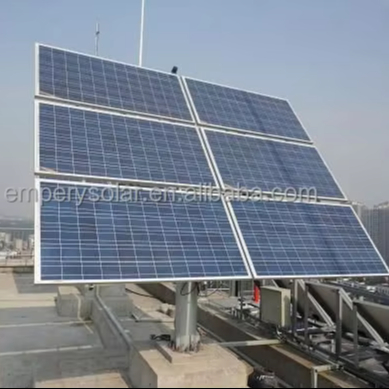


OEM Supported Mini Solar Home System for Overseas Bulk Wholesale Orders
$23.20 - $23.80
MOQ: 1000 Sets


Advanced off Grid Solar System: Perfect Solar Home System for Families
$1000.00 - $1150.00
MOQ: 1 Sets


Smart and Efficient 100kw Hybrid Solar System with Comprehensive Protection
$0.35 - $0.50
MOQ: 15000 watt




Comprehensive Sourcing Guide
Strategic Sourcing Guide for Mini Home Hybrid Systems
The global transition toward decentralized energy solutions has elevated the demand for mini home hybrid systems. These integrated units combine solar generation, battery storage, and power conversion to provide reliable electricity for residential applications, particularly in regions with unstable grid infrastructure or high energy costs. For procurement professionals, navigating this market requires a disciplined approach that distinguishes between marketing narratives and verifiable technical specifications. This guide outlines the critical dimensions of sourcing these systems, focusing on the specific attributes observed in current market listings while adhering to strict evidence-based verification protocols.
Technical Architecture and Component Specifications
Understanding the internal architecture of a Mini Home Hybrid System is the first step in defining procurement requirements. The systems currently available in the market exhibit a modular design, often centered around a specific power generation volume and storage capacity. A key observation in the current supply landscape is the variation in solar panel configurations. Some units are equipped with dual 5W/11V Mono Crystalline Silicon panels, while others may feature different wattage ratings. The choice of panel technology is critical, as mono-crystalline silicon generally offers higher efficiency in low-light conditions compared to polycrystalline alternatives.
The energy storage component is equally vital. The market offers systems utilizing Lithium Iron Phosphate (LFP) chemistry, which provides a balance of safety and cycle life. Specific configurations observed include batteries with a capacity of 3.2V at 314Ah, housed in compact units weighing approximately 10.7kg. The charging dynamics vary significantly based on the system size; some compact kits require 10 to 12 hours of charging time, whereas more robust units may achieve full charge in 6 to 7 hours. The inverter capacity is another defining characteristic, with units ranging from 500W for smaller home kits to larger capacities suitable for commercial or industrial hybrid applications.
The mechanical structure of these systems often features ground mounting types with adjustable tilt angles, typically ranging from +45 to -45 degrees. This adjustability allows for optimization based on the geographical latitude of the installation site. The tracking mechanism, where present, operates in a biaxial automatic mode, ensuring the solar panels maintain optimal alignment with the sun throughout the day. The precision of this tracking is generally observed within a range of 0.5° to 1°, which is sufficient for maximizing energy yield in standard residential setups.
Compliance, Certification, and Safety Standards
In the B2B procurement of electrical equipment, compliance with international safety and quality standards is non-negotiable. The supply chain for mini home hybrid systems is dominated by manufacturers originating from Fujian, China, a region known for its concentrated manufacturing of solar and battery technologies. Buyers must verify that the products carry recognized certifications such as CE, ISO, and CB. These marks indicate that the product has undergone testing for electrical safety, electromagnetic compatibility, and environmental compliance.
It is important to note that while some listings explicitly state CE and ISO certifications, others may only list CE or CB. Procurement teams must treat these as observations rather than universal guarantees for every SKU. The verification process should involve requesting the specific test reports associated with the certification numbers provided. Furthermore, while industry standards like IEC 62116 are relevant to the broader context of solar power systems, buyers should not assume automatic compliance without explicit documentation from the supplier. The absence of a specific standard reference in a product listing does not necessarily imply non-compliance, but it does necessitate a deeper inquiry into the manufacturer's quality assurance protocols.
Cost Drivers and Pricing Dynamics
The pricing of mini home hybrid systems is highly variable, reflecting the diversity in component quality, capacity, and customization options. The observed price range in the current market spans from approximately $0.35 to $26,000. This vast disparity is driven by several factors, including the capacity of the battery, the wattage of the solar array, and the sophistication of the inverter and tracking systems.
A significant cost driver is the customization level. Many suppliers offer "Customization: Available" as a standard attribute, allowing buyers to tailor the system to specific power requirements. This flexibility often comes with a higher price point due to the engineering and production adjustments required. Additionally, the material composition of the mounting structure, whether aluminum or iron, influences the final cost. Aluminum offers a lighter weight and better corrosion resistance, while iron provides a lower initial cost but may require additional protective coatings.
The Minimum Order Quantity (MOQ) also plays a crucial role in the unit economics of procurement. The observed MOQ range extends from 1 unit to 15,000 units. For small-scale pilots or single-home installations, buyers can source single items, but the per-unit cost will likely be higher. Conversely, bulk orders can leverage economies of scale, though the lead time for production and shipping must be factored into the total cost of ownership. The delivery time, typically cited between 10 to 30 days, adds a temporal cost component that affects cash flow and project timelines.
Typical Applications and Operational Scenarios
Mini home hybrid systems are designed for a wide array of applications, ranging from residential use to commercial and industrial settings. The primary application is for home use, where the system provides backup power and reduces reliance on the main grid. These systems are particularly effective in scenarios where the grid is unreliable or where electricity tariffs are high. The operational capacity of these units, such as a working time of 21 hours for a single bulb, demonstrates their ability to sustain essential loads during extended periods of darkness or grid failure.
However, the versatility of these systems extends beyond the home. Some configurations are explicitly marketed for commercial and industrial applications, suggesting that the technology scales to meet higher power demands. The inclusion of USB interfaces, with some units offering three ports, highlights the system's utility in charging portable electronics, making them suitable for remote work setups or emergency response scenarios. The power supply capability, supporting both DC and AC, ensures compatibility with a broad range of household and business appliances.
Supplier Evaluation and Verification Protocols
Selecting the right supplier is a critical determinant of project success. Buyers should prioritize suppliers who provide transparent data regarding their product specifications. The "Brand Name" and "Product Name" fields, such as "Empery solar" or "Solar Energy Kit," serve as initial identifiers but should not be the sole basis for selection. Instead, focus on the supplier's ability to provide detailed technical documentation, including the specific model numbers like TH05, TP051, TH06, or TY-5-10KW-Hybrid.
When evaluating a supplier, verify the "Condition" of the product, ensuring it is listed as "New." Check the "Selling Units" to understand if the supplier offers single-item purchases or requires bulk commitments. The "Product Packing" details, such as "Carton Box" or "Carton," are essential for logistics planning, as they determine the packaging efficiency and protection during transit. Furthermore, the "Type of Shipping" options, including Sea Freight, Air Freight, and Land Transportation, should be assessed based on the urgency of the project and the destination.
Quality Control and Long-Term Procurement Considerations
Quality control in the procurement of hybrid systems extends beyond the initial purchase. Buyers must consider the long-term performance of the system, including the durability of the materials and the reliability of the battery chemistry. The "Cathode Material" being LFP is a positive indicator, as this chemistry is known for its stability and safety profile. However, the actual performance of the battery over time depends on the manufacturing quality and the thermal management systems integrated into the unit.
The "Weight of the entire system" is another factor that impacts long-term maintenance and installation. A system weighing 20kg may require different structural support compared to a lighter unit. The "Specification" and "Size" attributes, such as "Medium" or "Normal," should be cross-referenced with the physical dimensions provided, like 260×250×90mm or 280X203X410mm, to ensure compatibility with the intended installation site.
Finally, buyers should establish a clear protocol for after-sales support and warranty claims. While the "Condition" is listed as "New," the longevity of the system depends on the manufacturer's commitment to quality. The "Delivery Time" of 10-30 days suggests a production cycle that should be factored into inventory planning. By maintaining a rigorous approach to verification and documentation, procurement teams can mitigate risks and ensure the successful deployment of mini home hybrid systems that meet their specific operational needs.
Comparative Analysis of System Configurations
To facilitate informed decision-making, it is helpful to compare the key attributes of different system configurations available in the market. The following table summarizes the variations observed in the current supply landscape, highlighting the differences in model, capacity, and specifications.
| Attribute | Model TH05 | Model TP051 | Model TH06 | Model TY-5-10KW-Hybrid |
|---|---|---|---|---|
| Solar Panel | 5W/11V Mono | 2PCS 5W/11V Mono | Not Specified | Not Specified |
| Battery | 7.4V/5200mAh | 3.2V 314ah | Not Specified | Not Specified |
| Inverter | Not Specified | 500W | Not Specified | Not Specified |
| Weight | Not Specified | 10.7kg | Not Specified | 20KG |
| Certification | CE, ISO | Not Specified | CE, CB, ISO | CE |
| Application | HOME | HOME | Commercial, Home, Industrial | Commercial, Home, Industrial |
| Dimensions | 260×250×90mm | 280X203X410mm | Customized | Customized |
This comparison illustrates that while some models are optimized for compact home use with specific battery and panel ratings, others are designed for larger, more versatile applications. The variation in certification and dimensions underscores the need for buyers to carefully match the system specifications to their specific project requirements. By analyzing these attributes, procurement professionals can make data-driven decisions that align with their operational goals and budget constraints.
FAQs
Can I customize the Mini Home Hybrid System specifications?
Yes, customization is available for these systems to meet specific power needs. Buyers can tailor the solar panel wattage, battery capacity, and inverter size. This flexibility often affects the final price and lead time, requiring direct communication with the manufacturer to define the exact configuration.
What certifications do these mini home hybrid systems hold?
Many units carry CE, ISO, and CB certifications to ensure safety and quality compliance. Some specific models list CE and ISO, while others may only show CE. Buyers should verify the specific certification numbers for each product listing to confirm electrical safety and environmental standards before purchasing.
How long is the delivery time for mini home hybrid systems?
The typical delivery time ranges from 10 to 30 days after order confirmation. This period covers production and preparation for shipping via sea, air, or land freight. Buyers planning bulk orders should account for this lead time when scheduling project installations and inventory replenishment.
Which battery chemistry is used in these mini home hybrid systems?
The systems utilize Lithium Iron Phosphate (LFP) cathode material for energy storage. This chemistry offers a balance of safety and cycle life compared to other lithium types. Specific configurations include batteries rated at 3.2V with 314Ah capacity, housed in units weighing approximately 10.7kg.
What is the minimum order quantity for mini home hybrid systems?
The minimum order quantity varies from 1 unit up to 15,000 units depending on the supplier. Single-item purchases are available for small-scale pilots, while bulk orders leverage economies of scale. The unit cost often decreases as the order volume increases within this wide range.
Where are these mini home hybrid systems manufactured?
The products originate from Fujian, China, a region known for concentrated solar and battery manufacturing. Buyers should verify the specific factory location for each supplier to ensure quality control and logistics planning. The origin is a key factor in determining shipping costs and lead times for international orders.
Can the system track the sun automatically?
Yes, the system features a biaxial automatic tracking mode to optimize solar alignment. The tracking precision is generally observed within a range of 0.5 to 1 degree. This feature helps maximize energy yield throughout the day, particularly for ground-mounted installations with adjustable tilt angles.