Source Mini Refrigerated Van for Food, Pharma, and Retail
Explore 30 listings for the Mini Refrigerated Van, featuring diesel and electric options with varying horsepower and insulation thickness. Compare specifications like box volume, temperature control, and transmission types to find the right vehicle for your logistics needs; compare the available evidence and request quotations based on your requirements.
Key considerations
Products List

Refrigerated Freezer Truck Mini Refrigerator Van for Meat Transportation
$12688.00 - $42168.00
MOQ: 1 Pieces


Customized Freezer Van Body Refrigerator Container Refrigerated Van
$5150.00 - $25000.00
MOQ: 1 Pieces
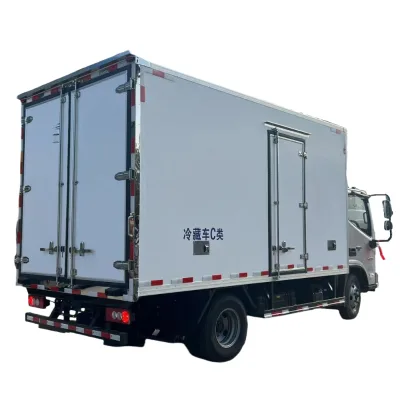
Mini Food Refrigerator Container Cooling Van Refrigerated Truck Box for Sale
$15673.16 - $17762.92
MOQ: 1 units


Foton Freezer Truck Light Duty Refrigerated Truck Mini Cold Room Van for Urban Delivery
$12000.00 - $24000.00
MOQ: 1 Pieces

City Delivery Electric-Start Mini Freezer Truck with -18c Cooling Capacity Refrigerated Van
$12000.00 - $24000.00
MOQ: 1 Pieces

Custom Foton Reefer Mini Refrigerated Truck Cold Storage Van for Fresh Food Delivery
$12000.00 - $24000.00
MOQ: 1 Pieces

Foton Gasoline Freezer Mini Refrigerated Truck Small Refrigerator Vanwith Side Door
$12000.00 - $24000.00
MOQ: 1 Pieces


Customized Refrigerated Van for Transporting Fresh Vegetables and Meat
$11800.00 - $19800.00
MOQ: 1 Pieces


Comprehensive Sourcing Guide
Mini Refrigerated Van Sourcing Guide
Procuring a Mini Refrigerated Van requires careful alignment between vehicle capacity and specific cargo temperature needs, as observed listings show models ranging from small bearing capacities to larger 2T-40T configurations. Buyers must distinguish between diesel-powered units with 150-250 horsepower and electric variants offering 80kW max power, ensuring the selected chassis matches local infrastructure and operational range requirements.
The physical dimensions of the cargo box are critical for logistics planning, with observed specifications varying from compact 4960x1720x2385mm units to larger 5995x2300x2300mm configurations. Sourcing teams should verify if the box volume of 18m³ or custom dimensions like 4200x2300x2300mm fit the intended supply chain, while noting that insulation layers typically range from 80mm to 100mm to maintain thermal efficiency during transit.
Product Scope and Observed Listing Signals
Market listings for mini refrigerated vans frequently highlight customization availability, allowing buyers to tailor box materials such as FRP, stainless steel, or color plates to specific branding or durability needs. The observed product range includes both standard refrigerated trucks and specialized electric cargo vans, with some models featuring checker plate floors for enhanced safety and ease of cleaning in demanding environments.
Temperature control capabilities vary significantly across the catalog, with some units capable of maintaining a minimum of -18°C while others operate within a ±15°C range. Buyers should scrutinize whether the cooling machine is an optional add-on or a standard feature, as this decision impacts the initial purchase price and the long-term operational flexibility of the vehicle for different cargo types.
Technical Specifications to Verify
Engine performance and transmission type are primary technical differentiators, with observed models offering manual transmissions and horsepower ratings spanning from under 150hp to 250hp. When evaluating electric options, procurement teams must verify the maximum torque of 260N·m and ensure the battery range supports the intended delivery routes, as these factors directly influence fuel efficiency and total cost of ownership.
Dimensional accuracy is essential for regulatory compliance and garage fitment, requiring verification of standard lengths like 5035mm or 5945mm against local road regulations. The bearing capacity, listed as either small or large, must be matched to the expected payload weight, ensuring the vehicle does not exceed legal limits while maintaining stability during transport of heavy or dense refrigerated goods.
Compliance and Safety Documentation
Certification requirements are non-negotiable for international trade, with observed listings displaying ISOCCC, EEC, RoHS, and CE marks as standard compliance indicators. Buyers must confirm that the specific unit carries the necessary emission standards, such as Euro compliance for diesel engines or equivalent regulations for gasoline and electric powertrains, to avoid customs delays or legal penalties in the destination market.
Safety documentation should explicitly cover the steering configuration, as observed units may feature right-hand drive setups that require specific market adaptation. Additionally, the packaging method, whether naked or custom, must be verified to ensure the vehicle arrives without damage, and the supplier must provide proof of origin, typically listed as China, to validate the supply chain integrity.
Cost Drivers and Commercial Terms
Pricing structures for these vehicles show a wide observed range from $2,000 to over $42,000, driven largely by the choice of fuel type, engine power, and refrigeration unit brand. Buyers should anticipate that models equipped with Carrier refrigeration units or custom box specifications will command a premium, while standard configurations with basic insulation may offer lower entry costs.
Minimum Order Quantities (MOQ) are typically low, ranging from 1 to 2 units, which facilitates trial purchases for small logistics operators. However, commercial terms regarding packing, such as naked delivery versus custom crating, can significantly affect shipping costs and insurance premiums, requiring a detailed cost-benefit analysis before finalizing the purchase agreement.
Supplier Qualification and Quality Control
Supplier verification should focus on the consistency of certification claims, ensuring that ISOCCC and EPA approvals are valid for the specific model number, such as CLW0510LEX or BJ5020XLC3JV5-02. Buyers must request documentation proving the manufacturer's ability to deliver the stated emission standards and fuel types, as discrepancies here can lead to operational failures or regulatory non-compliance.
Quality control protocols must address the construction of the insulation layer and the integrity of the box materials, which are critical for maintaining the required temperature range. Procurement teams should inspect the floor construction, specifically the checker plate design, and verify the sealing of the 80mm-100mm insulation to prevent thermal leakage during long-haul transportation.
Long-Term Procurement Checks
Sustainability and maintenance costs are key considerations for the lifecycle of the vehicle, particularly when comparing diesel models with their electric counterparts. Buyers should evaluate the availability of spare parts for the cooling machine and the specific engine type, ensuring that the chosen model supports long-term operational reliability without excessive downtime.
Future-proofing the fleet involves checking if the vehicle design allows for upgrades, such as enhanced refrigeration units or different fuel types, as customization is often available. Regular audits of the bearing capacity and structural integrity are necessary to ensure the vehicle continues to meet safety standards as it ages, protecting the investment in the Mini Refrigerated Van over its entire service life.
FAQs
What is the typical box volume for a Mini Refrigerated Van?
The typical box volume is 18 cubic meters. This capacity supports standard urban logistics and medium-duty transport needs. The internal dimensions are approximately 4200 by 2300 by 2300 millimeters. This size balances cargo space with vehicle maneuverability in city environments.
Can the refrigerated van be customized for specific needs?
Yes, customization is available for various operational requirements. Buyers can select different insulation layers ranging from 80 to 100 millimeters. Plate materials include FRP, stainless steel, or color plates. The box size can also be customized to fit specific cargo dimensions.
What certifications are required for these refrigerated vans?
Common certifications include ISOCCC, TSEPA, EEC, RoHS, and CE. These ensure compliance with international safety and environmental standards. Some models may also carry EPA certification. Buyers should verify specific certification requirements based on their target market regulations before procurement.
What temperature range can the refrigeration unit maintain?
The refrigeration unit can maintain temperatures around plus or minus 15 degrees Celsius. Some configurations support a minimum temperature of minus 18 degrees Celsius. The cooling machine is often an optional feature. This range suits most fresh food and pharmaceutical transport requirements.
What fuel types are available for these vans?
Available fuel types include diesel, gasoline, and electric power. Diesel models typically offer horsepower between 150 and 250. Electric options provide specific power outputs like 80 kilowatts. Buyers can choose based on local emission standards and operational cost preferences.
What is the minimum order quantity for these vehicles?
The minimum order quantity ranges from 1 to 2 units. This low MOQ allows for flexible procurement strategies. Buyers can start with a single unit for testing or small fleet expansion. Bulk orders may offer different pricing or customization options depending on the supplier.