Source Miniature Toy Figurines for Collecting, Promotion, and Souvenirs
Source 30 Miniature Toy Figurines from verified suppliers offering diverse styles like diecast and resin models. Buyers can compare specifications, certifications, and pricing for uses in collecting, promotion, and souvenirs; compare the available evidence and request quotations based on your requirements.
Key considerations
Products List


Custom Cartoon Image Miniature Figure Cartoon Character Miniature Figure
$0.15 - $0.20
MOQ: 3000 Pieces


Personalized Action Figures Wholesale Promotion Gift Figurine Plastic Toys
$0.80 - $1.50
MOQ: 3000 Pieces




Comprehensive Sourcing Guide
Miniature Toy Figurines Sourcing Guide
Product Scope and Observed Listing Signals
The current market landscape for Miniature Toy Figurines reveals a diverse array of styles, ranging from diecast car models to human figures and animal shapes. Listings indicate that materials vary significantly, with resin, PVC, and plastic being the primary components used in manufacturing. Buyers should note that product descriptions often highlight specific themes, such as cosplay characters, street dance poses, or traditional attire, which suggests a strong demand for niche and culturally relevant designs. The observed price range is broad, spanning from $0.10 to $50, reflecting the disparity between simple promotional items and detailed collector-grade pieces.
Minimum order quantities (MOQ) also show considerable variation, starting as low as one piece for sampling or small retail needs and extending up to 5,000 units for large-scale industrial orders. This flexibility allows buyers to tailor their procurement strategy based on inventory turnover rates and budget constraints. Additionally, customization options are frequently available, including logo printing and specific mold creation, which caters to businesses seeking branded merchandise or unique promotional gifts. Understanding these listing signals helps buyers identify suppliers who align with their specific volume and customization requirements.
Technical Specifications to Verify
When evaluating technical specifications, buyers must carefully review the scale and dimensions of the figurines to ensure they meet end-user expectations. Common scales observed include 1:64 for car models, while human figures may have specific height measurements such as 2.6 cm or 7 cm. It is crucial to verify the single package size and gross weight, as these factors directly impact shipping costs and storage logistics. For instance, a single package measuring 10x5x3 cm with a gross weight of 0.200 kg requires different handling than bulkier items. Accurate dimension verification prevents unexpected freight charges and ensures that the product fits within designated retail packaging or display cases.
Material composition is another critical technical aspect that influences both the aesthetic quality and durability of the figurines. Whether the product is made from resin, PVC, or plastic, the material choice affects the finish, color fidelity, and resistance to wear. Buyers should confirm whether the style is classified as a diecast toy or a model toy, as this distinction often correlates with manufacturing precision and material density. Furthermore, verifying the production model codes, such as JH-A26 or JH-P13, allows for precise reordering and quality consistency. Clear technical documentation ensures that the received goods match the approved samples in every physical attribute.
Compliance and Safety Documentation
Safety compliance is paramount when sourcing miniature toys, particularly those intended for children or general consumer use. Buyers must verify that suppliers hold valid certifications such as EN71, ASTM F963, and CE marks, which indicate adherence to international safety standards for mechanical, physical, and chemical properties. Although some listings mention ENASTM and CE, it is essential to request official test reports from accredited laboratories to confirm that the products meet the specific regulatory requirements of the target market. This due diligence protects the buyer from legal liabilities and ensures that the products are safe for their intended audience, whether they are adults or children over eight years old.
In addition to safety certifications, buyers should assess the eco-friendly claims associated with the materials used in production. Many suppliers highlight the use of eco-friendly materials, which is increasingly important for brands aiming to appeal to environmentally conscious consumers. However, these claims should be substantiated by material safety data sheets or third-party environmental certifications. Verifying that the paints and coatings used in the silkprint or full-color logo printing processes are non-toxic is also critical. Comprehensive compliance documentation not only facilitates smoother customs clearance but also builds trust with end-users who prioritize health and environmental responsibility in their purchasing decisions.
Cost Drivers and Commercial Terms
Several factors influence the final cost of Miniature Toy Figurines, with material type, production complexity, and order volume being the primary drivers. Resin and detailed diecast models typically command higher prices due to the intricate molding and finishing processes involved, whereas simple plastic figures are more cost-effective for high-volume orders. Buyers should also consider the cost of customization, such as creating new molds or applying specific logos, which can add significant upfront expenses. Understanding these cost drivers allows procurement teams to negotiate more effectively and allocate budgets appropriately across different product lines.
Commercial terms, including payment methods and delivery times, play a crucial role in the overall procurement strategy. Standard payment terms often involve T/T (Telegraphic Transfer), which requires careful planning to manage cash flow. Delivery times can vary from 7 to 14 days for standard items, but custom orders may require additional lead time for mold creation, which can take up to 25 days. Shipping options such as EMS, UPS, FedEx, by sea, or by air offer flexibility but come with different cost and speed implications. Buyers must balance these commercial terms with their inventory needs to avoid stockouts or excessive holding costs, ensuring a smooth supply chain operation.
Supplier Qualification and Quality Control
Supplier qualification is a critical step in ensuring the reliability and consistency of Miniature Toy Figurines. Buyers should verify the supplier’s place of origin, with many listings indicating production in China, and assess their manufacturing capabilities through factory audits or virtual tours. It is important to confirm that the supplier has a robust quality control system in place, including pre-production sample approvals and in-line inspections during manufacturing. Suppliers that offer superior quality and factory prices often have streamlined processes, but buyers must still conduct thorough due diligence to ensure that these claims are backed by tangible quality metrics and consistent production history.
Quality control measures should also extend to the packaging and labeling of the products. Buyers must verify that the packaging, whether it is a color box or standard carton, protects the figurines from damage during transit. The labeling should include accurate product information, such as the model number, material composition, and safety warnings, to comply with retail requirements. Additionally, buyers should establish clear acceptance criteria for defects, such as paint smudges, structural cracks, or incorrect colors, and communicate these standards to the supplier. Implementing a rigorous quality control process helps minimize returns and maintains brand reputation in the competitive toy market.
Long-Term Procurement Checks
Long-term procurement success depends on establishing strong relationships with suppliers and continuously monitoring performance metrics. Buyers should regularly review supplier delivery times, order accuracy, and responsiveness to issues to ensure that the partnership remains productive and efficient. It is advisable to conduct periodic quality audits and request updated test reports to ensure ongoing compliance with safety standards. By maintaining open communication and setting clear expectations, buyers can foster a collaborative environment that encourages suppliers to prioritize their orders and address any emerging challenges proactively.
Furthermore, buyers should stay informed about market trends and consumer preferences to adapt their product offerings accordingly. The miniature toy market is dynamic, with shifting interests in themes, styles, and materials. Regularly evaluating the product portfolio and seeking feedback from end-users can help identify opportunities for new designs or improvements. Buyers should also monitor the availability of raw materials and potential supply chain disruptions that could impact production. By staying agile and proactive, procurement teams can mitigate risks and ensure a steady supply of high-quality Miniature Toy Figurines that meet evolving market demands.
FAQs
What materials are these Miniature Toy Figurines made of?
The figurines are made from resin, PVC, or plastic, depending on the product model. Resin versions offer fine sculpting detail for display pieces, while PVC and plastic options provide durability and lower cost for bulk orders. Buyers can confirm the exact material for each model, such as the 1:64 scale figures, before placing an order.
What is the minimum order quantity for Miniature Toy Figurines?
The listed MOQ is 10 pieces for standard single-item purchases, which suits buyers testing demand or ordering small display sets. For customized production runs, the minimum rises to around 3,000 pieces. Small trial orders are a practical way to check quality before committing to a larger customized quantity.
How long does delivery take for miniature toy figurine orders?
Standard delivery time is 7 to 14 days after order confirmation, excluding transit time to your destination. Customized projects take longer, since 3D design takes about 7 days and mold making around 25 days before mass production begins. Buyers with deadlines should plan customization schedules accordingly.
Can I customize the figurine designs, colors, or packaging?
Yes, customization is available. You can request specific character poses, color schemes, and logo printing using silkprint or full-color imprint methods. Products are packed in boxes, including color boxes for retail. Custom projects typically require 3D design approval followed by mold creation before production.
What certifications do these Miniature Toy Figurines have?
The listed products carry ENASTM and CE certifications, indicating they are produced against relevant toy safety requirements. Certification scope can vary by model, so buyers should request the applicable certificates for the specific item and destination market. This is especially important for products intended for children aged over eight years.
What sizes and scales are the figurines available in?
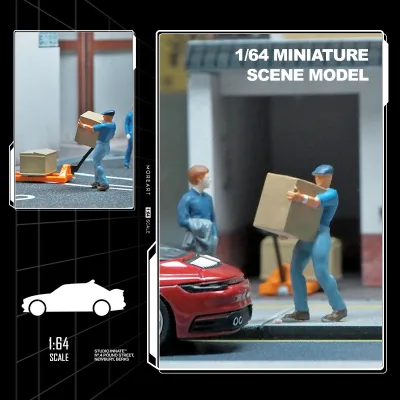
The main line is 1:64 scale with a product size around 2.6 cm, designed to accompany 1/64 diecast car models. Other standards include 4-inch and 7 cm figures. Single packages measure about 10 by 5 by 3 cm with a gross weight of roughly 0.2 kg per unit.
Which character styles can I choose from the catalog?
Available styles include a Catwoman coser, a painter in gray, a long-skirt figure in pink, a blue cheongsam woman, a man in a blue sweatshirt waving, a basketball boy, a girl with a bun hairstyle in green, a street dance boy in black and red, and a girl lying down in blue and white. All are unisex display figures for ages 14 and up.
How are orders shipped and what payment terms apply?
Shipping options include EMS, UPS, FEDEX, air freight, and sea freight, letting buyers balance speed and cost based on order size. Payment is handled by T/T. Small parcels suit express couriers, while bulk customized quantities often benefit from sea freight. Confirm shipping costs for your destination before finalizing the order.