Source Mining Excavator with Quick Hitch for Heavy Duty Use
Explore 30 Mining Excavator with Quick Hitch options from Chinese suppliers. Compare specifications like bucket capacity, transmission type, and certification status to find suitable equipment for your operational needs; compare the available evidence and request quotations based on your requirements.
Key considerations
Products List


$1800.00 - $2000.00
MOQ: 1 Pieces


China Good Quality Micro Excavator Small Digger with Quick Hitch for Digger
$3652.00 - $4265.00
MOQ: 1 pieces

Mini Excavator Mini Excavator Industrial Digging Excavator Digger with Cab
$3652.00 - $4265.00
MOQ: 1 Pieces


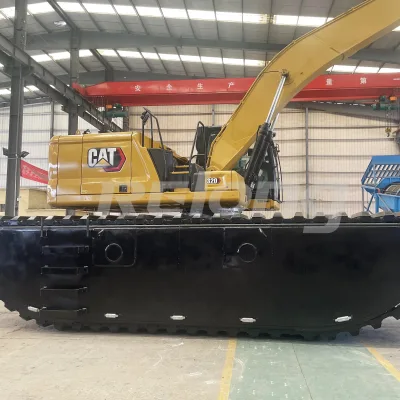


Mini Excavator with Stable Operation and Multifunctional Performance
$4751.00 - $5615.00
MOQ: 1 Pieces


Comprehensive Sourcing Guide
Mining Excavator with Quick Hitch Sourcing Guide
The global market for mining excavators equipped with quick hitches presents a diverse range of options, from compact units to large-scale machinery designed for heavy-duty extraction. Buyers must navigate a landscape where product models vary significantly, including specific configurations like the ZSP04 and DX380LC-9C, which cater to different operational scales. The observed listings indicate a strong presence of Chinese manufacturers offering both new and used units, with origins primarily traced to regions like Qingzhou, Shandong. This geographic concentration suggests a robust supply chain, yet it requires careful vetting to ensure the specific quick hitch mechanisms align with the intended mining application.
Procurement decisions hinge on matching the machine's physical attributes to the site's geological and logistical constraints. The available data highlights a wide spectrum of weights, ranging from 120 to 150kg for smaller components up to massive 30-tonne units, alongside varying bucket capacities from 0.1 to over 1.5 cubic meters. Buyers should prioritize units where the quick hitch system is integrated with the boom and dipper lengths, such as the 6500mm boom and 2900mm dipper observed in specific models, to ensure efficient material handling. Understanding these physical parameters is the first step in filtering the 30 observed products to find a viable match for your specific mining operation.
Product Scope and Observed Listing Signals
The product scope for mining excavators with quick hitches encompasses a broad array of configurations, including crawler types and specialized marine or mining variants. Listings reveal distinct models like the RL-AE36 and others featuring internal combustion drives and hydraulic transmissions, which are critical for sustained performance in rugged environments. The observed data indicates that these machines are often marketed with specific applications in mind, such as use with 7-9 ton excavators or as standalone large-scale mining units. Buyers must carefully distinguish between general-purpose excavators and those explicitly designed for the high-stress demands of mining, as the structural integrity required for quick hitch operations differs significantly.
Listing signals provide critical insights into the condition and packaging of the equipment, which directly impact logistics and immediate usability. The market data shows a mix of "New" and "Used" conditions, with packaging ranging from plywood pallets for smaller components to containerized shipping for larger units. Some listings specify "Naked" packing, which may reduce shipping costs but requires additional on-site preparation. The presence of customization options for color and specific model numbers suggests that buyers can often tailor the quick hitch interface to their existing fleet standards. However, the variation in bucket types, from backhoe to shovel configurations, necessitates a clear definition of the required attachment interface before engaging with suppliers.
Technical Specifications to Verify
Technical verification must begin with the core structural dimensions and weight distribution, as these factors dictate the stability of the quick hitch during operation. The observed specifications include pontoon sizes of 6.0x1.5x1.85m and side pontoons of 4.0x1.5x1.0m, which are essential for floating or specialized mining applications. Buyers should confirm that the main material, such as Wear Plate 450 or Q355b, meets the abrasion resistance required for the specific ore being mined. The ground specific pressure of 70kPa observed in certain models indicates a design focused on minimizing soil compaction, a vital consideration for maintaining site access and operational efficiency in soft terrain.
Performance metrics such as rotation speed, walking speed, and rated power are equally critical for assessing the machine's capability to handle rapid cycle times. The data points to rotation speeds of 8.2rpm and walking speeds of 4.9/2.9km/h, which influence the overall productivity of the excavation cycle. Buyers must verify that the hydraulic cylinder brands, noted as "China Famous" in some listings, are compatible with the quick hitch's hydraulic lines to prevent leaks or failure under load. Additionally, the safety pin inclusion and seal brands like Nok should be confirmed to ensure that the attachment mechanism remains secure during high-vibration mining activities, preventing catastrophic detachment.
Compliance and Safety Documentation
Compliance documentation is a non-negotiable aspect of sourcing mining excavators, particularly when the equipment involves complex quick hitch mechanisms. The observed listings frequently cite CE and ISO9001 certifications, which serve as baseline indicators of manufacturing quality and adherence to international safety standards. However, buyers must verify that these certifications are current and specifically cover the quick hitch assembly, as general machine certification does not always extend to aftermarket or integrated attachment systems. The distinction between new and used conditions in the listings further complicates compliance, as used units may require re-certification to meet current safety regulations in the buyer's jurisdiction.
Safety features such as the inclusion of safety pins and the design of the hydraulic system must be validated against local mining safety regulations. The presence of safety pins in the observed data suggests a focus on mechanical locking, but buyers should request detailed diagrams showing the locking mechanism's engagement points. Furthermore, the "Condition: New" and "Condition: Used" labels in the certification data imply different levels of wear and potential safety risks. It is essential to obtain a full safety audit report that covers the quick hitch's load-bearing capacity and the integrity of the boom and dipper connections, ensuring that the machine can operate safely under the dynamic loads of mining operations.
Cost Drivers and Commercial Terms
Cost drivers for mining excavators with quick hitches are heavily influenced by the machine's scale, condition, and the complexity of the attachment system. The observed price range of 450 to 200,000 USD reflects a vast disparity between smaller components and large-scale mining units, requiring buyers to align their budget with the specific operational needs. Factors such as the engine brand, hydraulic cylinder quality, and the inclusion of specialized materials like Wear Plate 450 significantly impact the final price. Buyers should be aware that "Famous Brand" engines and high-grade seals often command a premium, but they also offer greater reliability and lower long-term maintenance costs in demanding mining environments.
Commercial terms, including MOQ and packaging, play a pivotal role in the total cost of ownership and logistics planning. The observed MOQ of 1 unit offers flexibility for smaller operations or pilot projects, allowing buyers to test the equipment without a massive initial commitment. Packaging options, ranging from plywood pallets to containerized shipping, affect freight costs and the speed of deployment. Buyers must negotiate clear terms regarding the delivery of the quick hitch system, ensuring that all necessary hydraulic hoses and mounting hardware are included. Additionally, the distinction between "Naked" and containerized packing should be factored into the logistics budget, as unpacked units may require specialized handling equipment upon arrival.
Supplier Qualification and Quality Control
Supplier qualification requires a rigorous assessment of the manufacturer's track record, particularly regarding the integration of quick hitch systems into mining excavators. The observed data indicates that many suppliers originate from Qingzhou, Shandong, a region known for heavy machinery production. Buyers should verify the supplier's ability to provide OEM services, as the "OEM: Yes" attribute suggests a capacity for customization. It is crucial to confirm that the supplier has a history of delivering units that meet the specific weight and power requirements observed in the listings, such as the 214/1800kw/Rpm rated power models.
Quality control processes must be validated through on-site audits or third-party inspections to ensure the consistency of the quick hitch mechanisms. The use of specific seal brands like Nok and safety pins indicates a focus on component quality, but buyers should request test reports for the hydraulic cylinders and boom structures. The "Easy Operation" feature noted in the listings should be verified through a demonstration of the quick hitch's functionality, ensuring that the system can be operated safely and efficiently by the intended workforce. Establishing a clear quality assurance protocol with the supplier is essential to mitigate the risks associated with the high-stress environment of mining operations.
Long-Term Procurement Checks
Long-term procurement checks focus on the durability and maintainability of the quick hitch system over the lifecycle of the mining operation. Buyers should prioritize suppliers who offer comprehensive after-sales support, including the availability of spare parts for the hydraulic cylinders and safety pins. The observed use of "China Famous" brands for hydraulic components suggests a potential supply chain for replacements, but buyers must confirm the lead times and compatibility of these parts with the specific model purchased. Regular maintenance schedules should be established to inspect the wear plates and pontoon thickness, which are critical for maintaining the structural integrity of the machine.
Performance monitoring is essential to ensure that the quick hitch continues to operate safely and efficiently as the machine ages. Buyers should implement a system for tracking the number of attachment cycles and the condition of the locking mechanisms, as these factors directly impact the safety of the operation. The observed specifications, such as the 4x5x6mm pontoon thickness, provide a baseline for wear assessment, but regular inspections are necessary to detect early signs of fatigue. By maintaining a proactive approach to maintenance and part replacement, buyers can extend the service life of the mining excavator and ensure that the quick hitch remains a reliable asset in their fleet.
FAQs
What is the typical weight range for mini excavators?
The typical weight range for mini excavators is 120-150kg. This lightweight design allows for easy transport and operation in confined spaces. Buyers should verify specific model weights as variations exist across different manufacturers and configurations.
Can I customize the color of the excavator?
Yes, customization of the excavator color is available. Manufacturers often offer various color options to meet specific branding or site requirements. Buyers should confirm available color palettes and any associated costs with the supplier before placing an order.
What certifications are required for these machines?
Common certifications include CE and ISO9001. These standards ensure compliance with safety and quality management systems. Buyers should request valid certification documents to verify that the equipment meets international regulatory requirements for their specific market.
How is the excavator packed for shipping?
Packing methods vary, including plywood pallets or container shipping. Some units may be packed naked to save space. Buyers should specify their preferred packing method to ensure safe transit and compliance with logistics requirements.
What is the minimum order quantity for these units?
The minimum order quantity is typically one unit. This low MOQ allows buyers to test equipment quality before committing to larger orders. Suppliers generally support single-unit purchases for both new and used excavator models.
Which hydraulic seal brands are used?
NOK is a common seal brand used in these excavators. High-quality seals ensure reliable hydraulic performance and reduce leakage risks. Buyers should verify the specific seal brand used in their chosen model to ensure durability and compatibility.