Source Mining Hydraulic Excavator for Tunneling, Quarrying, and Underground Mining
Find and compare 30 Mining Hydraulic Excavator models tailored for heavy-duty industrial applications. Evaluate key specifications such as digging force, bucket capacity, and engine power to select the right equipment for your operational needs.
Key considerations
Products List


Gold Mining Excavator for Open Pit Mining Hydraulic Mining Equipment
$19999.00 - $25000.00
MOQ: 1 Pieces


Excavator Compaction/Compactor Wheel
$500.00 - $1000.00
MOQ: 1 Pieces
Xuzhou Shenfu Construction Machinery and Equipment Co., Ltd.


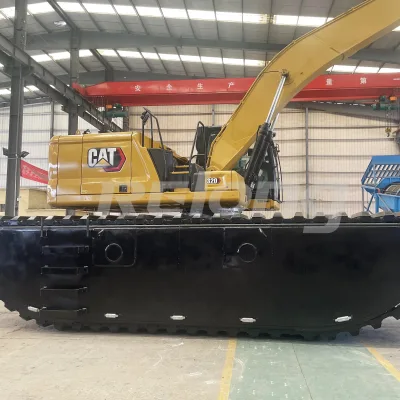


Good Condition China Excavator with Fully Hydraulic System for Cheap Sale
$1000.00 - $2000.00
MOQ: 1 Pieces


Comprehensive Sourcing Guide
Mining Hydraulic Excavator Sourcing Guide
The global market for mining hydraulic excavators presents a diverse range of machinery designed to handle heavy-duty earthmoving, tunneling, and material extraction tasks. Based on current product listings, these units are primarily manufactured in China, with specific origins noted in regions like Liaoning, and are available in various configurations ranging from compact models to large-scale mining units. Buyers must navigate a landscape where product attributes such as digging strength, track grounding ratios, and rated pressure vary significantly between models, requiring careful alignment with specific operational needs.
Procurement decisions for these machines hinge on understanding the distinction between general mining applications and specialized uses such as marine or tunneling operations. The observed product data indicates a spectrum of capabilities, including models with bucket capacities from 0.13 cubic meters to over 1.5 cubic meters, and engine powers that support high-force digging operations. Sourcing strategies must account for these variations, ensuring that the selected excavator matches the geological conditions, such as gradeability requirements up to 30 degrees, and the specific environmental constraints of the mining site.
Product Scope and Observed Listing Signals
Buyers should first analyze the listing signals to determine the appropriate machine class for their project, noting that observed models range from the MWD6.6/0.13L to larger units like the UM-23E. The product scope includes crawler excavators equipped with internal combustion drives, specifically utilizing engines such as the Qsb7 124kw, which provide the necessary power for sustained mining operations. It is critical to verify the specific model designation against the intended application, as some units are designated for general mining while others are specialized for marine or tunnel environments.
The physical dimensions and transport requirements of these excavators vary, with transportation dimensions observed at 5560x1150x2142 mm for certain models and larger configurations reaching 9590x2960x3185 mm for heavy-duty variants. Packaging methods also differ, ranging from nude packing to palletized delivery or containerized shipping in 20 or 40-foot units, which directly impacts logistics planning and cost estimation. Procurement teams must evaluate whether the machine's overall weight, such as the 6100 kg observed in specific listings, aligns with the site's infrastructure and transport route limitations.
Technical Specifications to Verify
Technical verification must begin with the hydraulic system's performance metrics, specifically the rated pressure and system pressure, which are critical for digging efficiency. Listings indicate rated pressures of 24.5 MPa and system pressures reaching 34 MPa, which dictate the machine's ability to penetrate hard rock or compacted soil. Buyers should confirm that the digging strength exceeds 16.3 kN and that the maximum bucket digging force and arm digging force meet the specific resistance requirements of the target mining face.
The mobility and operational speed of the excavator are equally vital, with walking speeds observed at 17 meters per minute and slewing speeds ranging from 9 to 13 revolutions per minute. The track width, noted at 300 mm in some models, and the ground distance capability of at least 210 meters influence stability and maneuverability on uneven terrain. Additionally, the gradeability, which can reach up to 30 degrees in certain configurations, must be validated against the slope of the mining pit to ensure the machine can operate safely without tipping or losing traction.
Compliance and Safety Documentation
Safety and compliance documentation are non-negotiable prerequisites for importing heavy machinery, with CE and ISO9001 certifications appearing as standard markers for quality assurance in the observed listings. Buyers must request valid certificates that confirm the machine meets international safety standards, particularly regarding noise levels, which are observed to be capped at 95 dB(a) for specific models. Ensuring that the documentation is current and issued by recognized bodies is essential for regulatory clearance and insurance coverage in the destination country.
Beyond general certifications, specific safety features related to the machine's operation must be verified, including the integrity of the hydraulic transmission and the reliability of the integrated hydraulic motor and reducer driver. The condition of the machine, listed as "New" in most cases, should be supported by factory inspection reports that detail the manufacturing process and quality control checks. Procurement teams should also verify that the body material, typically carbon steel, meets the durability standards required for the abrasive and high-stress environment of mining operations.
Cost Drivers and Commercial Terms
The cost of mining hydraulic excavators is driven by a complex interplay of specifications, including engine power, bucket capacity, and the complexity of the hydraulic system. Observed price ranges span from 500 USD to 163,000 USD, reflecting the vast difference between smaller, specialized units and large-scale mining excavators. Buyers must correlate the price with the specific technical capabilities, such as the 1.0 to 1.5 cubic meter bucket capacity or the 124kw engine power, to ensure they are not overpaying for unnecessary features or under-specifying for their operational needs.
Commercial terms, including the minimum order quantity (MOQ) and payment conditions, are critical factors in the final procurement decision. The observed data indicates an MOQ of 1 unit, which offers flexibility for buyers who may not require a fleet immediately but need to validate performance before scaling up. However, the total cost of ownership must also account for packaging methods, such as nude packing versus palletized delivery, and the logistics costs associated with shipping from China, which can vary significantly based on the machine's dimensions and weight.
Supplier Qualification and Quality Control
Supplier qualification requires a rigorous assessment of the manufacturer's production capabilities and their track record in delivering heavy machinery. Given that the products originate from China, specifically regions like Liaoning, buyers should verify the supplier's factory audit reports and their ability to maintain consistent quality across different production batches. The presence of customization options suggests that suppliers should be capable of tailoring specifications to meet unique site requirements, but this flexibility must be balanced with strict quality control protocols.
Quality control processes should extend beyond the final inspection to include material verification and component testing. Buyers must ensure that the carbon steel used for the body and the hydraulic components meet the specified standards for durability and resistance to wear. It is advisable to request third-party inspection reports that validate the machine's condition, including the integrity of the engine, the performance of the walking drive, and the accuracy of the listed specifications such as the 6100 kg overall machine weight.
Long-Term Procurement Checks
Long-term procurement success depends on establishing a reliable supply chain that can support the machine throughout its operational lifecycle. Buyers should prioritize suppliers who offer comprehensive after-sales support, including the availability of spare parts and technical assistance for maintenance and repairs. The complexity of the hydraulic systems and the high-stress nature of mining operations mean that downtime can be costly, making the supplier's ability to provide timely support a critical factor in the selection process.
Future-proofing the procurement strategy involves monitoring the evolution of mining equipment standards and the availability of updated models. As technology advances, buyers should remain open to upgrading their fleets with machines that offer improved efficiency, lower noise levels, and enhanced safety features. Regular reviews of the supplier's product portfolio and their commitment to innovation will ensure that the mining operation remains competitive and compliant with evolving industry regulations and environmental standards.
FAQs
What is the rated pressure for the MWD6.6/0.13L mining excavator?
The rated pressure is 24.5 MPa. This hydraulic system pressure ensures efficient digging force and smooth operation of the integrated hydraulic motor and reducer driver. It supports a walking force of at least 30 kN, making it suitable for challenging underground mining environments where consistent power delivery is critical for continuous material handling tasks.
Can the Mining Hydraulic Excavator be customized for specific site requirements?
Yes, customization is available for these units. Buyers can tailor specifications to match unique operational needs, such as adjusting the bucket capacity or modifying the overall dimensions. This flexibility allows for optimized performance in various mining conditions, ensuring the equipment integrates seamlessly with existing site infrastructure and workflow requirements without compromising structural integrity.
What are the transportation dimensions for the standard mining excavator model?
The transportation dimensions are 5560x1150x2142 mm. These compact measurements facilitate easier loading and unloading from transport vehicles. The design allows for efficient shipping via 20 or 40-foot containers, reducing logistics costs and simplifying the supply chain process for international buyers who need to move heavy machinery across long distances to remote mining sites.
Which certification standards do the mining hydraulic excavators meet?
The excavators meet CE and ISO9001 certification standards. These certifications verify compliance with international quality management and safety regulations. This ensures that the equipment is manufactured under strict quality controls, providing buyers with confidence in the product's reliability and safety performance. It also facilitates smoother customs clearance and regulatory approval in various global markets.
What is the maximum digging height for the large capacity model?
The maximum digging height reaches 9410 mm for the larger capacity model. This significant height allows for deep excavation and high dumping capabilities, essential for large-scale mining operations. The design supports a bucket capacity of up to 1.1 cubic meters, enabling efficient material removal and transport in open-pit or large underground mining environments.
How is the walking drive system configured in these excavators?
The walking drive method uses an integrated hydraulic motor and reducer driver. This configuration provides robust traction and precise control over the crawler tracks. With a travelling speed of 17 meters per minute, the system ensures stable movement on uneven terrain. The design enhances operational efficiency by delivering consistent power to the tracks, improving maneuverability in confined mining spaces.