Source Mobile Travel Trailers with Motor for Camping, Work, and Living
Explore 30 Mobile Travel Trailers with Motor options featuring varying sizes, weights, and certifications like CE and ISO. Buyers can compare specifications for full trailers, caravans, and heavy-duty units sourced from China to find suitable models for camping, work, or living.
Key considerations
Products List

Customized Mobile Travel Trailers Outdoors Caravan House RV Campers with Modern Equipment
$19500.00 - $25000.00
MOQ: 1 Pieces

Customized Motorhome Mobile House Travel Camping Camper Trailer off Road Camper
$11870.00 - $13900.00
MOQ: 2 Pieces

Onlywe Mobile RV Motorhomes Camper Trailer Caravan Travel Trailers
$11560.00 - $14650.00
MOQ: 1 Pieces

Onlywe Mobile Travel Trailer Caravan Camper Motorhome RV Camping Trailer
$18880.00 - $26660.00
MOQ: 1 Pieces


Onlywe Caravan Camper Truck Camper Trailers Motor Home Truck Caravan Travel Trailer
$10490.00 - $20990.00
MOQ: 1 Pieces


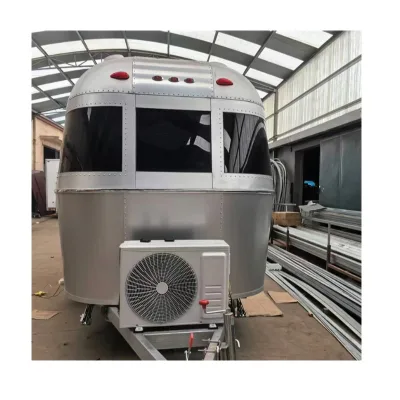


$21666.00 - $21888.00
MOQ: 1 Pieces


Mobile High-Quality Teardrop Travel Trailer for Comfortable Touring Adventures
$4800.00 - $6500.00
MOQ: 2 Sets


Lightweight High-Performance Travel Trailer for Easy Towing and Camping
$4800.00 - $6500.00
MOQ: 2 Sets


Small Camper Trailer Designed for Outdoor Cooking and Weekend Travel
$3200.00 - $4500.00
MOQ: 1 Pieces

Luxury off-Road RV Caravan Motor Home Aluminium Mobile Travel Trailer for Camping Sale
$18000.00 - $29000.00
MOQ: 1 Pieces


Comprehensive Sourcing Guide
Mobile Travel Trailers with Motor Sourcing Guide
Sourcing Mobile Travel Trailers with Motor capabilities requires a nuanced understanding of the distinction between self-propelled recreational vehicles and towable units that may feature auxiliary power systems. The core keyword suggests a vehicle that combines mobility with living quarters, yet the observed market data reveals a complex landscape where "motor" may refer to auxiliary generators, electric braking systems, or specific propulsion configurations rather than a primary engine integrated into the chassis. Buyers must carefully distinguish between true motorhomes and high-specification travel trailers that offer enhanced autonomy through onboard power generation or electric assist features. This distinction is critical for regulatory compliance, insurance classification, and operational planning, as the legal requirements for self-propelled vehicles differ significantly from those for towable units in most jurisdictions.
The procurement process for these units involves evaluating a wide range of configurations, from lightweight utility trailers to heavy-duty caravans designed for extended habitation. The observed product count of thirty listings indicates a specialized but active market segment, primarily concentrated in Chinese manufacturing hubs such as Shandong and Henan provinces. These regions are known for producing a variety of trailer types, including full trailers and caravans, with varying degrees of customization and material quality. Buyers should approach this market with a clear definition of their operational needs, whether that involves light-duty camping, medium-duty transport, or heavy-duty expedition use, as the available models span a broad spectrum of weight capacities, dimensions, and functional features.
Product Scope and Observed Listing Signals
The observed product listings reveal a diverse array of trailer types, ranging from basic utility trailers to fully equipped caravans with sleeping capacities for three to four people. Key attributes such as "Full Trailer" and "Caravan" suggest that the market includes both simple transport units and complex living spaces, with some models featuring galvanized steel bodies, aluminum panels, and rectangular steel tube frames. The presence of specific models like ZBJZ-240330-1, BZ-8533, and RT-400DF indicates that manufacturers offer standardized designs alongside customizable options, allowing buyers to tailor specifications to their unique requirements. The observed price range of 1080 to 34000 USD reflects this diversity, with lower-priced units likely being basic utility trailers and higher-priced models representing fully equipped caravans with advanced features.
Material composition and construction quality are significant differentiators in this market, with listings highlighting features such as hot-dipped zinc galvanized chassis, galvanized sheet inner and outer wall panels, and varying tire configurations. Some units are specified as "Medium Duty" or "Heavy Duty," indicating their intended load-bearing capacity and durability, while others are labeled "Light Duty" for more casual use. The observed weight ranges from 900kg to 1700kg, suggesting that buyers can select units based on their towing vehicle's capacity and their specific payload requirements. Additionally, the availability of customization options for packing, standards, and overall size allows for greater flexibility in meeting specific logistical or operational needs, though this may impact lead times and final costs.
Technical Specifications to Verify
Technical verification is paramount when sourcing mobile travel trailers, particularly regarding braking systems, tire specifications, and structural integrity. The observed listings mention various braking configurations, including "American Electric Brake + Hand Brake" and units with or without ABS, which directly impact safety and regulatory compliance. Buyers must verify the specific braking system installed on each unit, as the effectiveness and legal acceptance of electric brakes versus ABS-equipped systems vary by region. Similarly, tire specifications such as "165/70r14c*2PCS" or "4" tires should be cross-referenced with the unit's weight rating and intended usage to ensure adequate load capacity and durability. The presence of a "Coupling; Maximum Drawer Pull" traction system also requires careful evaluation to ensure compatibility with the buyer's towing vehicle.
Dimensional and structural specifications must be meticulously reviewed to ensure the trailer fits within legal transport limits and meets the buyer's spatial requirements. Observed overall sizes range from compact dimensions like 520022002480mm to larger configurations such as 700210245cm, with some models specifying door sizes and sleeping capacities. The body frame material, often rectangular steel tube, and chassis material, typically steel with hot-dipped zinc galvanization, are critical for longevity and corrosion resistance. Buyers should verify the exact dimensions, axle numbers, and loading weights, as these factors influence not only the trailer's performance but also its road legality and insurance classification. Additionally, the total power output of 10kw mentioned in some listings suggests the presence of onboard electrical systems, which should be evaluated for compatibility with the buyer's power needs.
Compliance and Safety Documentation
Compliance with regional safety and certification standards is a non-negotiable aspect of sourcing mobile travel trailers, with listings frequently citing CE, ISO, DOT, and CCC certifications. These certifications indicate adherence to specific safety, quality, and environmental standards, but buyers must verify that the certifications are valid for their target market. For instance, DOT certification is essential for vehicles intended for use in the United States, while CE marking is required for European markets. The presence of multiple certifications in a single listing may suggest versatility, but buyers should confirm that the specific unit being purchased carries the appropriate documentation for its intended destination. Failure to verify these certifications can result in legal penalties, import restrictions, or insurance voidances.
Safety features such as ABS, braking systems, and structural integrity must be documented and verified through third-party testing or manufacturer declarations. The observed listings mention units with and without ABS, highlighting the importance of selecting a braking system that meets local regulatory requirements. Additionally, the condition of the trailers, all listed as "New," should be confirmed through detailed inspection reports or video evidence to ensure that no hidden defects exist. Buyers should request comprehensive documentation, including test reports, material certificates, and assembly records, to verify that the trailers meet all applicable safety standards. This due diligence is crucial for mitigating risks associated with product liability and ensuring the long-term reliability of the purchased units.
Cost Drivers and Commercial Terms
The cost of mobile travel trailers is influenced by a variety of factors, including material quality, customization options, certification requirements, and order volume. The observed MOQ range of 1-20 units suggests that buyers can procure single units or small batches, but pricing may vary significantly based on the quantity ordered. Customization options, such as specific dimensions, materials, or electrical systems, can increase the base price, while standard configurations may offer more competitive pricing. Buyers should carefully evaluate the cost implications of each customization request, as even minor changes can impact production time and final cost. Additionally, the observed price range of 1080 to 34000 USD reflects the wide variation in features and quality, requiring buyers to align their budget with their specific needs.
Commercial terms, including payment methods, shipping arrangements, and warranty provisions, are critical components of the procurement process. The observed listings mention "Customized" and "Shipping" packing options, indicating that buyers should clarify logistics responsibilities and costs upfront. Buyers should negotiate clear terms regarding delivery timelines, risk transfer, and after-sales support, as these factors can significantly impact the total cost of ownership. Additionally, the availability of customization and the origin of the products in Shandong and Henan provinces may influence shipping costs and lead times, which should be factored into the overall procurement strategy. Establishing a transparent and mutually beneficial commercial agreement is essential for ensuring a smooth transaction and long-term supplier relationship.
Supplier Qualification and Quality Control
Supplier qualification is a critical step in sourcing mobile travel trailers, requiring a thorough assessment of the manufacturer's capabilities, reputation, and quality control processes. Buyers should verify the supplier's production capacity, technical expertise, and ability to meet specific customization requirements. The observed listings indicate that suppliers are located in Shandong and Henan provinces, regions known for their manufacturing capabilities, but buyers should conduct due diligence to ensure that the supplier meets international quality standards. Requesting references, visiting the production facility, or engaging a third-party inspection service can provide valuable insights into the supplier's operational practices and quality assurance measures.
Quality control measures should be implemented throughout the production process to ensure that the final product meets the buyer's specifications and regulatory requirements. Buyers should establish clear quality criteria, including material specifications, dimensional tolerances, and functional performance standards, and require the supplier to adhere to these criteria. Regular inspections, both during production and before shipment, can help identify and rectify potential issues early in the process. Additionally, buyers should request detailed quality reports, including test results and inspection records, to verify that the trailers meet all agreed-upon standards. Establishing a robust quality control framework is essential for minimizing risks and ensuring the long-term reliability of the purchased units.
Long-Term Procurement Checks
Long-term procurement success depends on establishing a sustainable relationship with suppliers and implementing continuous improvement strategies. Buyers should regularly review supplier performance, including delivery times, product quality, and after-sales support, to identify areas for improvement. Establishing key performance indicators (KPIs) and conducting periodic audits can help ensure that suppliers maintain high standards and meet the buyer's evolving needs. Additionally, buyers should stay informed about changes in regulatory requirements, market trends, and technological advancements to ensure that their procurement strategy remains relevant and effective.
Continuous communication and collaboration with suppliers can foster innovation and drive cost efficiencies. Buyers should engage in open dialogue with suppliers to discuss potential improvements, share feedback, and explore new opportunities for customization or product enhancement. Building a strong partnership based on trust and mutual benefit can lead to better pricing, improved quality, and greater flexibility in meeting future procurement needs. By focusing on long-term relationship management and continuous improvement, buyers can maximize the value of their procurement investments and ensure the successful operation of their mobile travel trailers.
FAQs
What certifications do these Mobile Travel Trailers with Motor have?
These units typically carry CE, ISO, and DOT certifications. Some models also include CCC certification. Buyers should verify specific certification lists for each product model before ordering to ensure compliance with local regulations.
Can I request customization for the Mobile Travel Trailers with Motor?
Yes, customization is available for these trailers. Buyers can request custom packing and specific product standards. The body frame and chassis materials can often be tailored to meet specific project requirements or operational needs.
Which specifications define the overall size of these trailers?
Overall sizes vary by model, with dimensions like 5200 by 2200 by 2480 mm or 700 by 210 by 245 cm. Specific models may have different standard dimensions. Always check the product model number for exact size details.
How much does a mobile travel trailer with motor weigh?
Weights range from 900 kg to 1700 kg depending on the model and duty grade. Light duty units are lighter, while heavy duty versions carry more load. The specific weight is listed per product model in the specifications.
What materials are used for the body and chassis?
The body frame uses rectangular steel tubes, and the chassis is made of steel with hot-dipped zinc galvanization. Inner and outer wall panels are often galvanized sheet, while some models feature aluminum body materials for durability.
Where are these Mobile Travel Trailers with Motor manufactured?
Manufacturing origins include Shandong and Henan provinces in China. The specific location depends on the supplier and product model. Buyers should confirm the origin for each unit to understand logistics and shipping implications.
What is the minimum order quantity for these trailers?
The minimum order quantity ranges from 1 to 20 units. This flexibility allows buyers to start with small batches. The exact MOQ depends on the specific supplier and the customization level required for the order.